Key Takeaways
- The best foods to break a fast combine protein, fibre, complex carbohydrates, healthy fats, fluids, and essential nutrients.
- After routine intermittent fasting, most healthy adults can break their fast with a normal balanced meal, without needing a special refeeding protocol.
- After prolonged fasting, significant weight loss, or malnutrition, food may need to be reintroduced carefully due to the risk of refeeding syndrome.
The best foods to break a fast provide protein, fibre, complex carbohydrates, healthy fats, fluids, and essential macronutrients without turning your first meal into an unusually large or heavy feast.
What you should eat also depends on how long you have been fasting. Someone practicing intermittent fasting with a 16-hour fasting period generally does not need a special refeeding protocol. After a much longer fast, however, food may need to be reintroduced more carefully.
If fasting has been prolonged, or if you have diabetes, take glucose-lowering medications, are malnourished, have experienced substantial recent weight loss, or have another relevant medical condition, fasting and refeeding should be discussed with an appropriate healthcare professional.
What Is Intermittent Fasting?
Intermittent fasting refers to eating patterns that alternate between periods of eating and fasting. During a fasting state, the body progressively relies less on recently consumed nutrients and increasingly on stored energy.

An eating window may also influence appetite. Intermittent fasting is therefore not automatically a fat-loss diet. Weight loss still depends heavily on overall energy intake, diet quality, physical activity level, and how much a person eats during the eating window.
Eating fewer meals can make calorie control easier for some people, but it can also make it harder to consume enough protein, fibre, vitamins, and minerals if the meals themselves are poorly planned.
Can Intermittent Fasting Help With Weight Loss?
Intermittent fasting can help some people reduce calorie consumption simply because the eating window is shorter and there are fewer opportunities to eat. Fasting can be useful when it makes a healthy diet easier to follow. It becomes less useful if someone becomes extremely hungry and compensates by consuming excessive calories during the eating window.
For sustainable weight loss and overall health, food quality, total intake, physical activity, sleep, exercise, protein intake, and long-term adherence still matter.
13 Best Foods to Break a Fast
A good first meal after fasting generally combines several nutritional components rather than relying on one supposedly perfect food. Below are the 13 best foods to break a fast.
1. Lean Protein
Protein becomes particularly important when someone is trying to lose weight while maintaining muscle mass. Adequate protein intake, together with resistance exercise, helps support muscle maintenance and can reduce the likelihood that weight loss consists disproportionately of lean tissue.
Resistance training studies found that protein intake around 1.6 grams per kilogram of body weight per day was sufficient to maximize average gains in fat-free mass, although individual requirements vary.
For people dieting, exercising heavily, or specifically attempting to build muscle, protein requirements can be higher. A practical overall range often used in sports nutrition is roughly 1.2 to 2.2 grams per kilogram daily, depending on activity level, calorie intake, training, age, and individual goals.
| Category | Lean protein foods |
|---|---|
| Poultry | Chicken breast, skinless turkey breast, chicken tenderloin, turkey tenderloin |
| Fish | Cod, haddock, pollock, tilapia, sole, salmon, halibut, tuna |
| Seafood | Prawns, shrimp, crab, lobster, scallops, mussels |
| Lean meat | Beef scramble, beef kebab meat, braised soy pork, sirloin, pork tenderloin, pork loin |
| Eggs | Whole eggs, egg whites, whole egg omelet, poached whole egg, scrambled egg with salt |
| Dairy | Low fat Greek yogurt, low fat cottage cheese, goat’s milk, sheep’s milk, whole milk, skim or low fat milk |
2. Complex Carbohydrates
Complex carbohydrates can be useful when breaking a fast because they provide energy while often supplying substantially more fiber and micronutrients than highly refined sources of carbohydrate.
These foods can be paired with protein and vegetables rather than eaten alone, as is common in the clean eating diet. For example, oats with Greek yogurt and berries, brown rice with chicken and broccoli, or whole grain bread with eggs and avocado create a more nutritionally complete meal. Low-glycemic foods may also reduce the size of the blood glucose rise following a meal. Lower glycemic index breakfasts produced lower postmeal blood glucose concentrations than higher glycemic index breakfasts.
That does not mean sugar or refined carbohydrate must never be consumed. It means that after fasting, choosing minimally processed carbohydrate sources alongside protein, fiber, and healthy fats can produce a more balanced meal.
| Category | Complex carbohydrate foods |
|---|---|
| Whole grains | Oats, steel cut oats, rolled oats, brown rice, quinoa, barley, buckwheat, bulgur, farro, millet, rye |
| Whole grain products | Whole wheat bread, whole grain sandwich thins, whole wheat pasta, whole grain couscous, whole wheat crackers, whole grain pita bread, oat bran bread, oat bran muffins, oat bran bagels, rye crispbread, whole grain french toast |
| Legumes | Black beans, chickpeas, lentils, kidney beans, pinto beans, cannellini beans, navy beans, mung beans, split peas |
| Soy and peas | Soybeans, edamame, green peas |
| Starchy vegetables | Sweet potatoes, potatoes, pumpkin, butternut squash, acorn squash, corn, parsnips, yam, taro, cassava |
| High-fiber grains and cereals | Oat bran, wheat bran, bran cereal, whole grain cereal, high fiber bread, whole grain crackers |
3. Healthy Fats
Healthy fats can contribute to satiety, provide essential fatty acids, and are necessary for the absorption of fat-soluble vitamins. Dietary fats also provide fatty acids used in numerous physiological processes related to cellular function and hormone production. Adding healthy fats does not mean that a first meal needs to be extremely high in fat, as fat is energy dense.
| Category | Healthy fat foods |
|---|---|
| Avocados | Avocado, grilled avocado, avocado with spices, avocado oil, stuffed avocado tuna, turkey avocado bites, avocado tahini dressing |
| Olives and oils | Extra virgin olive oil, olive oil, olives |
| Nuts | Almonds, walnuts, pistachios, peanuts, cashews, pecans, hazelnuts, macadamia nuts |
| Nut butters | Peanut butter, almond butter, cashew butter |
| Seeds | Chia seeds, flaxseeds, pumpkin seeds, sunflower seeds, sesame seeds, hemp seeds |
| Seed butters | Tahini, sunflower seed butter |
| Oily fish | Salmon, sardines, trout, mackerel, herring |
| Soy foods | Tofu, tempeh, edamame |
| Other options | Unsweetened coconut, coconut relish, spiced coconut dip |
4. High-Fiber Foods
Fiber contributes to digestive health and can influence fullness and appetite. Some types of soluble and viscous fiber can increase satiety, although the effect varies considerably according to the type of fiber and food source. Roughly 25 to 29 grams of fiber should be consumed daily rather than attempting to consume the entire amount in the first meal.
People who had the highest fiber intake had approximately 15% to 30% lower rates of all-cause mortality and several major chronic disease outcomes compared with the lowest consumers.
If you normally consume little fiber, however, suddenly eating a very large amount immediately after fasting may cause bloating or gastrointestinal discomfort. Gradually increasing intake and drinking water can make the transition easier.
| Category | High-fiber foods |
|---|---|
| Fruits | Guava, passion fruit, persimmons, pomegranate arils, figs, dates, prunes, dried apricots |
| Vegetables | Artichokes, green peas, collard greens, Swiss chard, turnips, beet greens, okra, Brussels sprouts |
| Beans and pulses | Lima beans, adzuki beans, great northern beans, navy beans, fava beans, pigeon peas |
| Whole grains | Teff, freekeh, sorghum, amaranth, rye berries, wheat berries, spelt |
| Seeds | Psyllium husk, hemp seeds, sesame seeds, poppy seeds |
| Nuts | Pecans, hazelnuts, macadamia nuts, Brazil nuts |
| Dried fruits | Prunes, dried figs, dried pears, dried apricots, dates |
| Other plant foods | Seaweed, roasted chickpeas, hummus, artichoke hearts |
5. Fruits
Water-rich fruits can be useful foods to eat after fasting because they provide fluid, carbohydrates, fiber, vitamins, minerals, and numerous plant compounds. Melons and other water-rich fruits can also contribute fluid after a fasting period, although they should not replace drinking water itself.
Fruit does contain sugar, but whole fruit also contains water, fiber, and a complex food matrix. There is generally no need for most healthy people to avoid fruit simply because they have been fasting.
| Category | Fruits to consider |
|---|---|
| Berries | Blackcurrants, cranberries, lingonberries, boysenberries, mulberries, gooseberries |
| Tropical fruits | Dragon fruit, starfruit, guava, passion fruit, lychee, rambutan, mangosteen |
| Stone fruits | Apricots, cherries, plums, nectarines, peaches |
| Citrus fruits | Grapefruit, pomelo, blood oranges, mandarins, clementines |
| Other fresh fruits | Kiwifruit, persimmons, figs, pomegranate, Asian pears |
| Dried fruits | Dates, raisins, sultanas, dried apricots, dried figs, prunes |
For more information about the best fruits for weight loss or your diet, read Eato’s other blogs.
6. Vegetables
Vegetables provide fiber, vitamins, minerals, and phytochemicals while helping increase the volume of a meal. If your digestive system feels particularly sensitive after fasting, cooked vegetables may be more comfortable than a very large raw salad. Cooking softens plant tissue and can make certain vegetables easier for some people to chew and tolerate.
| Category | Vegetables to consider |
|---|---|
| Leafy greens | Swiss chard, collard greens, mustard greens, watercress, arugula, romaine lettuce |
| Cruciferous vegetables | Brussels sprouts, cabbage, bok choy, turnips, radishes, kohlrabi |
| Root vegetables | Carrots, beetroot, parsnips, turnips, rutabaga |
| Squash and gourds | Zucchini, yellow squash, chayote, bottle gourd, spaghetti squash |
| Other vegetables | Asparagus, okra, artichokes, fennel, celery, mushrooms, green beans |
| Gentler cooked options | Steamed carrots, roasted zucchini, cooked spinach, mashed pumpkin, sautéed mushrooms, braised cabbage |
7. Fermented Foods
Fermented foods may help introduce microorganisms and fermentation products into the diet. Interest in fermented foods and gut health has grown substantially because of research on the gut microbiome as fermented foods can form part of a dietary pattern that may promote gut health.
| Category | Fermented foods |
|---|---|
| Fermented dairy | Plain yogurt with live cultures, Greek yogurt with live cultures, kefir, cultured buttermilk, skyr |
| Fermented vegetables | Kimchi, sauerkraut, fermented green chili, fermented red peppers, fermented carrots, fermented radishes |
| Fermented soy foods | Tempeh, natto, miso |
| Fermented grains | Sourdough bread, fermented oat products, fermented rice products |
| Fermented drinks | Kefir drinks, water kefir, kombucha |
| Other fermented foods | Fermented olives, traditional fermented pickles, cultured cottage cheese |
8. Legumes
Legumes combine plant protein, complex carbohydrates, fiber, minerals, and numerous plant compounds. However people who are not accustomed to legumes may want to begin with a moderate serving because suddenly eating large amounts of fiber can cause gas or bloating.
| Category | Legumes to consider |
|---|---|
| Beans | Cannellini beans, navy beans, adzuki beans, lima beans, great northern beans, cranberry beans, fava beans |
| Lentils | Red lentils, green lentils, brown lentils, black beluga lentils, French lentils |
| Peas | Split peas, yellow split peas, pigeon peas, green peas |
| Soy legumes | Edamame, soybeans |
| Other pulses | Mung beans, lupini beans, cowpeas, urad dal |
9. Nuts and Seeds
Nuts and seeds provide fats, protein, fiber, minerals, and substantial energy in a relatively small serving. Because nuts and seeds are calorie dense, people pursuing fat loss do not need enormous servings to obtain their nutritional benefits.
| Category | Nuts and seeds to consider |
|---|---|
| Tree nuts | Walnuts, pecans, hazelnuts, Brazil nuts, macadamia nuts, pine nuts |
| Other nuts | Peanuts, chestnuts |
| Seeds | Hemp seeds, sesame seeds, poppy seeds, pumpkin seeds, sunflower seeds |
| Ground seeds | Ground flaxseed, ground sesame seeds |
| Nut and seed spreads | Natural peanut butter, cashew butter, sunflower seed butter, tahini, sesame butter paste |
| Easy meal additions | Crushed walnuts, toasted sesame seeds, pumpkin seeds, hemp seeds, chopped pecans, roasted glandless cottonseed kernels, dried watermelon seed kernels |
10. Eggs
Eggs are one of the simplest best foods to break a fast because they are easy to incorporate into a balanced meal. One large whole egg contains 6.28 grams of protein. For someone interested in muscle maintenance, the more important consideration is the total quantity of protein consumed throughout the day rather than whether eggs are eaten at the exact moment the fast ends.
| Type | Egg options |
|---|---|
| Whole eggs | Boiled eggs, poached eggs, soft boiled eggs, scrambled eggs |
| Egg whites | Boiled egg whites, scrambled egg whites, egg white omelets |
| Omelets | Vegetable omelet, mushroom omelet, spinach omelet, tomato omelet |
| Easy first meal options | Poached eggs with vegetables, scrambled eggs with whole grain toast, boiled eggs with fruit, egg white omelet with avocado |
11. Fish and Seafood
Fish offers a useful combination of protein and, depending on the species, healthy fats. Salmon is particularly notable for its fat composition.
| Category | Fish and seafood to consider |
|---|---|
| Lean white fish | Cod, haddock, pollock, sole, flounder, tilapia, halibut |
| Oily fish | Salmon, trout, sardines, mackerel, herring |
| Shellfish | Prawns, shrimp, scallops, crab, lobster, mussels, clams |
| Tuna options | Fresh tuna, canned tuna in water |
| Easy first meal options | Baked cod with vegetables, salmon with brown rice, prawns with quinoa, tuna with whole grain bread, scallops with cooked vegetables |
12. Dairy and Dairy Alternatives
Greek yogurt or cottage cheese can be combined with berries, fruit, oats, seeds, or nuts for a convenient first meal. However, dairy products may be unsuitable for some. Choose products according to your tolerance and dietary preferences. People with lactose intolerance may prefer lactose free dairy or suitable alternatives.
| Category | Dairy and dairy alternatives to consider |
|---|---|
| Yogurt | Plain Greek yogurt, plain yogurt, skyr, low fat yogurt, lactose free yogurt |
| Cultured dairy | Kefir, cultured buttermilk, cultured cottage cheese |
| Cheese based options | Cottage cheese, ricotta, quark |
| Milk | Low fat milk, skim milk, lactose free milk |
| Soy alternatives | Unsweetened soy milk, soy yogurt |
| Other plant alternatives | Unsweetened almond milk, oat milk, pea milk, coconut yogurt |
| Easy first meal options | Greek yogurt with fruit, cottage cheese with berries, kefir with oats, soy yogurt with seeds |
13. Soups and Soft Foods
If you have completed a longer fast or simply feel that your digestive system is sensitive, a smaller soft meal may feel more comfortable. Bone broth is sometimes promoted as a special fasting food, but there is no requirement to drink bone broth to successfully break a routine intermittent fast.
More importantly, begin with an amount of food that feels comfortable rather than becoming extremely hungry and immediately consuming an exceptionally large meal.
| Category | Soups and soft foods to consider |
|---|---|
| Broth based soups | Chicken soup, vegetable soup, miso soup, clear broth with tofu, light fish soup |
| Blended soups | Pumpkin soup, carrot soup, tomato soup, zucchini soup, cauliflower soup |
| Legume soups | Red lentil soup, split pea soup, mung bean soup |
| Soft grains | Oatmeal, rice porridge, congee, soft cooked quinoa, creamy polenta |
| Soft protein foods | Scrambled eggs, poached eggs, soft tofu, cottage cheese, Greek yogurt |
| Soft vegetables | Mashed pumpkin, mashed sweet potato, steamed carrots, cooked spinach, soft zucchini |
| Fruit based options | Unsweetened applesauce, stewed pears, mashed banana, blended berries with yogurt |
| Easy first meal combinations | Chicken soup with soft vegetables, oatmeal with Greek yogurt, congee with egg, lentil soup with soft vegetables |
How to Break a Fast Without Digestive Discomfort
Breaking a fast does not normally require an elaborate ritual. For most people completing routine intermittent fasting, the digestive system remains capable of processing an ordinary balanced meal.
A few strategies may nevertheless make the first meal more comfortable.
- Start by drinking water, especially if fluid intake has also been limited. Dehydration can sometimes be interpreted as hunger.
- Then eat a moderate first portion rather than compensating for the fasting period with an extremely large meal.
- Choose a mixture of protein, carbohydrate, vegetables, and healthy fats.
- If your stomach feels sensitive, try cooked vegetables, yogurt, soup, eggs, oats, or another soft food before consuming a particularly large or rich meal.
- Eat slowly enough to notice appetite and fullness.
- Avoid using the end of the fasting window as an excuse for uncontrolled intake of highly processed foods.
- A large quantity of greasy food, refined carbohydrate, sweets, or alcohol may leave some people feeling uncomfortable after fasting.
Dangers of Prolonged Fasting
After a routine overnight fast or common intermittent fasting schedule, most healthy adults can generally return to an ordinary meal. However, after prolonged fasting, severe calorie restriction, significant recent weight loss, or malnutrition, reintroducing food may require considerably more caution.
Refeeding syndrome is a potentially serious metabolic complication caused by rapid shifts in electrolytes and fluids when nutrition is reintroduced to susceptible individuals. People at risk should be identified and appropriately monitored during refeeding.
For that reason, someone completing an unusually prolonged fast should not assume that generic internet advice about broth, fruit, or small meals is an adequate substitute for medical guidance. Gradually transitioning toward normal meals is particularly important when the fast has been long enough to create a risk of nutritional depletion.
Final Takeaway
The best foods to break a fast are ordinary nutrient dense foods that help you obtain enough protein, fiber, healthy fats, complex carbohydrates, vitamins, minerals and fluids during your eating window. For most people practicing intermittent fasting, build the first meal around a source of lean protein, add vegetables or fruit, include an appropriate source of complex carbohydrates, and incorporate a modest amount of healthy fats.
Most importantly, think about your entire diet rather than treating the first bite after fasting as uniquely powerful. Adequate protein helps support muscle mass, fiber supports digestive and overall health, fermented foods may support the gut microbiome, and balanced meals can make hunger easier to manage.
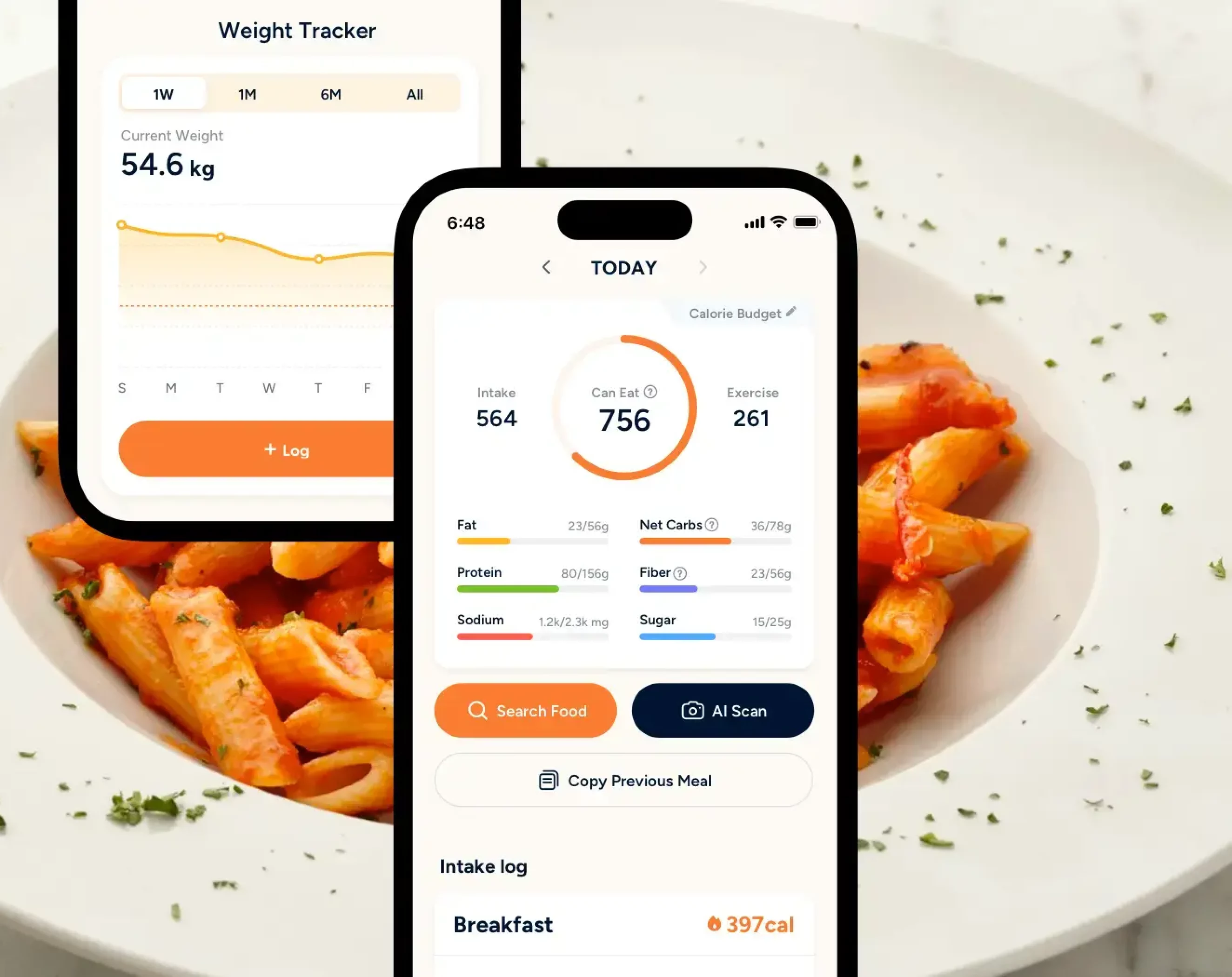
Use Eato‘s calorie counter to track your nutrition, plan meals, and calculate your daily calorie intake so that you can effectively achieve your health goals safely. Try it today for free!

Smarter Nutrition Tracking
Track calories and over 100 other nutrients all in one place.
Download Eato For Free