Key Takeaways of Mushroom Benefits
- Mushrooms are nutrient dense, low calorie foods that provide protein, fiber, B vitamins, vitamin D, minerals, and healthy polyunsaturated fats, while being naturally cholesterol free.
- Despite being plant based, mushrooms contain all essential amino acids and unique compounds like beta glucans and natural statins that support heart and metabolic health.
- Mushroom benefits can support blood sugar control and insulin function, making them especially beneficial for people managing diabetes or cardiovascular risk.
- Many mushroom species show antimicrobial, antiviral, antifungal, and immunomodulatory effects, helping strengthen immune responses and protect against infections.
This might be biased, coming from someone who eats primarily Southeast Asian cuisine, but the best mushrooms (in my opinion) are the maitake mushrooms and cremini mushrooms (baby bellas). They’re versatile, easy to cook and meal prep, and add an insane amount of savoury flavour to any dish. Much less well-known, however, are the health benefits of mushrooms, such as the shiitake mushroom, or even medicinal mushrooms in Chinese culture. Out of over 2000 edible mushroom species that are safe for human consumption, only a small number of them are grown commercially worldwide. Even India, an agricultural powerhouse, only produces 5 different species of mushrooms commonly [1].
Interestingly, the use of edible, wild mushrooms in our daily lives dates back to ancient Rome, where Romans believed eating mushrooms had medicinal properties and could produce superhuman strength, find lost objects, and bring a soul to the realm of the gods. However, in modern times, there is more skepticism about the “superhuman” aspect of the mushroom’s benefits, but the nutritional benefits are undeniable.
Nutritional Value of Mushrooms
Grown on birch trees, mushrooms (like turkey tail) are one of the most common substitutes for protein in vegetarian and vegan, or daily diets due to their protein density, health benefits, and nutritional benefits. Like regular animal-based protein, the mushrooms’ nutritional composition varies by the source species and growing conditions. However, on average, mushrooms contain a large percentage of water (93-95%) [2], which makes them popular in clean eating and low FODMAP diets.
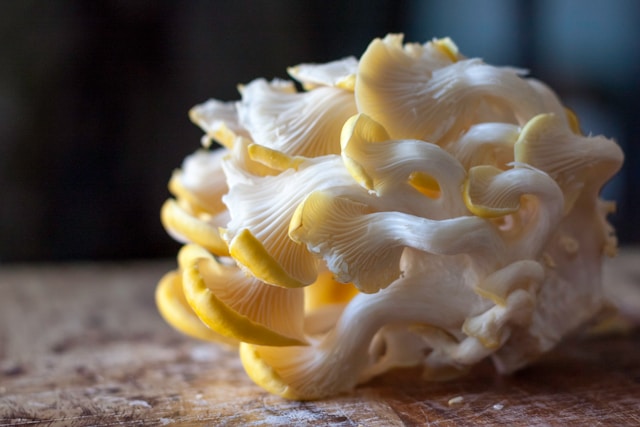
When weighed without taking into account their water content, the mushroom contains various bioactive compounds, as well as the following:
- 56% carbohydrates
- 30% protein
- 2% fat
- 10% ash.
They are naturally cholesterol-free and naturally low in calories. Mushrooms are also richer in iron, potassium, phosphorus, calcium, and copper, and contain meaningful amounts of B vitamin complex and vitamin D, with most of the fat being healthy polyunsaturated fatty acids (72–85%) [2].
| Nutrient (per 100 g fresh) | Mushroom Average | Comparison Food | Nutritional Advantage |
| Calories | 20–40 kcal | Rice: 130 kcal | Low energy density |
| Protein | 2–4 g | Lentils: 9 g | High protein-to-calorie ratio |
| Fat | 0.3–0.4 g | Red Meat: 14 g | Low total fat |
| Carbohydrates | 3–6 g | Potato: 17 g | Low glycemic index |
| Fiber (β-glucan) | 1.5–3 g | Oats: 3 g | Comparable fiber benefit |
| Vitamin D and B-complex | High | Meat/Eggs | Non-animal source |
| Cholesterol | 0 mg | Eggs: 370 mg | Cholesterol-free |
| Minerals | Iron, K, Ca, P, Cu | Mixed vegetables | Higher bioavailability |
Are mushrooms vegetables? Interestingly, mushrooms pass as somewhat of a “hybrid” between plant and animal protein. They contain all eight essential amino acids, high proportions of linoleic acid (63–74%), and natural statins like mevinolin, which support heart health, often absent in cereal-based diets. But are also one of the plant-based sources of vitamin B12 and vitamin D, offering up to 0.65 mg/g, which can fulfill daily requirements for vegetarians.
Mushrooms are also an excellent source of health-boosting vitamins:
- Thiamine (B1)
- Riboflavin (B2)
- Niacin (B3)
- Pantothenic acid (B5)
- Pyridoxine (B6)
- Folic acid (B9)
- Cobalamin (B12), which is unique among non-animal food sources
Additionally, mushrooms also contain the following vitamins:
- Contains vitamin D (as ergosterol, converted by sunlight).
- Small amounts of vitamin C, vitamin E (tocopherols), and provitamin A (β-carotene).
7 Medicinal and Health Benefits of Mushrooms
Eating mushrooms can provide you with Vitamin D, protect red blood cells, and improve blood pressure. However, before we dive into what mushrooms (supplements included) can do for your body, it is important to note that eating certain mushrooms (except lion’s mane) may negatively affect stomach acid levels.
1. Increases Antimicrobial Properties
Antibiotic resistance is one of the biggest health concerns for scientists, especially with the never-ending mutation exacerbated by the overuse and misuse of antibiotics by patients and doctors. When that happens, “superbugs” are evolving at a speed faster than before, leading to a newly mutated variant. Consequently, the microbial resistance to antibiotics has led to the study of mushrooms as a potential natural solution due to their natural habit of protecting themselves by producing antimicrobial substances and healthy bacteria [1].
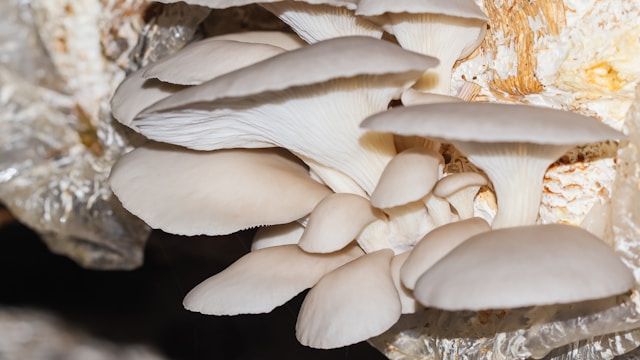
The mushroom cap and stem (fruiting body and mycelium) are rich in compounds that have shown possible suppression or even destruction of the growth of harmful fungi and organisms.
| Mushroom Species | Target Microbe | Compound/Effect | Mushroom Benefits |
| Lentinula edodes (Shiitake) | Various bacteria | Phenolic and quinoid compounds | 7–20 mm inhibition zones |
| Pleurotus florida | Fungi & bacteria | Antifungal proteins | Moderate inhibition |
| Russula delica, Fistulina hepatica | Gram-positive bacteria | Secondary metabolites | Strong antibacterial activity |
| Ganoderma spp. | Fungi | Triterpenoids | Antifungal effect |
2. Strengthens Immune System
Mushrooms can also potentially help to increase the strength of your immune system through complex molecules called “immunomodulators”, which activate the immune cells and trigger defence responses when your body is reacting to an “intruder” of your immune system. This mechanism is similar to when your body detects potential human cancer cell growth [1].
These immunomodulators contain proteins, peptides, lipopolysaccharides, glycoproteins, and polysaccharides, all of which support immune function for your immune system.
- Proteins and peptides are small building blocks that signal immune cells
- Lipopolysaccharides and glycoproteins are molecules made of sugars and fats or sugars and proteins.
- Polysaccharides are long sugar chains that have strong immune-boosting effects.
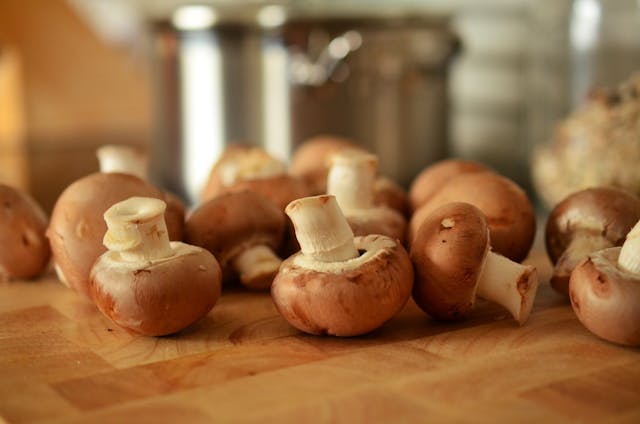
Although they may differ in structure, the mushroom polysaccharides can activate the innate and adaptive immunity in your body. In innate immunity, you have the fast-acting cells like the NK cells and dendritic cells, whereas the adaptive immunity is slower but targeted. In fact, the white button mushroom, which is a common staple in cooking, was found to increase the activity of the natural killer cells in the innate immune system!
Amazingly, in lab and animal studies, complete tumor regression following exposure to specific mushroom extracts has been seen [1].
Below, you can see the different immunomodulators and their functions in the immune system.
| Molecule Type | Biological Function |
| Polysaccharides | Stimulate macrophages and NK cells |
| Glycoproteins | Regulate immune signaling |
| Lectins | Bind to cell receptors to activate immune pathways |
| Polysaccharide–proteins | Enhance immune communication |
3. Protects Body from Parasites and Viruses
Certain mushrooms target parasites and viruses. Omphalotus olearius synthesizes illudin M and S, which destroy protozoa like Plasmodium gallinaceum, a malaria-related organism. Irpex flavus exhibits similar antiparasitic results.
| Mushroom | Compound | Target Organism | Mushroom Benefits |
| Omphalotus olearius | Illudin M & S | Plasmodium gallinaceum | Kills protozoa |
| Ganoderma lucidum | Polysaccharides | HIV, Hepatitis B, EBV | Antiviral activity |
| Lentinus edodes | Polysaccharide fraction | Influenza virus | Inhibits viral replication |
4. Decreases Risk of Cancer and Tumors
Rather than directly killing cancer cells, some mushrooms activate immune responses that suppress tumor growth and spread. The health benefits of mushrooms can influence both immune signaling and cell metabolism [1].
For example, the puffball mushroom produces a tumor growth inhibitor called calvacin, and Maitake mushrooms are the strongest anti-tumor mushrooms amongst their other edible mushrooms. It has also been reported that women who consumed more mushrooms had significantly lower cancer risk and breast cancer cells, especially those with hormone-sensitive tumors.
| Compound Type | Function in Control and Cancer Prevention |
| Polysaccharides | Stimulate an immune attack on tumor cells |
| Terpenoids | Regulate the cell cycle and inhibit metastasis |
| Phenolics | Neutralize DNA-damaging free radicals |
| Proteins/Enzymes | Block cell division and trigger apoptosis |
5. Increases Antioxidants
Antioxidants neutralise reactive oxygen species (ROS) that cause cell damage. Mushrooms, being rich in phenolics, flavonoids, carotenoids, and polysaccharides, are excellent sources of natural antioxidants for a healthy immune system.
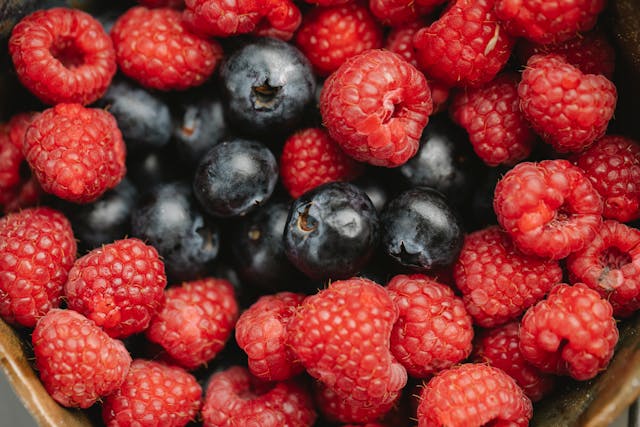
Antioxidants, such as blueberries and mushrooms, can help reduce the risk of chronic diseases caused by oxidative stress. In a study with over 358 women with breast cancer and 360 healthy women, results showed that: Higher mushroom consumption was linked to a lower risk of breast cancer, especially in premenopausal women. The protective effect was stronger in women whose tumors were hormone-receptor-positive, meaning their cancers respond to estrogen or progesterone [1].
| Parameter | Typical Range | Example |
| Phenolic content | 3.2–10.7 mg GAE/g | Russula cyanoxantha highest activity |
| Flavonoid level | 2.5–4.8 mg/mL | Pleurotus ostreatus moderate |
| Vitamin C, Vitamin D | 0.06–0.21 mg/mL | Antioxidant cofactor |
6. Improves Heart Health and Cholesterol
Mushrooms help maintain heart health by reducing LDL cholesterol, preventing oxidation, and improving fat metabolism [1]. Why is this important? Well, high cholesterol, especially LDL (low-density lipoprotein) cholesterol, plays a major role in heart diseases such as atherosclerosis, where fatty deposits clog arteries. When LDL cholesterol becomes oxidized, it damages red blood cells and blood vessel walls, leading to plaque buildup, narrowed arteries, and increased risk of heart attack or stroke.
| Species | Key Compound | Mushroom Benefits |
| Termitomyces microcarpus | Dietary fiber | Lowers total cholesterol & triglycerides |
| Lentinula edodes | Eritadenine | Accelerates cholesterol breakdown |
| Grifola frondosa, Auricularia auricula-judae | Exopolymers | Lower blood lipids |
| Hericium erinaceus | Polysaccharides | Enhance liver fat metabolism |
One of the most common mushrooms, the Shiitake mushroom (beloved across many cuisines), contains “Eratadenine”. Although not used commonly as a medicinal mushroom, the Eratadenine that it contains lowers cholesterol by accelerating the breakdown and extraction of cholesterol. Specifically in mice, Eritadenine also appears to improve liver enzyme activity that supports fat metabolism.
To sum it up:
- Lower total serum cholesterol.
- Reduce LDL (“bad”) cholesterol.
- Improve the HDL (“good”) cholesterol to LDL ratio.
- Decrease triglycerides, which are fats stored in the body that contribute to heart disease when elevated.
7. Improves Diabetes
The health benefits of mushrooms don’t stop at lowering cholesterol. These treasured mushrooms somehow also promote health and benefit those who are diagnosed with diabetes!
Diabetes mellitus is a long-term metabolic disorder where the body struggles to regulate blood sugar (glucose) levels [1]. This happens when:
- The pancreas doesn’t produce enough insulin (Type 1 diabetes), or
- The body becomes resistant to insulin (Type 2 diabetes).
At a glance, mushrooms are ideal for managing diabetes because they are low in calories, fats, and carbohydrates. Looking deeper, they also contain bioactive compounds (like lectins and beta-glucan) that improve glucose control and insulin function. These mushrooms include the white button mushroom, shaggy mane mushroom, caterpillar fungus, chaga mushroom, reishi, and oyster mushrooms, which all contain natural hypoglycemic agents.
| Compound / Action | Mushroom Benefits | Mushroom Source |
| β-glucan | Enhances insulin secretion, slows glucose absorption | Pleurotus, Ganoderma |
| Lectins | Stimulate insulin release from the pancreas | Agaricus bisporus |
| Polysaccharides | Repair pancreatic β-cells | Tremella fuciformis |
| Antioxidants | Reduce oxidative stress | Cordyceps sinensis |
Studies (Cho et al., 2007; Rushita et al., 2013) confirmed that mushroom extracts decrease fasting glucose, increase insulin, and improve kidney markers in diabetic models.
Final Takeaway: Eat Your Mushrooms
Both fresh and dried mushrooms are the cornerstone of many cuisines, no matter how you eat them, sautéed with olive oil, boiled in traditional Chinese medicines, fried in stir fries, or even raw. From supplement-form medicinal mushrooms in traditional medicine herbal stores, to the lion’s mane and turkey tail in supermarkets, eating mushrooms has health benefits that scientists are continuously studying even today. Discoveries are continuously being made on mushrooms as medicinal food for their therapeutic properties, and how they can benefit medicine, science, and the human body.
With this superfood, add mushrooms to make your health journey easier, regulate your nervous system, improve high blood pressure, immune function, and brain health, and make achieving your nutritional goals easier than ever. Just make sure you ask yourself, “Are these mushrooms safe for consumption?” if you are picking wild mushrooms!
The Eato app can help you in multiple facets of your health, including tracking nutrition, planning meals, and calculating your daily calorie intake so that you can effectively achieve your health goals safely. Try it today for free, and pay only when you are ready to commit!

Smarter Nutrition Tracking
Track calories and over 100 other nutrients all in one place.
Download Eato For Free