Stone fruit, otherwise known as drupes, is extremely popular due to its versatility in cooking, baking, or just eating them fresh in a salad with other vegetables when ripe. They can be used in fresh salsas and chutneys, often combined with ingredients like jalapeños and lime. Common cooking applications for stone fruits include pies, tarts, cobblers, crisps, and upside-down cakes.
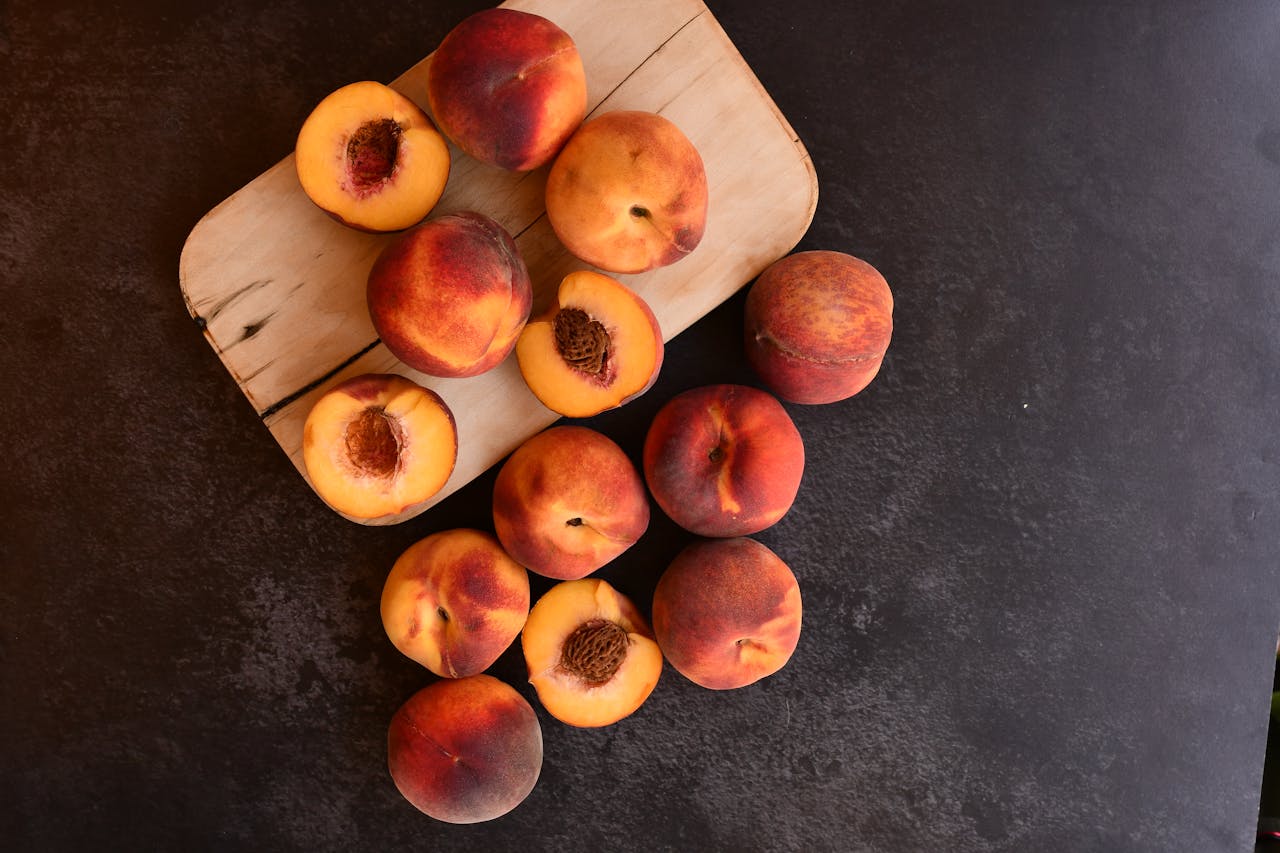
They are also popular as kitchen counter decor, with these fruits providing a gorgeous blend of red, yellow, and purple, especially in the summer months.
Key Takeaways
- Stone fruits, also called drupes, have a hard pit surrounded by juicy flesh.
- They are rich in water, fiber, vitamins A and C, potassium, and antioxidants, while being naturally low in fat and calories.
- Stone fruits contain phenolics, anthocyanins, and carotenoids that help fight oxidative stress, reduce inflammation, and support recovery, heart health, and long term disease prevention.
- They can be eaten fresh, baked, cooked, dried, or used in salads and desserts.
What Are Stone Fruits?
As species of the Prunus Genus, the Rosaceae family, stone fruits have a unique, 3-layer structure. Starting from the inner shell (endocarp), colloquially known as the “hard pit”, they have two other layers, including the juicy middle layer (mesocarp) and the thin outer layer (exocarp). The exocarp tends to be thin, fuzzy, or smooth.
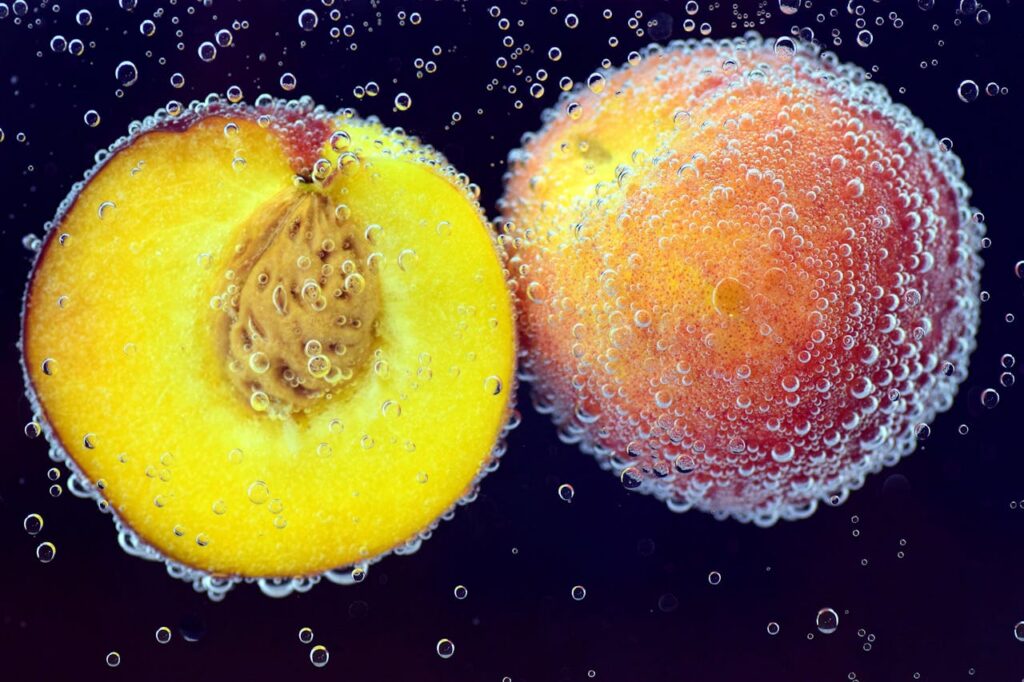
Interestingly, stone fruits can be classified as either clingstone, where the flesh sticks firmly to the pit, or freestone, where the flesh separates easily from the pit, or even semi-freestone, where it is in between both. Most of their pits are inedible, except for a small minority.
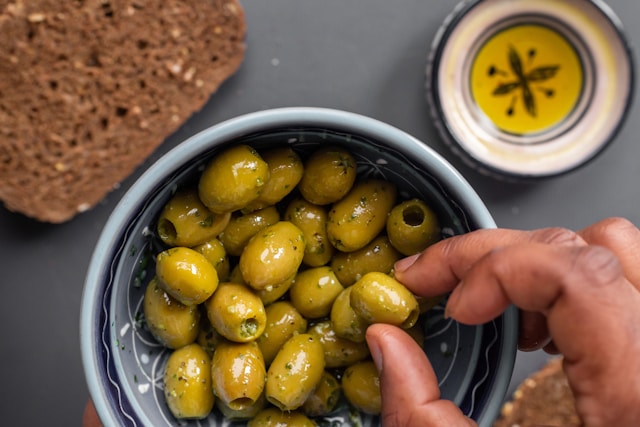
Common examples of stone fruits include peaches, nectarines, plums, apricots, and cherries. Mangoes, lychees, and olives are also classified as stone fruits.

Smarter Nutrition Tracking
Track calories and over 100 other nutrients all in one place.
Download Eato For FreeNutritional Composition of Stone Fruits
These are the most common types of stone fruits available, and their nutritional composition helps suit your dietary needs.
| Fruit | Carbs | Fat | Protein | Vitamin C | Key Minerals | Key Antioxidants | Notes |
| Peach | 12 g per 130 g fruit | Very low | Low | 1 to 14 mg/100 g | Modest K | Phenolics, carotenoids | White translucent fleshed types contain more vitamin C |
| Plum | 9.6 to 29 percent sugars | Low | Low | 4 to 6 mg/100 g | High K, Ca, Mg | Neochlorogenic acid, chlorogenic acid, anthocyanins | Peel has 20 times more antioxidants than flesh |
| Cherry | 12.2 to 17 g/100 g | Less than 1 g | 0.8 to 1.4 g | 6 to 27 mg/100 g | K 200 to 260 mg | Anthocyanins, flavonols | Sour, tart types contain far more vitamin A |
| Apricot | 11 to 13 percent carbs in kernel | Low | 1.5 to 2.4 g | Up to 100 mg/100 g DW | K, P, Mg | Catechin, rutin, chlorogenic acid | Kernel oil 32 to 44 percent |
| Almond | 55 percent carbs | 44 to 61 percent fat | 16 to 31 percent | Low | High Mg, Ca | Flavonoids in skin | Contains oleic and linoleic acids |
| Walnut | 9 to 19 percent carbs | 60 to 70 percent fat | 10 to 24 percent | 1.3 mg/100 g | K 390 to 700 mg | Ellagic acid, ALA omega 3 | Only nut with high ALA |
| Mango | 4.5 to 27 g carbs depending on cultivar | 0.8 to 1.7 percent | Moderate | 9.8 to 186 mg/100 g | High K, Ca | Mangiferin, carotenoids | Peel has far more vitamin E than pulp |
| Jujube | 50 to 87 g/kg in dried fruits | 0.07 to 1 percent | 0.8 to 4 g/kg | 192 to 559 mg/100 g | High K, P, Ca | Vitamin C increases and then drops with maturity | Vitamin C increases then drops with maturity |
8 Types of Stone Fruit
1. Peaches and Nectarines
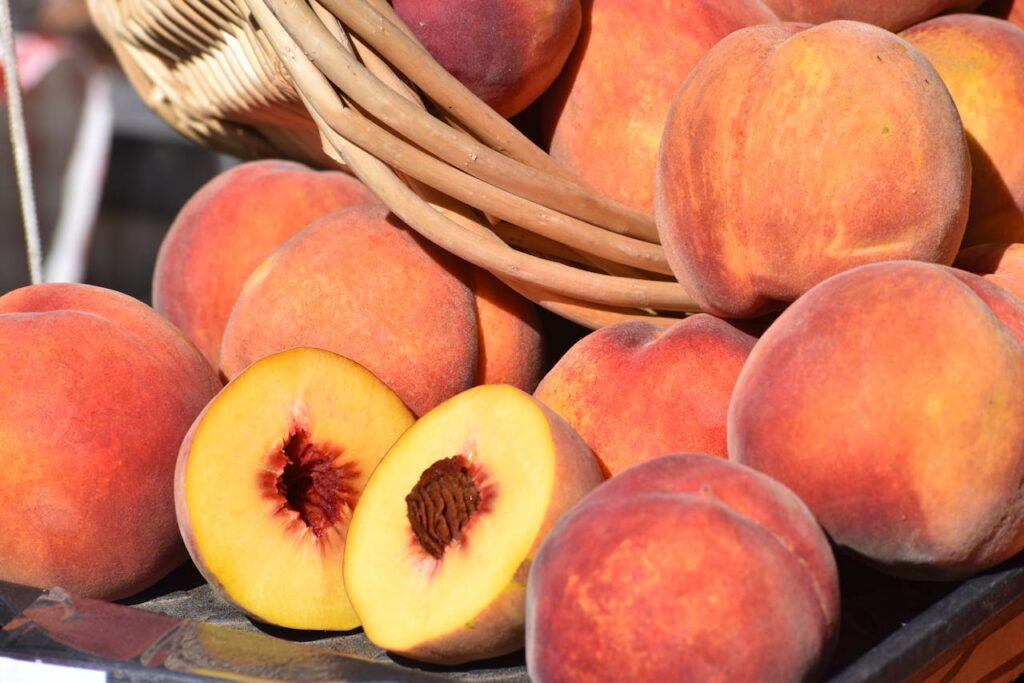
Tracing back to ancient China, peaches and nectarines were cultivated more than four thousand years ago, but proliferated throughout Persia along major trade routes. Eventually, they made their way to Greece, Rome, and the Americas, where they remain popular to this day [1].
Peaches and nectarines nutrition
Nutritionally, peaches and nectarines are high in antioxidants:
| Category | Key Details |
| Carbohydrates | About 12 g per 130 g fruit |
| Vitamin C | About 1 to 14 mg per 100 g |
| Fiber | About 1.9 to 3.9 g per 100 g |
| Key Phytochemicals | Carotenoids, phenolic compounds |
| Antioxidant Capacity | Red fleshed types can reach about 13505 mg Trolox per g |
These fruits are popular in acai bowls or even the oatmeal diet, as they contain nutrients that collectively support immunity, eye health, digestive balance, and reduced inflammation. Fiber helps maintain steadier blood sugar levels, vitamin C boosts immune function and collagen formation, and carotenoids help shield cells from oxidative stress.
2. Plums
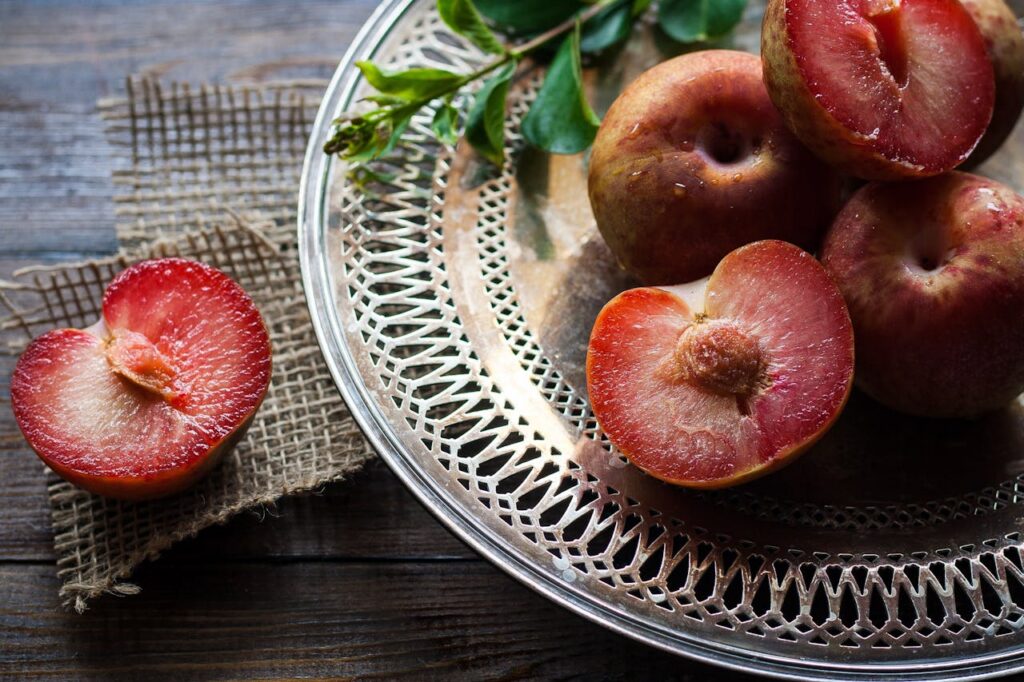
Plums have one of the widest geographic origin stories among stone fruits. European plums trace their roots to Europe, while Myrobalan plums originated in Western and Central Asia, especially the Caucasus and Crimea regions. Japanese plums began in China, and several native species grew across North America, including P. americana and P. angustifolia [1].
Plums nutrition
| Category | Key Details |
| Total Sugars | About 9.63 to 29.47 percent |
| Vitamin C | About 4 to 6 mg per 100 g |
| Potassium | About 157 mg per 100 g |
| Phenolics | Up to 841 mg GAE per 100 g |
| Fiber in Prunes | About 7.1 g per 100 g |
Plums and prunes pack in a surprising amount of potassium, which plays an important role in blood pressure control and overall heart function. For instance, prunes stand out for their high fiber content, which supports smoother digestion and helps prevent constipation. Dark colored plums contain anthocyanins, which protect cells from oxidative damage. Even the peel does serious heavy lifting since it contains up to twenty times more antioxidants than the flesh.
3. Apricot
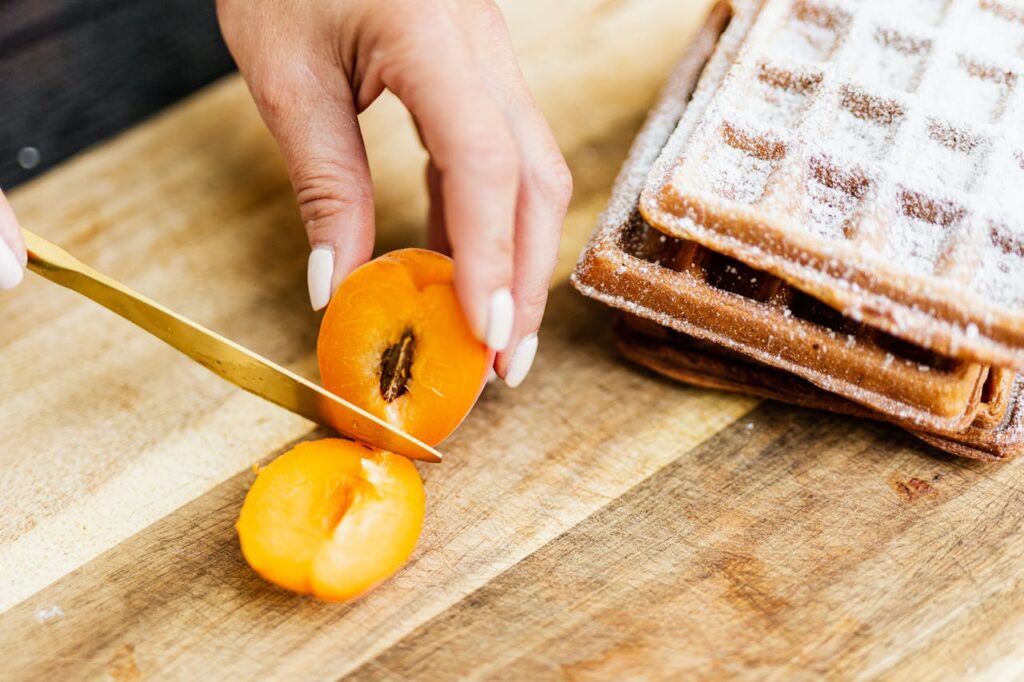
Apricots have a long and layered history that stretches across several major cultural regions. Most cultivated apricots belong to Prunus armeniaca, which was first grown in China more than three thousand years ago before spreading across Central Asia into the Mediterranean.
- Carbs 11 to 13 percent in kernel. Fiber 1.5 to 2.4 g. Vitamin C up to 100 mg/100 g DW. Carotenoids up to 16500 micrograms/100 g.
- Very strong vitamin A activity for eye health.
- Antioxidant-rich fruits support reduced chronic disease risk. Fiber supports digestion.
Apricot nutrition
| Category | Key Details |
| Fiber | About 1.5 to 2.4 g per 100 g |
| Vitamin C | Can reach up to 100 mg per 100 g dry weight |
| Carotenoids | About 1512 to 16500 micrograms per 100 g |
| Kernel Carbohydrates | About 11 to 13 percent |
| Kernel Oil | About 32 to 44 percent oil, rich in oleic and linoleic acids |
Apricots, plums, and dates are commonly dried to concentrate their flavor for use in snacks or baked goods. Apricots are known for their strong provitamin A activity, which plays a major role in maintaining healthy vision and skin. The fruit contains phenolic compounds such as catechin and rutin that help fight oxidative stress [1]. The kernels are just as interesting, since they contain a blend of oleic and linoleic acids that contribute to heart health.
4. Cherry
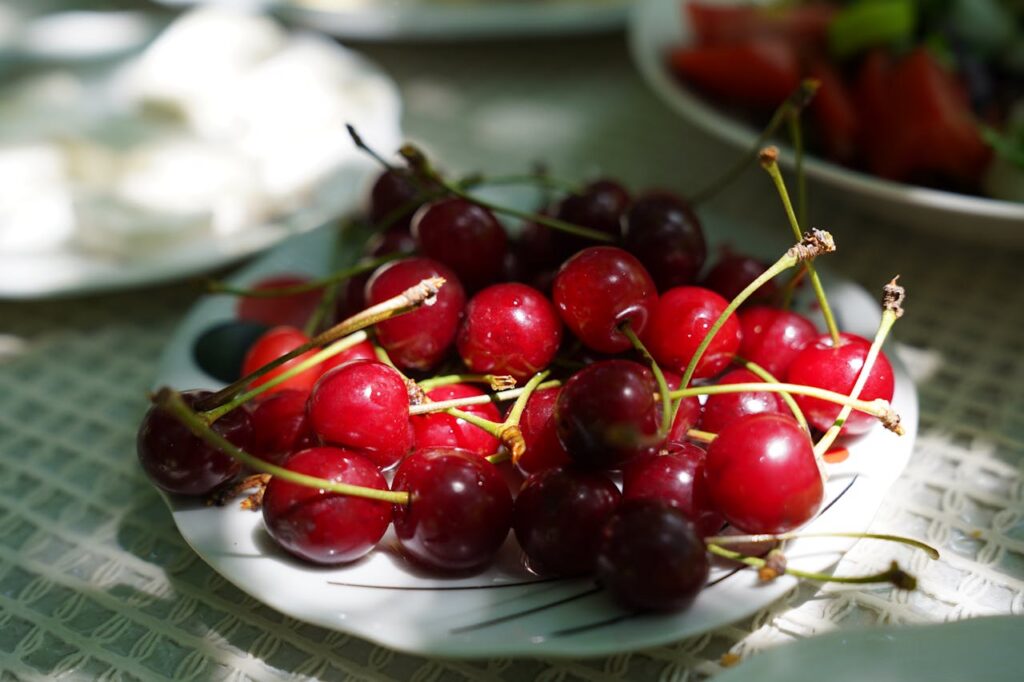
Fresh cherries have a deep and complex origin story that spans several regions around the Caspian and Black Seas. Sweet cherry, sour cherry, and ground cherry species likely emerged in areas that cover Asia Minor, Anatolia, the Southern Caucasus, and Northern Iran. Cherries are best for pies and desserts when they are sour, while sweet cherries are perfect for snacking.
Interestingly, the sour cherry we know today is believed to have originated from hybridization between sweet cherry and ground cherry, and historical records suggest this stone fruit was carried into Eastern Europe by migrating Slavic tribes [1].
Cherry nutrition
| Category | Key Details |
| Carbohydrates | About 12.2 to 17 g per 100 g |
| Vitamin C | About 6 to 27 mg per 100 g |
| Potassium | About 200 to 260 mg per 100 g |
| Anthocyanins | Up to 100 mg per 100 g in some sour clones |
| Fat Content | Less than 1 g per 100 g |
Anthocyanins, which reduce inflammation levels, muscle soreness, and recovery after physical activity, are potent in cherries. Provitamin A is also found in cherries, specifically in the sour varieties. This vitamin supports vision, and potassium, also found in tart cherries, maintains a healthy heart rhythm and proper nerve function.
5. Almond
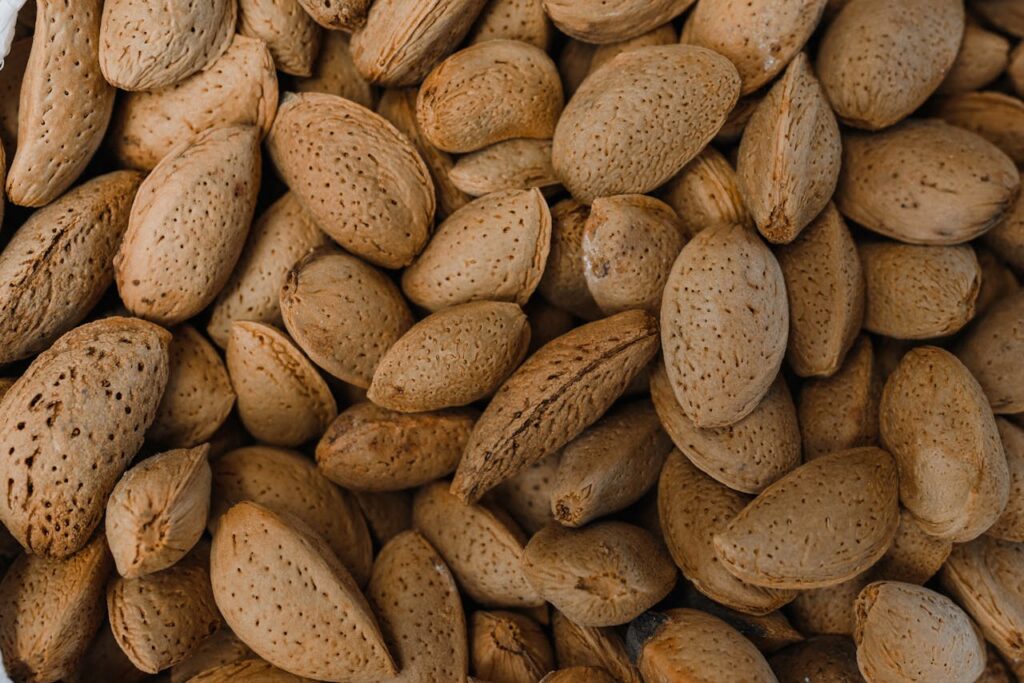
Interestingly, despite not being a fruit, some nuts are also drupes, aka stone fruits. Almonds, walnuts, and pecans are such examples. What we know as the “nut” is actually the seed inside a hard stone. For instance, the almond nut is actually the edible seed of the lesser-known almond fruit.
Almond nutrition
| Category | Key Details |
| Fat | About 44 to 61 percent |
| Protein | About 16 to 31 percent |
| Carbohydrates | About 55 percent |
| Oleic Acid | About 59 to 73 percent |
| Linoleic Acid | About 19 to 33 percent |
| Key Vitamins | Riboflavin and niacin present, plus vitamin E |
Almonds are rich in monounsaturated fats, especially oleic acid, which plays a major role in improving cholesterol ratios by lowering LDL and supporting higher HDL levels. Their strong protein content helps with satiety, muscle maintenance, and tissue repair. Almonds also contain vitamin E, which protects cells from oxidative stress and supports healthy skin [1].
6. Walnut
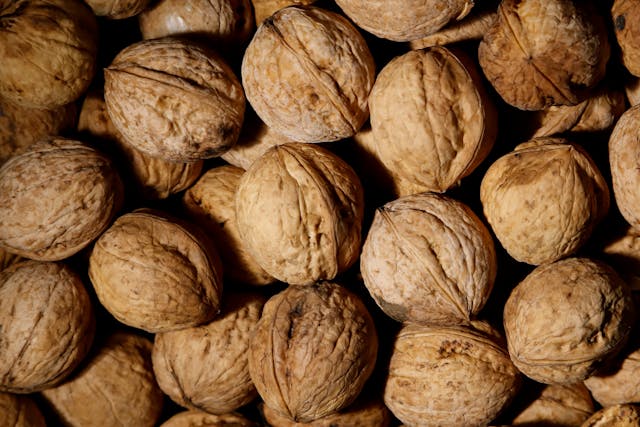
The walnut is a unique part of the human diet, being one of the few plant-based sources of alpha-linolenic acid, crucial in heart-healthy diets.
Walnut nutrition
| Category | Key Details |
| Fat | About 60 to 70 percent |
| Protein | About 13.6 to 18.1 g per 100 g dry matter |
| Potassium | About 390 to 700 mg per 100 g |
| ALA Omega 3 | About 8 to 14 percent of total fat |
| Key Phytochemicals | Ellagic acid, catechin, phytic acid |
Their high omega-3 content lowers triglycerides and reduces long-term cardiovascular risk, alongside other antioxidants contained within the seed. They also contain arginine, which helps blood vessels relax, and minerals like magnesium and potassium to stabilise blood pressure.
7. Mango

Mangoes, with different stages of ripeness and varieties used in different cuisines, are arguably one of the best stone fruits. With its striking yellow color when ripe, this fruit has been used for thousands of years in culinary and medicinal purposes.
Mango nutrition
| Category | Key Details |
| Carbohydrates | About 4.49 to 27 g per 100 g depending on cultivar |
| Vitamin C | About 9.8 to 186 mg per 100 g |
| Vitamin A | About 1000 to 6000 IU |
| Peel Vitamin E | About 205 to 509 micrograms per g |
| Key Polyphenols | Quercetin, gallic acid, mangiferin |
Their high vitamin A and C content supports vision, skin, immunity, and reduces oxidative stress, similar to other stone fruits. However, mangiferin, unique to mangoes, is a polyphenol that is also anti-diabetic on top of being anti-inflammatory and antioxidant [1]. Even the peel that most people commonly discard is high in phenols.
8. Jujube
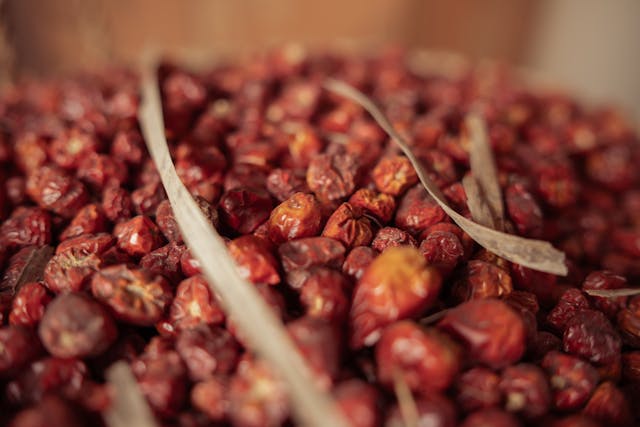
Jujube, often called red Chinese date, has been part of Asian diets and traditional medicine for thousands of years. Are dates good for diabetics? Well, this stone fruit gained its reputation through both its strong nutrient profile and its cultural role as a restorative fruit used for calming the mind, supporting immunity, and improving overall vitality.
Jujube nutrition
| Category | Key Details |
| Vitamin C | About 192 to 559 mg per 100 g |
| Sugars (Dried) | About 50.3 to 86.9 g per kg |
| Phenolics | Phenolic acids such as caffeic, ferulic, and p-coumaric |
| Fiber | About 0.57 to 2.79 percent soluble, 5.24 to 7.18 percent insoluble |
| Minerals | High in potassium, phosphorus, manganese, and calcium |
Jujube is one of the richest natural sources of vitamin C. Its phenolic acids help fight inflammation and oxidative stress [1]. In many cultures, jujube is traditionally used to support stress relief and sleep because some of its bioactive compounds interact with neurotransmitter systems. The mineral profile, which includes potassium, phosphorus, manganese, and calcium, also contributes to stronger bones and better long-term metabolic balance.
5 Health Benefits of Stone Fruits
Stone fruits provide:
- high antioxidants,
- blood sugar regulation,
- cardiovascular support,
- potential anti-cancer benefits
- anti-inflammatory benefits.
1. Antioxidant Effects
- Stone fruits show high antioxidant capacity.
- Plums and cherries rank among the highest antioxidant fruits.
Stone fruits are celebrated for their antioxidant capacity, primarily due to their phenolic content. In peaches, nectarines, and plums, phenolic compounds are the main source of antioxidant activity, and plums contain high levels of polyphenolics, including chlorogenic acid and catechin.
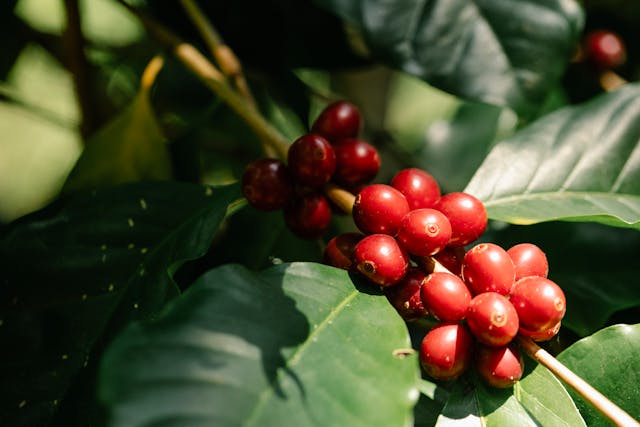
Apricots and cherries also boast potent phenolic profiles, with cherries especially rich in anthocyanins. These antioxidants help neutralize free radicals, protect cellular components, and may reduce oxidative stress. The scientific literature reports antioxidant capacities comparable to berries, sometimes exceeding 1,500 µmol Trolox equivalents per 100 g for certain cherry varieties, though the exact values vary by cultivar and assay [1].
2. Anti-Inflammatory Properties
- Phenolic compounds reduce inflammatory markers.
- Cherry consumption has been linked to a 25 percent reduction.
Chlorogenic acid, abundant in many stone fruits, exhibits anti‑inflammatory, anticancer, antioxidant, antidiabetic, and antihypertensive activities. Anthocyanins also display anti‑inflammatory and neuroprotective properties. In in vitro and ex vivo studies, extracts from Prunus persica have been shown to reduce inflammatory markers and oxidative stress. The anti‑inflammatory potential of stone fruits translates into reduced C‑reactive protein (CRP) levels and improved recovery in small human trials.
3. Anti Diabetic and Blood Sugar–Regulating Effects
- Stone fruits inhibit enzymes such as alpha amylase and alpha-glucosidase, slowing carbohydrate absorption.
- Inhibition rates reached about 70 %, rivalling pharmaceutical inhibitors [1].
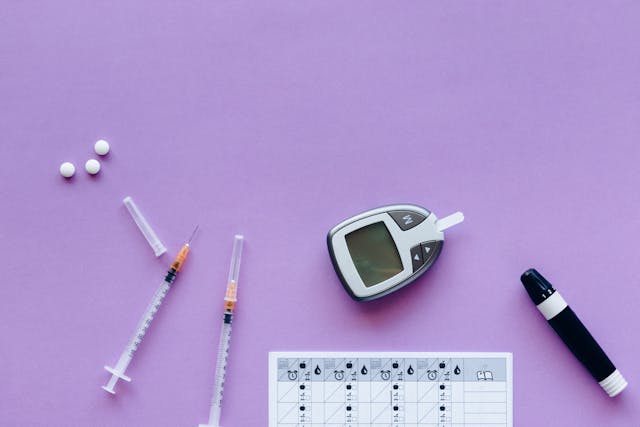
Many polyphenols from stone fruits inhibit carbohydrate‑digesting enzymes. Chlorogenic acid, for example, has antidiabetic properties. Researchers have shown that extracts from peaches and plums can significantly inhibit α‑glucosidase, slowing the breakdown of starches and reducing post‑meal blood sugar spikes.
4. Cardiovascular Benefits
- Almond intake, for example, can lower cardiovascular disease risk
- Plums and peaches also show potential for reducing low‑density lipoprotein (LDL) oxidation by up to 45%
Polyphenols improve lipid metabolism and reduce oxidative stress. Regular consumption of stone fruits has been associated with improvements in lipid profiles and reductions in oxidative stress. Almond intake, for example, can lower cardiovascular disease risk by modulating plasma lipoproteins, improving satiety, delaying lipid absorption and decreasing inflammation and oxidative stress. Flavonoid‑rich plums and peaches also show potential for reducing low‑density lipoprotein (LDL) oxidation a key step in atherosclerosis progression and for improving endothelial function. Animal studies have even reported that peach consumption protects tissues from nicotine‑induced oxidative damage.
5. Potential Anti Cancer Properties
- Some stone fruits (notably peaches and plums) contain compounds that induce apoptosis in cancer cells.
- Peach phenols showed 50 percent or greater reduction in breast cancer cell viability without harming healthy cells [1].
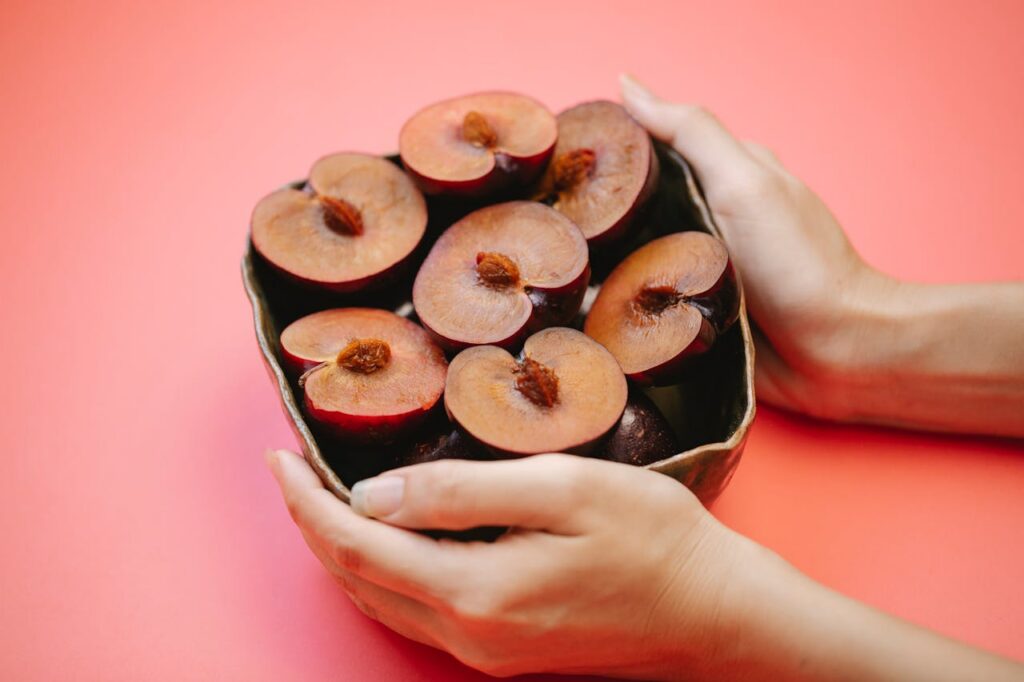
Laboratory studies show that phenolic extracts from peaches, plums and cherries can induce apoptosis (programmed cell death) in various cancer cell lines while sparing normal cells. Chlorogenic acid displays anticancer activity and anthocyanins prevent tumor development by inhibiting cancer cell proliferation. Such findings are promising, although more clinical research is needed to confirm these effects in humans.
6 Key Nutritional Components of Stone Fruit
1. Macronutrients
- Fresh, ripe fruit typically contains 80 to 90 percent water and low fat content, and high macronutrient levels.
- Carbohydrates mainly include sucrose, fructose, and glucose.
Macronutrients include primary carbohydrates, such as sucrose, fructose, and glucose, which are essential in building and repairing your body’s tissues for it to function at normal levels. The flesh of most stone fruits is predominantly water. Fresh peach and plum flesh, for example, is about 80–90% water, with only trace amounts of fat.
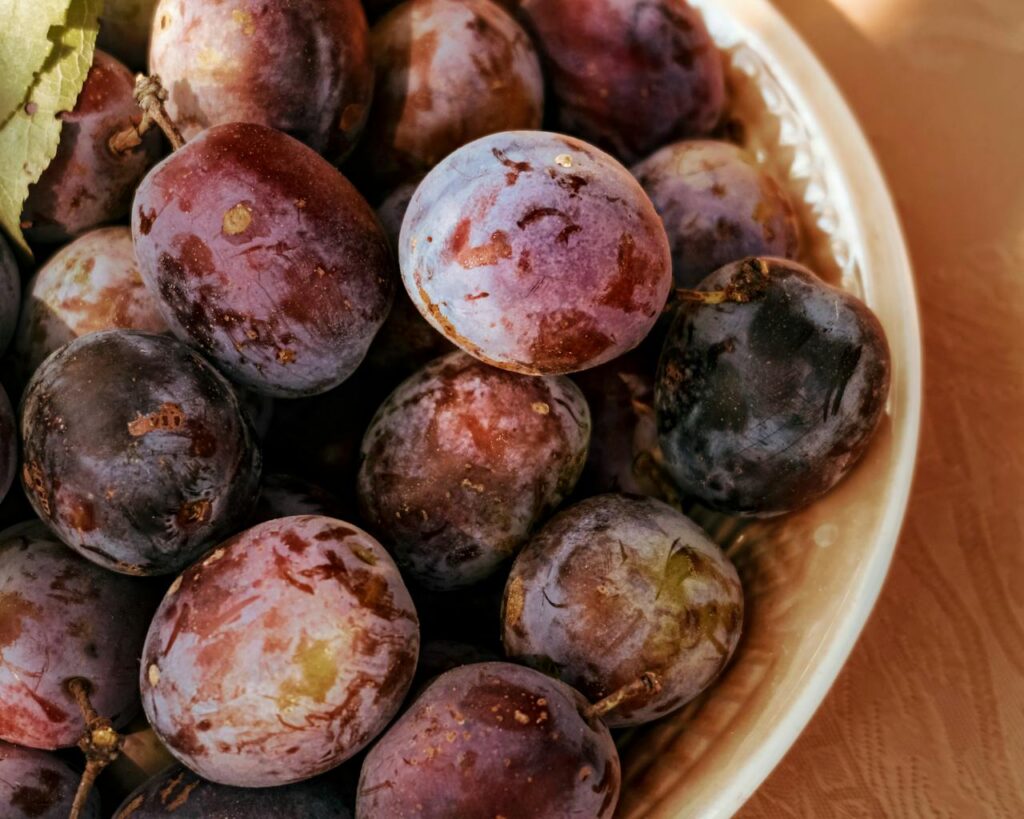
Because the total fat content is negligible, these fruits are naturally low‑calorie snacks that can fit into most dietary patterns. Almonds are the exception: the kernels contain 3–9 % amygdalin (a cyanogenic glycoside) but are also rich in monounsaturated fats and provide 20–25 % protein [1].
2. Micronutrients
- Rich in micronutrients such as vitamins A, C, E, potassium, and dietary fiber.
- Almonds contain 20 to 25 percent protein and are high in monounsaturated fats.
Micronutrients are used by the body in small amounts for cell growth and immune response, and even for organ functionality. Apricots are particularly rich in beta‑carotene (a precursor to vitamin A), with this carotenoid accounting for 60–70 % of their total carotenoid content. On the other hand, almonds provide tocopherols (vitamin E), including α‑, δ‑, β‑ and γ‑tocopherol, along with potassium and dietary fibre [1].
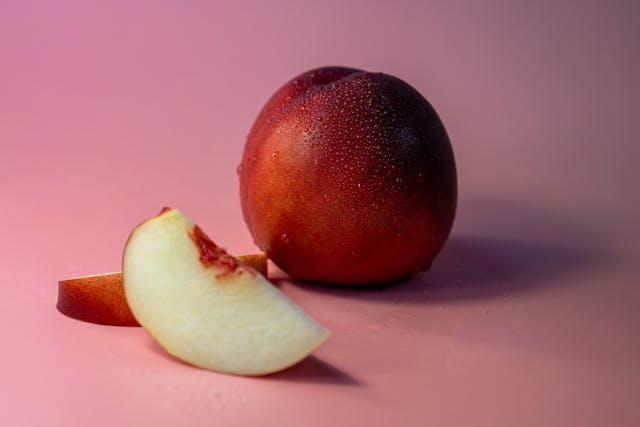
The peel often contains higher concentrations of phenolic compounds, carotenoids, and vitamin C than the flesh; ascorbic acid in peaches, plums, and apricots roughly doubles in the thin peel compared with the pulp.
3. Phenolic Compounds
- Peaches contain 50 to 120 mg gallic acid equivalents per 100 grams, while plums can exceed 200 mg.
Phenolic compounds help with fighting the damage that you may experience with free radicals as an antioxidant, with anti-inflammatory, anti-microbial and even anticancer effects.
Different cultivars can show dramatic variations. In some peach and nectarine varieties, chlorogenic acid can represent 70–90 % of total phenolics.
4. Carotenoids
- Apricots contain high beta carotene, reaching up to 3.1 mg per 100 grams.
- Peaches contain 0.6 to 1.2 mg per 100 grams.
Carotenoids are essential, primarily for eye health.
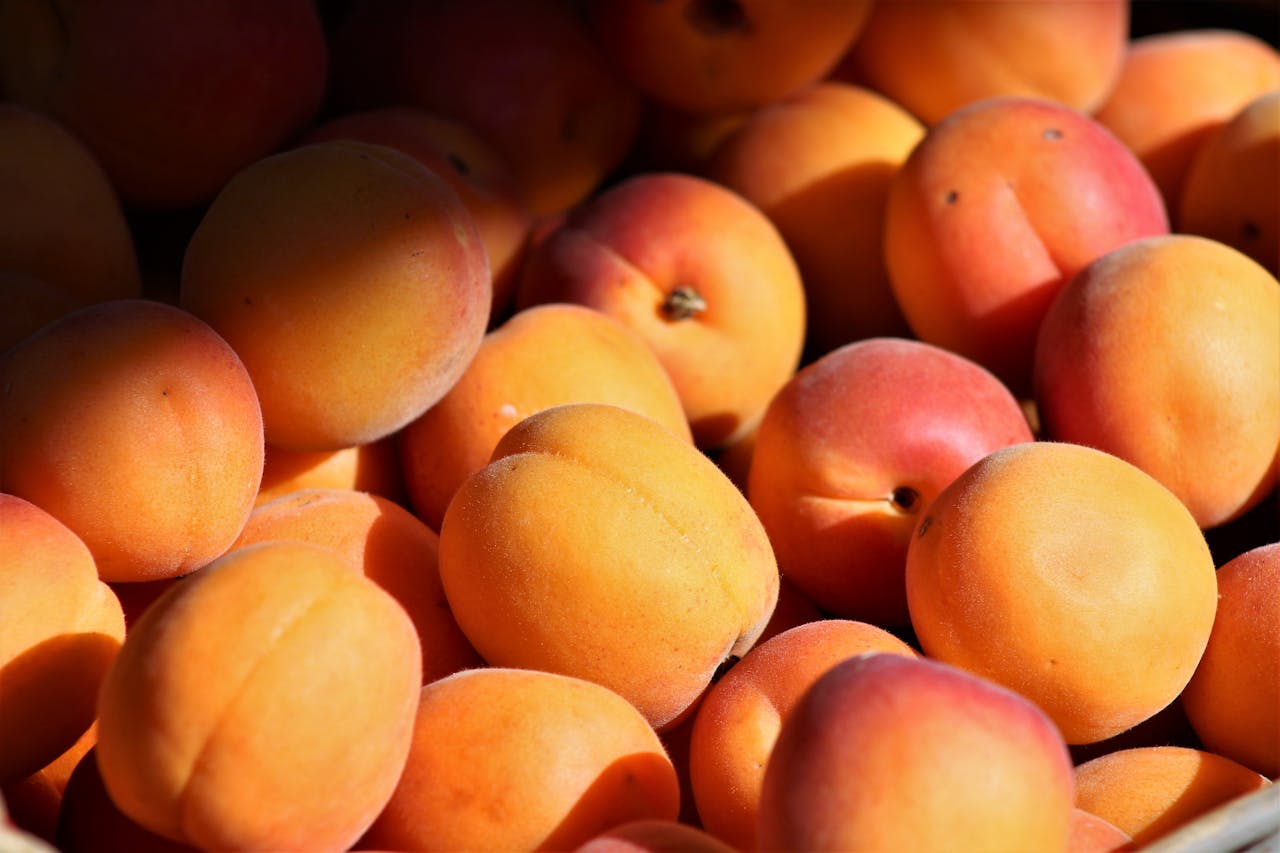
Apricots are among the richest dietary sources of carotenoids. Their orange‑gold flesh gets its hue from beta‑carotene, lutein and phytoene/phytofluene, with beta‑carotene representing 60–70 % of total carotenoids. Peaches contain beta‑carotene and xanthophylls and minor amounts of lutein. Plums provide neoxanthin, lutein and violaxanthin, though they are not as concentrated in carotenoids as apricots.
5. Terpenoids and Volatile Compounds
- Important for aroma and flavor.
- Over 100 volatile terpenoids have been identified across Prunus species.
Terpenoids and volatile compounds serve as antioxidants and antimicrobials in both plants and humans.

The intoxicating aroma of ripe peaches comes from hundreds of volatile compounds, many of them terpenoids. Apricots release more than 200 volatile compounds, with hexanal, (E)‑2‑hexenal, linalool, 1‑hexanol and hexyl acetate among the most abundant. Plums generate fewer volatiles but still contribute
6. Cyanogenic Glycosides
- Found mainly in seeds and kernels (e.g., amygdalin).
Cyanogenic glycosides have the ability to release toxic hydrogen cyanide, which act as a defense against herbivores and pathogens. This is why we don’t consume apple seeds and copious amounts of almonds.
Bitter almonds contain 3–9 % amygdalin, which is responsible for their characteristic marzipan aroma. Amygdalin is mostly removed or reduced during processing, and sweet almonds (those sold as snacks) contain much lower levels [1].

Weight Loss Has Never Been Easier
Get accurate nutrition info instantly. Keep track of your progress.
Download Eato For FreeHow to Ripen Stone Fruit
Most stone fruits are at their peak during the summer months, as stone fruits are susceptible to injury from low winter temperatures. Additionally, stone fruits bloom earlier in the spring than pome fruits, making them vulnerable to spring frost damage. Stone fruit trees are vulnerable to a large number of diseases and insect pests, including brown rot and peach leaf curl.

Most stone fruits are naturally sweet by the time you purchase them, with the fruit ripening from the time it’s been picked. Most stone fruits are picked unripe to withstand the shipping process. They peak during the summer months from June to August, although some tropical varieties are available year-round. However, if your fruit has not ripened yet, here are some ways you can expedite the ripening process, so that you can eat the fruit or incorporate it into your baking.
How to Pick Stone Fruit
Firstly, you want to pick fruits that are deep in color, and look for those that are fragrant and slightly soft but not mushy in texture. For example, when choosing plums, they should have a deep purple color, with smooth skin or minimal blemishes. This will be slightly different for peaches, which have fuzzy skin. High-quality fruit should have a sweetness to it, and you should be able to get a whiff of its aroma just by holding it close to your nose.

If the fruit is not completely ripe yet, you can place it into a paper bag and out of direct sunlight at room temperature on your counter to accelerate the ripening process. This method will be faster than letting the fruit ripen in the open air. Refrigeration can cause the flesh of stone fruits to turn mealy. Take note to put the paper bag out of areas with high heat, like on top of ovens, as the high heat will denature the enzymes within the fruit and cause it to rot.
This method will work year-round, from late summer to late spring, and will guarantee that your fruits will ripen into a juicy snack with a creamy texture to be used in your smoothies, salads, or baking.
Final Words: Why Stone Fruits Deserve a Place on Your Plate
They are packed with antioxidants, contribute to blood sugar regulation, support cardiovascular health, and provide anti‑inflammatory benefits. Most stone fruits (if not all) are amazing for your immune system.
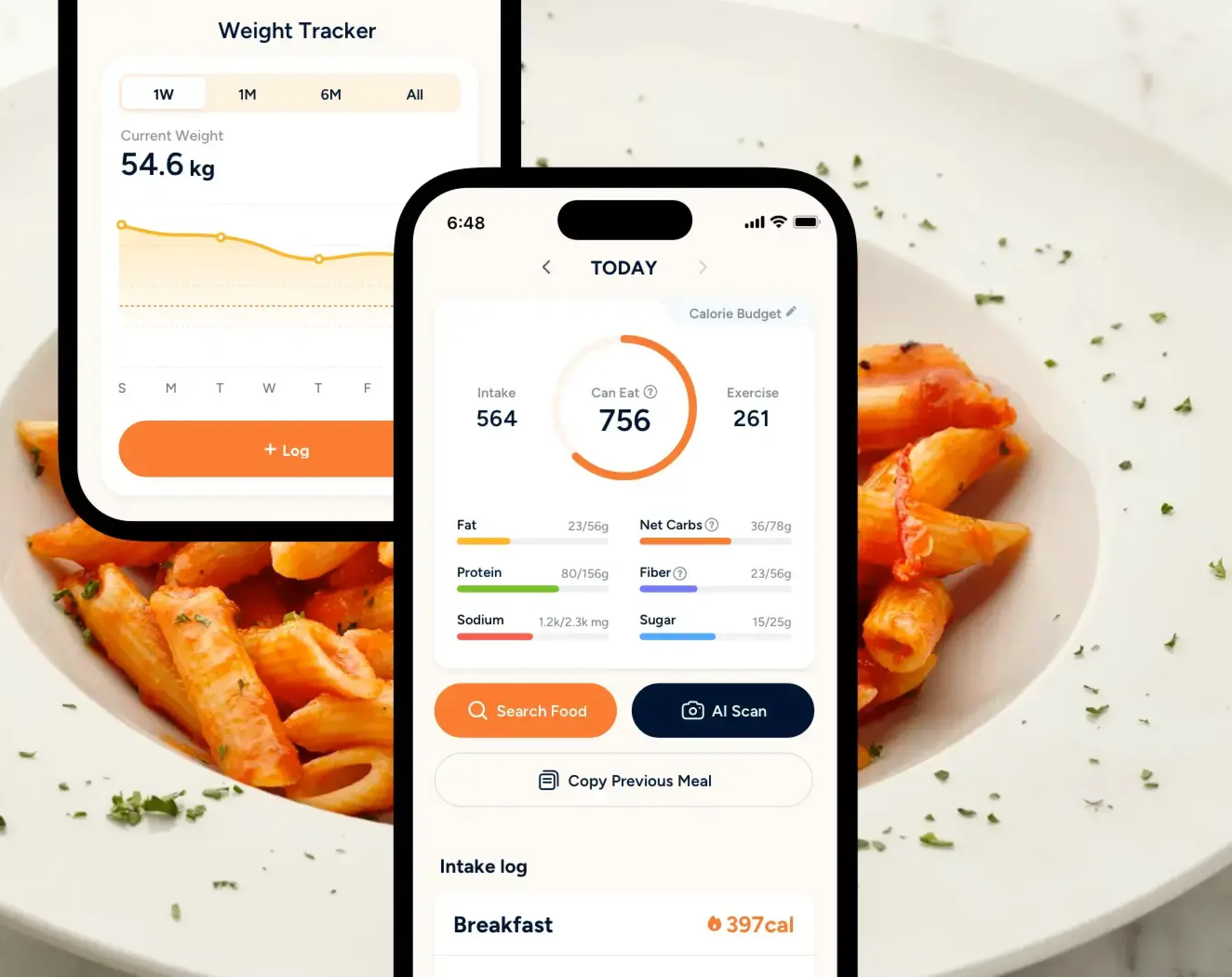
Track your stone fruit intake with the Eato app! Track your nutrition, plan meals, and calculate your daily calorie intake alongside your stone fruit consumption so that you can effectively achieve your health goals safely. Try it today for free!
Smarter Nutrition Tracking
Track calories and over 100 other nutrients all in one place.
Download Eato For Free