Key Takeaways
- Extra virgin olive oil, or EVOO, is generally the best olive oil for health because it is less processed and retains more polyphenols, antioxidants, and natural flavour compounds.
- Early harvest and high polyphenol oils may contain more beneficial antioxidant compounds than refined olive oil.
- Look for oil that is mechanically extracted, stored in a dark glass bottle, and labelled with a clear harvest date, country of origin, and quality certification.
Looking for the best olive oil for health benefits or looking for a healthy fat for your SIBO diet? Buying olive oil may not be easy considering markets like Trader Joe’s seem to have walls of olive oil. Additionally, it’s hard to differentiate what authentic olive oil looks like, with olive oil being one of the most adulterated foods on the market, after spices. More often than not, products labeled as “extra virgin olive oil” or “EVOO” do not meet standards. These olive oils are mixed with vegetable oil, amid rising costs of olive oil production due to climate change and global warming. Learn how extra- virgin olive oil grade, freshness, polyphenols, packaging, proper storage, and cooking methods affect quality, heart health, and safety.
What Is the Best Olive Oil: Extra Virgin Olive Oil vs. Refined Olive Oil
Extra virgin olive oil is generally considered the best olive oil for health benefits among the various olive oil grades. It sits at the top of a quality hierarchy defined by how the oil is extracted, processed, and assessed for chemical and sensory defects. It is also a common ingredient for clean eating, or in keto snacks.
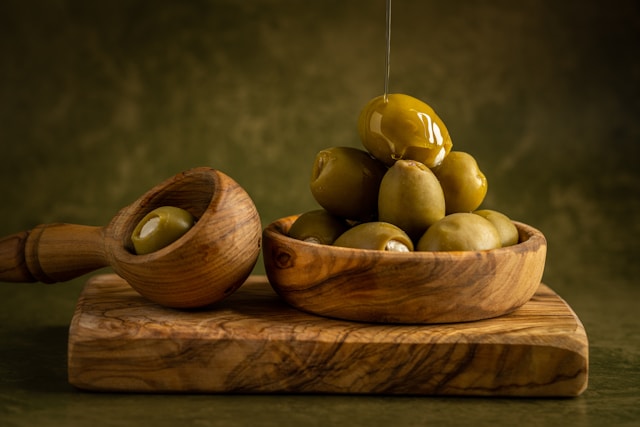
Extra virgin olive oil (EVOO) is made through mechanical extraction. The olives are washed and crushed, either under a mortar wheel or by centrifugation. With EVOO, heat is not used as well as any chemical solvents. They should also have less than 0.8% free acidity and not have any sensory defects [1]. Extra virgin olive oil is considered to be the highest quality grade available for olive oil, as compared to virgin-grade or refined olive oil. The limited processing is why virgin-grade oils retain more of the olive’s natural flavour compounds, vitamin E, and polyphenols.
Refined olive oil starts life as a lower-grade virgin oil. It is considered one with excess acidity or sensory defects, treated with heat. Refined olive oil is sometimes mixed with activated carbon or alkali to strip out flaws, color, and strong flavours.
According to the International Olive Council, refined olive oil must have a free acidity of no more than 0.3 grams per 100 grams [1]. The refined olive oil is typically pale, largely odourless and a mild-tasting olive oil. Refining is not inherently unsafe. It simply removes much of the flavour and reduces many of the naturally occurring antioxidant compounds along with the defects.
How to Choose Olive Oil for Health Benefits
Choosing olive oil can seem complicated because so many types and so many brands are available on the market. The type of oil, packaging, origin, harvest date, extraction method, and storage conditions can all affect its freshness, flavor, aroma, smooth texture, and overall quality. Here are several factors to consider when choosing the best olive oil for health benefits.
1. Choose Extra Virgin Olive Oil
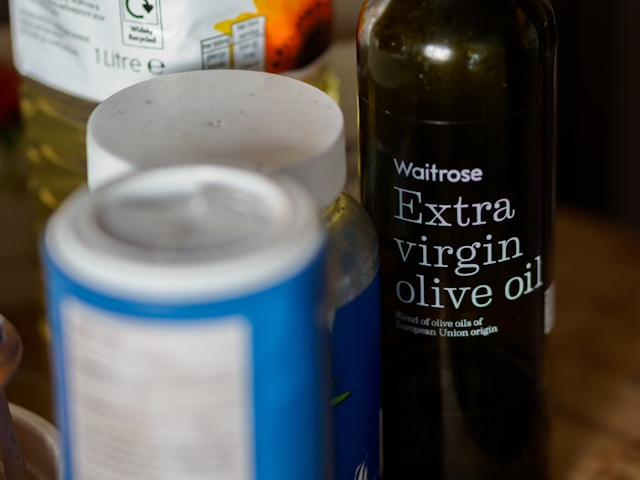
Buy extra virgin olive oil, commonly labelled EVOO, rather than refined olive oil or a product simply labelled “olive oil.” Organic extra virgin olive oil is less processed. It also generally retains more of its natural flavor, antioxidants, polyphenols, and other beneficial compounds. High-quality EVOO should have a fresh smell reminiscent of grass or herbs.
2. Check the Packaging
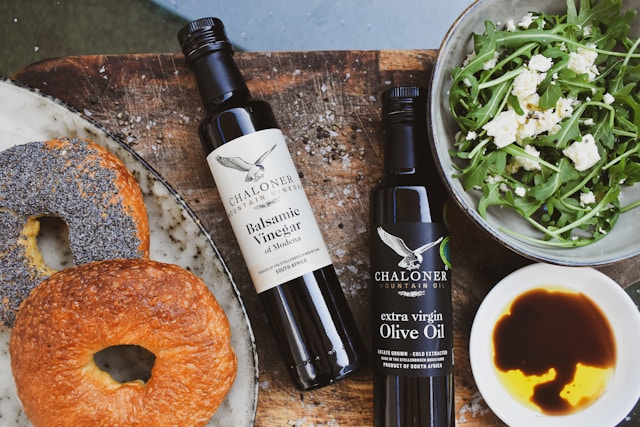
Choose EVOO sold in a dark green glass bottle or an opaque container. Light can accelerate oxidation and reduce the oil’s freshness and quality. Glass avoids concerns associated with storing oil in plastic, despite the easy access that a plastic container might provide.
3. Look at the Extraction Method
Check whether the label says the oil was cold-pressed or mechanically extracted. This indicates that the olive oil was produced without chemical solvents or excessive heat. This helps to preserve its natural polyphenols, antioxidants, aroma, and flavor profile. Cold extracted oils may offer rich fruit and buttery notes, which may help you identify the “good stuff” without a taste test.
4. Check the Country and Region of Origin
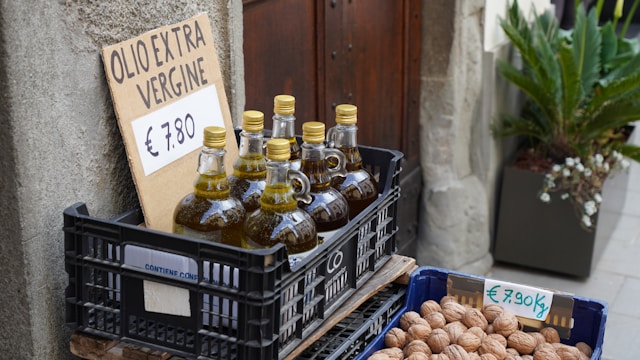
Look for an olive oil from a single country, region, estate, or family farm. Their quality tends to be higher than that of a global blend made with oils from several countries. Some high-quality olive oil products may also identify the specific varieties of olives grown or indicate whether the oil is from California, South America, or Italy, or another recognised producing region. However, avoid oils labeled ‘packed in Italy’ without production details.
5. Look for Authenticity Certifications
Authenticity certifications can provide additional reassurance that an olive oil meets recognized production and quality requirements. Protected Designation of Origin, or PDO, indicates that the oil was produced in a particular region according to defined standards.
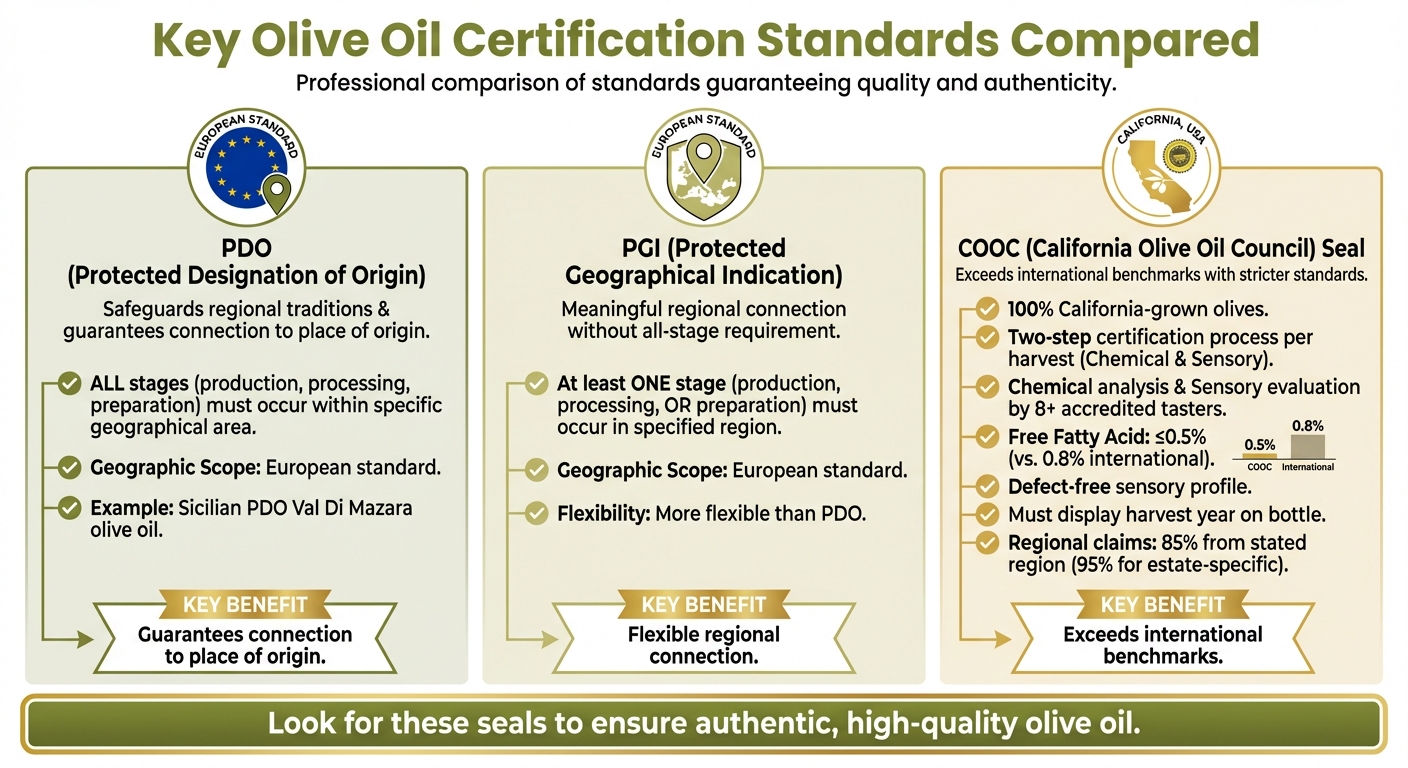
For California olive oil, consumers can also look for certification from the California Olive Oil Council. The council evaluates qualifying oils against requirements to help distinguish high-quality olive oil from lower-grade or misleadingly labeled products.
6. Check the Harvest Date
Choose an olive oil with a clearly stated harvest date whenever possible. For better freshness, look for oil made from olives harvested within the past one or two years. High-quality EVOO should have a harvest date within the past 12 months.

Early-harvested olive oil may have a more bitter, grassy, and peppery flavor because the olives are picked before they fully ripen. It may also provide a high polyphenol content. Some producers state that the olives were processed within 24 hours of the harvest. If possible, choose oils with a ‘best by’ date at least 18 months away.
7. Check the Acidity Level

To qualify as extra virgin olive oil, the free acidity level must generally remain below 0.8 percent. A lower acidity level can suggest that the olives were handled, transported, and processed carefully. Additionally, a lower acidity level also does not necessarily mean the oil will have a smooth olive oil taste. Some fresh oils naturally have a bit of bitterness or pepperiness because of their polyphenol content.
8. Choose the Right Bottle Size

Avoid buying a large container unless you use EVOO frequently for cooking, salad dressings, dipping bread, or serving with pasta and other foods. Once opened, olive oil is best consumed within approximately two to three months for peak flavor and freshness.
4 Benefits of Extra Virgin Olive Oil
Several overlapping factors explain why extra virgin olive oil health benefits are more consistently discussed in research than those of other grades.
1. Supports Healthier Fat
EVOO is dominated by oleic acid, a monounsaturated fatty acid. Diets that replace saturated fat with monounsaturated or polyunsaturated fat are associated with more favourable blood lipid profiles for heart health in numerous clinical studies, though the effect of oleic acid on its own is smaller than that of the oil’s polyphenol fraction in some trials, with total fat intakes decreased by an average of 3% energy [2].
2. Provides Protective Polyphenols and Antioxidants
Polyphenols are naturally occurring plant compounds with antioxidant activity; in olive oil, the main ones are hydroxytyrosol, tyrosol, oleuropein, and oleocanthal [3]. These compounds are largely responsible for EVOO’s characteristic bitterness and peppery, throat-catching sensation. The European Food Safety Authority (EFSA) has approved a specific health claim stating that olive oil polyphenols contribute to the protection of blood lipids from oxidative stress, applicable only to oils containing at least 5 mg of hydroxytyrosol and its derivatives per 20 g of oil [3]. Because refining strips out most of these polyphenol antioxidant compounds, this claim effectively applies to extra virgin-grade, early-harvest oils, not refined ones.
3. May Support Cardiovascular Health
The PREDIMED trial, a large Spanish randomised controlled trial in adults at high cardiovascular risk, found that a Mediterranean diet supplemented with EVOO or nuts reduced major cardiovascular events compared with a low-fat control diet. A related observational analysis within the same cohort found that participants in the highest tertile of EVOO intake had a 39% lower risk of cardiovascular disease and that each additional 10 g of EVOO consumed daily was associated with roughly a 10% lower cardiovascular disease risk [4].
4. May Help Reduce Inflammation and Oxidative Stress
Several randomised, controlled crossover trials comparing high-polyphenol EVOO with low-polyphenol EVOO have found improvements in markers linked to oxidative stress and vascular function with the higher-polyphenol oil [5], including one Australian trial that reported reduced inflammatory markers only in participants who had elevated inflammation at baseline.
Foods Commonly Made With Olive Oil

Olive oil is used in a wide range of dishes, from simple salads and roasted vegetables to pasta, soups, seafood, meat, dips, and traditional Mediterranean meals. It can serve as a cooking oil, dressing, marinade, finishing ingredient, base for sauces, or just about anything, making it one of the most versatile ingredients in everyday cooking. The table below highlights common foods and dishes that are often prepared with olive oil.
| Category | Foods commonly made with olive oil |
|---|---|
| Salads, vegetables, and potatoes | Greek salad, vegetable salad, Caesar salad dressing, tomato and cucumber salad, powerhouse salad, fattoush, tabbouleh, spouted lentil salad, caprese salad, pasta salad with tomatoes, white bean salad, arugula white bean salad, roasted potatoes and carrots, zucchini, sautéed eggplant and greens, sauteed orange bell peppers, brussels sprouts, cauliflower, asparagus, grilled zucchini, mushrooms, onions, corn, smashed potatoes, potato salad, patatas bravas, baked potato wedges |
| Pasta, pizza, bread, rice, and grains | Spaghetti aglio e olio, pasta, Margherita pizza, toasted focaccia, garlic flatbread, pepperoni pizza, tomato flatbread, bruschetta chicken, cheese crostini, garlic bread, olive oil toast, bread dipping plates, risotto, Mediterranean rice, tomato rice, vegetable pilaf, Spanish rice, quinoa bowls, couscous bowls, farro bowls, bulgur bowls, brown rice bowls |
| Soups, stews, sauces, and dips | Minestrone, tomato soup, lentil soup, barley lentil soup, vegetable soup, olive oil marinade, spiced olive oil, gazpacho, ratatouille, chickpea stew, bean and sausage stew, spiced fish stew, vegetable stew, hummus, white bean dip, baba ganoush, olive tapenade, pesto, muhammara, white bean spread, chimichurri, salsa verde, garlic sauce, tomato sauce, herb dressing |
| Fish, seafood, meat, chicken, and eggs | Baked salmon, grilled sardines, roasted cod, tuna steak, baked sea bass, anchovy dishes, garlic prawns, grilled octopus, baked mussels, seafood stew, calamari, olive oil roasted chicken, grilled chicken, lemon herb chicken, chicken kebabs, chicken stew, lamb kebabs, grilled steak, meatballs, broiled ground lamb, beef stew, fried egg with sauce, scrambled egg, scallion omelette, shakshuka, baked eggs with mushroom and tomato |
| Beans, legumes, cheese, sandwiches, and breakfast foods | Baked beans, falafel, roasted chickpeas, baked feta, soft goat cheese salad, avocado toast, savoury oatmeal, breakfast grain bowls |
| Mediterranean and dishes | Moussaka, dolma, spanakopita, paella, couscous dishes, roasted eggplant |
Final Words: How to Choose the Healthiest Olive Oil
The best olive oil for health is one that matches our list of requirements and can be purchased for a reasonable price. Although Italian olive oil has been considered one of the best-tasting olive oils, many other countries, like Spain, Iraq, and Turkey, can offer olive oils with different health benefits.
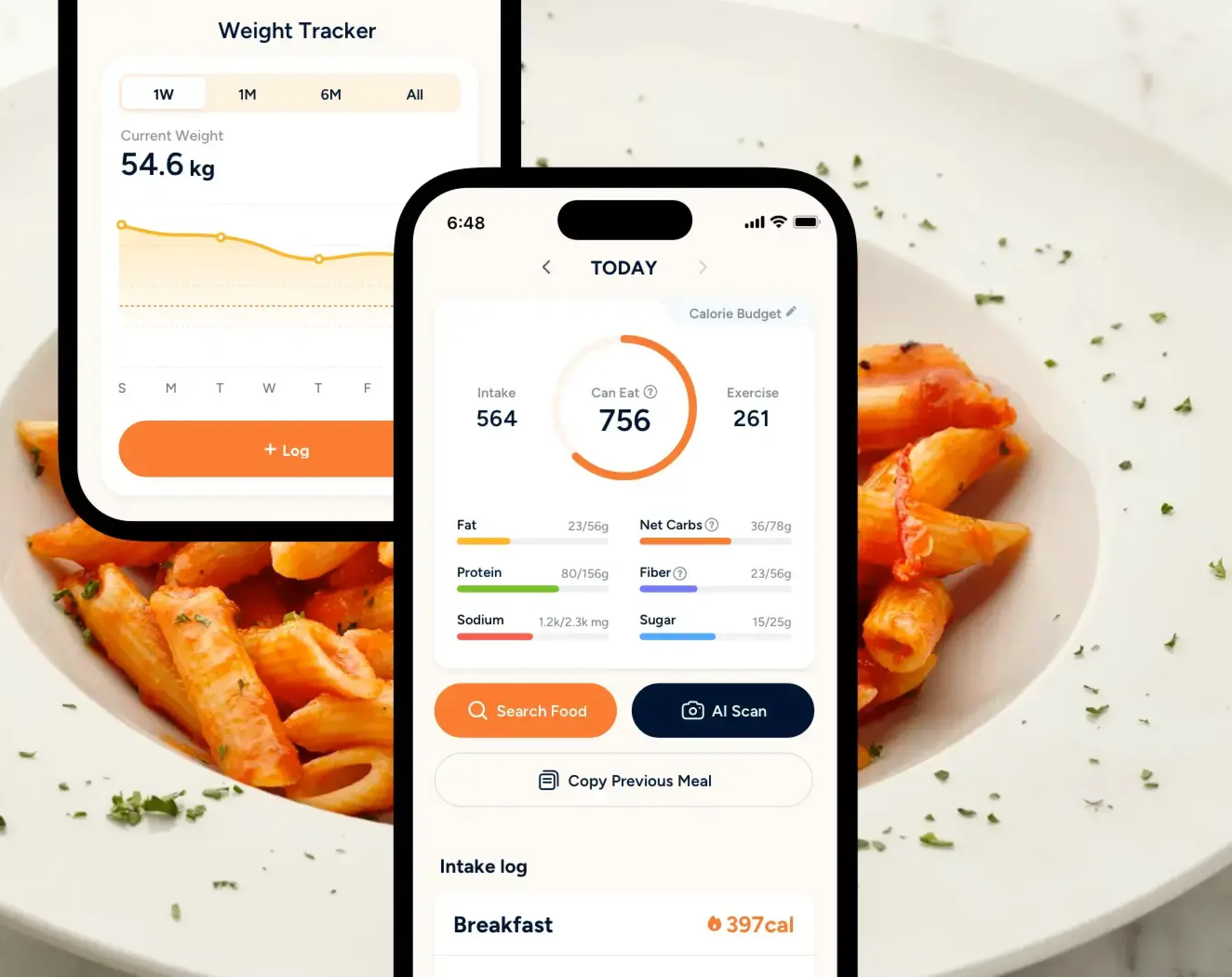
If you’re ever unsure of olive oil nutrition, use Eato‘s calorie counter to check. Track your nutrition, plan meals, and calculate your daily calorie intake alongside your after-fasting consumption so that you can effectively achieve your health goals safely. Try it today for free!

Smarter Nutrition Tracking
Track calories and over 100 other nutrients all in one place.
Download Eato For Free