Key Takeaways
- The best fruits for weight loss are whole fruits, with the fiber still intact.
- Dietary fiber slows gastric emptying and delays glucose absorption in the small intestine.
- Fruits carry enormous water content relative to their energy, which is why they occupy space without contributing many calories.
The consumption of fruit takes up a unique discourse online, especially in the weight loss community. On one hand, you have extreme diets like the fruitarian diet, and on the other hand, you have the perspective that fruits can spike your blood sugar and block fat burning. There are also some people who treat fruits as a free food you can eat without limit. But what does the science actually say about the best fruits for weight loss?
This guide will cover which fruits have controlled trial evidence behind them, the five mechanisms that explain why, and how to lose weight by eating fruit.
This article is for general information and does not replace individualized advice from a doctor or registered dietitian. Speak with a pharmacist before adding grapefruit or any other fruits on this list that may interfere with your treatment.
How Does Fruit Help You Lose Weight?
The largest study on this question followed 133,468 American adults for up to 24 years across three cohorts. Every extra daily serving of fruit was associated with 0.53 lb less weight gain over each 4-year interval. Berries came in at 1.11 lb, and apples and pears at 1.24 lb [3].
1. Soluble Fiber Slows Digestion and Blunts Blood Sugar Spikes
Dietary fiber slows gastric emptying and delays glucose absorption in the small intestine. The result is a flatter, longer glucose curve instead of sharp blood sugar spikes followed by a crash that drives you back to the pantry. In fact, the most benefits are from fiber intakes of 25 to 29 g per day [11]. This is why the people on low residue diets are supposed to avoid eating foods high in fiber.
2. Water Volume Signals Fullness
Fruits carry enormous water content relative to their energy, which is why they occupy space without contributing many calories.
| Fruit | Water content | Calories per 100 g |
|---|---|---|
| Watermelon | 92% | 30 |
| Strawberries | 91% | 32 |
| Cantaloupe | 90% | 34 |
| Grapefruit (pink) | 88% | 42 |
| Oranges | 87% | 47 |
| Apple (with skin) | 86% | 52 |
Energy density research shows that when the energy density of the diet is reduced, adults and children spontaneously eat fewer calories without being told to restrict, and consuming a large volume of a low-energy-dense food as a first course enhances satiety at that meal [12].
3. Raw Fruit Makes You Feel Fuller
Whole raw fruit requires chewing, and for instance, consuming whole apples as opposed to their pureed or processed counterparts reduces total lunch energy intake by 15%, or 187 kcal, compared with no preload, and beats all three processed forms [13].
4. Most Fruits Sit at a Low Glycemic Index
Despite their natural sweetness, most whole fruits land in the low-GI band. International glycemic index tables covering more than 2,480 foods place fruits, legumes, and dairy in the low-GI group as a category, with apples around 36, pears 38, oranges 43, and grapefruit 25, all below the low-GI threshold of 55 [14]. Watermelon has a high GI of around 72, but its glycemic load per serving is only about 4 because there is so little carbohydrate in a serving to begin with.
5. Encourages Good Bacterial Growth
Soluble fiber, resistant starch, and polyphenols all arrive in the colon largely intact and are fermented by resident bacteria into short-chain fatty acids, primarily butyrate, acetate, and propionate [15]. They serve as fuel for colonocytes, and influence the release of the satiety hormones GLP-1 and PYY.
7 Best Fruits for Weight Loss
The best type of fruit for weight loss can vary for different benefits, including fiber, vitamins, and nutrients that the food may be able to provide.
1. Grapefruit
Grapefruit is one of the best fruits for weight loss. In a 12-week trial, 91 adults with obesity were randomized to half a fresh grapefruit, grapefruit juice, grapefruit capsules, or placebo, taken three times daily before meals. The fresh grapefruit group lost 1.6 kg, compared with 0.3 kg in the placebo group, and showed a significant reduction in 2-hour post-glucose insulin, suggesting improved insulin resistance [1].
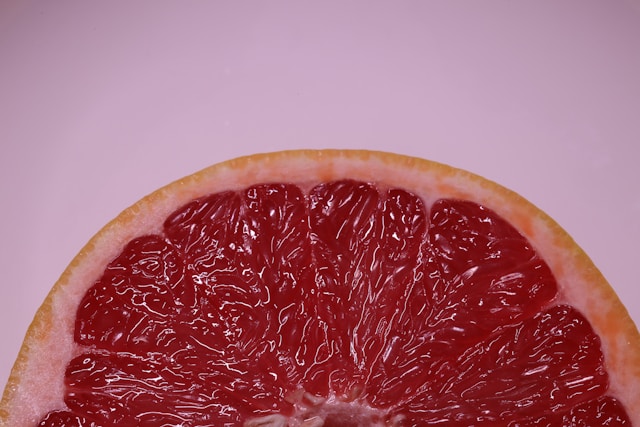
Additionally, a second trial of 85 adults eating preload of grapefruit, grapefruit juice, or water before each of three daily meals alongside caloric restriction showed that an average dietary energy density and total energy intake fell by 20 to 29% from baseline, and participants lost an average of 7.1% of starting body weight, with significant decreases in waist circumference [2]. However, grapefruit inhibits intestinal CYP3A4 and interacts with statins, certain calcium channel blockers, some immunosuppressants, and other medications. Check with a pharmacist before making it a daily habit.
Foods with Grapefruit
Incorporating grapefruit can be easy, and they can also be found in the following dishes:
- Grapefruit fruit salad
- Grapefruit citrus salad
- Grapefruit yogurt parfait
- Grapefruit yogurt bowl
- Grapefruit smoothie
2. Apples and Pears
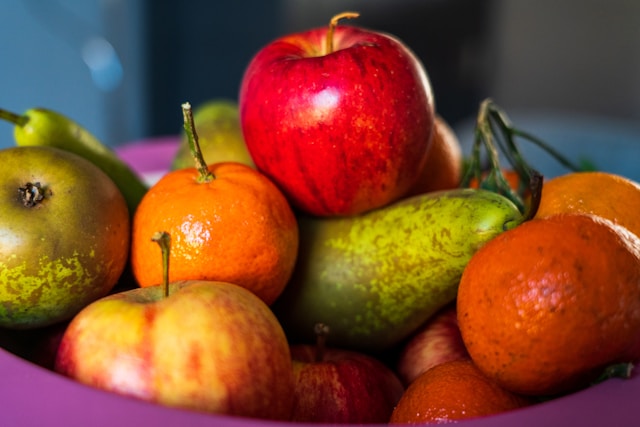
Apples and pears showed the largest association with reduced weight gain in the 24-year cohort analysis, at 1.24 lb less gain per daily serving over each 4-year interval [3]. Additionally, every three weekly servings of apples and pears was associated with a 7% lower risk of type 2 diabetes [4].
Foods with Apples or Pears
Apples and pears are one of the easiest types of fruit to incorporate into your diet, and can be found in the following foods:
- Apple pie
- Dried pears
- Stewed sulfured dried pears with added sugar
- Stewed sulfured dried pears without added sugar
- Apple crumble
- Apple crisp
- Apple strudel
- Poached pears
- Caramelized pears
- Pear yogurt parfait
3. Berries
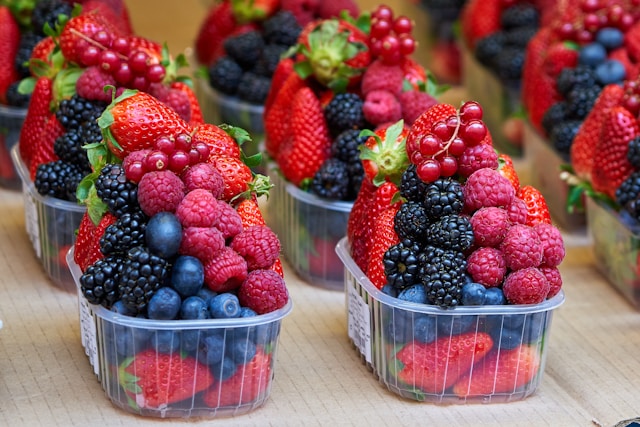
Raspberries deliver 8 g of fiber per cup for 64 calories, whereas blueberries provide about 3.6 g per cup and strawberries about 3 g. That is the best fiber-per-calorie ratio of any commonly eaten fruit and roughly a third of the daily fiber target in one small bowl. Additionally, insulin sensitivity improved significantly in the group that consumed blueberries with no change in adiposity or energy intake, indicating a direct metabolic health effect independent of weight loss [2].
Foods with Berries
Berries are one of the most versatile types of fruits, which can be easily added into your food in the following ways:
- Blueberry muffin
- Dry mix blueberry muffins
- Berry pie
- Blueberry cream
- Blueberry mousse
- Blueberry pie
- Blueberry puree
- Raspberry sorbet mocktail
- Raspberry chia compote
- Strawberry shake
- Strawberry foam
- Strawberry toppings
- Strawberry reduction
4. Kiwi Fruit
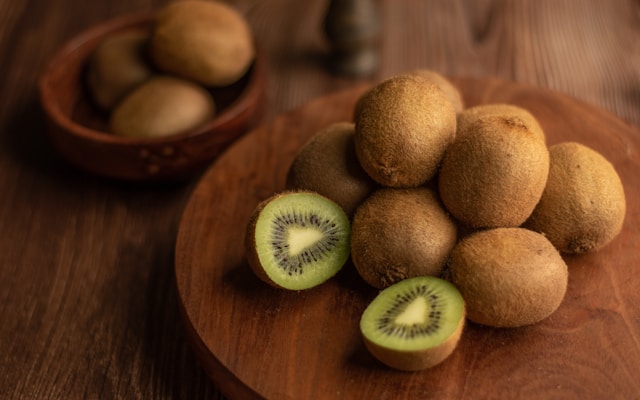
Kiwifruit carries roughly twice the vitamin C content of an equivalent weight of orange, and gold varieties carry substantially more vitamin C. Two green kiwifruit cover a full day’s requirement of this essential vitamin, which supports collagen synthesis and skin health as well as immune function [5].
Additionally, actinidin increases the gastric breakdown of several dietary proteins, including beef muscle protein and gluten, releasing peptides and amino acids faster [6].
Foods with Kiwi
Kiwifruit also contains actinidin, a proteolytic enzyme not found in other fruits. You can add it into your food, for instance:
5. Watermelon
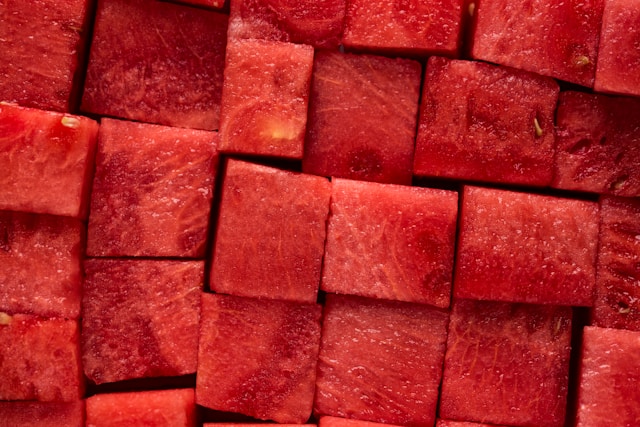
Watermelon is 92% water, which makes it low in calories by weight, which means watermelon produces lower hunger, lower desire to eat, and greater fullness. Plus, it also significantly decreases body weight, BMI, systolic blood pressure, and waist-to-hip ratio [7].
Foods with Watermelon
Watermelon has a light flavor and they can be added to your diet easily:
- Grilled watermelon
- Watermelon with mint and feta
- Watermelon fruit salad
- Watermelon berry salad
6. Avocado
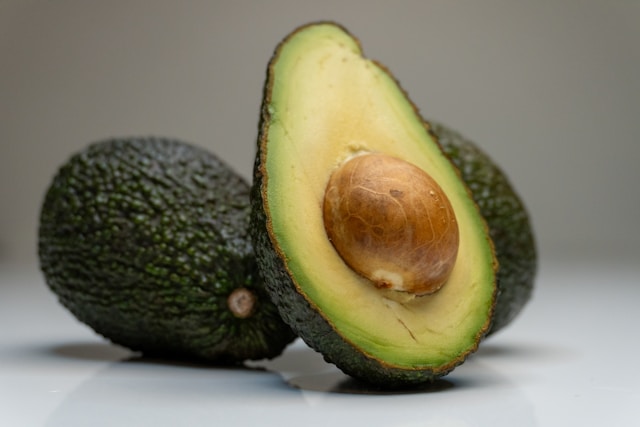
Avocado is the one calorie-dense fruit on this list, at around 160 calories per 100 g. In an experiment with 26 overweight adults where some ate lunch or without half a Hass avocado added, it was found that for those who ended up eating avocado, satisfaction rose 26% and desire to eat dropped 40% compared with those that did not. Over five hours, desire to eat was still 28% lower [8].
Foods with Avocado
Avocados are high in nutrients, and they can be found in the following foods:
- Avocado oil
- Avocado pita
- Grilled avocado
- Avocado with spices
- Stuffed avocado tuna
- Turkey avocado bites
- Avocado tahini dressing
- Avocado chicken salad
- Arugula avocado salad
- Crab and avocado roll
- Mashed avocado with herbs
- Guacamole
7. Bananas
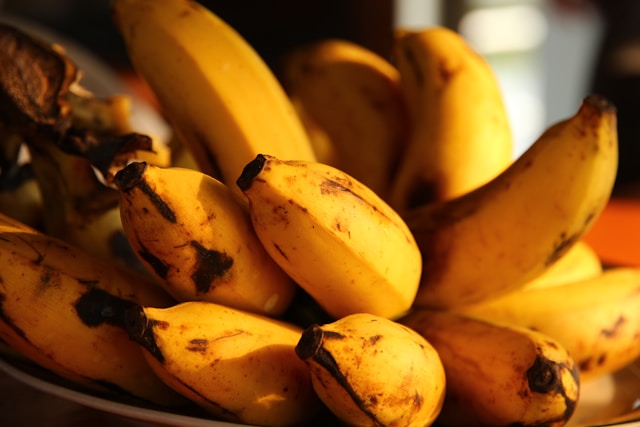
Bananas get unfairly excluded from weight loss diets due to their high carbohydrate levels. A medium banana contains about 105 calories and 3.1 g of fiber, and eating three servings weekly was associated with a 5% lower risk of type 2 diabetes [9].
Interestingly, green and underripe bananas contain substantial resistant starch, which passes undigested into the colon, where it feeds beneficial gut bacteria and produces short-chain fatty acids. As a banana ripens, resistant starch converts to simple sugars, raising the glycemic index from roughly 40 in a green banana to around 60 in a heavily spotted one [10].
Foods with Bananas
Below is a list of foods that contain bananas:
- Banana cake
- Banana oatmeal pancake
- Banana blueberry smoothie
- Peanut butter and banana sandwich and berries
- Banana pudding
- Banana cream pie
- Banana oatmeal pancakes
- Banana and peanut butter smoothie
- Caramelized bananas
- Banana and peanut butter toast
- Banana toast
- Banana cereal
- Peanut butter and banana granola bowl
When Should I Eat Fruit for Weight Loss?
Timing is the highest-leverage variable most people ignore. In scientific trials, fruit consumed 15 to 30 minutes before the main meal usually produces the best results [11]. Fruit eaten before a meal reduces how much of the meal you eat, whereas fruit eaten after a meal adds to your pre-existing consumed calories.
Which Is Better, Whole Fruits or Fruit Juices?
In general, whole foods like whole fruits are generally preferred to fruit juices with added sugar. Every three weekly servings of whole fruit was associated with a 2% lower risk of type 2 diabetes. The same increment of fruit juices was associated with an 8% higher risk. People drinking one or more servings of juice daily had up to 21% higher risk, while those eating two weekly servings of blueberries, grapes, or apples had up to 23% lower risk. Swapping three weekly servings of juice for whole fruit was calculated to reduce risk by 7% [15].
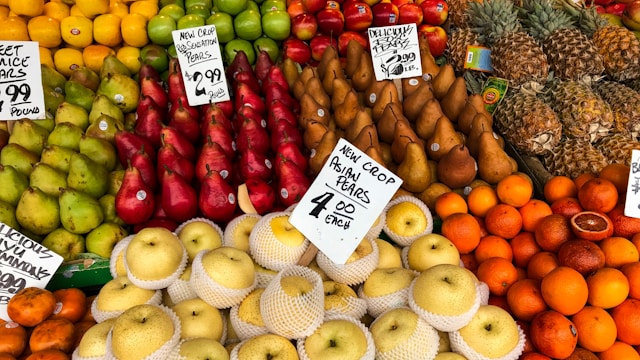
For instance, a 250 ml glass contains the sugar of roughly three oranges, almost none of their fiber, and takes twenty seconds to drink. Processing whole fruits into juice strips the structure that makes fruit satiating, and juice retains the natural sugars or even potentially adds more in with added sugars, while removing the beneficial fiber.
Is Dried Fruit Healthy?
Two tablespoons of raisins contain the sugar of a full cup of grapes with about 15% of the water and roughly a fifth of the volume.
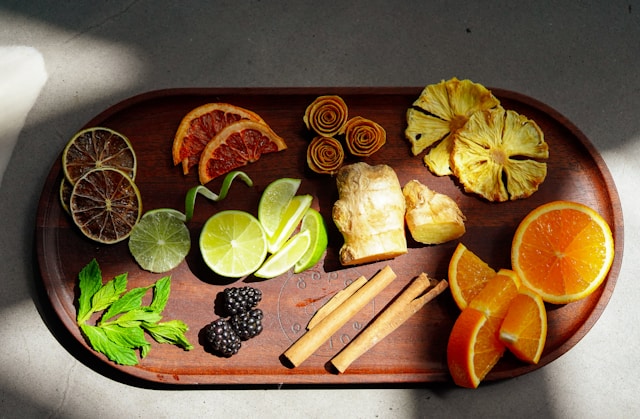
An analysis of 13,292 adults found that people who consumed dried fruit had higher nutrient intake and better diet quality than non-consumers, along with lower prevalence of overweight and obesity (odds ratio 0.65, 95% CI 0.52-0.81) [16]. Additionally, a later randomised trial testing prunes as a daily snack found beneficial changes in appetite and no evidence that the added dried fruit undermined weight management [17].
But if you want to be absolutely sure that the benefits of eating dried fruit do not outweight the cons:
- Weigh your fruit, as most people are eating two to four times that from the bag.
- Read the label. Many dried cranberries, mangoes, and pineapples carry added sugars and oil. Instead, look for products where the only ingredient is the fruit.
How Much Fruit Intake Do You Actually Need?
The Dietary Guidelines for Americans recommend 1.5 to 2 cup-equivalents of fruit daily for most adults in order to hit the nutrient benefits, as well as ensure sufficient fiber intake. Additionally, a 12-month randomized trial in 240 adults with metabolic syndrome compared the multi-component American Heart Association diet against a single instruction to eat 30 g of fiber daily.
The fiber group lost 2.1 kg and the AHA group 2.7 kg, a difference that was not statistically significant, leading the authors to conclude that a simplified fiber-only target is a reasonable alternative for people who struggle with complex regimens [19].
Final Words
The best fruits for weight loss are the ones with the highest fiber and water content relative to calories: raspberries, blackberries, pears, apples, grapefruit, kiwifruit, and watermelon. When eating fruits, eat them whole, eat them raw, eat them before meals rather than after, and use them to replace calorie-dense foods rather than to supplement them. However, it is important to remember that fruit will not burn fat for you but will only make eating considerably easier.
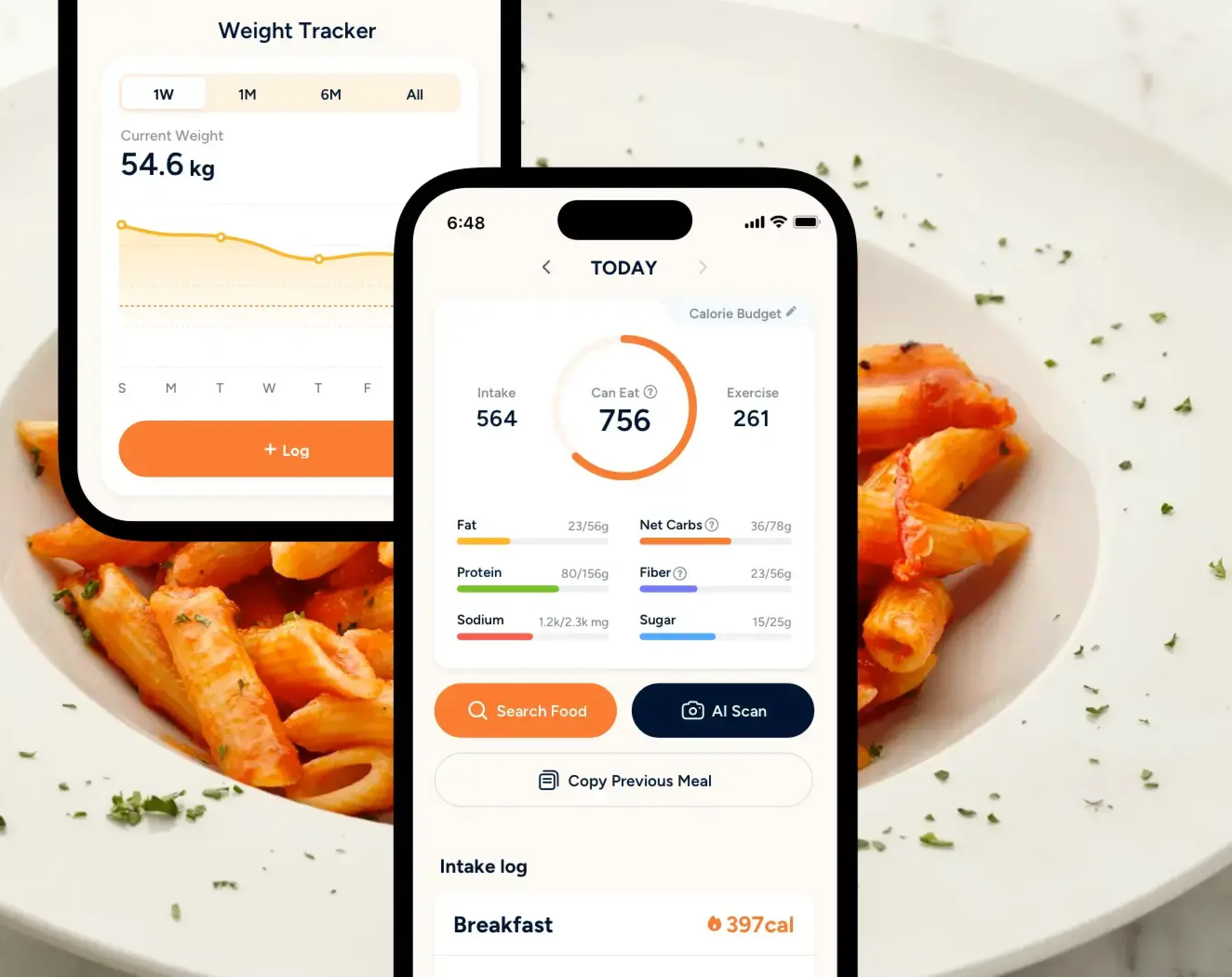
Instead, use Eato‘s calorie counter to track your nutrition, plan meals, and calculate your daily calorie intake so that you can effectively achieve your health goals safely. Try it today for free!

Smarter Nutrition Tracking
Track calories and over 100 other nutrients all in one place.
Download Eato For Free