Key Takeaways
- Almost all foods are not zero calorie foods, and most contain calories, and the energy your body uses during digestion does not exceed the calories provided by foods.
- Very low calorie foods can support weight loss by increasing meal volume.
- Low calorie foods are most effective as part of a balanced diet.
Zero calorie foods may sound like a way to eat more while consuming almost no energy, but true zero calorie foods do not really exist apart from water. Most foods described this way are actually very low-calorie foods, such as celery, cucumber, spinach, and lettuce, which can help you build filling meals with fewer calories. These foods are also popular amongst the “clean eating” and intermittent fasting diet.
If you are trying to manage your weight, eat more healthfully, or make lower-calorie meals that still feel satisfying, it helps to know the difference between so-called zero calorie foods, low-calorie foods, and the myth of negative-calorie foods that burn more energy than they provide. This guide explains what those terms mean, which foods fit, and how to use them in balanced lower-calorie meals without losing sight of overall nutrition.
What Are Negative Calorie or Zero Calorie Foods?
Negative, or zero calorie foods are based on the idea that the body burns more energy digesting a food than the food itself provides.
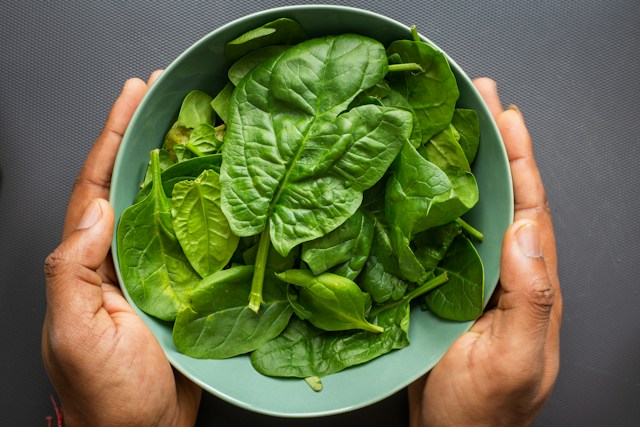
Foods such as celery, cucumber, spinach, lettuce, kale, zucchini, arugula, watercress, broccoli, and mushrooms still contain calories, despite being commonly regarded as types of zero calorie foods. Their advantage is that they provide considerable volume for relatively little energy, which can make them useful for building filling, lower-calorie meals.
The body does use energy to digest, absorb, and process food. This is known as the thermic effect of food. Research shows that eating temporarily increases energy expenditure [1], although the effect varies according to nutrient composition. Protein generally produces the largest thermic response, followed by carbohydrates and fat [2].
What Foods Have Zero Calories?
Foods and drinks described as having zero calories usually fall into two groups.
Some provide virtually no energy, such as water. Others contain such a small amount of energy that they are casually treated as calorie-free. Black coffee is a good example. For instance, 1 cup of black coffee without sugar is at 2 calories, making it extremely low in calories rather than literally calorie-free.
Other very low-calorie drinks include:
Sugar, syrups, cream, sweetened milk, honey, and similar ingredients can quickly increase the calorie content of a drink if added inside.
4 Low-Calorie Foods for Weight Loss
Low-calorie foods can add volume, texture, water, fiber, vitamins, and minerals to meals without dramatically increasing calorie intake.
| Food | Serving Size | Calories |
|---|---|---|
| Raw watercress | 1 cup chopped | 4 |
| Raw spinach | 1 cup | 7 |
| Raw cucumber with peel | 1 half-cup sliced | 8 |
| Raw celery | 1 cup chopped | 14 |
| Lettuce | 1 serving | 15 |
| Raw broccoli florets | 1 cup florets | 20 |
| Raw zucchini | 1 cup chopped | 21 |
| Raw kale | 1 cup chopped | 23 |
| Raw broccoli | 1 cup chopped | 31 |
| Raw watermelon | 1 cup balls | 46 |
1. Leafy Greens
Leafy greens are an easy way to increase meal volume without adding many calories.
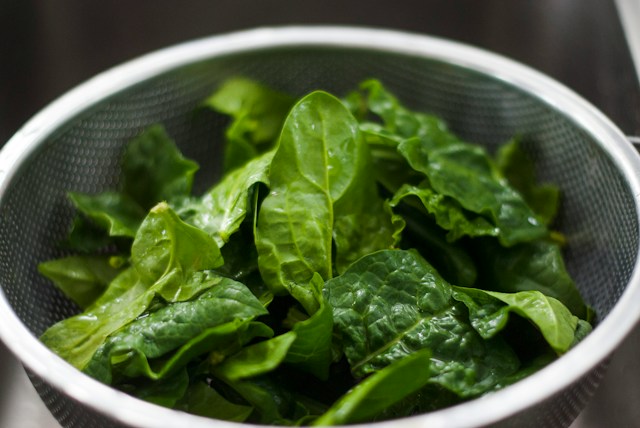
For instance:
- Spinach
- Lettuce
- Kale
- Arugula
- Watercress
Add them to salads, sandwiches, wraps, grain bowls, soups, and cooked dishes.
2. Watery Vegetables
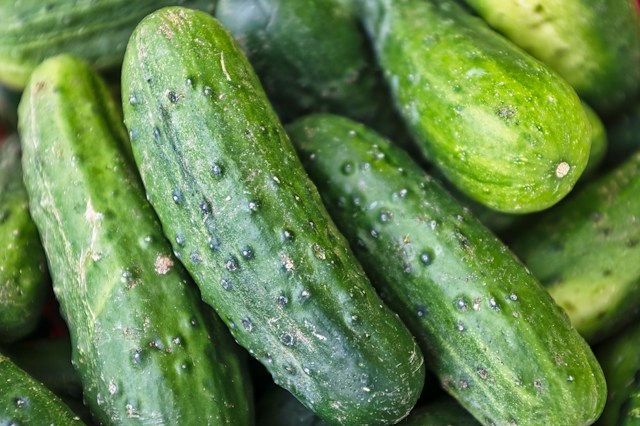
Cucumbers have about 16 calories per 100 grams and, like lettuce, contain a high proportion of water, giving them considerable physical volume for relatively few calories. Celery is low in energy and high in water and fiber. Zucchini contains about 17 calories per 100 grams and is versatile for cooking.
Add them to:
- Salads
- Sandwiches
- Vegetable bowls
- Soups
- Stir fries
- Cold noodle dishes
- Snacks
These foods can help fill your plate and help you feel satisfied because their high water content can help you feel full.
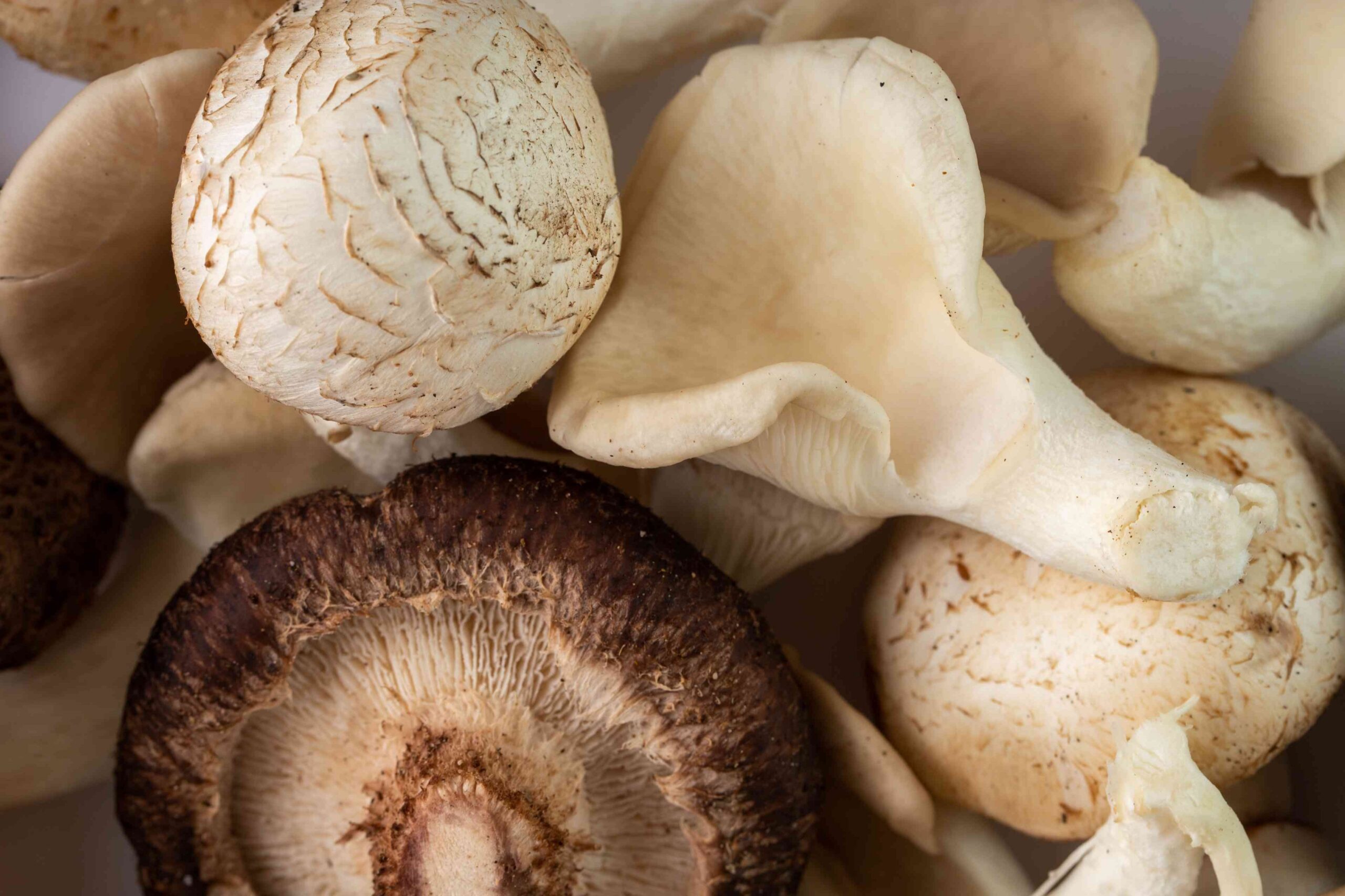
3. Mushrooms
Mushrooms add bulk, texture, and savory flavor to meals. They work well in soups, stir fries, pasta dishes, salads, eggs, and grain bowls.
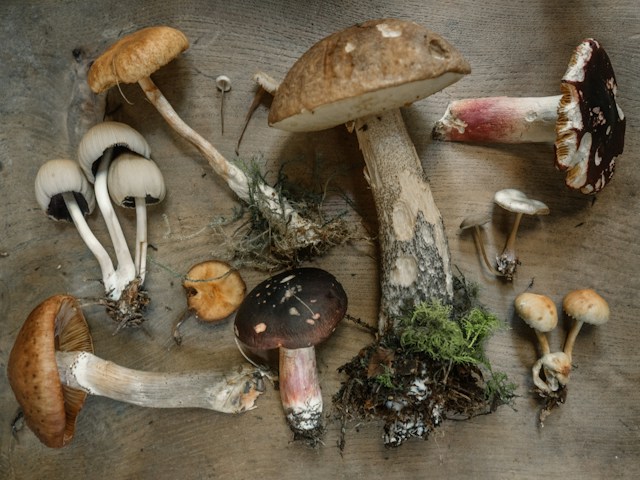
Common edible mushrooms include:
- White button mushroom
- Cremini mushroom
- Portobello mushroom
- Shiitake mushroom
- Oyster mushroom
- King oyster mushroom
- Enoki mushroom
- Maitake mushroom
- Lion’s mane mushroom
- Chanterelle mushroom
- Porcini mushroom
- Morel mushroom
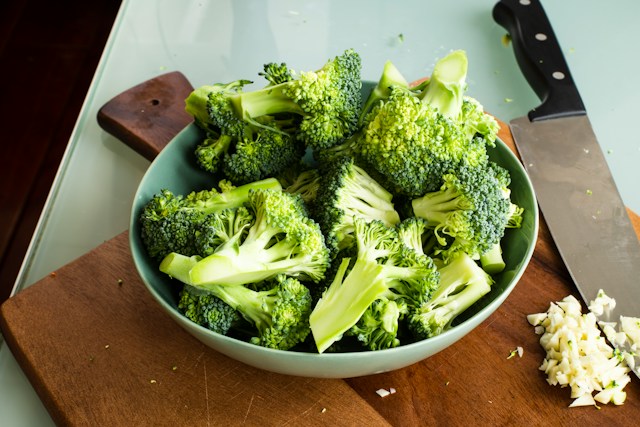
4. Broccoli
Broccoli is slightly more calorie dense than vegetables such as cucumber or celery, but it still works well in lower-calorie meals. Its firm texture and fiber can also make meals feel more substantial.
Add it to:
- Stir fries
- Soups
- Salads
- Grain bowls
- Pasta dishes
- Omelets
- Casseroles
- Roasted vegetable dishes
How to Make Meals Lower in Calories
A food being described as zero calories does not mean it can be eaten in unlimited quantities without affecting your overall calorie intake. Here’s how you can make meals lower in calories.
For example:
- Replace some pasta with zucchini or mushrooms.
- Add spinach or lettuce to sandwiches and wraps.
- Pair cucumber or celery with a smaller portion of a calorie-dense snack.
- Add broccoli to rice or noodles.
- Bulk out salads with watercress or arugula.
- Add mushrooms and spinach to eggs.
These changes increase the amount of food on the plate while helping control total calorie intake.
How to Eat a Balanced Low Calorie Meal
Eating the lowest number of calories possible should not be the goal.
Vegetables can provide plenty of physical volume, but a balanced meal still needs enough energy and macronutrients to support normal body functions.
A balanced meal may include:
- Vegetables or fruit
- A protein source
- Whole grains, potatoes, legumes, or another carbohydrate source
- Dietary fats
- Water or another unsweetened drink
Lower-calorie foods, including vegetables and fruits, can increase meal volume, but zero-calorie foods should complement a balanced diet rather than replace adequate protein, carbohydrates, fats, vitamins, and minerals.
Additionally, fiber is often associated with fullness, but not every type of fiber affects appetite in the same way. Fiber in low-calorie foods can also help with weight management. A systematic review examining 107 fiber treatments found that 39 percent significantly reduced subjective appetite, while 22 percent significantly reduced food or energy intake [3]. Another systematic review found that more viscous fibers were more likely to reduce appetite and short-term energy intake than less viscous forms [4]. Fiber can therefore support fullness, but its effects depend on the type of fiber, the food containing it, the rest of the meal, and the individual.
How to Build a High-Volume Meal
A high-volume meal does not need to consist entirely of vegetables.
1. Start With Vegetables
Use spinach, lettuce, broccoli, mushrooms, cucumber, zucchini, kale, or watercress to provide volume.
2. Add Protein
Include a protein source to make the meal more nutritionally complete.
3. Add Carbohydrates
Choose whole grains, potatoes, legumes, or another carbohydrate source according to your needs.
4. Include Dietary Fat
Dietary fats provide nutrition and flavor, but portion size matters because fat is energy dense.
5. Add Flavor
Lemon, herbs, mint, spices, vinegar, garlic, and other seasonings can add flavor without relying entirely on calorie-dense sauces.
The goal is to build a satisfying meal that is balanced and sustainable, with low-calorie foods complementing the meal rather than defining it.
Do Low Calorie Foods Burn More Calories?
Eating very low-calorie foods does not mean your body automatically burns more calories than the food provides. Your body does use energy during digestion, but the thermic effect of food is only one part of total energy expenditure [2].
Your body also uses energy for:
- Basic physiological functions
- Everyday movement
- Structured exercise
- Digestion
- Other daily physical activity
Weight change depends on the balance between energy intake and energy expenditure over time. Instead of looking for foods that supposedly burn themselves off, focus on foods that help you build satisfying meals without excessive calorie intake.
Final Words
Most zero calorie foods are actually “very low-calorie” foods. Foods such as celery, cucumber, spinach, lettuce, kale, zucchini, watercress, arugula, broccoli, and mushrooms can add substantial volume to meals for relatively little energy. However, the idea of negative calorie foods is misleading. Digestion requires energy, but that does not mean foods such as celery automatically create a negative calorie balance.
Lower energy-density foods can support weight management by allowing you to eat a larger physical amount of food while controlling total calorie intake.
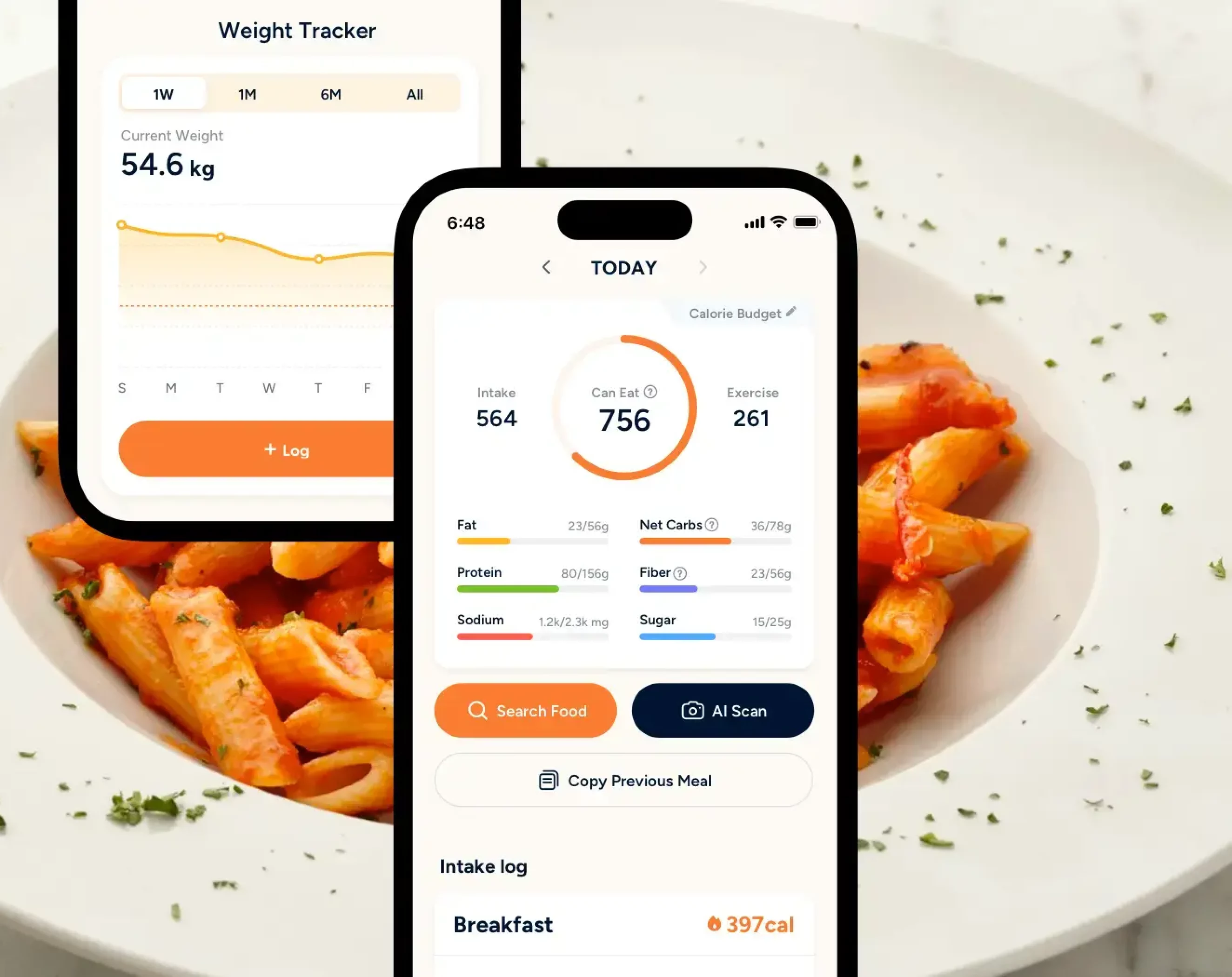
Use Eato‘s calorie counter to track your nutrition, plan meals, and calculate your daily calorie intake so that you can effectively achieve your health goals safely. Try it today for free!
Smarter Nutrition Tracking
Track calories and over 100 other nutrients all in one place.
Download Eato For Free