Key Takeaways
- A low residue diet reduces digestive strain by limiting high fiber foods and focusing on easier to digest options such as white rice, white bread, cooked vegetables, canned fruits, and tender proteins.
- It is mainly a short term therapeutic diet used for situations such as bowel surgery recovery, IBD flares, intestinal strictures, bowel obstruction risk, and colonoscopy preparation.
- High fiber foods are temporarily restricted, including whole grains, raw vegetables, legumes, nuts, seeds, and many raw fruits. Fiber should usually be gradually reintroduced once symptoms improve, following guidance from a healthcare professional.
The low residue diet can feel counterintuitive to the plethora of diet advice, like eating more fiber or choosing healthier food options like salad. Instead, the low residue diet prioritises foods that can be easily digested and absorbed in your body, like white bread instead of whole grains. This guide explains what a low residue diet actually is, which foods are allowed, which foods to avoid, and why it is meant to last a few weeks rather than forever.
However, this is not meant to be medical advice or replace medical advice. Consult your primary healthcare physician before making any drastic changes to your diet.
What Is a Low Residue Diet?
“Residue” refers to the material left over in your intestinal tract after digestion, the undigested food that adds bulk to stool. A low-residue diet limits foods that leave a high volume of undigested material moving through the large intestine, which means fewer and smaller bowel movements and less work for an irritated gut.
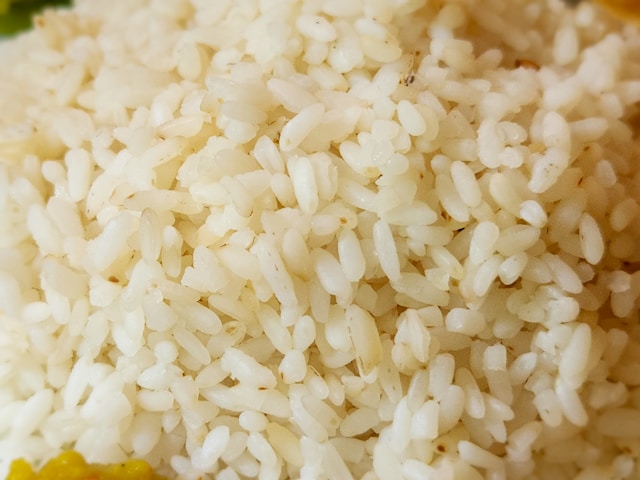
In practice, this translates to easily digestible foods: refined grains such as white bread and white rice, tender cooked vegetables, canned fruits, well-cooked lean protein, and most dairy in moderation. Anything fibrous, tough, seedy, or raw comes off the plate for a while.
However, a narrative review in Advances in Nutrition pointed out that low-residue diets were dropped from the American Academy of Nutrition and Dietetics’ Nutrition Care Manual because there is no scientifically accepted way to quantify how much residue a food produces [1]. The authors recommended redefining the low residue diet as a low fiber diet, with a practical ceiling of about 10 grams of fiber per day [1].
Who Needs a Low Residue Diet?
A low residue diet is usually a therapeutic diet, prescribed by dieticians, healthcare physicians or doctors. The diet is usually prescribed for the following reasons, rather than being for general wellness.
- Recovery after bowel or abdominal surgery, when the gut needs a gentle workload while it heals
- Acute diverticulitis, where reducing stool bulk minimizes irritation to inflamed pouches in the colon
- Inflammatory bowel disease flares, to ease symptoms such as diarrhea and abdominal cramping
- Intestinal strictures and bowel obstruction, where fibrous material could physically lodge in a narrowed segment
- Bowel preparation before colonoscopy
A meta analysis of randomized controlled trials found that patients who ate a low-residue diet the day before colonoscopy achieved bowel preparation quality comparable to patients on clear liquids, with significantly better tolerability and a greater willingness to repeat the preparation [2]. A later randomized dual-center trial found that a single day of low-residue eating produced better preparation quality and patient tolerance than a clear liquid diet [3].
1. Low Residue Diet and Inflammatory Bowel Disease
For people living with inflammatory bowel disease, meaning Crohn’s disease and ulcerative colitis, a low fiber approach is typically used during an active flare rather than during remission. The idea is to reduce mechanical irritation and stool volume while medication does the actual anti-inflammatory work. Once symptoms settle, fiber should be reintroduced gradually until you are back to a normal intake [1].
2. Crohn’s Disease, Strictures, and Bowel Obstruction
The British Dietetic Association’s evidence-based guidelines for the dietary management of Crohn’s disease in adults state that dietary fiber is contraindicated when strictures are present because of the risk of mechanical obstruction [4]. If a segment of your bowel has narrowed, a mouthful of raw or dried fruits, popcorn, or stringy vegetables can get stuck. Individuals with bowel obstruction can prevent blockages by avoiding high-fiber foods.
What Foods Are Allowed on a Low Residue Diet?
Depending on the type of low residue diet you may be prescribed, the foods you consume may differ. However, here are some common foods consumed on a low-residue diet in each category.
| Category | Allowed | Notes |
|---|---|---|
| Grains | White bread, white rice, pasta, plain crackers, corn flakes, puffed rice cereals, Rice Krispies, refined flour tortillas | Refined grains only. Choose products with under 1 gram of fiber per serving. |
| Protein | Tender cooked chicken, fish, eggs (including scrambled eggs), smooth peanut butter, plain hot dogs and deli meats, tofu | Cook until tender. Ground or slow-cooked meats are easier to handle. |
| Milk Products | Milk, cottage cheese, plain yogurt without fruit pieces, hard cheese (parmesan, hard goat cheese) cream, pudding | Usually capped at about 2 cups of milk equivalent per day. |
| Allowed Vegetables | Well-cooked green beans, wax beans, asparagus tips, carrots, beets, peeled zucchini, peeled and mashed potatoes, sweet potatoes without skin, strained vegetable juices | Cooked vegetables only, no skins or seeds. |
| Fruits | Canned peaches, canned pears, canned apricots, canned mandarin oranges, canned fruit cocktail without seeds or skins, stewed peeled apples, poached pears without skin, cooked peaches without skin, stewed apricots, baked peeled apples, ripe banana, smooth applesauce, apple juice, white grape juice, cranberry juice without pulp | No skins, membranes, or fruit seeds. |
| Fats and Condiments | Butter, margarine, oils, mayonnaise, smooth salad dressings, seedless jam, clear jelly, honey, syrup | Seedless jam and clear jelly are fine; whole-fruit preserves are not. |
| Desserts and Snacks | Plain cakes, plain cookies, sponge cake, vanilla wafers, gelatin, ice cream and sherbet without nuts or fruit pieces, hard candy, pretzels | Nuts, coconut, and dried fruits ruin an otherwise fine dessert. |
| Beverages | Water, apple juice, white grape juice, decaffeinated coffee, tea, carbonated beverages, sports drinks, liquid nutritional supplement drinks |
What Foods to Avoid on the Low Residue Diet?
Knowing what foods to avoid on the low residue diet is essential for your health and success of your diet. As a rule of thumb, you would want to reduce the amount of foods that increase fiber, or “residue” passing through your intestinal tract. Below are some of the foods commonly avoided when on the low residue diet.
| Food category | Foods to avoid | Why they are usually avoided |
|---|---|---|
| Whole grains and high fiber starches | Whole grain bread, whole wheat bread, seeded bread, whole wheat pasta, brown rice, wild rice, granola, muesli, popcorn, whole grain crackers, foods containing visible nuts or seeds | Whole grains, bran, seeds and other high fiber ingredients can increase the amount of residue passing through the intestinal tract. |
| Raw and high fiber vegetables | Raw vegetables, salad greens, broccoli, cauliflower, Brussels sprouts, cabbage, corn, peas, turnip greens, celery, vegetable skins, potato skins | These foods can be relatively fibrous and may leave more undigested material in the digestive tract. |
| Vegetable products with seeds or skins | Tomato sauce containing seeds or skins, chunky vegetable sauces, salsa, vegetable juice containing pulp, soups containing fibrous vegetable pieces | Seeds, skins and pieces of vegetables add fiber and residue. Smooth, strained tomato sauce may sometimes be permitted in small quantities, depending on the healthcare provider’s instructions. |
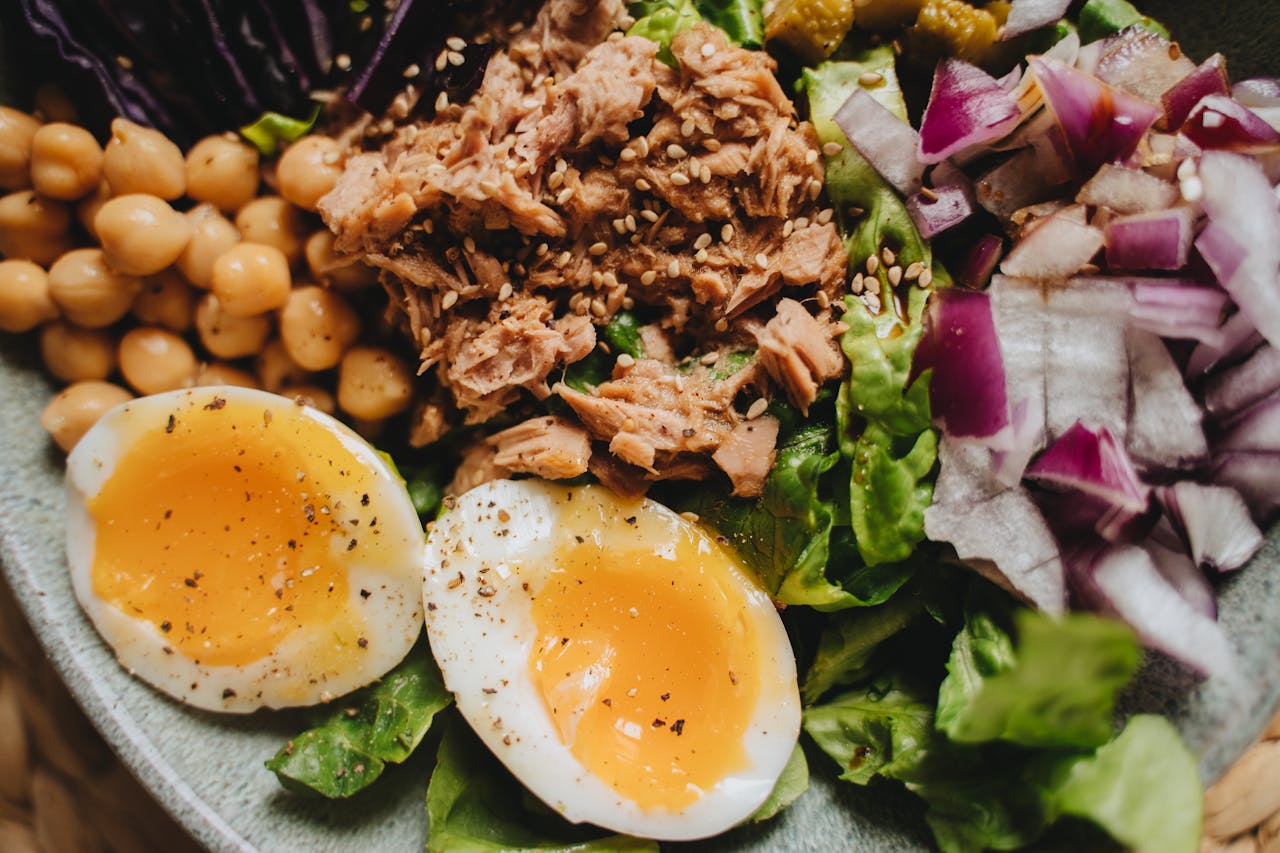
| Beans and legumes | Cooked dried beans, baked beans, kidney beans, black beans, chickpeas, lima beans, lentils, split peas and other legumes | Beans and legumes are generally high in dietary fiber, making them unsuitable for many low residue diet plans. |
| Raw, dried and high fiber fruits | Raw fruit with skins, apples with skin, pears with skin, berries, raspberries, blackberries, strawberries, grapes with skin, dried fruit, raisins, prunes, dates, figs, coconut | Fruit skins, seeds and dried fruits can contribute substantial fiber and residue. |
| Fruit products to avoid | Prune juice, fruit juice with pulp, smoothies, fruit nectar containing pulp, jams and preserves containing seeds, fruit products containing skins or seeds | These products can retain fiber, pulp, seeds or pieces of fruit even when they are drinkable or spreadable. |
| Tough meats and certain protein foods | Tough or gristly meat, heavily fried meat, meat with tough connective tissue | Tough connective tissue, nuts, seeds and legumes can be more difficult to digest or contribute additional residue. |
| Nuts and seeds | Almonds, peanuts, walnuts, cashews, pistachios, pecans, sunflower seeds, pumpkin seeds, chia seeds, flaxseeds, sesame seeds and foods containing whole seeds | Nuts and seeds contain fiber and can leave particles in the intestinal tract. |
| Snack foods containing high fiber ingredients | Popcorn, trail mix, granola bars containing nuts or seeds, seeded crackers, whole grain chips, snacks containing dried fruit | These often combine several ingredients that are restricted, including whole grains, seeds, nuts and dried fruit. |
| Desserts with restricted ingredients | Desserts containing nuts, seeds, coconut, dried fruit, berries, whole grain flour or fruit skins | The dessert itself is not necessarily the issue. The nuts, seeds, fruit and high fiber grains within it can increase residue. |
| Spicy foods, when poorly tolerated | Hot peppers, heavily spiced dishes, hot sauces and other foods that trigger gastrointestinal discomfort | Spicy foods are not necessarily high in residue, but they may worsen gastrointestinal symptoms in some people. |
| Caffeine, when restricted or poorly tolerated | Large amounts of coffee, strong tea, energy drinks and other highly caffeinated beverages | Caffeine is not inherently a high residue ingredient, but it can stimulate the gastrointestinal tract or worsen symptoms for some people. |
| Alcohol | Beer, wine, spirits and cocktails | Alcohol does not add dietary fiber in the same way as whole grains or vegetables, but it may irritate the gastrointestinal tract or be restricted for medical reasons. |
Sample Low Residue Diet Menu
Here is what a day of eating might look like on a low residue diet.
Breakfast: Two scrambled eggs, two slices of white bread with butter and seedless jam, a glass of apple juice, decaffeinated coffee
Mid-morning: Plain yogurt without fruit pieces, or a few plain crackers
Lunch: Roast turkey sandwich on white bread with mayonnaise, canned peaches, a cup of tea
Afternoon: Vanilla pudding or a small bowl of corn flakes with milk
Dinner: Baked white fish, white rice, well-cooked green beans and carrots, a peeled apple
Evening: Gelatin with clear jelly or sherbet, plus a liquid nutritional supplement if your appetite has been poor
For more information about incorporating gelatin in your diet, read our blog on “gelatin weight loss recipe“.
How Long Should You Stay on a Residue Diet?
Not long. The low residue diet is meant to be a short-term therapeutic tool, typically used for a few days to a few weeks depending on why it was prescribed.
Cutting out raw fruits, whole grains, legumes, and most vegetables removes important nutrients along with the fiber: vitamin C, folic acid, potassium, magnesium, and the plant compounds that come packaged with produce. Long-term use can lead to nutritional deficiencies, and prolonged low fiber intake also reduces the fermentable substrate your gut bacteria depend on.
Once symptoms settle or healing is underway, fiber should be systematically increased until you reach the recommended intake for a healthy diet [1]. Do that gradually, adding one new food at a time so you can identify which certain foods genuinely bother you rather than avoiding whole categories out of caution.
Follow your healthcare provider’s advice on duration. If you have been on a low residue diet for more than a few weeks without a clear plan for reintroduction, that is worth a conversation with your doctor or a registered dietitian, who can also advise on whether a supplement is needed in the meantime.
Final Words: Is the Low Residue Diet Suitable for You?
A low-residue diet reduces the volume of undigested food moving through your digestive tract, which lowers stool bulk, calms diarrhea and cramping, and reduces mechanical irritation. It earns its place before a colonoscopy, during an acute diverticulitis attack, in the recovery period after bowel surgery, during IBD flares, and above all when strictures raise the risk of bowel obstruction.
Build it around refined grains, tender cooked vegetables, canned or cooked fruits, well-cooked protein, and dairy you tolerate. Avoid foods that are raw, seedy, whole grain, or fibrous.
Use Eato‘s calorie counter to track your nutrition, plan meals, and calculate your daily calorie intake so that you can effectively achieve your health goals safely. Try it today for free!

Smarter Nutrition Tracking
Track calories and over 100 other nutrients all in one place.
Download Eato For Free