Key Takeaways
- The Modified Atkins Diet (MAD) is a medical nutrition therapy designed primarily for epilepsy management.
- MAD is less restrictive than the classic ketogenic diet, with no calorie limits, no food weighing, no fasting, and greater flexibility in daily eating.
- The diet emphasizes very low carbs, high fat, and moderate protein, allowing ketosis to occur in a more practical and sustainable way for adults.
- The diet should only be followed under medical supervision to ensure safety and adequate nutrition.
What is the Modified Atkins Diet (MAD)?
The modified Atkins diet is a type of diet that is similar to the traditional ketogenic diet [1]. Similar to the keto diet, the modified Atkins diet aims to push your body into ketosis while ensuring that you have enough nutrients.

It keeps the same idea, which is to push your body into ketosis by giving it very few carbs, plenty of fat, and a moderate amount of protein. Ketosis shifts your metabolism, so your brain uses ketones for fuel, and this can help reduce seizures in people with epilepsy or juvenile myoclonic epilepsy.
Simply put, it is a:
- low-carb diet
- high protein diet
- moderate fat intake
The research behind the diet is surprisingly strong. In early studies [3], every patient who tried the modified Atkins diet reached urinary ketosis. About 65 percent of them saw their seizures drop by more than half. Around 35 percent had more than a 90 percent reduction, which is a huge improvement for a non-medication treatment.
What Is Dietary Therapy?

Diet therapy is defined as a form of intervention that adjusts the quantity and quality of food intake to improve an individual’s health status and body composition, often involving nutritional education, behavioral therapy, and meal replacements [2]. It has shown more consistent benefits when combined with exercise, particularly in reducing weight and fat mass.
7 Health Benefits of the Modified Atkins Diet
1. Reduction in Seizure Frequency
This is the biggest and most important benefit.
Studies [1] show that:
• Every patient in one prospective study reached urinary ketosis
• About 65 percent had more than a 50 percent drop in seizures
• Around 35 percent had more than a 90 percent reduction
For many adults, this improvement is life-changing. It offers a therapeutic option when medications alone are not enough.
2. Easier to Follow Than Classic Ketogenic Therapy
The classic ketogenic diet works well, but it is extremely strict. The modified Atkins diet keeps many of the same metabolic advantages while being much more realistic for daily life.
Benefits include:
• No calorie limits
• No fluid limits
• No weighing or measuring foods
• Wider food choices
• The ability to eat in restaurants
• The freedom to start at home without fasting
This makes long-term adherence more sustainable, which naturally supports better seizure control.
3. Promotes Steady Ketosis
The modified Atkins diet uses a high-fat, low-carbohydrate pattern that pushes the body into ketosis [1]. This can steady the brain’s electrical activity and reduce seizure triggers.
Because protein is not restricted and meals are not measured to the gram, ketosis happens in a more flexible, approachable way.
4. Possible Improvements in Mood, Focus, and Energy Stability

Some patients report:
• Better concentration
• Improved alertness
• Fewer energy crashes during the day
A steady flow of ketones can provide the brain with a more stable fuel source, which may support cognitive function for some individuals. These effects vary from person to person but are often mentioned during clinical follow-ups.
5. Potential Benefits for Weight and Metabolic Markers
The modified Atkins diet is not a weight loss diet, but ketosis naturally shifts your metabolic fuel source.

Possible side benefits include [1]:
• Decreased appetite due to ketosis
• Lower insulin spikes
• Improved blood sugar control
• Some reduction in body weight or waist size for certain individuals
These improvements are secondary and vary widely, but they appear typically enough in studies to be worth noting.

Weight Loss Has Never Been Easier
Get accurate nutrition info instantly. Keep track of your progress.
Download Eato For Free6. Fits Better Into Real Life

Because it uses normal household measurements like cups and tablespoons rather than food scales, people find it easier to cook, shop, and manage meals. Families, caregivers, and even neurologists often describe the modified Atkins diet as the most practical therapeutic diet for adults [1].
7. Supports Long-Term Nutrition if Monitored Properly
With a multivitamin and calcium supplement, the modified Atkins diet can meet nutritional needs without the intense structure of classic keto. Regular follow-up appointments help track lipids, electrolytes, and general health.
Modified Atkins Diet vs the Atkins Diet vs Classic Keto Diet
Regularly being mixed up interchangeably, here are the differences [1] between the modified Atkins diet vs the Atkins diet vs the keto diet.
| Feature | Modified Atkins Diet | Atkins Diet | Classic Ketogenic Diet |
|---|---|---|---|
| Purpose | Epilepsy therapy | Weight loss | Epilepsy therapy |
| Carb limit | Very low, usually 15 to 20 g per day | Low in phase 1, increases over time | Strictly low, controlled in ratio |
| Protein | No limit, moderate to high | High | Restricted |
| Fat | Strongly encouraged | Moderate | Extremely high |
| Food weighing | Not required | Not required | Required |
| Hospital start | Yes | No | Often yes |
| Flexibility | Moderate | Low | Low |
How to Do the Modified Atkins Diet Plan
The modified Atkins diet is designed to trigger ketosis without the intensity of the classic ketogenic diet. It gives you more freedom and fewer rules, but the structure still matters. Here’s how to follow it the way medical programs teach it [1].
1. Limit Carbohydrates to About 20 g Net per Day

This is the core rule.
Net carbs equal total carbs minus fiber.
Tips to stay within limits:
• Keep sugar alcohols low.
• Track carbs daily at first.
• Choose low-carbohydrate foods one at a time so you can watch how your body reacts.
2. Eat High-Fat Foods at Every Meal
Fat is the main source of energy on the modified Atkins diet.

Common choices:
- Bacon
- Eggs
- Heavy whipping cream
- Avocados
- Nuts
- Olive oil and butter
- High-fat cheeses
- Mayonnaise
- Animal sources
Some patients add MCT oil, heavy cream, or specialized ketogenic formulas during the first month to reach ketosis more smoothly [1]. If you plan to change your diet, remember to consult your doctor or a registered dietitian.
3. Protein Is Allowed but Should Not Crowd Out Fat
There is no strict protein limit, but protein should never replace fat [1]. The general pattern is moderate protein, high fat, very low carbs.
4. No Calorie or Fluid Restrictions

You can drink freely, and fluids are encouraged to prevent side effects such as constipation or kidney irritation. If there is not enough water intake, this may lead to kidney stones forming, which can be extremely uncomfortable to pass. Limit drinks with added sugar.
Calories are not tracked. The focus is entirely on macronutrient balance.
5. Choose Foods Freely but Within Carb Limits
People on the modified Atkins diet can eat a wider range of foods than those on clinical keto.

Allowed choices include:
- Low-carbohydrate vegetables
- Certain fruits that have low carbohydrate counts
- High fiber vegetables
- Whole grains
- Nuts and seeds
- Olives
- Avocados
- Cheeses
- Restaurant meals, as long as carbs stay controlled, reduce the consumption of starchy vegetables
Alternatively, you can check out the best keto snacks that you can eat while on the Modified Atkins Diet.
6. Daily Ketone Checks for the First Two Weeks
Most programs ask patients to check urine ketones every day for about fourteen days in order to ascertain the effectiveness of the low-carbohydrate diet. After that, occasional checks are enough once the eating habits are set in place.
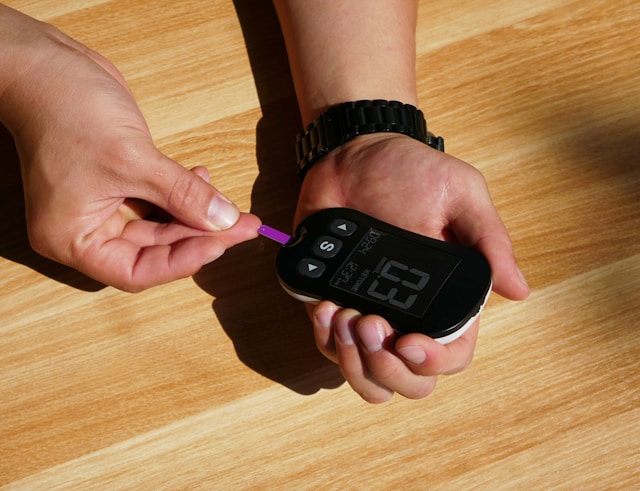
Ketone testing helps confirm that the modified Atkins diet is working and that you are staying in a therapeutic range for seizure reduction.
7. Keep Medications the Same for the First Month
Anti-seizure medications should not be changed during the first four weeks. Liquid versions are allowed even if they contain small amounts of carbohydrates.
8. Supplements
Daily supplements recommended:
- A standard multivitamin
- Calcium
No extra supplements are necessary unless advised by a neurologist.
9. Medical Follow-Up
Even though the diet can start at home, it still requires basic monitoring.
Typical schedule:
• No baseline labs needed
• At three months, check CBC, CMP, and fasting lipid panel
• Dietitian involvement becomes important during follow-up
• Reassess the diet at one month to decide if it should continue
10. Prep Before Starting
Planning helps the first week go more smoothly.
Try these steps:
- Look up recipes that encourage you to eat protein
- Read food labels
- Create an eating plan
- Shop for high-fat staples
- Read the food lists from your clinic
- Choose low-carbohydrate snacks carefully and introduce them one at a time
Many medical centers also provide teaching videos, printed guides, or book suggestions.
Should You Do the Modified Atkins Diet?
The modified Atkins diet is not really a general wellness diet. It is a medical nutrition therapy used mainly for people who still experience frequent seizures even after trying anti-seizure medications [3]. Doctors use it because it creates a steady state of ketosis, which can calm the brain’s electrical activity.
That said, the modified Atkins diet is not something to start on your own. It still affects metabolism, blood lipids, and long-term nutrition and even supplementation from multivitamins. Neurologists usually guide the process to make sure the diet is safe, balanced, and effective for the specific seizure type.
If a person has epilepsy that is not responding well to medication, the modified Atkins diet can be a realistic option to discuss with a specialist. If the goal is weight loss or general health, other dietary patterns are much more appropriate and far easier to maintain.
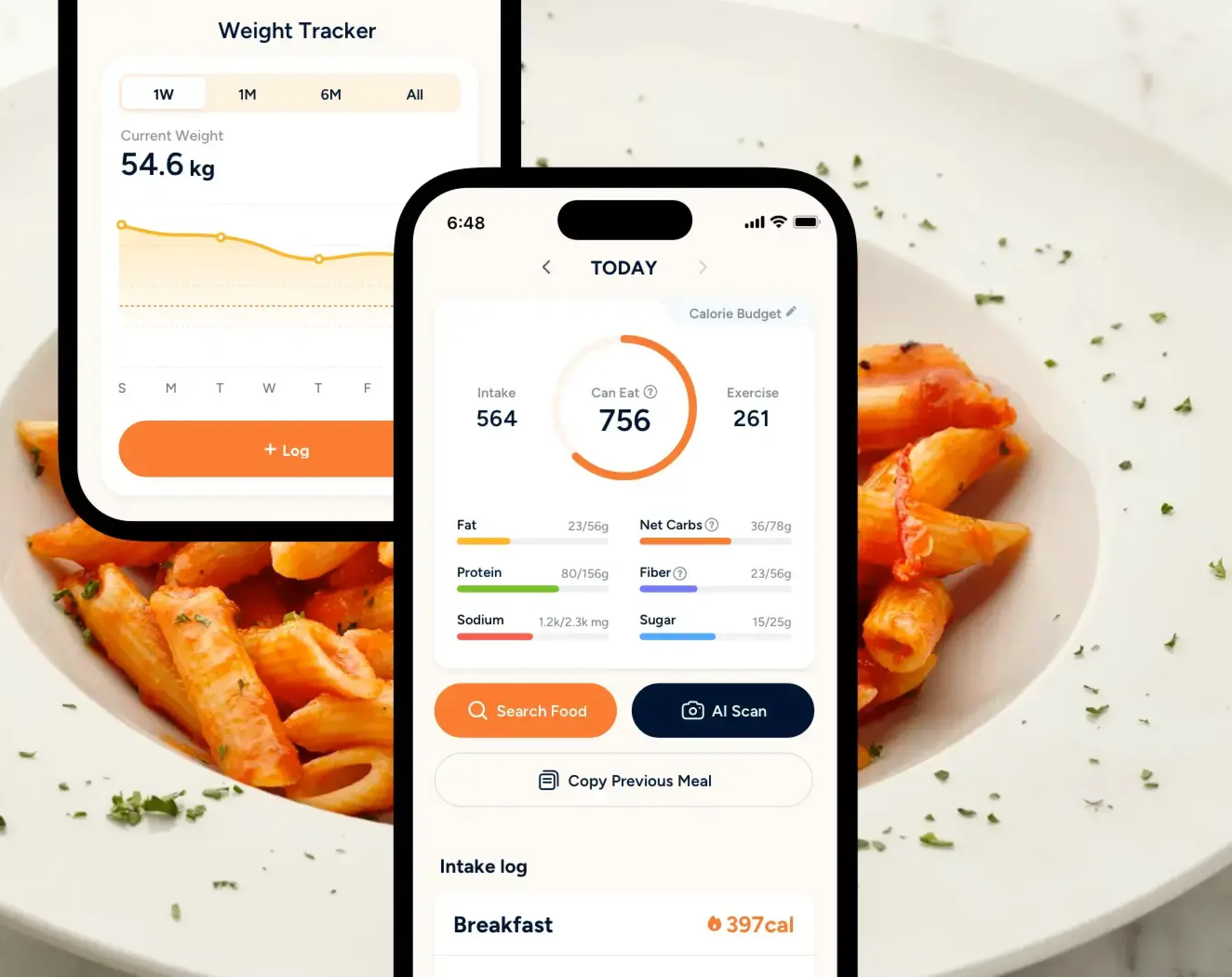
Track your calorie intake and macronutrient levels with the Eato app. Try it for free today!

Smarter Nutrition Tracking
Track calories and over 100 other nutrients all in one place.
Download Eato For Free