Key Takeaways
- Depending on the type of fast you are doing, vitamins and supplements can break a fast.
- Take vitamins during your eating window to prevent a pre-mature breaking of your fast.
- Gummy, chewable, liquid, and sweetened supplements are the most likely to break a fast because they often contain sugar, syrups, gelatin, or small amounts of calories that can trigger a metabolic response.
When discussing weight loss and the benefits of intermittent fasting, your immune system often comes up, specifically the lymphatic system. There is a growing body of science supporting the positive impact of autophagy that comes naturally with intermittent fasting for weight loss. Similarly, the topic of taking vitamin supplements is a common point of discussion, and whether they positively contribute to the potential nutrient gaps commonly faced when intermittent fasting. However, with their minute dosage and negligible calorie count, do vitamins break a fast, especially when taken during the fasting window?
What Is Intermittent Fasting?
Being popular in the recent decade, intermittent fasting is an eating method that cycles between fasting and having unrestricted eating periods.

These cycles can be hours of eating food, to even days of fasting in between. The goal is to trigger “autophagy”, also known as the fat burning state [1]. Fasting can result in weight loss due to the inherent nature of calorie restriction due to a controlled eating pattern.
Types of intermittent fasting
There are many types of intermittent fasting, ranging from OMAD, dry fasting, religious fasting, to fasting specifically for weight loss.
| Fasting Type | Description | Examples |
|---|---|---|
| Complete Alternate Day Fasting (CADF) | This method involves a strict rotation between days of normal food consumption and days where no energy-providing foods or drinks are consumed. | An individual might fast for a full 24-hour period, followed by a 24-hour window of eating whatever they choose. Some research protocols specifically utilize zero-calorie intake on all scheduled fasting days. |
| Modified Alternate Day Fasting / 5:2 Diet | This approach allows for a small amount of food, typically 20% to 25% of daily energy needs, on scheduled fasting days while allowing unrestricted eating on other days. | In the 5:2 diet, a person eats regularly for five days and restricts intake to 500 calories (females) or 600 calories (males) on two non-consecutive days. Another version is the “Every Other Day Diet,” which applies this 500-calorie limit to alternating days throughout the week. |
| Time-Restricted Feeding (TRF) | This requires all daily nutritional intake to occur within a specific hourly window, followed by an extended fasting window for the remainder of the day. | The most common variant is the 16/8 protocol, where a person eats during an 8-hour window and fasts for 16 hours. Other modifications include more restrictive windows like 18/6 or 20/4, or early time-restricted feeding (eTRF) where the eating window ends by mid-afternoon. |
| Religious Fasting | These are diverse fasting practices undertaken for spiritual, ritual, or faith-based reasons according to specific religious calendars. The rules vary significantly, ranging from total abstinence to the exclusion of specific food groups like meat or dairy. | During Ramadan, Muslims refrain from all food and liquid from dawn until sunset for an entire month. Other examples include the Daniel Fast, which is a 10- or 21-day vegan-like diet, and Yom Kippur, which involves a full 25-hour fast from all food and water. |
Do Vitamins Break a Fast?
As long as there are calories in your vitamins, it is enough to spike insulin and result in a fast breaking. So, vitamins will break a fast if they contain additives which is common in flavorings of the vitamin.
What Supplements Break Intermittent Fasting?
These supplements contain calories, protein, or sugar that spike insulin and stop the cellular cleanup process known as autophagy.
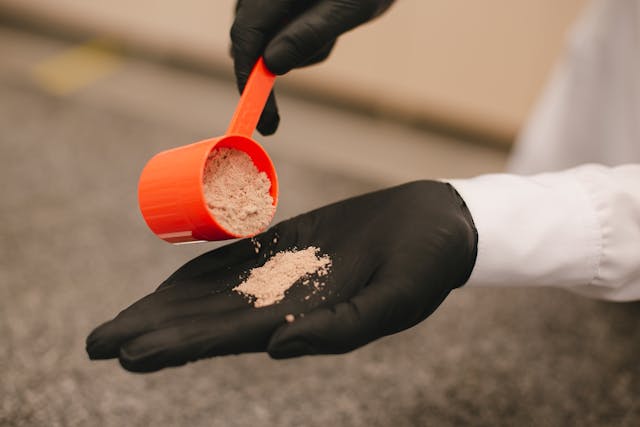
- Protein-Based:
- Protein Powder: Highly insulinogenic; stops autophagy immediately.
- Collagen: Pure protein; breaks the metabolic fast.
- BCAAs: Specifically Leucine, which triggers an insulin response.
- Bone Broth: High in amino acids; best saved for breaking your fast.
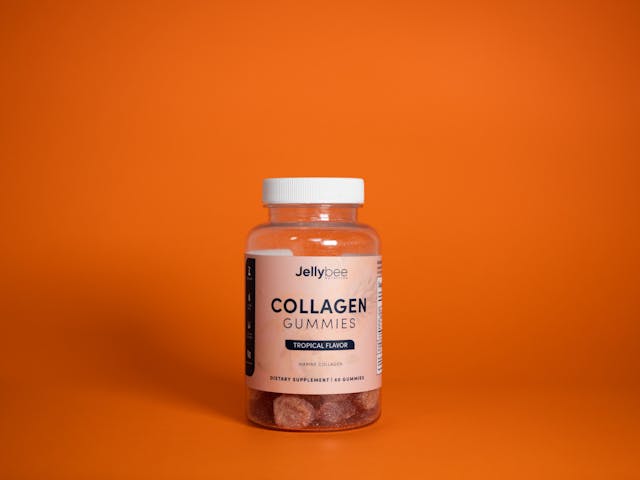
- Sugar/Syrup-Based:
- Gummies & Chewables: Contain gelatin, sugar, or sugar alcohols (sorbitol).
- Liquid Vitamins: Often suspended in flavored syrups or glycerin.
- Fruit Concentrates: High fructose/glucose causes immediate blood sugar spikes.
- Kombucha: Residual sugars and juices will halt your progress.
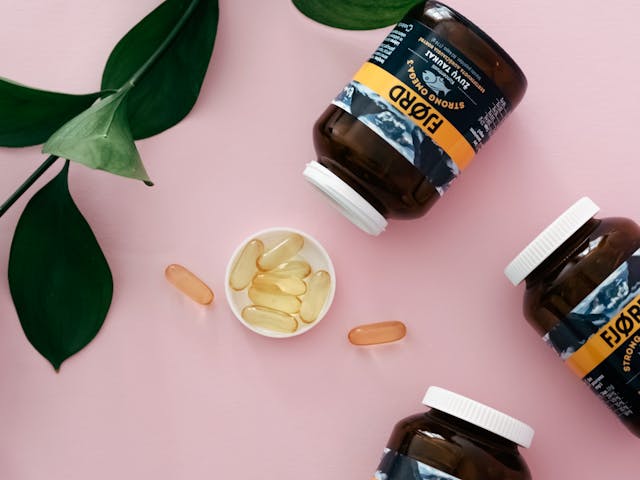
- Probiotics/Prebiotics: Some prebiotic fibers contain approx 1.5 kcal per gram. If you take a large dose, it might technically count.
- Fish Oil/Algae Oil: Pure fat doesn’t spike insulin, but fat-soluble vitamins (A, D, E, K) need a meal to be absorbed properly anyway.
What Supplements Will Not Break a Fast?
| Supplement | Why it’s safe |
| Electrolytes | Essential for preventing “keto flu” and cramps. Must be unflavored. |
| Creatine | Pure monohydrate is calorie-free and helps maintain muscle. |
| Pill-form Minerals | Zinc, Selenium, and Magnesium (as long as they aren’t gummies). |
| Water-Soluble Vitamins | B-Complex and Vitamin C are safe, though may cause nausea on an empty stomach. |
| Standard Multivitamins | Safe if they are compressed powder tablets or capsules. |
Foods You Can Eat While Fasting

Although most foods are “not allowed” when fasting, here are some things you can consume while on a fast without worrying whether it will break your fast [3].
- Water
- Tea (no sugar)
- Black Coffee (no sugar, creamer)
What Are Vitamins?
For many, vitamins are taken for their purported health benefits, due to the proliferation of indirect evidence that hint at the potential cognitive benefits to them. Although not taken directly to lose weight, vitamins (and minerals) have been used more synonymously in the weight loss space online, debating their benefits, and whether they “technically break” a fast.
Vitamins are essential compounds, naturally occuring in the fresh, whole foods and drinks we consume, that keeps our organs healthy and may contribute to the immune system strengthening.
Are vitamins and supplements safe?
While most vitamins are safe at their recommended doses, taking vitamin supplements or nutritional supplements are not without their significant risks.
Over 23,000 emergency department visits each year in the US are directly attributed to adverse reactions from these dietary supplements.

These visits are often from ingredients found in the supplements, which are toxic, or not safe for human consumption in large amounts like heavy metals, stimulants and steroids [4].
Similarly, overdosing is a potential danger when taking medications, specifically fat soluble vitamins (A, D, E and K). Unlike water soluble vitamins, these fat soluble vitamins can more easily exceed Tolerable Upper Intake Levels (UL), as they accumulate and are stored in the liver, rather than being flushed out through urine.
- Vitamin A: Excess can lead to liver damage and, in pregnant women, birth defects.
- Vitamin E: High doses have been linked to an increased risk of hemorrhagic stroke and, in some studies, a slight increase in overall mortality.
- Calcium: Over-supplementation is associated with kidney stones and the calcification of soft tissues.

Certain supplements can also negatively interact with prescription medication. For instance:
- Vitamin K can reduce the effectiveness of blood thinners like warfarin.
- St. John’s Wort can speed up the breakdown of many drugs (including birth control and antidepressants), making them less effective.
- Antioxidants (like Vitamin E or C) might reduce the effectiveness of certain types of cancer chemotherapy.
Before deciding to take any vitamin supplements, consult a healthcare professional.
Types of Vitamins
Depending on your concern, some may take vitamins while fasting to prevent deficiencies. Vitamins are categorized based on how the human body absorbs, stores and excretes them, resulting in 2 different groups; fat soluble vitamins and water soluble vitamins [5].
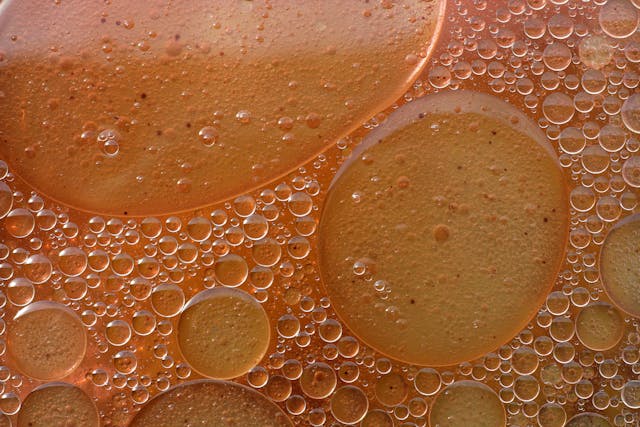
Fat soluble vitamins should be eaten with food, as they are best absorbed by the body when they are able to bind to fats. Water soluble vitamins need to be consumed through daily food, as they can be easily passed out by the urine, and are not stored in the body [5].
Comparison of fat-soluble vitamins and water-soluble vitamins
| Feature | Fat-Soluble Vitamins | Water-Soluble Vitamins |
| Specific Vitamins | A, D, E, and K | Vitamin C and all B-complex vitamins |
| Absorption | Better absorption when consumed with dietary fats (e.g., olive oil, nuts, or avocado). | Absorbed directly into the bloodstream; does not require dietary fat. |
| Storage | Stored in the liver, fatty tissues, and muscles for future use. | Generally not stored by the body (surplus is eliminated through urine). |
| Frequency | Can stay in the body for long periods; daily intake is less critical. | Must be consumed daily because they are not retained. |
| Notable Exception | N/A | Vitamin B12 is the exception; it can be stored in the liver for several years. |
How Many Calories Break a Fast?
A fast is technically “broken” when a substance is able to trigger a metabolic response. Such metabolic responses can include an insulin response, which brings the body out of autophagy (or a fasted state). So, by the stricted definition, anything with calories will break a fast. That’s why, during the fasting period, many people will avoid even healthy foods and even zero calorie artificial sweeteners for fear that it may accidentally break a fast.
How to Break a Fast Safely
First, during fasting, it is recommended to rest and to avoid strenuous and physical activities, both planned and spontaneous.

Avoid foods that are high in fat, or eating large meals, as they may increase the chances of “refeeding syndrome”. Refeeding syndrome is potentially fatal, caused by a sudden large ingestion of food during a feeding window after an extended period of fasting, or undernutrition, caused by hypophosphtaemia. [6] Hypophosphataemia is fluid and electrolyte shifts in your body. Additionally, refrain from consuming refind sugars or processed carbs, as they can cause a large insulin spike that causes a “crash” in your energy levels, which may leave you feeling fatigued.

Instead, consume bone broth or vegetable broth, as they provide you with electrolytes and amino acids, that can be easily digestable. Alternatively, diluted fruit and vegetable juice can work as well. Depending on how long you’ve fasted, you can consider consuming some thoroughly cooked vegetables, those that are softer like steamed spinach, carrots, potatoes or zucchini. Having it thoroughly cooked through will break down on the fibres, which makes it easier on your gut, rather than raw fibrous vegetables.
Functions of Vitamins
The best source of vitamins come from a balanced diet. Not eating enough fruits, vegetables, beans, lentils, whole grains and fortified dairy foods may increase your risk for health problems, including heart disease, cancer, and poor bone health (osteoporosis) [7].
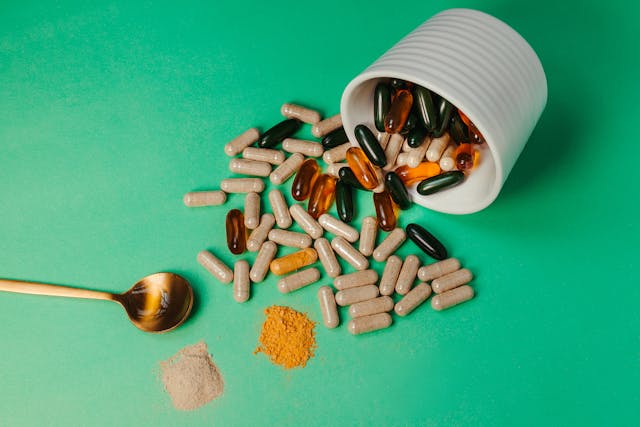
Fat-soluble vitamins include A, D, E, and K.
Vitamin roles and food
| Nutrient | Key Health Role | Foods with the Vitamins |
| Vitamin A | Forms/maintains healthy teeth, bones, skin, and retina tissue (vision). | Beef liver, carrots, sweet potatoes, spinach, and cantaloupe. |
| Vitamin B1 (Thiamine) | Changes carbs into energy; essential for heart and nerve function. | Pork, sunflower seeds, whole grains, and enriched cereals. |
| Vitamin B2 (Riboflavin) | Works with other B vitamins for body growth and red blood cell production. | Milk, yogurt, eggs, lean meats, and green leafy vegetables. |
| Vitamin B3 (Niacin) | Maintains healthy nerves and skin; can lower triglycerides at high doses. | Chicken breast, tuna, turkey, peanuts, and brown rice. |
| Vitamin B5 (Pantothenic Acid) | Essential for metabolizing food and producing hormones and cholesterol. | Mushrooms, avocado, chicken, sunflower seeds, and eggs. |
| Vitamin B6 (Pyridoxine) | Maintains brain function and red blood cells; requirement increases with high protein intake. | Chickpeas, salmon, potatoes, bananas, and fortified cereals. |
| Biotin (B7) | Essential for metabolizing proteins/carbs and producing hormones. | Cooked eggs (especially the yolk), almonds, sweet potatoes, and onions. |
| Folate (B9) | Also known as folic acid, it works with B12 to form red blood cells; critical for DNA and preventing birth defects. | Dark leafy greens (spinach/kale), beans, asparagus, and citrus fruits. |
| Vitamin B12 | Crucial for metabolism, red blood cell formation, and the entire nervous system. | Clams, beef, nutritional yeast, milk, and eggs. |
| Vitamin C | Antioxidant for healthy teeth/gums; helps absorb iron and promotes wound healing. | Red bell peppers, oranges, strawberries, broccoli, and kiwi. |
| Vitamin D | The “sunshine vitamin”; necessary for the development of healthy teeth and bones. | Fatty fish (salmon/mackerel), fortified milk, egg yolks, and sunlight. |
| Vitamin E | Helps the body form red blood cells and effectively use Vitamin K. | Wheat germ oil, sunflower seeds, almonds, and hazelnuts. |
| Vitamin K | Essential for normal blood coagulation and contributes to bone health. | Kale, spinach, collard greens, Brussels sprouts, and broccoli. |
| Choline | Supports normal brain/nerve function; prevents liver swelling. | Whole eggs, beef liver, chicken, soybeans, and potatoes. |
| Carnitine | Helps the body change fatty acids into usable energy. | Beef, pork, cod, chicken breast, and dairy products. |
Final Words: So, Do Vitamins Break a Fast?
Well, ultimately it depends on how you consume these vitamin supplements. If eaten in a gummy form or with added sugar, these vitamin supplements are likely to break your fast. Before consuming these vitamins, take note that B vitamins, especially if eaten on an empty stomach, can cause gastrointestinal discomfort. Therefore, the general rule of thumb is to avoid taking vitamins on an empty stomach, but rather, take vitamins with food. And depending on the type (water soluble vitamins vs fat soluble vitamins), pair it with the necessary food group.
However, remember to consult your healthcare provider if you plan to make any drastic changes to your diet. If you insist to take vitamins while fasting, the safest way is to do it in your eating window, or when you break your fast.
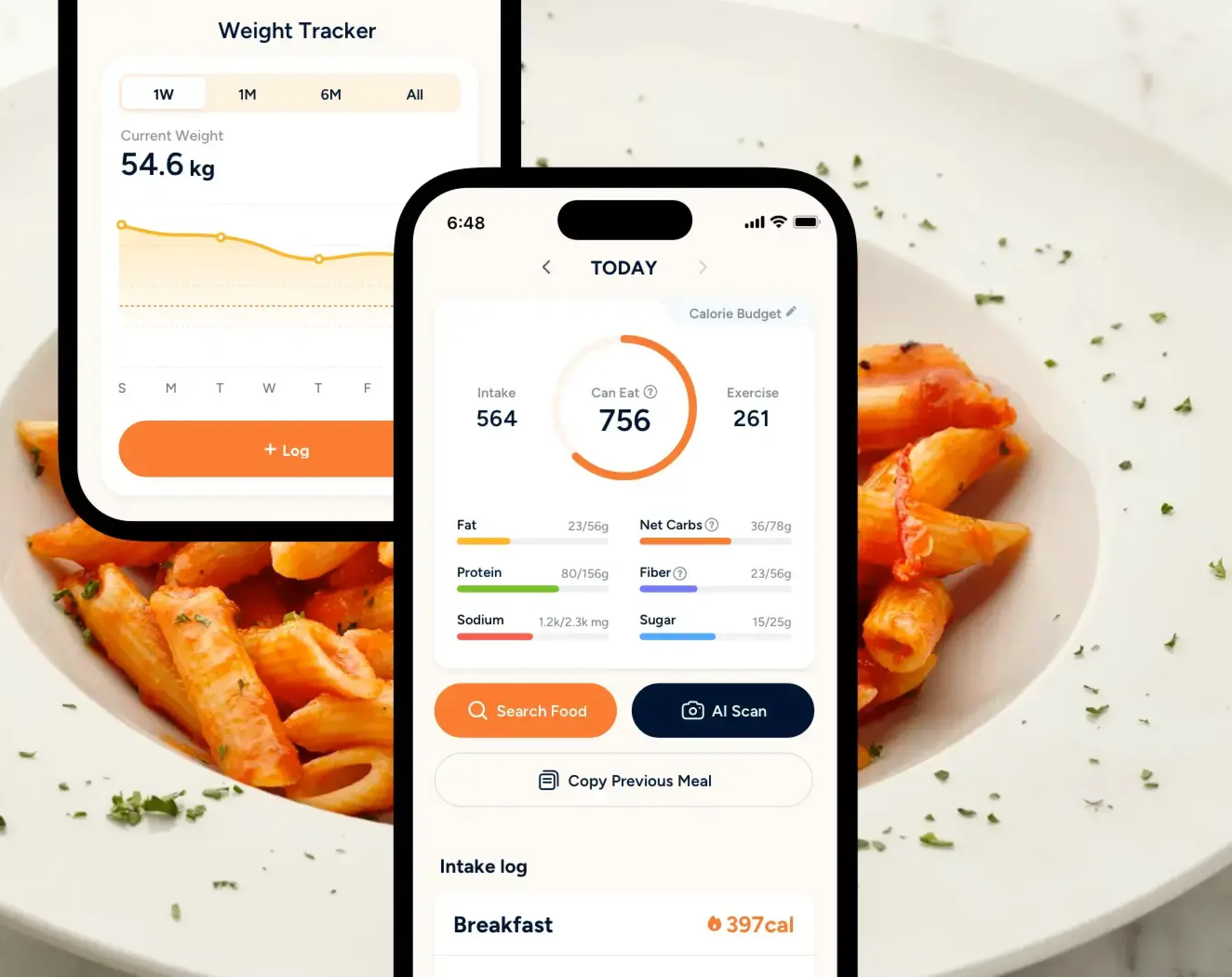
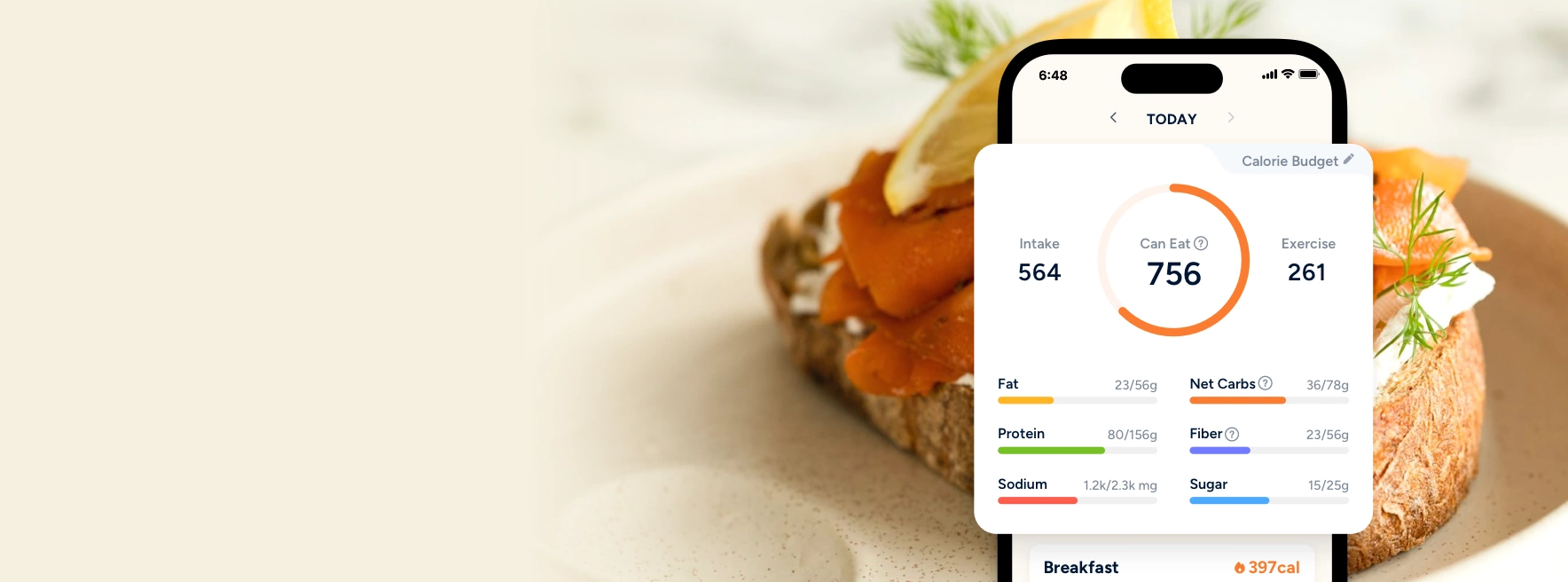
If you’re ever unsure as to what breaks a fast, use Eato‘s calorie counter to check: if it’s above 0 calories, it will likely break a fast. Track your nutrition, plan meals, and calculate your daily calorie intake alongside your after-fasting consumption so that you can effectively achieve your health goals safely. Try it today for free!
Smarter Nutrition Tracking
Track calories and over 100 other nutrients all in one place.
Download Eato For Free