Key Takeaways
- Drinking tea is common in Asian culture and tea may have many benefits including weight loss and catechins.
- Intermittent fasting is the fasting of food and beverages which may cause an insulin response.
- Most teas do not break a fast, unless it is added with sugar, honey or lemon.
Drinking tea has many benefits, other than hydration and quenching your thirst. Common in Asian culture, the act of drinking tea has been picking up overseas, with matcha green tea consumption becoming social media viral This is to the point where Japan’s matcha green tea exports hit an all-time high in 2025. But once you start intermittent fasting and if you are someone who enjoys a morning tea or a peppermint tea before bed, what you drink may affect your fast. So, does tea break a fast? Let’s find out.
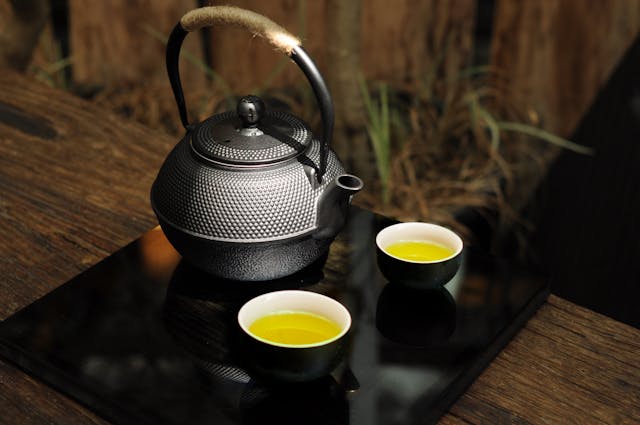
What Is Intermittent Fasting
Intermittent fasting is a type of dietary pattern that cycles between periods (or windows) of fasting and eating. This is based on the schedule you choose. Unlike the diets that follow what to eat and what not to eat, intermittent fasting focuses more on the time in which you can/cannot eat. Popular fasting regimens include 12:12, 14:10, 16:8, alternate-day fasting.
- Fasting window: no calorie intake
- Eating window: calorie intake (you consume food)
People fast for many reasons, including:
- Weight loss and fat burning
- Improved insulin sensitivity
- Glucose control
- Support for cellular homeostasis and autophagy
- Long-term overall health benefits for chronic diseases
The main reason for practising intermittent fasting is for the metabolic effects, otherwise known as ketosis and autophagy.
Ketosis
Ketosis is the process in which your body shifts its primary fuel from glucose to stored fats and ketones. During fasting, the body lowers insulin levels, shifts towards stored fat use, and changes several metabolic effects, regulating cellular homeostasis. This happens about 12-36 hours after fasting, and elevated ketone levels also have the added benefit of suppressing appetites.
Autophagy
On the other hand, autophagy is where cells recycle their damaged parts. It is believed that the process of autophagy can help mitigate any neurodegenerative processes and support metabolic health.
What Can You Eat or Drink During Intermittent Fasting
Depending on the type of intermittent fasting you are doing, the type of food and drink you can consume may vary. For instance, religious fasts done during Ramadan are strictly dry fasting, compared to a 16:8 water fast.
The general rule of thumb when it comes to fasting is to only consume the following during your fasting periods:
- water
- plain black coffee (no creamers, no sugar)
- plain unsweetened green tea
Some people undergoing fasting may also choose to consume zero-calorie drinks, such as sugar-free diet soda.
For those on a less strict fasting regimen, they may also have beverages flavoured with lemon juice or apple cider (both of which will break your fast but contribute very few calories).
What breaks a fast?
If you are fasting for metabolic reasons, the biggest concerns are drinks or foods that provide energy or trigger an insulin response.
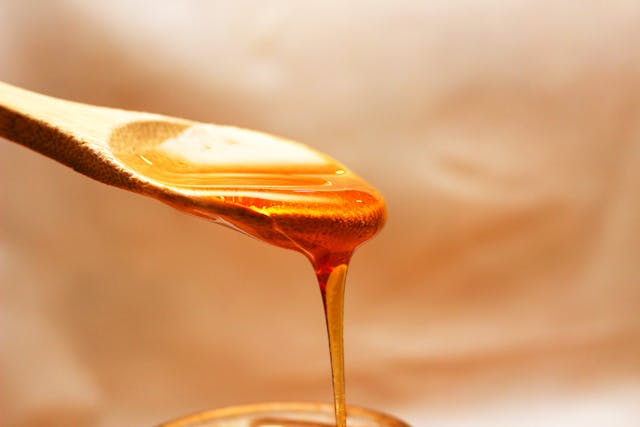
These usually include:
- Sugar
- Honey
- Syrups
- Adding milk
- Creamers
- Sweetened green tea
- Sweetened bottled tea
- Sweetened milk tea
- Large amounts of lemon juice
Some people also avoid artificial sweeteners, since they may increase cravings, reinforce a sweet tooth, or affect appetite regulation in susceptible individuals.
Does Tea Break a Fast?
Depending on the type of tea that you are consuming, drinking tea while fasting may or may not break your fast.

Tea with additives like sugar, cream and milk will add calories, micronutrients and macronutrients, which will definitely break a fast, compared to one without. Additionally, drinking tea with those additives may cause the milk proteins within to bind to the tea polyphenols, which decreases the antioxidant capacities of the tea.
The general consensus is that tea does not break a fast, but that depends strictly on the type of tea, artificial sweeteners and if any additives were included in the process of making the tea.
Does green tea break a fast?
Green tea is a uniquely unfermented tea with minimal processing, allowing it to retain up to 30% of its dry weight in catechin [1]. The regular consumption of green tea is inversely associated with impaired fasting glucose (IFG) and can lower fasting plasma glucose levels and improve insulin sensitivity by regulating enzymes involved in glycogen synthesis.
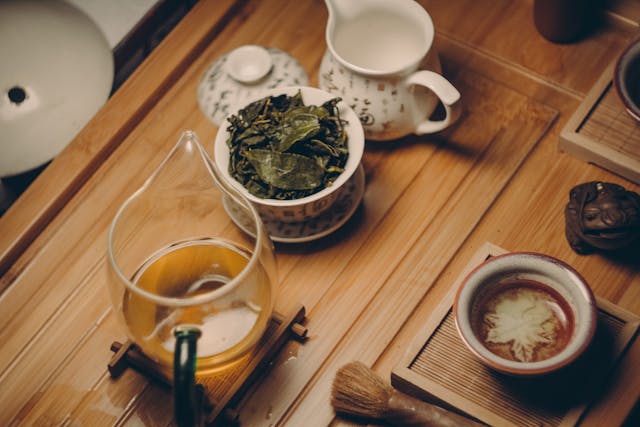
What this means is that green tea can help to keep your baseline blood sugar low and down-regulate liver enzymes from preventing blood sugar from rising. Therefore, green tea does not break a fast while being chock full of health benefits. That is why plain green tea is often considered one of the best teas for fasting.
Does matcha tea break your fast?
Matcha tea may have similar or stronger effects per serving because you consume powdered whole-leaf tea rather than an infusion alone.
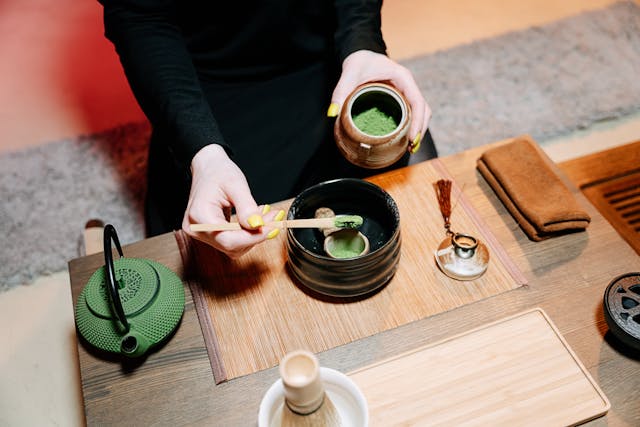
Though matcha drinks sold commercially often contain sugar and should not be assumed to be fasting-friendly without checking the label.
Does Earl Grey tea break a fast?
The evidence of whether Earl Grey tea breaks a fast is slightly more inconclusive than that of green tea.
In terms of a standard calorie-free fast, drinking Earl Grey tea will be considered okay.
However, one clinical trial showed that consuming 1.0g of instant black tea led to increased insulin concentrations at 90 and 150 minutes post-ingestion compared to a water control.
Do herbal teas break a fast?
Herbal teas like peppermint tea, ginger tea, or white tea are commonly drunk for their soothing effects. When consumed plain with no sugar, additives or artificial sweeteners, they do not break a fast.
Benefits of Drinking Tea While Fasting
Metabolic regulation, fat oxidation and mental clarity are some of the health benefits associated with drinking tea.
Other health benefits include:
- Lowering Fasting Glucose: Regular consumption of tea, particularly green tea, is inversely associated with impaired fasting glucose (IFG) and can help lower fasting plasma glucose (FPG) levels.
- Controlling the Liver: During a fast, the liver produces its own sugar through a process called gluconeogenesis. Tea compounds can down-regulate the enzymes responsible for this process, preventing blood sugar from creeping up while you aren’t eating.
- Improving Insulin Sensitivity: Tea polyphenols, such as EGCG, improve how sensitive your cells are to insulin, which “primes” the body to handle energy more efficiently when you eventually break your fast.
- Increased Energy Expenditure: The combination of catechins and caffeine in green and oolong teas can modestly increase energy expenditure and fat oxidation.
- Reduction of Abdominal Fat: Regular tea intake has been associated with lower body weight and reduced abdominal fat, which are critical factors in managing metabolic syndrome
- Vascular Function: Regular consumption of black tea has been shown to improve flow-mediated dilation (FMD), which is a key marker of endothelial and vascular health
- Arterial Stiffness: Specific gut bacteria promoted by black tea, such as Flavonifractor plautii, are associated with reduced arterial stiffness
These findings are still evolving, but they help explain why tea is often studied in connection with heart disease, diabetes risk, and other chronic diseases.
How to Break a Fast Safely
For your non-fasting days or when you want to finally end your fasting time, it is important to know how to break a fast safely in order to prevent “refeeding syndrome”.
This is what is generally recommended to break a fast:
- Electrolyte-rich bone broth
- Boiled vegetables
Refeeding syndrome
Refeeding syndrome is when your body reacts metabolically due to the insulin spike and lack of electrolytes, which disrupts normal body functions. One of the most important electrolytes, phosphate, is at risk of being depleted during “refeeding syndrome”. The disruption can affect muscle function, heart rhythm, breathing, and your nervous system, leading potentially to irregular heartbeat, weakness or fatigue, confusion, and even fluid imbalance, which can be deadly.
Final Words: Does Tea Break a Fast?
If your tea is calorie-free or contains very few calories, it usually will not meaningfully break a fast for most people. That is why drinking tea during fasting is often treated similarly to plain water, black coffee, or other non-caloric drinks. In practical terms, tea while fasting is usually fine if it is plain and unsweetened.
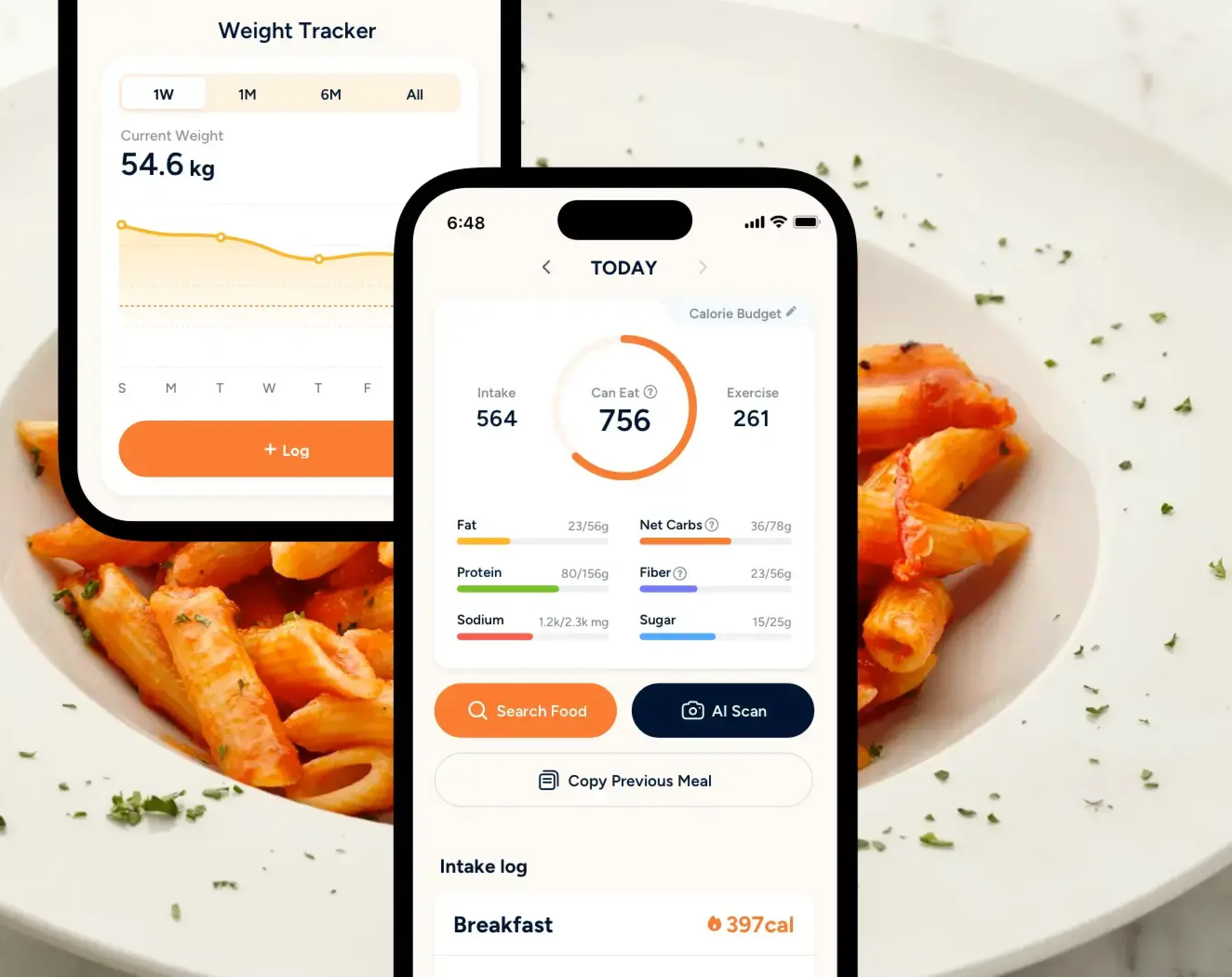
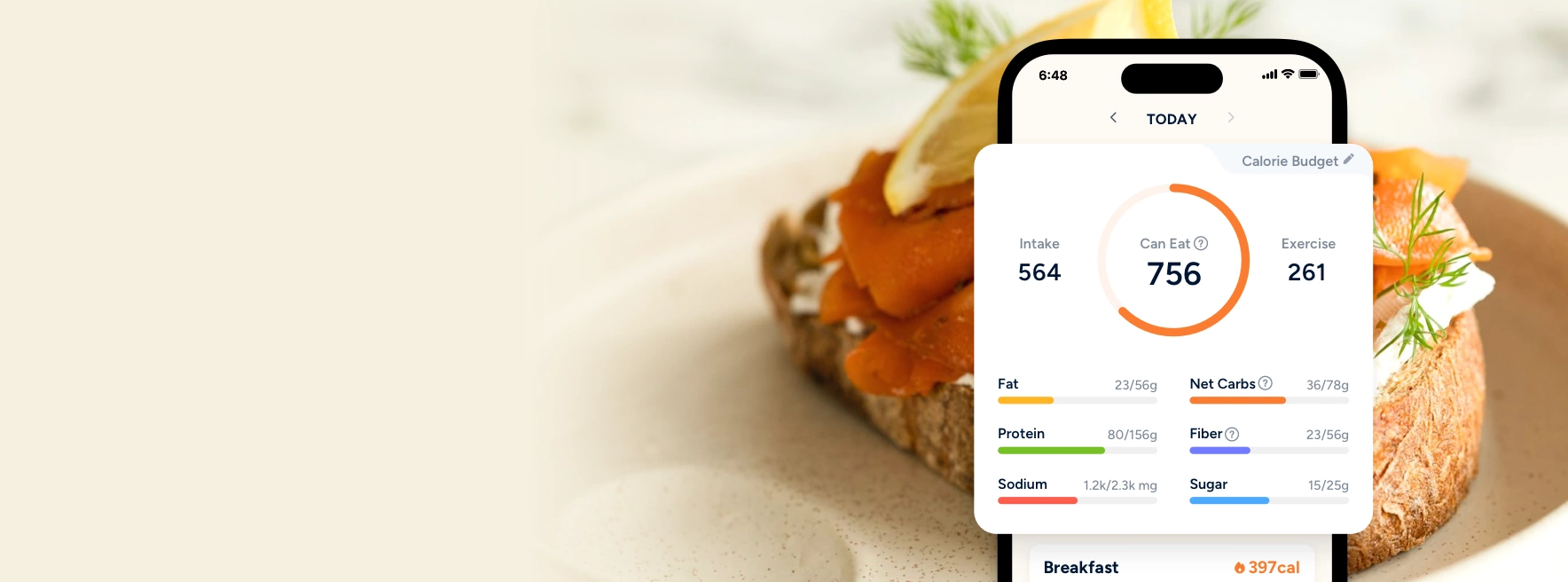
If you’re ever unsure as to what breaks a fast, use Eato‘s calorie counter to check: if it’s above 0 calories, it will likely break a fast. Track your nutrition, plan meals, and calculate your daily calorie intake alongside your after-fasting consumption so that you can effectively achieve your health goals safely. Try it today for free!
Smarter Nutrition Tracking
Track calories and over 100 other nutrients all in one place.
Download Eato For Free