Key Takeaways
- Chewing gum may help with cravings and can be used to extend fasts for some people.
- An occasional piece of sugar free gum may trigger hunger for some, depending on the type of fast you do.
- Chewing itself can increase saliva and may stimulate gastric activity.
Chewing gum comes in all sorts of shapes, flavours, and elasticity. The stick of rubbery substance has been used by many to control hunger, giving the feeling of chewing food without actually consuming anything. It’s touted to soothe cravings and aid in weight loss, similar to diet sodas or sugar-free sodas. However, when it is combined with intermittent fasting when you’re trying to trigger autophagy, does gum break a fast? Will chewing gum result in an insulin response? To really understand if you can chew gum while fasting, let’s take a closer look inside that small stick.
What Is Intermittent Fasting?
Intermittent fasting is an eating pattern that cycles between periods (or “windows”) of eating and not eating. These periods range from several hours to days, depending on the type of schedule you have. These schedules can range from the following:
| Method | How it Works |
| 16:8 (Time-Restricted) | Fast for 16 hours and eat during an 8-hour window (e.g., 12 PM – 8 PM). |
| 5:2 Diet | Eat normally for 5 days a week; restrict to 500–600 calories on 2 non-consecutive days. |
| OMAD (One Meal A Day) | A 23:1 split where you eat all your daily calories in a single one-hour window. |
| Alternate Day Fasting | Fast every other day (either completely or with a very small meal of ~500 calories). |
What can you eat while intermittent fasting?
To avoid breaking a fast completely, sticking to natural options like water, black coffee, or tea is the safest bet.
Health Benefits of Chewing Gum
Almost 70% of chewing gums marketed do not contain conventional sweeteners like table sugar but rather use sugar alcohols like xylitol and sorbitol.

Also known as “polyols”, xylitol and sorbitol are beneficial for dental health, as the bacteria in our mouths are unable to break them down into tooth-eroding acid, which stops the cavity-forming process when you chew sugarless gum [1].
Other benefits [2] include:
- Chewing gum can enhance alertness and sustained attention
- People who chew gum habitually report less stress
- clearance of food debris, reducing bad breath
- Reduction in oral dryness as chewing gum can stimulate saliva
- Increase in biofilm ph
- Remineralization of enamel
Does Gum Break a Fast?
Sugar-sweetened gum is, as its name suggests, gum that is sweetened by sugar and carbohydrates. Due to its composition, it causes insulin levels to rise, which brings your body out of ketosis and into a nutrient-storing mode. On the other hand, sugarless gum or sugar-free gum does not contain the sugar or carbohydrates found in the sugar-sweetened gum.

Other than the polyols mentioned above, sugarless gum also contains several high-intensity sweeteners like aspartame, a common ingredient in zero-calorie sodas or diet sodas that are commonly marketed as “sugar-free”[3].
Aspartame is a common artificial sweetener that, in recent years, has found itself implicated in an increased risk of several chronic health conditions. However, the general consensus is that aspartame itself will not break a fast. Although aspartame does contain amino acids which may theoretically pause autophagy if ingested in large amounts [3].
Despite this, chewing gum inherently has calories. In fact, chewing gum has about 5-11 calories per stick, depending on whether it is sugar-free gum or not. Given that any amount of calories (no matter how little) can break a fast, chewing gum can break a fast.
Does Gum Have Calories?
Yes, chewing gum contains calories, ranging from about 5 to 11 calories per stick, depending on whether the gum is sugar-free gum or sugar-sweetened gum.
In sugared gum, the bulk of the calories comes from sucrose or corn syrup, with an average calorie count of 4 calories per gram. On the other hand, polyols contain about 1.5-3 calories per gram, almost half that of sugar-sweetened gum.
Can You Chew Gum When Fasting?

For strict diets like water fasting or religious fasting, chewing gum is not permitted. The main goal of a fasted state is to keep glucose and insulin low. In those instances, chewing gum will break a fast, which interrupts the intermittent fasting window and might bring you out of ketosis. Additionally, other than stimulating saliva, the act of chewing itself can cause gastric acid to be secreted and increase appetite, which may make it harder to reach your eating window.
What Is the Best Way to Break a Fast?
The best way to break a fast is by sipping on some bone broth, which is rich in electrolytes (sodium, potassium, and magnesium) and collagen. Afterwards, depending on the length and duration of your fast, you might want to consume lean protein, healthy fats and cooked vegetables. Ensure you eat in small, controlled amounts to prevent “refeeding syndrome”.
Refeeding syndrome
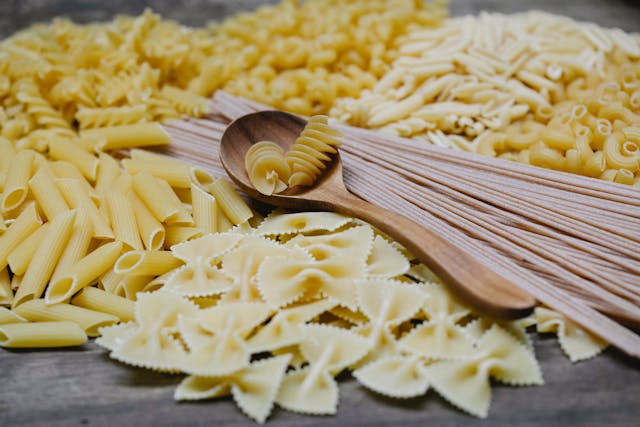
Refeeding syndrome is when your body is low in electrolytes like phosphate, magnesium and potassium, usually after fasting for five or more days, but this can depend from person to person, and you consume a large carbohydrate or protein meal. This can lead to a spike in insulin, where glucose is pulled into the cells, as well as those remaining electrolytes (phosphate, magnesium and potassium). This can cause the levels of minerals in your blood to plummet, leaving the heart and other muscles without them.
Final Words
Chewing gum is a great way to help you curb your appetite and cravings and control hunger pangs, with the sheer variety of flavours that it has. For those focused on weight loss, especially the keto diet, chewing sugar-free gum can be a practical tool to freshen bad breath (or keto breath) without adding many calories. However, if your goal is to trigger autophagy over longer periods, even the few calories found in chewing gum can be enough to break your fast.
But if a piece of gum helps you endure longer periods of intermittent fasting and improves your overall well-being, its nutritional value is low enough that it likely won’t derail your weight loss journey. As with any nutrition plan, listen to your body. If chewing makes your appetite or hunger worse, it’s best to save the gum for your next meal.
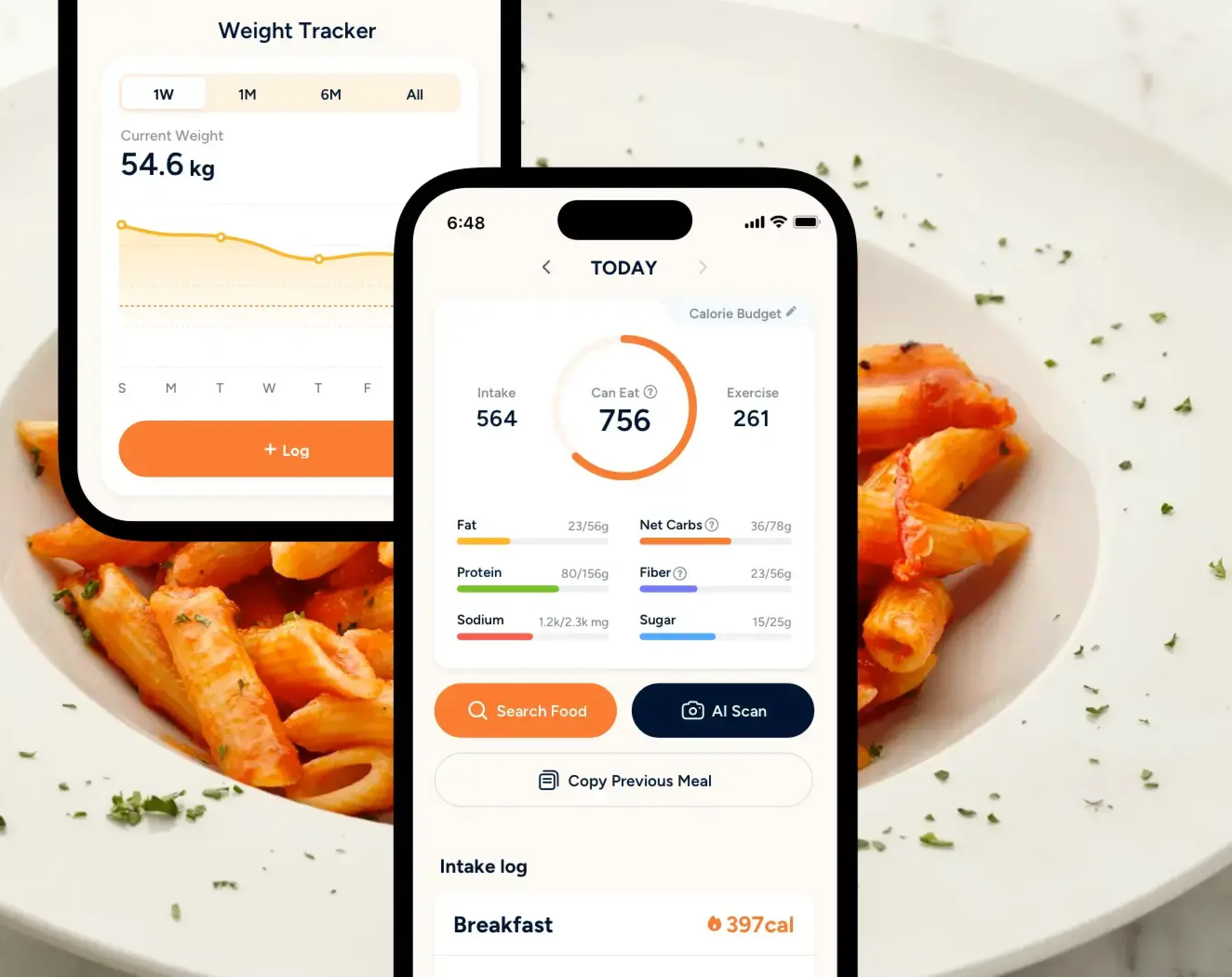
If you’re ever unsure as to what breaks a fast, use Eato‘s calorie counter to check: if it’s above 0 calories, it will likely break a fast. Track your nutrition, plan meals, and calculate your daily calorie intake alongside your after-fasting consumption so that you can effectively achieve your health goals safely. Try it today for free!

Smarter Nutrition Tracking
Track calories and over 100 other nutrients all in one place.
Download Eato For Free