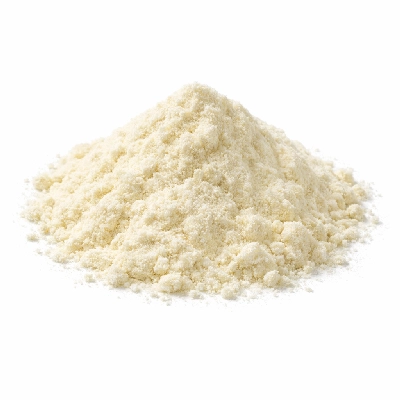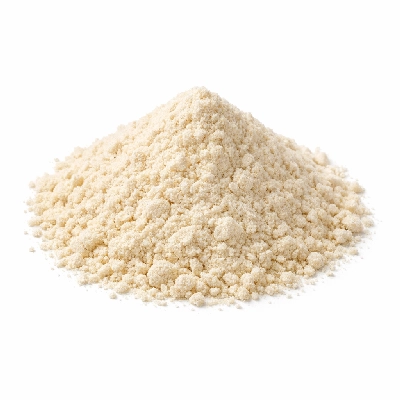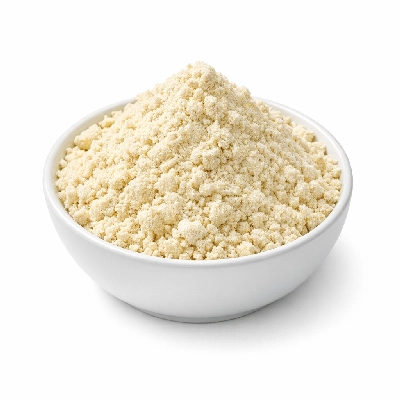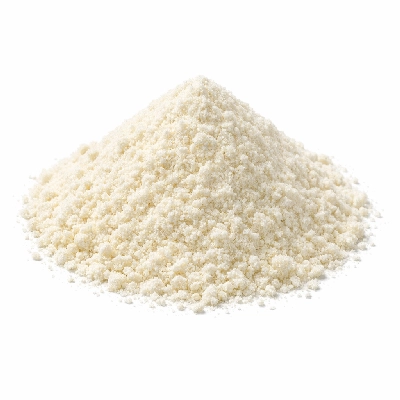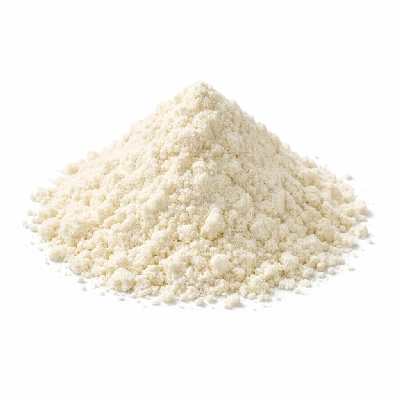
Whey Protein Powder
Source of Calories
Nutrition Facts
| Nutrient | Amount | % Daily Value |
|---|---|---|
| Total Carbohydrates | 2 g | 1% |
| Net Carbohydrates | 1.01 g | 0% |
| Sugars | 0 g | 0% |
| Added Sugars | No data | - |
| Dietary Fiber | 0.99 g | 4% |
| Protein | 25 g | 50% |
| Total Fat | 0.5 g | 1% |
| Saturated Fat | 0.25 g | 1% |
| Monounsaturated Fat | 0.05 g | - |
| Polyunsaturated Fat | 0.1 g | - |
| Trans Fat | 0 g | 0% |
| Cholesterol | 5.12 mg | 2% |
| Vitamins | ||
| Vitamin A | 0 mcg | 0% |
| Vitamin C | 0 mg | 0% |
| Vitamin D | 0 mcg | 0% |
| Minerals | ||
| Sodium | 49.92 mg | 2% |
| Potassium | 160 mg | 3% |
| Calcium | 150.08 mg | 12% |
| Magnesium | 62.4 mg | 15% |
| Iron | 0.36 mg | 2% |
| Zinc | 1.98 mg | 18% |
% DV refers to how much a single serving of an individually packaged food or supplement contributes nutritionally to your daily diet, based on a 2,000-calorie-a-day diet. Generally, having 5% DV or less of a nutrient per serving is considered low, and 20% DV or more of a nutrient per serving is considered high.
Fat Composition
The suggested total fat consumption should be limited to 30% of total energy intake or less. The type of fat consumed should primarily be unsaturated fatty acids, with no more than 10% of total energy intake coming from saturated fatty acids (about 200 calories on a 2000-calorie diet) and no more than 1% of total energy intake coming from trans-fatty acids.
Vitamin Coverage
Vitamin A
0%
Vitamin C
0%
Vitamin D
0%
Vitamin E
0%
Vitamin K
0%
Vitamin B1
16%
Vitamin B2
50%
Vitamin B3
2%
Vitamin B5
35%
Vitamin B6
11%
Vitamin B7
-
Vitamin B9
3%
Vitamin B12
33%
There are 13 essential vitamins required for the body to work properly, which are categorised into two categories: fat-soluble and water-soluble vitamins. Vitamins have a Recommended Dietary Allowance (RDA), provided by the Dietary Reference Intakes (DRIs), which vary by age and sex. The %DV indicates how much one serving contributes to the average recommended daily intake.
Mineral Coverage
Calcium
12%
Iron
2%
Magnesium
15%
Phosphorus
34%
Potassium
3%
Sodium
2%
Zinc
18%
Copper
2%
Manganese
-
Selenium
16%
Minerals are micronutrients, of which 13 of them are essential to the human body. The Recommended Dietary Allowance includes Calcium (1,300 mg/d), Phosphorus (1,250 mg/d), Potassium (4,700 mg/d), Sodium (2,300 mg/d), Chloride (1,500 mg/d), Magnesium (420 mg/d), Iron (18 mg/d), Zinc (11 mg/d), Copper (0.9 mg/d), Selenium (55 mcg/d), Molybdenum (45 mcg/d), Manganese (2.3 mg/d) and Iodine (150 mcg/d).
The data provided by eato.health is for informational purposes only and should not be considered medical advice. Please consult your physician before beginning any diet or nutrition plan.
About
How Long to Burn Off 113 Calories?
*Based on this person: 25-year-old female, 5'7", 144 lbs

Swimming
17 min

Jogging
15 min

Cycling
15 min

Walking
27 min
The data provided by eato.health is for informational purposes only and should not be considered medical advice. Please consult your physician before beginning any diet or nutrition plan.
📚 Health Research & Evidence About This Food
Protein powder is considered a paramount supplement for individuals aiming to build muscle due to its direct role in muscle repair and growth following physical exertion, by supplying amino acids critical for muscle protein synthesis and recovery. It can help individuals with demanding schedules or age-related muscle loss, such as sarcopenia in older adults, meet daily protein targets, according to UCLA Health and Harvard Health. Observational evidence suggests that protein powder supplements, when consumed at typical dietary intake levels, do not pose an increased health risk from heavy metal ingestion, with hazard indices for metals like arsenic, cadmium, mercury, and lead remaining below risk thresholds.
1. A Human Health Risk Assessment of Heavy Metal Ingestion Among Consumers of Protein Powder Supplements.
Source: PubMed
Summary: Protein powder supplements, when consumed at typical dietary intake levels, do not pose an increased health risk from heavy metal ingestion, as all calculated Hazard Indices for arsenic, cadmium, mercury, and lead were below the threshold.
Read More: https://pubmed.ncbi.nlm.nih.gov/33005567/
2. Post-Workout Nutrition: What to Eat After a Workout
Source: Healthline, 2016
Summary: Protein intake, particularly post-exercise, is critical for supplying amino acids necessary for muscle protein synthesis and repair, with daily recommendations varying based on individual needs.
Read More: https://www.healthline.com/nutrition/eat-after-workout
3. How Much Protein Do You Really Need?
Source: UCLA Health
Summary: Protein powders and shakes can serve as suitable supplements for individuals with demanding schedules or elevated protein requirements that are challenging to fulfill solely through whole foods.
Read More: https://www.uclahealth.org/news/article/how-much-protein-do-you-really-need
4. Creatine Vs. Protein: Which Is Better, Post-Workout, and More
Source: Medical News Today, 2022
Summary: Protein powder, available in animal-based forms like whey and casein or plant-based options such as soy and pea, is considered the paramount supplement for individuals aiming to build muscle due to its direct role in muscle repair and growth following physical exertion.
Read More: https://www.medicalnewstoday.com/articles/creatine-vs-protein
5. Weighing Protein Powders - Harvard Health
Source: Harvard Health, 2025
Summary: Protein powders can serve as supportive fillers to help older men meet daily protein targets, especially when facing age-related muscle loss, though a food-first approach prioritizing whole, protein-rich foods is generally advocated.
Read More: https://www.health.harvard.edu/diet-and-nutrition/weighing-protein-powders