Key Takeaways
- Salt mainly provides sodium and chloride.
- Fasting can increase sodium and fluid loss due to hormonal changes and lower insulin levels.
- Maintaining proper hydration and electrolyte intake may help reduce symptoms like headaches, fatigue, dizziness, and muscle cramps, especially during longer fasting periods.
A global advocation of low salt intake has been a mainstay, with many healthcare providers and global health organisations suggesting a low sodium diet of 2.3g/day [1], or about a teaspoon of salt. This target has remained elusive, with no modern population in the world being able to achieve it. Within the intermittent fasting community, salt, or sodium is common topic for discussion; does salt break a fast, how much sodium is too much salt, or whether you can still lose weight if you have been adding salt to water or whether you are consuming enough sodium. For those who practice fasting, understanding the balance of sodium intake is vital as the mineral loss your body undergoes can be different than usual, due to the lowering of insulin levels over the fasting window.
What Is Intermittent Fasting?
Intermittent fasting is an eating pattern that cycles between eating and fasting periods. This means that you set aside time to intentionally eat and not eat [2]. Time restricted feeding limits food intake to a shorter daily eating window like OMAD, 18:6, while periodic fasting involves longer fasting stretches like 5:2 (where you eat for 5 days and fast for 2).

Some forms of intermittent fasting may also lower total weekly calorie intake, for instance, 5:2 lowers intake by about 25% [3], which is one reason it is often linked with weight loss and metabolic health.
Benefits of Intermittent Fasting
Intermittent fasting may support metabolic health in a few different ways. Researchers suggest that its benefits may come from how fasting affects circadian biology, the gut microbiome, and lifestyle habits such as sleep [3].
Anecdotally, intermittent fasting has helped people feel healthier and succeed in weight loss.
Nutritional Value of Salt
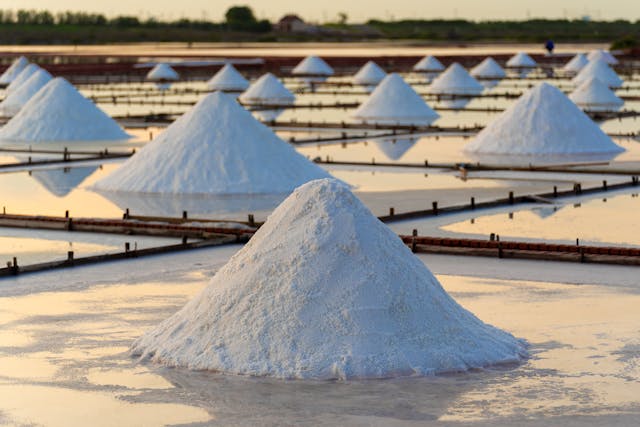
In common terms, salt (specifically table salt) is a mineral compound primarily composed of sodium chloride (NaCl) [1].
Sodium is an “essential nutrient.” It is necessary for:
- Regulating the amount of water in and around your cells.
- Sending electrical signals throughout the nervous system.
- Allowing muscles (including the heart) to relax and contract properly.
1 cup of salt contains 0 calories, 0 g carbs, 0 g fat, and 0 g protein, but it is extremely high in sodium at 113,173.36 mg per cup.
| Salt nutrition facts | Amount per 1 cup | Daily Value |
|---|---|---|
| Calories | 0 Cal | 0% |
| Total Carbohydrates | 0 g | 0% |
| Net Carbohydrates | 0 g | 0% |
| Sugars | 0 g | 0% |
| Added Sugars | 0 g | 0% |
| Dietary Fiber | 0 g | 0% |
| Protein | 0 g | 0% |
| Total Fat | 0 g | 0% |
| Saturated Fat | 0 g | 0% |
| Monounsaturated Fat | 0 g | Not listed |
| Polyunsaturated Fat | 0 g | Not listed |
| Trans Fat | 0 g | 0% |
| Cholesterol | 0 mg | 0% |
| Vitamin A | 0 mcg | 0% |
| Vitamin C | 0 mg | 0% |
| Vitamin D | 0 mcg | 0% |
| Sodium | 113,173.36 mg | 4,921% |
| Potassium | 23.36 mg | 0% |
| Calcium | 70.08 mg | 5% |
| Magnesium | 2.92 mg | 1% |
| Iron | 0.96 mg | 5% |
| Zinc | 0.29 mg | 3% |
About 95% of the global population consume 3 to 6 g of sodium daily, meaning that the current recommended levels of below 2.3 g/day of sodium [1] by entire populations is well below the range of the majority of the world’s experience.
Types of Salt for Intermittent Fasting
There are many types of salt that you can consume while intermittent fasting, but some of the most common ones are table salt, sea salt and Himalayan pink salt.
- Table Salt: Highly refined, often with added iodine (to prevent goiters) and anti-caking agents.
- Sea Salt: Produced through the evaporation of ocean water; contains trace minerals like magnesium and potassium.
- Himalayan Pink Salt: Contains trace amounts of iron oxide (rust), which gives it a pink color, though it is nutritionally very similar to table salt.
Does Salt Break a Fast?
No, salt does not break a fast. Plain salt contains no calories, carbohydrates, protein, or fat, so consuming salt or drinking salt water during a fasting period is unlikely to spike insulin or raise blood sugar.
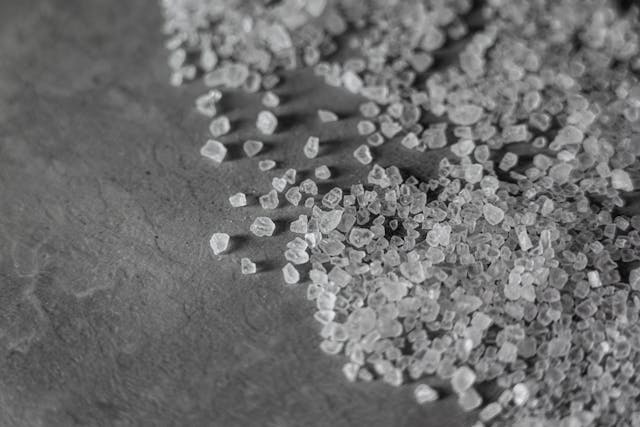
In fact, some people use salt during intermittent fasting to help maintain electrolyte balance, especially sodium levels, since the body can lose sodium through urine, sweat, and increased fluid intake.
5 Potential Drawbacks and Health Benefits of Salt While Fasting
1. Electrolyte Balance
Sodium is the main extracellular cation in the body and is required for many physiologic processes. This makes it important for maintaining electrolyte balance during intermittent fasting [1].
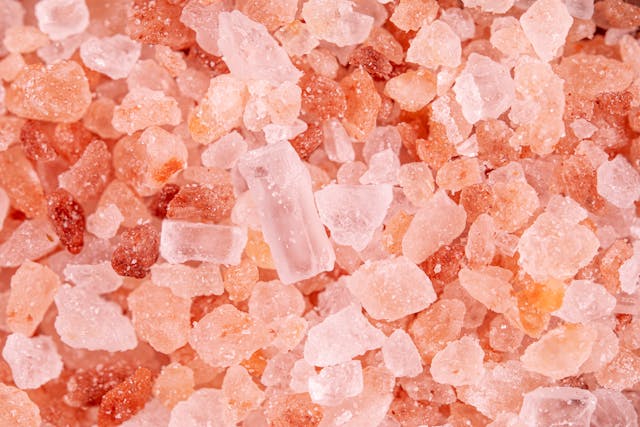
Salt is not the same as a full electrolyte supplement. Table salt, iodized salt, pink salt, pink Himalayan salt, and Himalayan salt mainly provide sodium and chloride, while electrolyte supplements may also contain potassium, magnesium, or calcium [1].
2. Fluid Balance
Sodium helps the body regulate fluid balance, during fasting if insulin drops, fluid intake increases, or the body loses sodium. Excess sodium may contribute to fluid retention in some people, especially those who are salt sensitive.
3. Nerve and Muscle Function
Sodium supports nerve transmission, muscle contraction, and normal muscle function. Getting enough sodium may help support fasting related symptoms such as muscle cramps, especially during prolonged fasting or physical activity.

Muscle cramps are not always caused by sodium deficiency. They may also involve hydration status, potassium, magnesium, training load, or overall electrolyte levels.
4. Blood Pressure Regulation
In many people with normal kidney function and normal blood pressure, the kidney can regulate a wide range of sodium intake through renal, biochemical, endocrine, immune, and neural mechanisms [1].

Some individuals are salt sensitive, meaning moderate changes in sodium intake, around 1 to 2 g/day, can cause marked increases in blood pressure [1].
5. Cardiovascular and Kidney Health
Sodium is an essential nutrient, so very low sodium intake may not be ideal for everyone, especially during prolonged fasting, heavy sweating, or increased sodium excretion [4].
High sodium intake is strongly associated with noncommunicable diseases, including cardiovascular disease and kidney disease.
How Much Salt Should I Eat a Day?
Many people who undergo intermittent fasting do so to prevent something called the keto flu.
Keto flu is a group of symptoms including headache, foggy brain, fatigue, irritability, nausea, diificulty sleeping and constipation, that may appear 2-7 days after starting a keto diet [5].
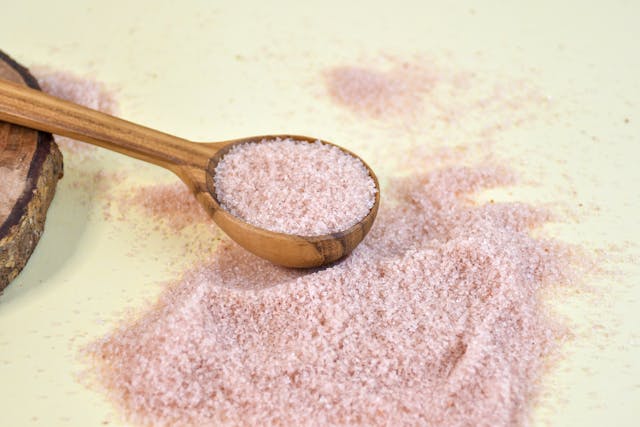
For most healthy adults, a practical reference point is below 2.3 g of sodium per day, which is about 5.8 g of salt per day, or roughly 1 teaspoon of salt [5]. This is the low sodium intake target recommended by several health organizations, mainly because lowering sodium intake may help lower blood pressure and reduce cardiovascular disease risk at a population level.
A healthy blood sodium level is between 135 and 145 millimoles per liter (mmol/L) [6]. Hyponatremia occurs when the sodium in your blood falls below 135 mEq/L.
Most people around the world consume a moderate range of dietary sodium (3 to 5 g/day) [7], that this level of intake is associated with the lowest risk of cardiovascular disease and mortality, and that the risk of adverse health outcomes increases when sodium intakes exceeds 5 g/day or is below 3 g/day.
Symptoms of Low Sodium While Fasting
If you are doing a water fast, or a eat stop eat fast over a period of several days, one of the changes your body will undergo is hormonal changes, specifically insulin [6]. This can cause a chain reaction where your kidneys will excrete more water and sodium (otherwise called natriuresis of fasting), and if you don’t replenish those electrolytes lost in this process, you might develop low blood sodium. Another name for this syndrome to describe when the level of sodium in the blood is lower than normal range is hyponatremia.
Since sodium is an electrolyte, it regulates the amount of water that is in and around your cells. Below are some symptoms, as highlighted by Mayo Clinic, of what you may experience with hyponatremia [6].
- Hyponatremia signs and symptoms may include:
- Nausea and vomiting.
- Headache.
- Confusion.
- Loss of energy, drowsiness and fatigue.
- Restlessness and irritability.
- Muscle weakness, spasms or cramps.
- Seizures.
- Coma.
Dangers of Low Sodium Intake While Fasting
In hyponatremia, one or more factors cause the sodium in the body to be diluted. These factors can range from an underlying medical condition to drinking too much water. When this happens, the body’s water levels rise, and cells begin to swell. This swelling can cause many health problems, from mild to life-threatening.
Adding Salt vs Electrolyte
Many at times, you can hear the two terms used interchangably but “salt” and “electrolytes” are two different things.
According to Cleveland Clinic, electrolytes are substances that have a natural positive or negative electrical charge when dissolved in water [8].
What are Electrolytes?
Electrolytes are essential minerals that help regulate fluid balance, nerve signalling, muscle contractions, and heart function. The body relies on several key electrolytes, each carrying either a positive (+) or negative (−) charge, to maintain normal physiological processes [8].
7 Types of Electrolytes
There are 7 main electrolytes that we consume.
1. Sodium (+)
It is the most abundant electrolyte in the body and plays a major role in fluid regulation and nutrient absorption within cells. Excess sodium, known as hypernatremia, may lead to confusion, abnormal reflexes, seizures, or even coma [8].

On the other hand, low sodium levels, called hyponatremia, can result in nausea, irritability, weakened reflexes, and severe neurological complications.
Foods naturally high in sodium:
2. Magnesium (+)
Supports energy production and is especially important for brain and muscle function.
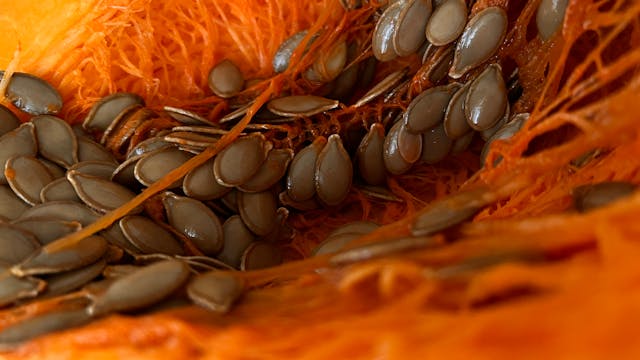
High magnesium levels can disrupt heart rhythms, weaken breathing, and potentially cause cardiac arrest. Low magnesium levels are commonly linked to muscle weakness, twitching, and irregular heartbeats, often occurring alongside calcium or potassium deficiencies [8].
Foods naturally high in magnesium:
3. Potassium (+)
Works closely with sodium to regulate cellular activity and is particularly important for maintaining normal heart function.

Too much potassium may cause weakness, confusion, and dangerous arrhythmias, while too little potassium can lead to muscle cramps, dizziness, excessive thirst, and severe cardiac complications [8].
Foods naturally high in potassium:
4. Calcium (+)
Widely recognised for supporting strong bones and teeth, but it is also involved in nerve signalling, muscle control, and heart rhythm regulation.
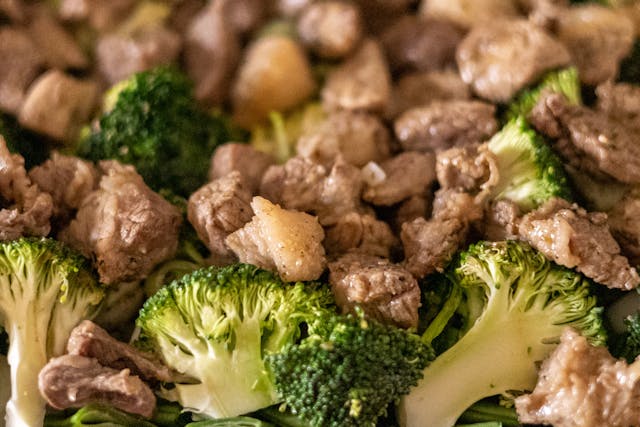
Elevated calcium levels may trigger fatigue, kidney stones, digestive discomfort, or heart rhythm abnormalities. In contrast, low calcium levels can cause muscle spasms, confusion, and breathing difficulties due to impaired muscle control [8].
Foods naturally high in calcium:
5. Chloride (−)
Helps maintain fluid balance and supports the body’s acid base regulation.
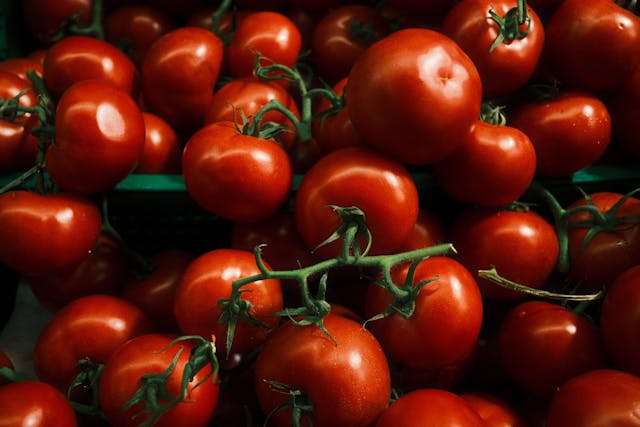
Excess chloride can contribute to acidosis, leading to fatigue, nausea, rapid breathing, and kidney complications. Insufficient chloride may result in alkalosis, which is associated with confusion, arrhythmias, and muscle twitching [8].
Foods naturally high in chloride:
6. Phosphate (−)
Involved in energy transfer, nutrient metabolism, and DNA formation.
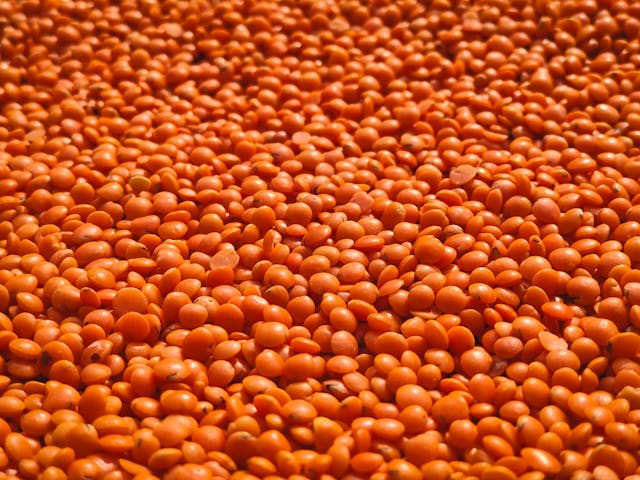
High phosphate levels are often linked to low calcium symptoms and severe itching, while low phosphate levels may cause muscle weakness, seizures, breathing problems, and kidney damage from muscle breakdown [8].
Foods naturally high in phosphate:
7. Bicarbonate (−)
Regulate blood pH by balancing acidity and alkalinity.
Low bicarbonate levels can lead to acidosis, causing fatigue, nausea, and rapid breathing, whereas high bicarbonate levels may result in alkalosis, which can trigger confusion, muscle twitching, and abnormal heart rhythms [8].
Foods that may help support bicarbonate balance:
- Fruits
- Vegetables
- Spinach
- Cucumbers
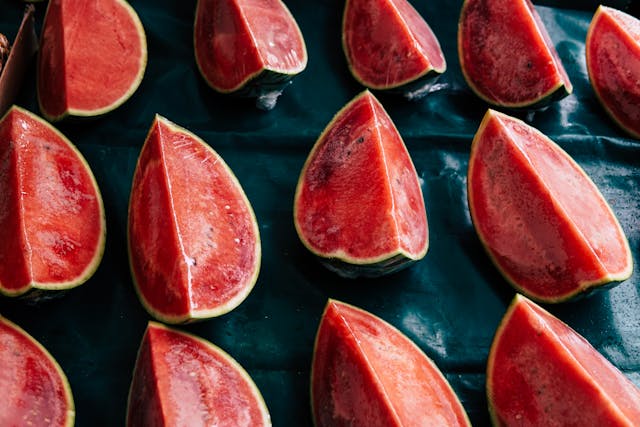
- Watermelon
- Citrus fruits
- Potatoes
- Mineral water rich in bicarbonate
What Can I Drink While Fasting?
While fasting, it is important to keep the calorie intake to zero, or at the very least, near zero. This is to ensure we do not disrupt the natural processes of fasting and possibly autophagy. You can drink:
- Water
- Green tea
- Plain unsweetened tea
- Black coffee
- Water with a bit of salt
- Water with plain electrolyte supplementation
- Sparkling water
Some other more debatable drinks you can consume while fasting is diet soda or diet coke, but whether or not these diet soda break a fast has been contested.
Final Words: Does Salt Break a Fast?
Salt does not break a fast because it has no calories, carbs, protein or even fat. For many people who practice intermittent fasting, adding salt can help to reduce symptoms like headaches, fatigue, dizziness or muscle cramps especially if the fasting period is longer. However, taking too much sodium is also not great, as the amount you need depends on your sweat loss, how much you exercise, fasting duration, medication, blood pressure and kidney health.
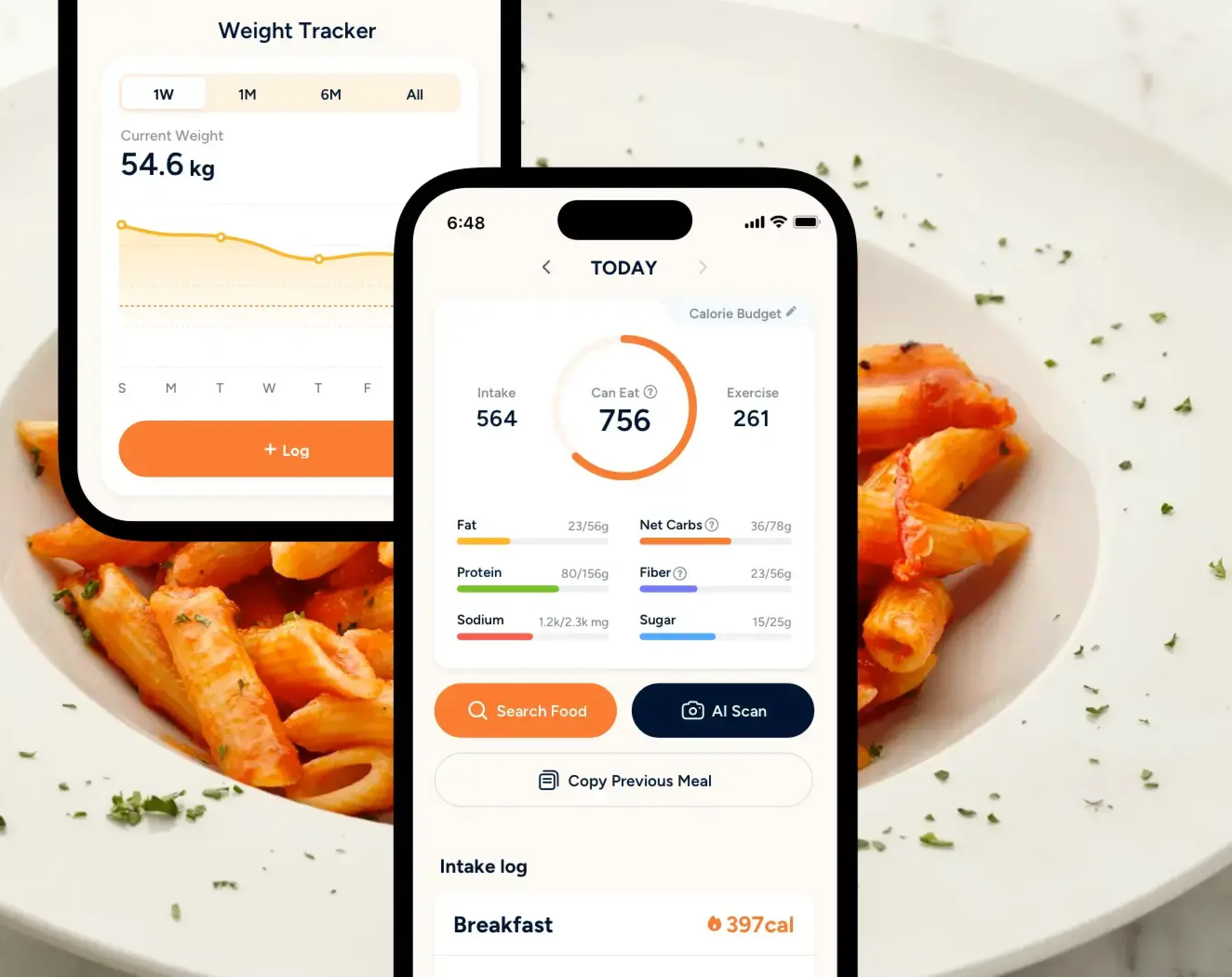
If you’re ever unsure as to what breaks a fast, use Eato‘s calorie counter to check: if it’s above 0 calories, it will likely break a fast. Track your nutrition, plan meals, and calculate your daily calorie intake alongside your after-fasting consumption so that you can effectively achieve your health goals safely. Try it today for free!
Smarter Nutrition Tracking
Track calories and over 100 other nutrients all in one place.
Download Eato For Free