Key Takeaways
- Stevia is a 0-calorie sugar alternative, and is unlikely to negatively impact your fast.
- Stevia may be useful for reducing sugar intake because it is much sweeter than table sugar but does not add the same calories or carbohydrates.
- Stevia may offer potential health benefits, including effects on blood glucose, blood pressure and weight management.
Stevia has been an increasingly popular and common sweetener, replacing sugar in many snacks, drinks and even dishes. Since it has relatively similar taste profiles to other sugars like white sugar, brown sugar or artificial sweeteners without the calorie content, it’s commonly used by those who want to reduce sugar intake while still being able to have sweet-tasting things in their diet. However, does Stevia break a fast?
Stevia’s effects are due to the steviol glycosides, which are 200-300 times sweeter than regular sugar [1]. The synthetic sweetener is also a more affordable commodity, which makes it popular and a cost-effective replacement.

In fact, stevia products can be found in over 40,000 foods and beverages [2], including juices, waters, soft drinks, flavoured milks, yoghurts, baked goods, cereals, salad dressings, sauces, confections, tabletop sweeteners and more, perfect for those with a sweet tooth.
What Breaks a Fast?
Intermittent fasting is the process in which you eat and fast in time blocks. Some popular methods of intermittent fasting include 16:8, OMAD or 5:2. That being said, knowing what will break your fast (or not), is crucial when intermittent fasting, as consuming food at the wrong time can, for a lack of a better way to phrase it, stop autophagy and ruin the efforts you’ve put in.
The factors that affect whether your fast is broken or not include the following:
- If you are able to keep your carbohydrate intake to below 50g per day during a fast, ketosis may be maintained.
- A more conservative version of that belief is to keep your total calorie intake to 0 rather than below 50g of carbohydrates. This reduces the room for error in what will break a fast.
Depending on what fasting method you go by, insulin falls while fasting, resulting in your body using fat as an energy source. However, when you consume something high enough in carbs, it can cause insulin to spike. This spike in insulin response is commonly believed to be responsible for breaking your fast. So, does stevia break a fast?
What Is Stevia?
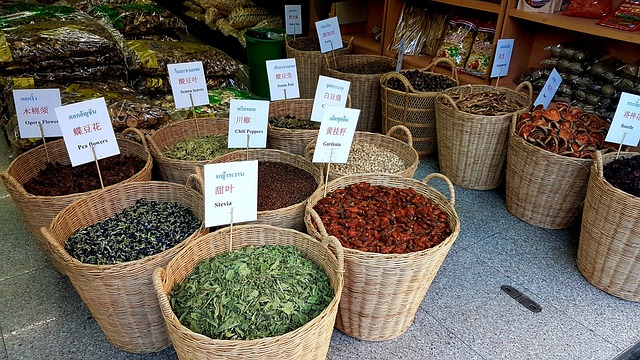
Stevia is derived from the Stevia rebaudiana plant. Stevia is a white crystalline compound called stevioside, which, despite its similarities to aspartame, is a natural sweetener with 0 calories. The pure stevia extract is, on average, about 150 times sweeter than table sugar [3].
Stevia also differs from sugar alcohols. For instance, stevia comes from the stevia plant, but sugar alcohol sweeteners (like aspartame) are carbohydrate-based. In terms of similarity, it is the most similar to monk fruit, both helping in terms of having minimal blood sugar impact and not drastically affecting insulin levels or sugar content. Both are also zero calories and can help reduce sugar consumption and weight loss.
Does Stevia Break a Fast?
No. Consuming stevia will not break your intermittent fasting, as it is a zero-calorie sweetener. Since consuming stevia doesn’t have any calories, it won’t have an effect on your blood glucose levels nor affect your insulin response. It can be used as a 0-calorie sweetener that is safe to consume in your fasting window, without disrupting your fasting schedule.
However, that being said, although stevia itself does not inhibit autophagy or induce metabolic changes that end a fasting state, it is also important to check ingredient labels to ensure that stevia products are 100% pure.
Why is that important to check? Some stevia sweeteners are still able to break your fast depending on what kind of fillers they might have. These fillers include dextrose, maltodextrin, sucrose, glucose, fructose, lactose, erythritol, xylitol, sorbitol, maltitol, inulin or soluble corn fibre.
| Filler in stevia sweeteners | Why it may break a fast |
|---|---|
| Dextrose | It contains calories and can raise blood sugar and insulin. |
| Maltodextrin | A fast-digesting carbohydrate. It can spike blood glucose even though the amount may look small. |
| Sucrose | Regular table sugar |
| Glucose syrup | A sugar-based ingredient that can raise blood sugar. |
| Fructose | A sugar that adds calories and may still break a strict fast. |
| Lactose | Milk sugar. It contains calories and carbohydrates. |
| Erythritol | Usually very low calorie and less likely to affect insulin, but strict fasting purists may still avoid it. |
| Xylitol, sorbitol, maltitol | Sugar alcohols that contain some calories and may trigger a digestive or metabolic response. |
| Inulin or soluble corn fiber | Fibres that may add a small amount of calories and can stimulate digestion, so they may break a strict gut rest fast. |
That’s why checking the nutrition label is important, especially if your fasting goal is to lose weight through fat loss, blood sugar control, or improving insulin sensitivity.
Health Benefits of Eating Stevia
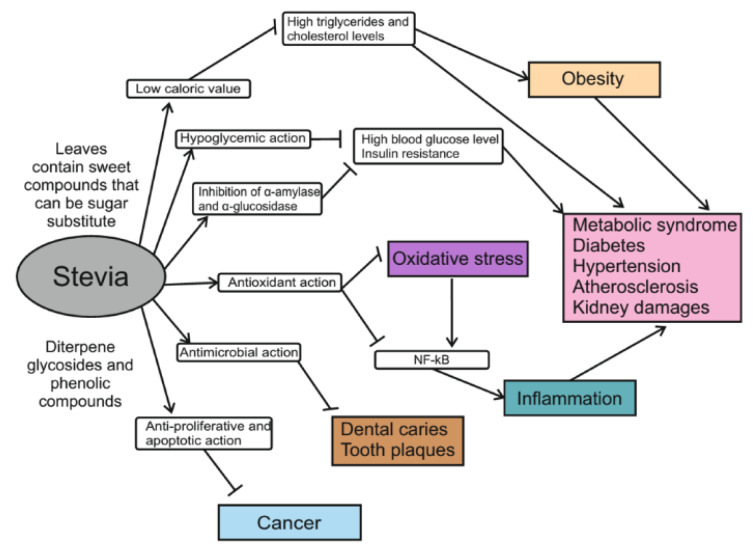
Many studies have shown stevia leaf preparations as a natural, non-caloric sugar substitute.
1. Antidiabetic
Diabetes is a growing health concern, with an estimated 642 million people projected to be diagnosed with diabetes by 2040. In 2019, there were 464 million people who have been diagnosed with diabetes in the world, about 3 times as many as in 2000, where 175 million people were recorded [1].
A study found that diabetic rats given aqueous stevia leaf extract had higher insulin and glycogen levels compared with the control group. After 8 weeks of stevia aqueous extract consumption, random blood glucose decreased by 73.2%, while fasting blood glucose decreased by 66.1% [1].
Although more research needs to be conducted in order to replicate the results in human groups, consuming stevia may have health benefits, like reducing sugar consumption, which contributes to diabetes.
2. Anti-hypertension
High blood pressure, or hypertension, is one of the major risk factors for cardiovascular disease, including myocardial infarction (also known as a heart attack) and ischaemic stroke, where a blood clot blocks your blood vessel [4].
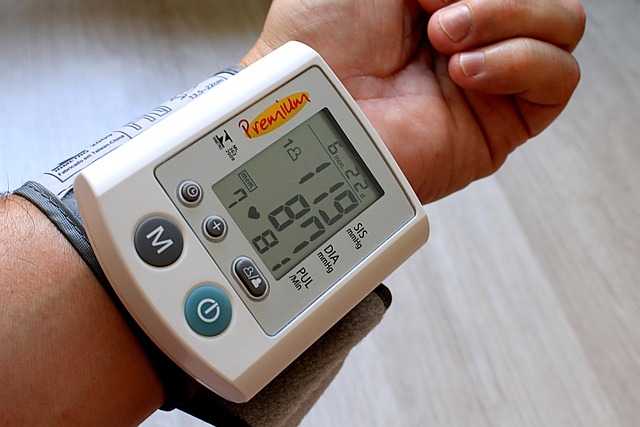
In a study conducted on Stevia rebaudiana, patients with mild hypertension took capsules containing 500 mg of stevioside powder, or a placebo, washed down with plain water three times daily for 2 years. The findings from the study found that oral stevioside significantly reduced both systolic blood pressure and diastolic blood pressure compared with the placebo, which suggests that stevioside may help in managing mild hypertension. However, this is not to say that stevia should be used as a replacement for medicine that’s been prescribed by your doctor.
3. Positive Effect on Obesity
Due to its intense sweetness and as a non-nutritive sweetener, stevia may help with sugar addiction or breaking unhealthy eating patterns that rely on consuming calories through a sugary diet.
Based on an animal study, oral administration of Stevia sweetener at doses of 25, 250, 500 and 1000 mg/kg body mass decreased body weight gain by 40.3, 41.4, 45.0 and 48.3 %, respectively [3].
The researchers suggest that this decrease in body weight could potentially be attributed to the reduced food intake after stevia consumption. Additionally, the stevia sweetener reduced the total cholesterol, triglycerides and low-density lipoprotein cholesterol while also increasing high-density lipoprotein cholesterol in rats.
4. Antioxidant
Stevia may also have antioxidant properties, as its leaves contain phenolic compounds that can protect cells from oxidative stress. The oxidative stress that occurs can be due to an imbalance in free radicals and antioxidants, which can contribute to the inflammation, ageing and development of chronic diseases. Compounds in stevia leaves may be able to neutralise such free radicals and chelate transition metal ions, which may be able to reduce the formation of free radicals through the Fenton reaction [3].
5. Anti-cancer
The results of one laboratory experiment showed that steviol inhibited the proliferation of six types of human cancer cells of the gastrointestinal tract, and high concentrations of stevioside were shown to reduce the viability of colon cancer cells. However, stevia still requires further human studies before it can conclusively be considered anti-cancer [3].
How Much Stevia Can I Eat a Day?
The FDA indicates 27 packets of stevia each day as the ADI, but it’s unlikely that you will hit the 27 packets of stevia due to their intense sweetness [5]. The WHO, on the other hand, recommends 4 mg of stevia per kg of body weight.
Possible Drawbacks of Consuming Stevia Products
There are also some possible drawbacks to consider, even if you’ve got the answer to “Does stevia break a fast?” and want to jump straight into replacing all your sweeteners with stevia. For those that may be sensitive, the intensely sweet taste of stevia can trigger hunger cues or digestive discomfort from stevia, which is why consuming pure stevia in moderation is recommended during fasting.
| Sweetener added to black coffee | Typical amount per cup | Approx sugar | Approx calories | Fasting impact |
|---|---|---|---|---|
| Pure stevia | 20 to 50 mg, 0.02 to 0.05 g | 0 g | 0 kcal | NIL |
| Liquid stevia | 1 to 3 drops, roughly 0.05 to 0.15 ml | 0 g | 0 kcal | NIL |
| Stevia blend | 0.5 to 1 g per packet | Usually 0 g sugar, but depends on fillers | 0 to 5 kcal | Depends on fillers |
| Stevia erythritol blend | 1 to 2 g | 0 g sugar | 0 to 5 kcal | Less likely to break a fast, but stricter fasters may avoid it |
| White sugar | 1 teaspoon, about 4 g | 4 g sugar | 16 kcal | Breaks a fast |
| Brown sugar | 1 teaspoon, about 4 g | About 4 g sugar | 15 to 17 kcal | Breaks a fast |
| Honey | 1 teaspoon, about 7 g | About 5 to 6 g sugar | About 21 kcal | Breaks a fast |
| Maple syrup | 1 teaspoon, about 6 to 7 g | About 4 to 5 g sugar | About 17 to 20 kcal | Breaks a fast |
| Monk fruit sweetener | Often 0.5 to 1 g per packet | Usually 0 g sugar, but depends on fillers | 0 to 5 kcal | Depends on fillers |
| Erythritol | 1 to 2 g for light sweetness | 0 g sugar | Close to 0 kcal | Less likely to break a fast, but may break strict gut-rest fasting |
Common Foods with Stevia
Stevia is commonly found in many low-sugar and zero-calorie products. Listed below are some calorie-free or stevia-sweetened food products that you might find in the grocery store.
| Food or drink category | Common examples |
|---|---|
| Soft drinks | Zero sugar sodas, reduced sugar sodas, flavoured sparkling drinks |
| Flavoured water | Vitamin waters, fruit-flavoured waters, electrolyte waters |
| Juices | Reduced-sugar fruit juices, juice blends, low-calorie juice drinks |
| Tea drinks | Bottled green tea, lemon tea, iced tea, herbal tea drinks |
| Coffee drinks | Ready-to-drink coffee, low-sugar latte drinks, bottled cold brew |
| Protein drinks | Protein shakes, meal replacement shakes, ready-to-drink protein beverages |
| Protein powders | Whey protein, plant protein, collagen powders |
| Yoghurt | Low sugar yoghurt, Greek yoghurt, flavoured yoghurt |
| Flavoured milk | Chocolate milk, strawberry milk, high-protein milk drinks |
| Cereals | Low sugar cereals, granola, fibre cereals |
| Snack bars | Protein bars, keto bars, granola bars, meal replacement bars |
| Desserts | Low sugar puddings, jellies, custards, mousse cups |
| Ice cream | Low-calorie ice cream, no-added-sugar ice cream, keto ice cream |
| Baked goods | Sugar-free cookies, muffins, cakes, brownies |
| Candy | Sugar-free sweets, mints, chewing gum, gummies |
| Chocolate | No added sugar chocolate, keto chocolate, dark chocolate products |
| Sauces | Reduced sugar ketchup, barbecue sauce, sweet chilli sauce |
| Salad dressings | Light dressings, reduced-sugar dressings, vinaigrettes |
| Condiments | Low sugar jams, syrups, spreads |
| Tabletop sweeteners | Stevia packets, liquid stevia drops, stevia blends |
Final Words: Does Stevia Break A Fast?
So, does stevia break a fast? Well, no, but with caveats: it won’t break a fast if it’s pure stevia. Stevia with fillers like sucrose may break your fast. Additionally, stevia might be a healthier alternative to white sugar, table sugar or other sugar alcohols if you are trying to cut down on your sugar intake. Not having much negative impact on your gut microbiota or gut health aside, this sweetener from South America is low-calorie enough to prevent you from breaking your fast. Additionally, it is easy to incorporate it in simple recipes or be used as a substitute for sugar, based on the similarity of the taste.
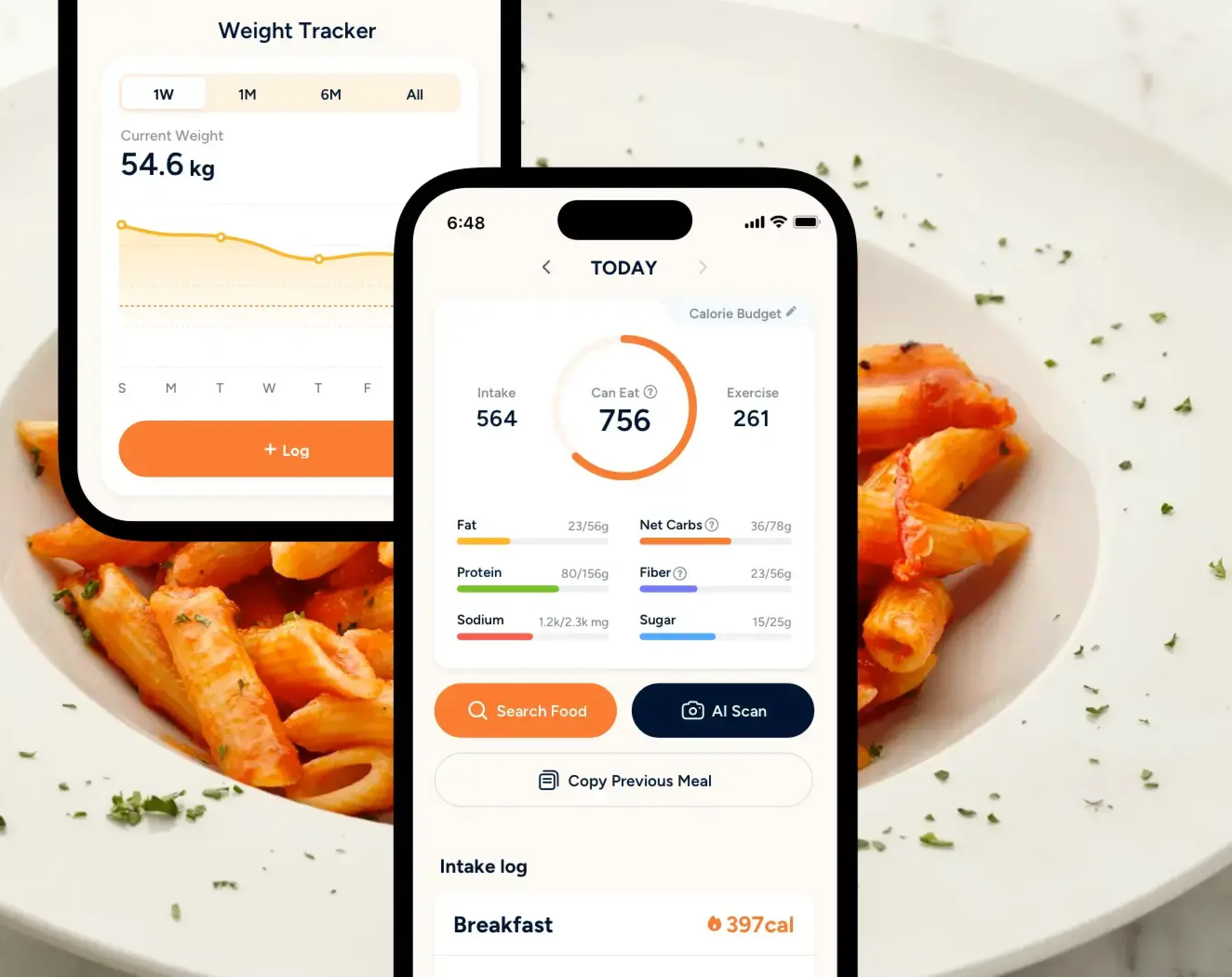
If you’re ever unsure as to what breaks a fast, use Eato‘s calorie counter to check: if it’s above 0 calories, it will likely break a fast. Track your nutrition, plan meals, and calculate your daily calorie intake alongside your after-fasting consumption so that you can effectively achieve your health goals safely. Try it today for free!
Smarter Nutrition Tracking
Track calories and over 100 other nutrients all in one place.
Download Eato For Free