A cup of joe, caffeine, or a morning cup of coffee, whatever you call it, is an essential beverage in the lives of almost 70% of people. Nearly 2.25 billion cups of coffee are consumed daily [1], with 3 in 4 Americans drinking coffee every day [2]. Needless to say, that’s a lot of people! Coffee is also commonly recommended as a “guilt-free” beverage to consume, particularly in intermittent fasting circles. However, due to many conflicting anecdotal opinions on the answers to the question of “does coffee break a fast” and “can you drink coffee while fasting”, there are more and more factors to consider. However, we’ll take a science-based approach to dissecting if we can drink coffee while fasting.
What Is Intermittent Fasting?
Intermittent fasting is when you abstain from food for a period of time and only eat within the eating window.
Popular types of intermittent fasting windows include the 16:8 method (eating for 8 hours and fasting for 16 hours), OMAD (one meal a day), and 5:2 (eating for 5 days a week and fasting for 2). The goal is to consume minimal calories to no calories during your fasting periods in order to reap the health benefits of intermittent fasting.
Benefits of Fasting
The possible health benefits of fasting that the research attributes to people practising intermittent fasting are due to the following [3]:
- Increased appetite regulation
- Increased energy efficiency
- Increased brown fat cells
- Increased brain health
- Better mental clarity
- Weight loss
- Reducing inflammation
- Reducing oxidative brain damage
- Reduced pathogenic bacteria
- Increasing brain-derived neurotrophic factor (BDNF)
- Potentially reducing the risk of neurological disease
- Increases concentration of autographic monocytes
- Increases killer T lymphocytes
- Strengthen immune system
- Increases beneficial microbes
- Enhanced metabolic health
Does Coffee Break a Fast?
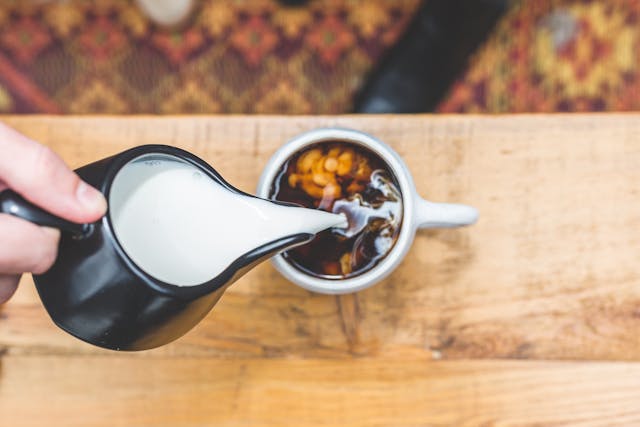
No, black coffee won’t break your fast, but there is a caveat. In a study [4] conducted on the effects of caffeine from coffee on premature atrial contractions, a side effect discovered was that there were no major changes in blood sugar when participants consumed coffee. Serum glucose was 95 mg/dL with coffee and 96 mg/dL without caffeine, so this study does not suggest that coffee meaningfully raised blood glucose.

Additionally, another study [5] came to relatively similar conclusions: that coffee does not meaningfully impact the triglyceride levels or glucose levels in healthy young adults, with only a 1.6% increase in baseline glucose levels, which is considered to be relatively negligible.
| Measure | Difference between coffee and water | P value | Meaning |
|---|---|---|---|
| Baseline triglycerides | 1.7 mg/dL | 0.74 | No meaningful difference |
| 4 hour triglycerides | 2.7 mg/dL | 0.75 | No meaningful difference |
| Change in triglycerides | 4.4 mg/dL | 0.52 | No meaningful difference |
| Percentage change in triglycerides | 7.7% | 0.99 | No meaningful difference |
| Baseline glucose | 0.4 mg/dL | 0.84 | Almost unchanged |
| 4 hour glucose | 0.9 mg/dL | 0.58 | No meaningful difference |
| Change in glucose | 1.3 mg/dL | 0.31 | No meaningful difference |
| Percentage change in glucose | 1.6% | 0.29 | No meaningful difference |
However, if you are drinking sweetened coffee drinks, they are likely to break a fast and have a much greater insulin response due to the sugar content and the calories of the additives.
Side Effects of Fasting With Coffee
If you are fasting for weight loss, here are some side effects of coffee while fasting you may want to put into consideration.

Drinking coffee over a long-term period may result in increased insulin levels [6]. What insulin does is, in simple terms, signal to the body to store energy and make it harder to burn stored body fat. This means that the rate at which your body burns fat may be slowed down. In addition to that, there might be a level of decreased insulin sensitivity. Thus, effects of high amounts of caffeine on catecholamines and free fatty acids may have contributed to a decrease in insulin sensitivity in their studies.

Additionally, drinking coffee on an empty stomach can lead to digestive discomfort, where the body responds with GERD symptoms, heart palpitations, heartburn or even acid reflux. To prevent that, drink coffee during your eating window, after eating bread or a meal.
How Much Coffee Can You Drink While Fasting?
It can be easy to go overboard with your caffeine intake while fasting and lose track of how many cups you may be drinking. However, is there a safe limit to your daily caffeine intake? How much coffee you can drink while fasting is dependent on the amount of caffeine in your cup of joe.
The daily recommended intake [7] for caffeine is 400 mg, which is approximately 4 cups of brewed coffee. A study analysed the caffeine content of popular coffees in comparison with recommendations for a safe single dose (200 mg) and daily caffeine intake (400 mg) and guidelines for drinking 3–5 cups of coffee per day.
The amount of coffee required to reach the 400 mg daily limit varies significantly depending on the brewing method and serving size [7]:
- Espresso: Approximately 5.3 servings (based on an average 34 mL serving).
- Americano: Approximately 2.8 servings (based on an average 225 mL serving).
- Instant Coffee: Approximately 6.3 cups (each prepared with one teaspoon of powder).
- Homemade Ground Coffee: Up to 17.5 cups (brewed by pouring water over one teaspoon of grounds).
What Can I Put in My Coffee That Won’t Break My Fast?
There are very few coffee additives that won’t affect your fasting periods, and currently they include the following:
- salt
- cinnamon
- nutmeg
- cardamom
- artificial sweeteners like aspartame (although this has also been a point of contention)
- stevia
- monkfruit
The above might result in a reduced risk of breaking your fast in your fasting journey, and the general rule of thumb is to refrain from introducing calories.
Of course, if you include high-calorie additives like sweetened creamers, heavy cream, sugar, honey, or flavoured syrups or even simply adding milk; will lead to you breaking your fast.
What Drinks Won’t Break a Fast?
If you are looking for coffee alternatives for fasting, here are some options you can consider:
If you want to know what teas break or do not break a fast, read our blog, “Does tea break a fast?”
Final Words: Should You Drink Coffee While Fasting?
So does coffee break a fast? For most people, coffee intake is a non-negotiable to them. Black coffee is somewhat of a fixture in their lives and can be incorporated into their intermittent fasting routine relatively seamlessly. For healthy adults, drinking black coffee will not break a fast and is generally fine for consumption. However, with enough calories, adding cream or other additives may break a fast and negatively affect fasting goals. If you are someone that has any metabolic syndromes, high blood pressure or other health issues, remember to speak to a healthcare provider before making drastic changes to your diet.
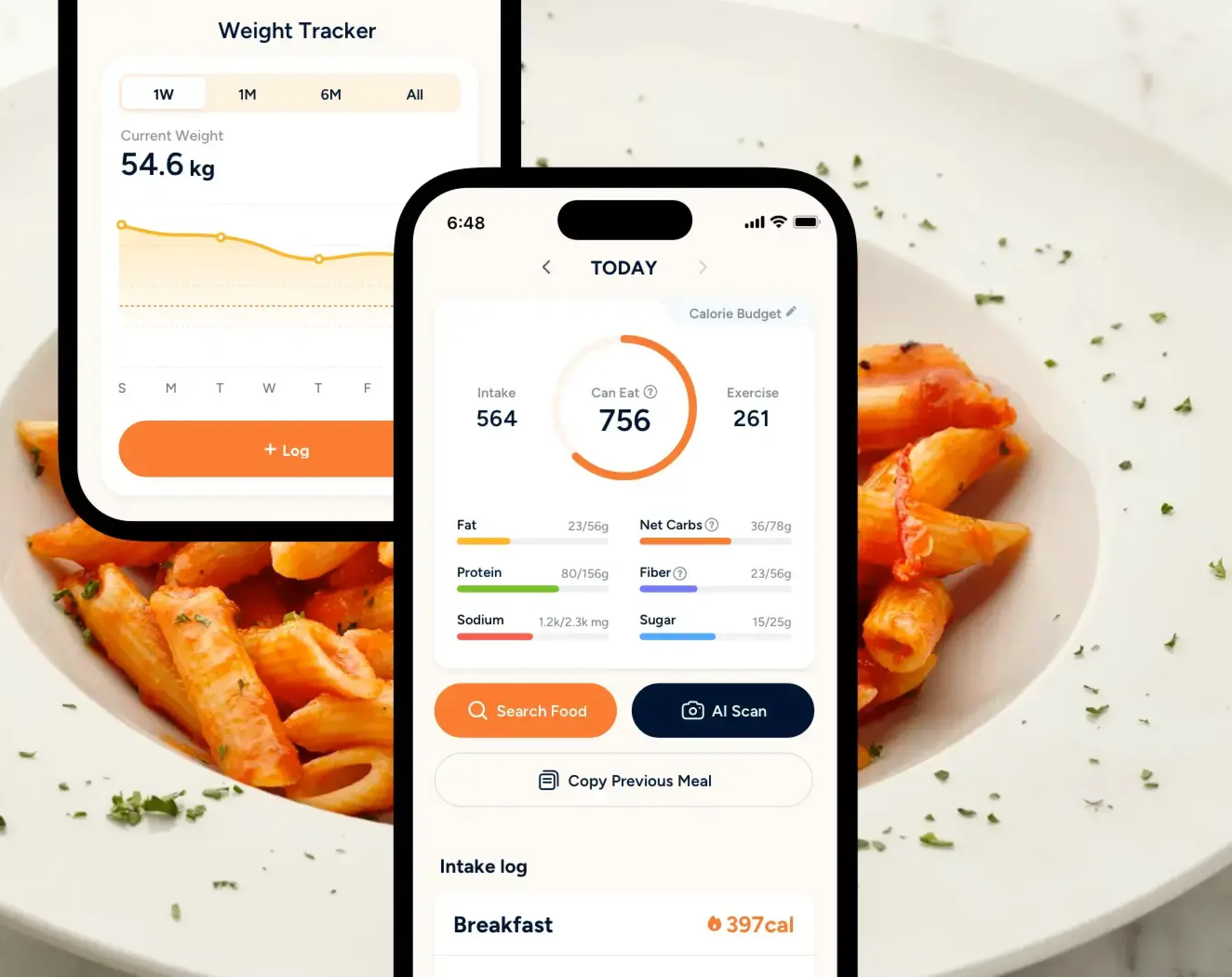
If you’re ever unsure as to what breaks a fast, use Eato‘s calorie counter to check: if it’s above 0 calories, it will likely break a fast. Track your nutrition, plan meals, and calculate your daily calorie intake alongside your after-fasting consumption so that you can effectively achieve your health goals safely. Try it today for free!
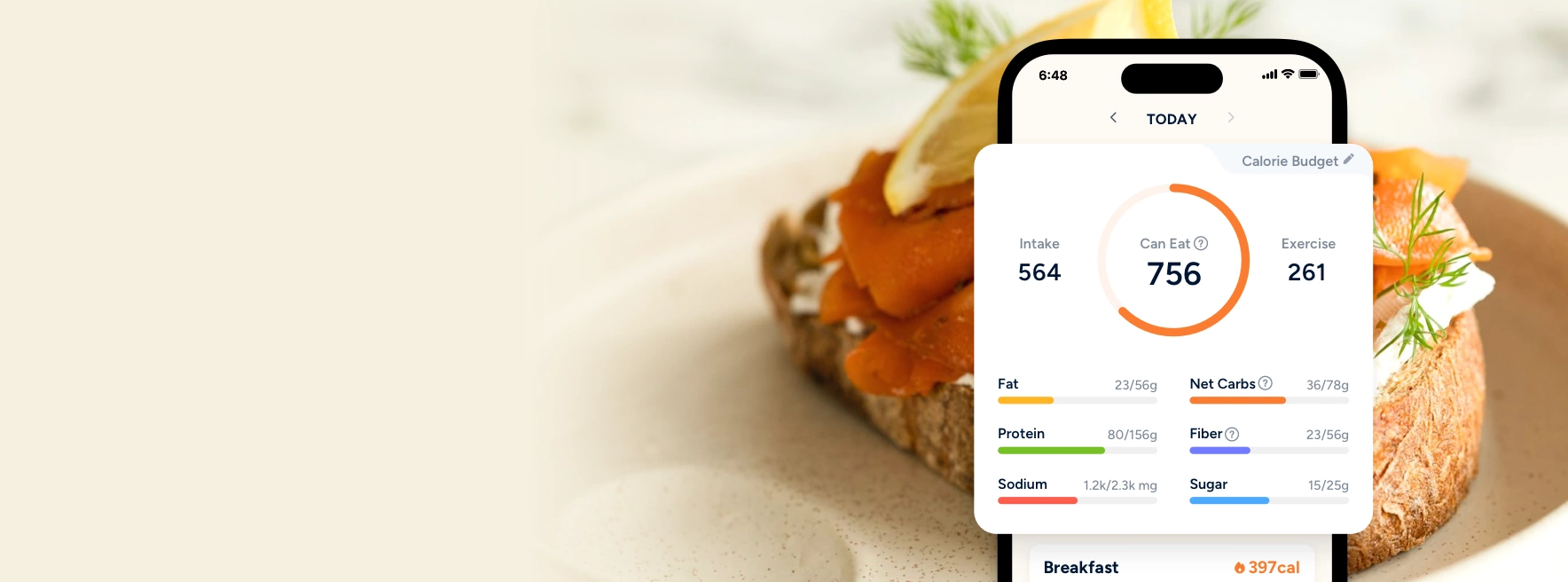
Smarter Nutrition Tracking
Track calories and over 100 other nutrients all in one place.
Download Eato For Free