Diet soda is one of the most caffeinated beverages, with a sweet taste that mimics “normal” sugary drinks, with a caveat: it does not contain any sugar. Unlike regular soda, they are posited as their healthy alternatives. It’s easy to see why: little to zero calories with many diet sodas containing artificial sweeteners instead. These carbonated drinks are often marketed as “diet drinks” with “zero calorie” artificial sweeteners to get the same sweet taste. However, due to their zero-calorie claim, it has been extensively debated online whenever the question “does diet soda break a fast” gets posted, especially if you were to consume them within an intermittent fasting period’s eating window.
Key Takeaways
- Diet soda does not break a fast because it has zero calories, but it can still affect hunger, cravings, and insulin signaling.
- Artificial sweeteners like aspartame can confuse the body’s taste receptors, leading to increased appetite and higher overall calorie intake.
- Studies show that people who drink diet soda often consume more sugar and calories than those who drink water, even if the soda has no calories.
- Diet sodas do not stop autophagy directly, but insulin spikes caused by sweet taste signals may reduce the benefits of fasting.
- Over several years, people who regularly drink artificially sweetened beverages gain more weight compared to those who avoid them.
Does Diet Coke Break a Fast?
No, Diet Coke does not break a fast, as it has zero calories. For a fast to be broken, you need to have an intake of calories from food, or caloric intake in general, enough to spike insulin.
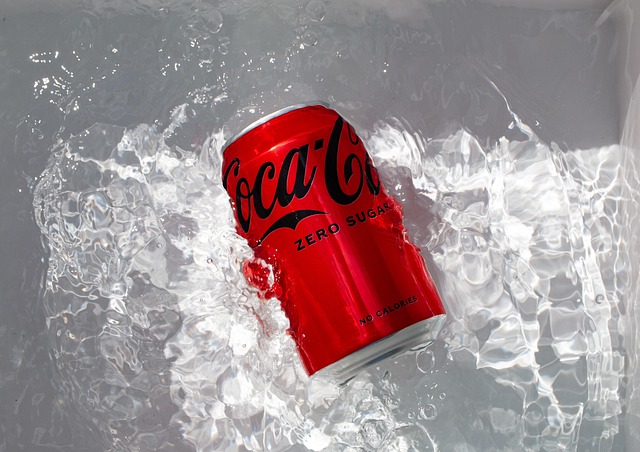
However, if you are doing a fast for Ramadan, drinking water will be considered as breaking a fast. Therefore, depending on your reasons for intermittent fasting, Diet Coke may or may not break a fast.
How Diet Soda Might Impact a Fast
Over the last three decades, there has been an increase in concern over the negative health effects of consuming sugar, natural sweeteners, and sweet foods. This is especially poignant in the case of appetite regulation, eating patterns, and burning fat. As such, in order to combat the negativity brought about by natural sweeteners, there has been an increase in the intake of artificial sweeteners. It is said to “help curb cravings without breaking your fast” [1]. However, despite the switch, obesity has still increased in prevalence over the same period of time.
How a zero-calorie diet soda might impact fasting periods is rather unique. This is due to the artificial sweeteners used in the diet soft drinks. For example, a common artificial sweetener is aspartame, used in zero-calorie diet sodas like Coke Zero [2].

Considering how your oral taste receptors determine how and what you choose to eat, they also determine how “satisfying” the food you consume is. This is done based on how sweet something tastes, and even how much you crave it. Interestingly, a large American study [2] of over 7026 children found that regardless of whether they drank zero calorie diet soda, sugary drinks, or both, they ended up consuming more calories (and sugar) than those who just drank plain water!
This meant that even opting for drinks flavoured with artificial sweeteners did not protect them from eating more sugar on an overall scale. Similarly, a study focusing on Canadian women showed similar results. Amongst those who regularly consumed sweeteners (regardless of real sugar or zero-calorie sugar), found to have an overall higher sugar intake [2].
Does Diet Soda Break Autophagy?
When doing intermittent fasting, one of the most desired states that many people aim to hit is “autophagy”.
What is autophagy?
Autophagy is basically your cell’s built-in clean-up and recycling system. It is an ancient process found in almost all living organisms. Its job is to take old or damaged parts of the cell, break them down inside structures called lysosomes, and reuse the pieces [3].
This includes things like:
• broken organelles
• misfolded or useless proteins
• large molecules your cell does not need anymore
By doing this, autophagy keeps the cell balanced and healthy (cellular homeostasis). Without it, “trash” would pile up inside the cell, and that can lead to disease or cell death.
The impacts of diet soda on insulin response
Although artificial sweeteners in diet sodas do not contain calories, thus not breaking a regular “intermittent fast”, they can still impact your body’s natural insulin response, gut bacteria, and digestive system.
Something interesting is that even though your artificial sweeteners do not actually contain any actual sugar, your body can’t really tell the difference. What happens, in that case, is that your body still sends a burst of insulin (as in insulin response) in order to combat the blood “sugar spike” that they perceive, even if there is no actual sugar spike [3].
Similarly, your gut microbiome acts in a similar manner. They usually help to regulate your hunger, how full you are, and your insulin response. Despite being zero calories, consuming diet soda can result in inaccurate signals being fired, thus increasing the levels of insulin despite there being no sugar in the body. This insulin response can lead to increased hunger, increased cravings for food, and a lack of control over your appetite. This can lead to a compound effect that makes weight loss or calorie restriction slightly more difficult.
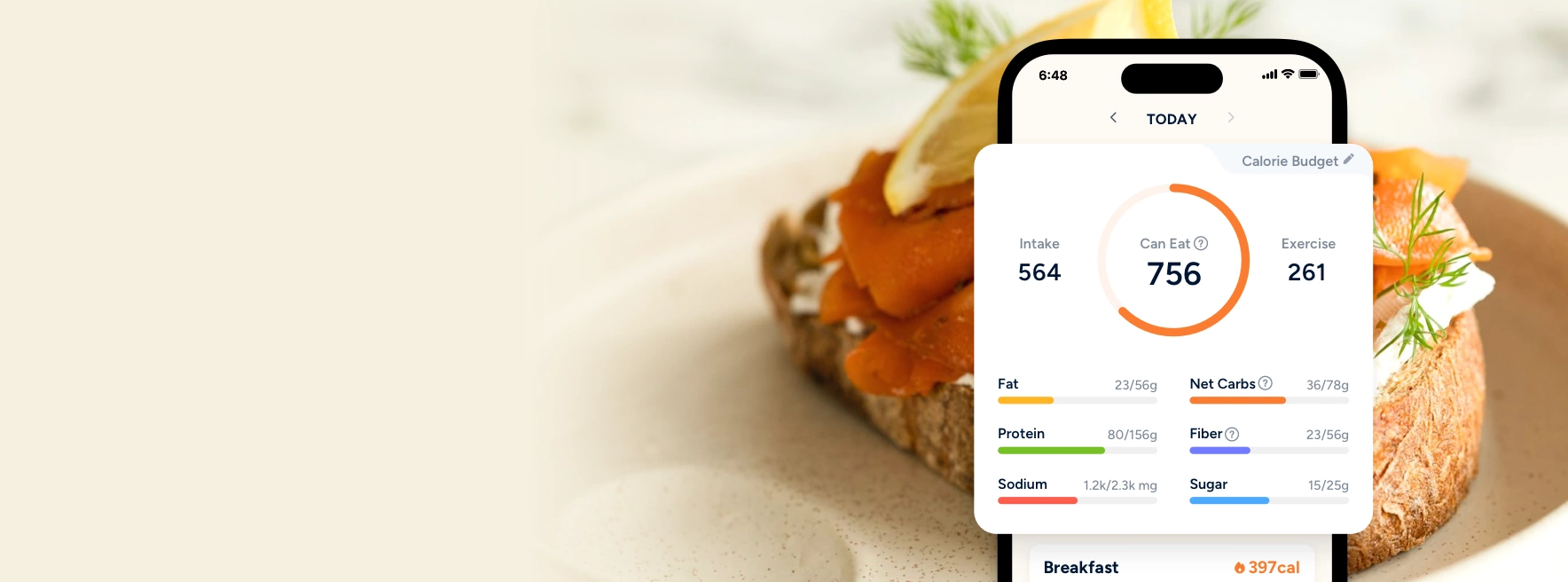
Smarter Nutrition Tracking
Track calories and over 100 other nutrients all in one place.
Download Eato For FreeEffect of Diet Soda on Overall Health
In recent years, more and more studies suggest a [1] link between people who frequently drink diet sodas and a higher rate of several health problems, including:
- overweight and obesity
- high blood pressure
- metabolic syndrome
- type 2 diabetes
- kidney problems
- heart attacks
- hemorrhagic strokes
Although they have not been proven to be a cause, it has proven itself to be a pattern that has been showing up in those who often drink diet soda. But this does not mean that drinking a sip of Diet Coke will result in a stroke. Rather, researchers think that long-term, frequent consumption can lead to changes in metabolism, inflammation, taste preference rewiring, or oxidative stress to the kidneys and cells [1].
Increased waist circumference
In another study of 9 subgroups of people studying waist circumference [1], it was found that every category not only did not lose weight, but diet soda drinkers had a bigger increase in waist size than those who did not drink diet soda. The only exception to the increase in waist circumference was the group with a BMI below 25. Within that group, the increase in waist size was still higher for diet drinkers, but only ever so slightly.
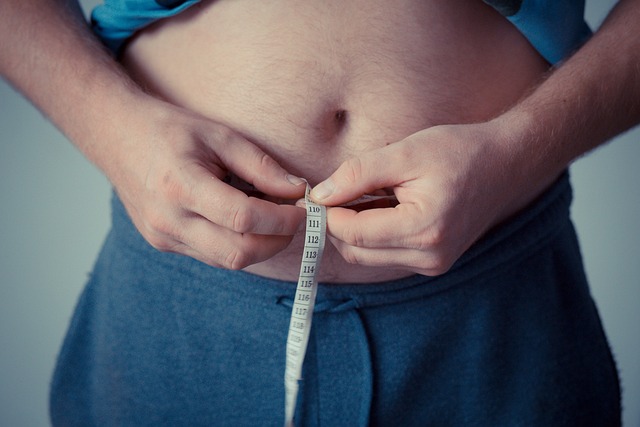
However, what is concerning is the group with overweight and obese participants.
- In overweight people, diet soda drinkers gained twice as much waist size as non-drinkers.
- In obese people, the difference doubled again. So, obese diet soda drinkers gained far more abdominal fat than obese non-drinkers.
Increased overall weight gain
The study [2] of over three thousand and six hundred adults over the span of 7-8 years found that people who drank artificially sweetened beverages had significantly larger increases in BMI compared to people who did not drink them. A half BMI point was the average difference between the two groups. Among those who drank these diet drinks, those who drank more than 21 artificially sweetened beverages per week saw an increase of 0.7 units more than those who did not drink the diet beverages at all.
What Sodas to Avoid While Fasting?
- Diet Coke: Aspartame (some regions add acesulfame potassium)
- Coca Cola Zero Sugar: Aspartame + acesulfame potassium
- Diet Pepsi: Aspartame (some versions previously used sucralose, many markets switched back)
- Pepsi Zero Sugar: Aspartame + acesulfame potassium
- Sprite Zero Sugar: Aspartame + acesulfame potassium
- 7UP Zero Sugar: Aspartame + acesulfame potassium
- Diet Dr Pepper: Aspartame
- Diet Mountain Dew: Aspartame + acesulfame potassium
Alternatives to Diet Soda While Intermittent Fasting
For older adults and children alike, researchers suggest moving away from diet sodas and sugary drinks due to their links with cardiovascular diseases, and the young’s susceptibility to being affected by the effects of aspartame.

Instead, they recommend beverages [1] that can hydrate you naturally without relying on the intense sweetness to get you by.
These are:
- unsweetened coffee
- unsweetened tea
- mineral water
- water lightly sweetened with a splash of pure fruit juice
- plain water
Can You Drink Diet Soda While Fasting?
While diet sodas are usually zero to low calories, their artificial sweeteners might accidentally trigger an insulin response. Otherwise, it might cause you to overeat in some cases, while in others, help with their fasting goals. Given that fasting has been commonly used for metabolic or weight loss benefits, some research argues that the insulin response caused by the artificial sweeteners can have a detrimental effect on these efforts. Therefore, yes, you can drink diet soda while fasting due to the lack of calories, but there might be some effects on your insulin.
Final Words
So, does diet soda break a fast? Well, no (unless it is a religious fast). But do you want to be drinking diet soda as a healthier alternative? Not necessarily. Although the blog has outlined diet soda’s pros and cons, remember to consult your doctor or dietician before making drastic changes to your diet.
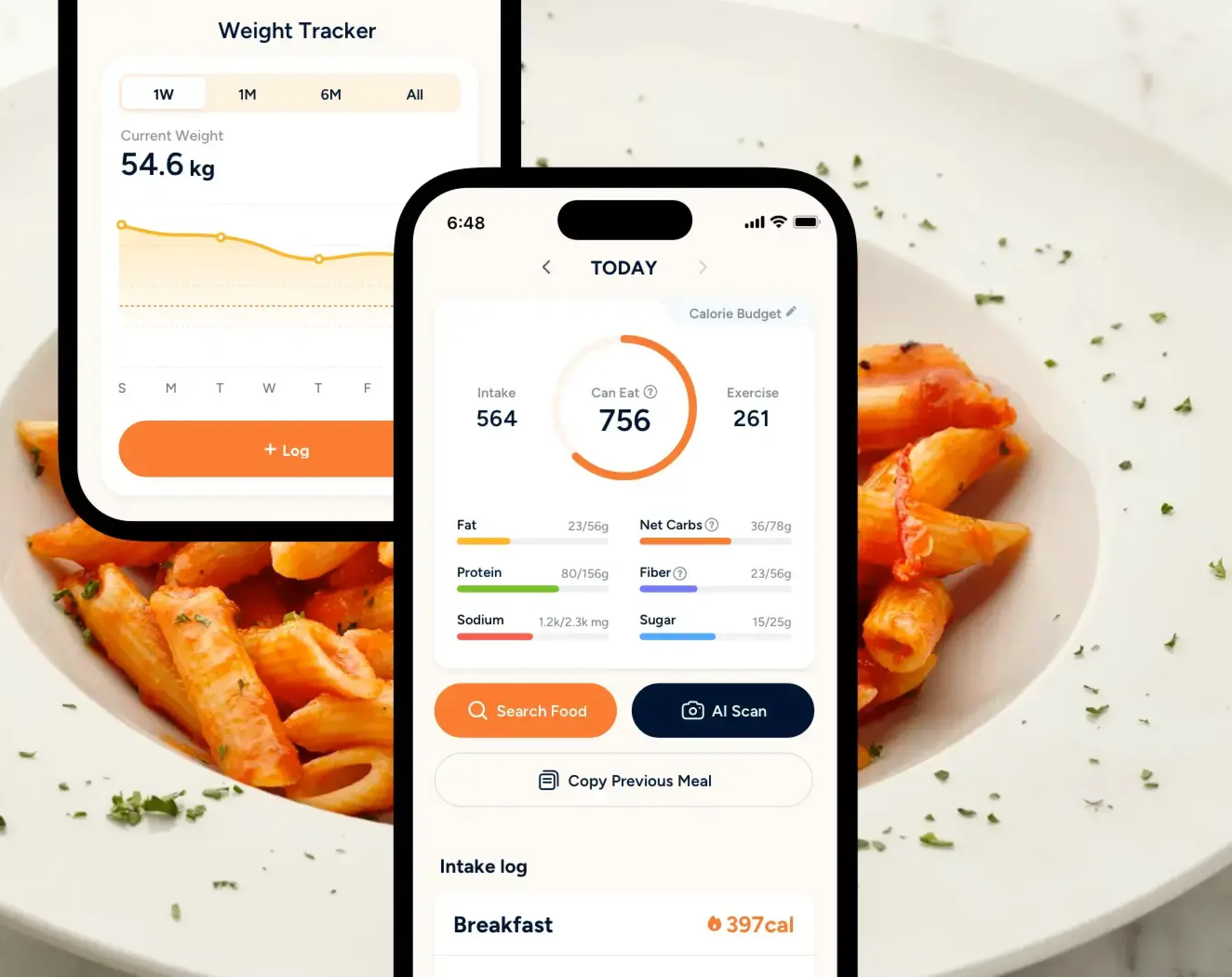
You can keep track of any weight or diet changes easily with the Eato app. Take charge of your health before it gets serious. Try Eato today for free.

Weight Loss Has Never Been Easier
Get accurate nutrition info instantly. Keep track of your progress.
Download Eato For Free