One of the most common tips on intermittent fasting or health forums when looking for alternatives to sodas or sweet beverages is diet sodas, amongst teas, black coffee, and water. However, despite the extensive marketing of diet sodas, the science behind it remains ambiguous at best and rather seems to suggest that it may not be as good as it seems. One of the world’s most popular beverages, Coke Zero (Coca-Cola Zero Sugar), has been the target of much scrutiny. This article will take an in-depth look at the question, “Is Coke Zero bad for you?” and settle the diet soda argument.
Key Takeaways
- Coke Zero has zero sugar and zero calories, but that does not automatically make it a healthy drink.
- Aspartame is the main sweetener in Coke Zero, and research shows it can affect blood sugar, insulin response, and gut bacteria in ways that are not always positive.
- Even at doses considered safe, aspartame has been associated with oxidative stress in organs like the liver and kidneys, which may increase long term health risks.
- Artificially sweetened drinks do not consistently support weight loss. Many people end up eating more later because the sweetness triggers hunger without providing calories.
- Overall, the science suggests that Coke Zero is not a harmless alternative. Your safest choice for regular consumption remains water, tea, or black coffee.
Coke Zero: Nutritional Value of Diet Soda
Marketed as THE drink for health-conscious 18-22 male year olds, Coke Zero was Coca-Cola’s answer to the less popular “Diet Coke”, which had their male audience targeted to be less attractive due to the feminine connotations of “diet” [1]. Coke Zero was a “healthier alternative”, and offered their consumers the closest taste substitute to the traditional Coca-Cola Classic, without the calories and sugar.
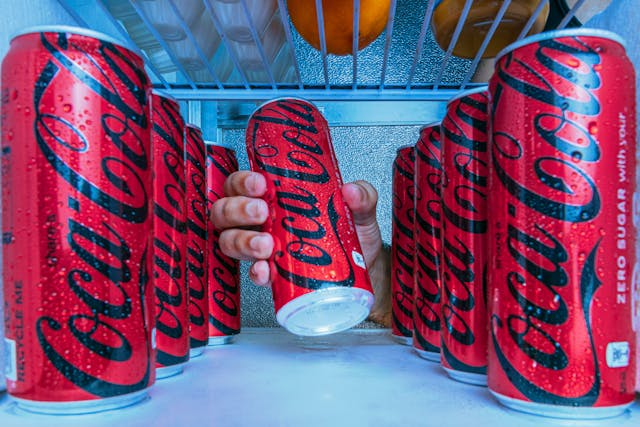
According to Coca-Cola’s website, the nutrition information of their Coke Zero is as follows [2]:
- 1 serving per container
- Serving Size 1 Can (12 FL OZ)
- Calories: 0
| Nutrient | Amount | % Daily Value |
|---|---|---|
| Total Fat | 0 g | 0 percent |
| Sodium | 40 mg | 2 percent |
| Total Carbohydrate | 0 g | 0 percent |
| Total Sugars | 0 g | 0 percent |
| Added Sugars | 0 g | 0 percent |
| Protein | 0 g | 0 percent |
| Potassium | 60 mg | 2 percent |
Not a significant source of saturated fat, trans fat, cholesterol, dietary fiber, vitamin D, calcium, iron, total sugars, and added sugars.
Coke Zero ingredients
CARBONATED WATER, CARAMEL COLOR, PHOSPHORIC ACID, ASPARTAME, POTASSIUM BENZOATE (TO PROTECT TASTE), NATURAL FLAVORS, POTASSIUM CITRATE, ACESULFAME POTASSIUM, CAFFEINE, STEVIA EXTRACT.
PHENYLKETONURICS: CONTAINS PHENYLALANINE
ZERO SUGAR
Coke Zero Sugar Free Artificial Sweeteners
In order to get the same dizzyingly sweet flavor as the original Coca-Cola, Coke Zero uses an artificial sweetener, Aspartame.
Aspartame is one of many synthetic sweeteners that gives an orally intense flavor up to 180-200 times sweeter than sucrose [3].

This artificial sweetener has a familiar, clean-tasting sweetness like sugar, without any ” chemical-ly” or bitter metallic taste. Additionally, its appeal also lies in its economic value, for both consumers and manufacturers [4].
Despite the intense sweetness of this dipeptide, it also has a markedly lower caloric value [3].
2 Benefits of artificially sweetened drinks
The benefits of Aspartame, although highly debated, do exist, albeit with many caveats.
1. Blood sugar regulation
According to some research, artificial sweeteners like Aspartame have been shown to be able to limit the amount of sugar (sugar) a diabetic takes. In diabetic individuals, the regulation of blood sugar levels is difficult due to the lack of sufficient levels of insulin in their bodies [3].
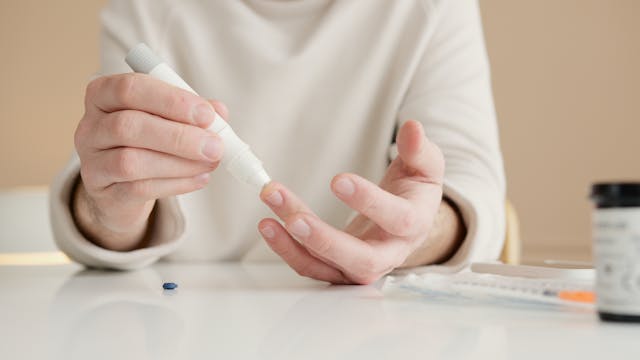
This lack of regulation of insulin levels can also be further exacerbated by sucrose sugar intake, which is why many diabetics opt to substitute sugar with Aspartame. In doing so, the Aspartame that is being taken up metabolizes more slowly than sucrose, which leads to less fluctuation of blood sugar levels over time [3].
2. Prevention of tooth decay

Another common benefit that Aspartame presents is that traditional sugar, Sucrose, can potentially promote tooth decay, and switching out sucrose for aspartame can somewhat mitigate that issue [3]. Interestingly, the dental plaque’s microflora does not “feed” on aspartame as it normally would with sucrose. Due to this, the release of waste by the microflora which can contribute to enamel degradation, is reduced, thus reducing the chances of tooth decay when consuming aspartame compared to sucrose.
4 Downsides of artificially sweetened drinks
Despite the benefits of aspartame, newer research has suggested that the cons of aspartame can outweigh the benefits [4].
| Cells/tissue | At higher dosages (> 40 mg/kg) | At safe dosages (≤ 40 mg/kg) | Effects |
|---|---|---|---|
| Blood | Affected | Affected | Impaired delivery of oxygen to the tissues by red blood cells |
| Brain | Affected | Affected | Disruption of blood–brain barrier |
| Liver | Affected | Affected | Loss of liver function |
| Kidney | Affected | Affected | Loss of kidney function |
| Heart | Not measured | Affected | Impaired cardiac function caused by oxidative stress |
| Immune organs | Not measured | Affected | Imbalanced oxidant/antioxidant status and variations |
| Gut microbiome | Not measured | Affected | Elevated fasting glucose and impaired insulin tolerance, mediated by alteration of the gut microbiome and gut bacteria |
| Lungs, pancreas, endocrine glands, reproductive organs | Not measured | Not measured | Unknown |
1. Decreases levels of “happy hormones.”
Key brain chemicals like catecholamine, serotonin, and dopamine, which are responsible for mood regulation, have been shown to decrease in concentration after the consumption of aspartame [4].

This happens when you consume both Diet Coke or Diet Soda, which consists of aspartame, it gets metabolised into 3 types of amino acid isolates:
- phenylalanine (50%)
- aspartic acid (40%)
- methanol (10%)
Out of the 3, phenylalanine is a type of amino acid (protein) that competes with other types of neutral amino acids for binding with the amino acid transporter. As such, having too much phenylalanine in your bloodstream “crowds” out the other amino acids, resulting in a lack of enough amino acids to make the key brain chemicals (catecholamine, serotonin, and dopamine).
2. Increases the progression of clinical disorders

Although observed to be more susceptible in males than females, aspartame has been associated with the progression of many clinical disorders [3]. These disorders include:
- hepatotoxicity
- nephrotoxicity
- neurotransmitter imbalance
- cognitive abnormalities
3. Increases behavioural issues
Aspartame could be a leading cause for behavioral alterations, including impulsive behavior, lack of patience, decrease in locomotor activity, and neuromuscular coordination [4].
4. Negatively affects your health
After consuming aspartame, a study found that participants [3]:
- Their body had slight weight gain.
- Their blood pressure rose slightly for a short period.
- Their blood levels of glucose and triglycerides (a type of fat) increased for a while.
- Their plasma urea, which is a waste product filtered by the kidneys, went down for a short time.

Smarter Nutrition Tracking
Track calories and over 100 other nutrients all in one place.
Download Eato For FreeEffects of Sugar Substitutes and Weight Loss
Due to the marketing efforts of food companies, the role of artificial sweeteners like those in Coke Zero has changed from that of “sugar substitute” to “health substitute”. This is primarily seen in foods targeted at the diabetic population and those who are undergoing weight management. However, despite the messaging, the claims are unfortunately not backed by strong evidence [5].

Additionally, there is a lack of regulation when it comes to the use of artificial sweeteners, with a study finding that children between the ages of 6-10 were eating about 54% more than the daily recommended limit. Alarming, as children can be more vulnerable to the long-term metabolic disorder effects of consuming aspartame [5].
The theory of diet sodas and diet Cokes is simple. If you cut sugar calories, you should lose weight. But several studies say this is not what actually happens. Researchers have also looked at what happens when people replace sugary drinks with artificially sweetened ones. People end up compensating for the missing calories by eating more later in the day. So the total energy intake does not change. In some cases, it even increases. Additionally, this consumption of artificially sweetened beverages can lead to your brain triggering hunger (due to the sweetness), but because there are “no calories”, your body will want to overcompensate.
Is Coke Zero Bad for Your Kidneys?
Yes, potentially, especially if you drink Coke Zero every day or in excess.
Scientists found that Aspartame can create oxidative stress in the kidneys of rats. Oxidative stress means there are too many reactive oxygen molecules, which can damage cells if the body cannot neutralise them quickly [3].
The worrying part is that this oxidative stress happened not only at very high doses, but also at doses that would normally be considered safe [4].
Once oxidative stress appears in the kidney, it can push the kidney toward more serious problems. Long-term oxidative stress can cause fibrosis, which is the buildup of scar tissue. If scar tissue keeps forming, the kidney becomes stiffer and less able to filter blood.
Chronic kidney disease is linked to inflammation and higher levels of inflammatory cytokines. Oxidative stress can trigger these inflammation pathways, which helps explain how low-level kidney injury can slowly progress to chronic disease over time.
Does Coke Zero Cause Diabetes?
Some researchers have suggested that Aspartame might contribute to type 2 diabetes, meaning it may not actually function as a healthy replacement for sugar in sweetened drinks. This is still debated, but the health concern exists.
A newer study [5] looked at how both sugar-sweetened foods and Aspartame-sweetened foods affect inflammation in people who were already overweight. They checked inflammation using blood markers. The study found that when participants consumed these sweetened foods and drinks, two inflammation-related proteins in the blood, haptoglobin and transferrin, went up. Another common inflammation marker, C-reactive protein, did not change much.
These results support earlier research suggesting that both fast-digesting carbohydrates and artificial sweeteners might worsen inflammation in the body. Since inflammation plays a big role in the development of type 2 diabetes, the idea is that high intake of either sugar or Aspartame might increase long-term risk [5].
Does Coke Zero Erode Your Teeth?
Soft drinks, including Coke Zero and other diet sodas, are linked with more severe dental erosion in teenagers. Dental erosion is not caused by bacteria; it is caused by acid. The acid in soft drinks weakens and dissolves the hard surface of your tooth enamel [6].
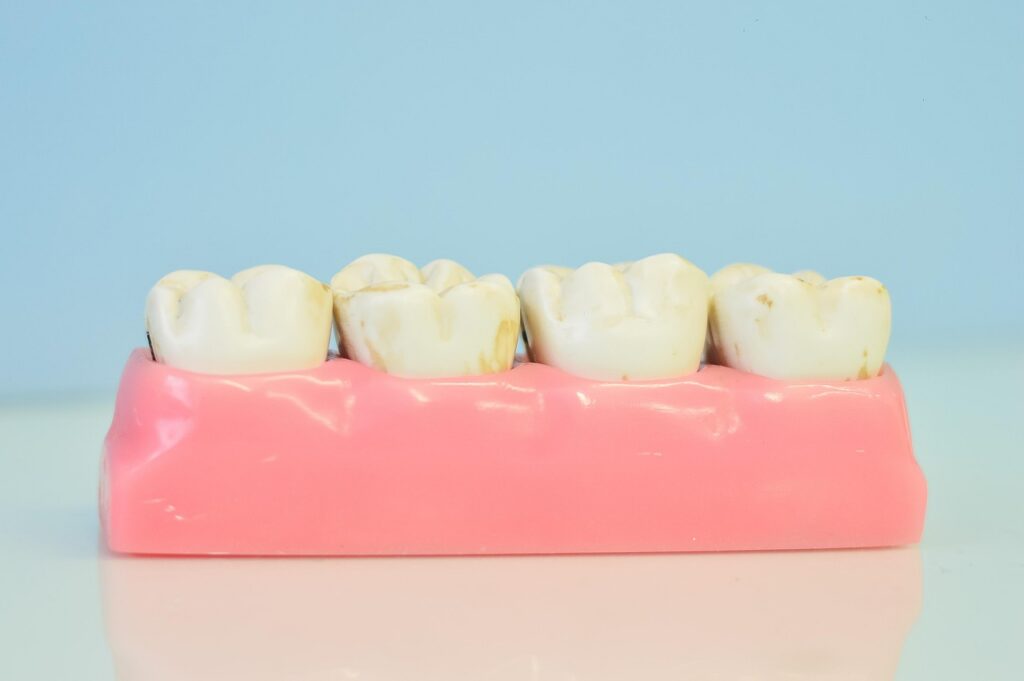
Coke Zero does not contain sugar, but it is still acidic. The acid softens the enamel, which makes it easier for the enamel to wear away when you chew, brush, or grind your teeth. Over time, this leads to thinner enamel, more sensitivity, and a higher risk of cavities [6].
So even though Coke Zero avoids the sugar-related damage, it still causes acid-related damage.
Drink Alternatives to Coke Zero
Given that across different types of studies [4], including in vitro studies (cells in a dish) and in vivo studies (animals), researchers saw the same pattern. Aspartame or its breakdown products created an imbalance between oxidants and antioxidants. These findings do not guarantee a direct link to Aspartame harming every human who consumes it, but they raise the possibility that even normal levels may not be completely safe.
If you are looking for some healthier beverages to Coke Zero, you can consider the following:
- Black tea
- Green tea
- Matcha
- Water
- Kombucha
- Water kefir
- Juice (without any added sugar)
- Lemonade
- Sparkling water
Final Words: Should You Drink Coke Zero?
No. Aspartame, even at doses considered safe by regulators, may not actually be harmless.
Therefore, consuming artificially sweetened beverages, sugar-free drinks at the bare minimum for your human health, or being at an increased risk of heart disease, metabolic syndromes, health issues like obesity, diabetes, gut health concerns, or even cancer and dementia. Take charge of your health with Eato today.

Weight Loss Has Never Been Easier
Get accurate nutrition info instantly. Keep track of your progress.
Download Eato For Free