The SIBO Diet can be daunting, especially when you are tackling the bloating, gas, abdominal discomfort, or other symptoms associated with a small intestine bacterial overload (SIBO) diagnosis. However, better understanding how the SIBO diet works and other potential risk factors can help you better understand your body and what you can do.
Key Takeaways
- SIBO is a digestive disorder where bacteria that normally live in the large intestine overgrow in the small intestine, disrupting digestion and nutrient absorption.
- Common symptoms include bloating, abdominal pain, excessive gas, and unexplained weight loss, caused by bacterial fermentation of carbohydrates.
- Diagnosis is typically done using breath tests that measure hydrogen and methane gas produced by bacteria after consuming specific sugars.
- Treatment usually involves antibiotics, dietary changes like a low FODMAP diet, and addressing underlying causes to prevent recurrence.
What is SIBO?
Small intestinal bacterial overgrowth (SIBO) is a type of digestive disorder where the small intestine (which naturally has relatively few bacteria) has excess bacterial overgrowth of gut bacteria that is typically found in the large intestine [1]. However, diagnoses of small intestinal bacterial overgrowth are not only defined by the amount of bacteria present, but also by certain bacteria and the location in which the excess bacteria grow.
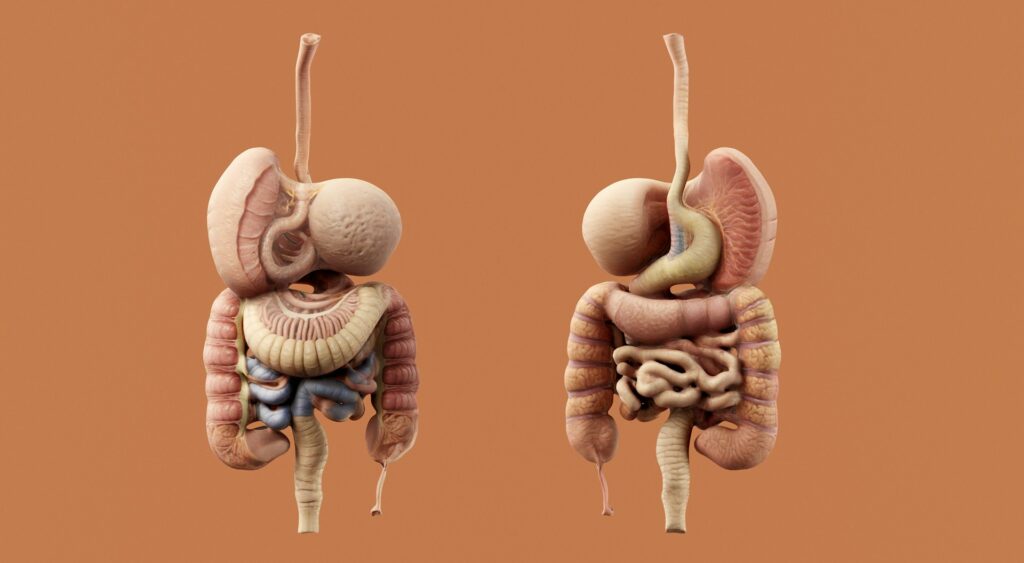
Due to the effects of small intestinal bacterial overgrowth, symptoms associated with functional gastrointestinal disorders can alter some chronic diseases’ presentation, such as heart failure and diabetes, by affecting metabolism, inflammatory bowel disease, and nutrient handling in the body [1].
SIBO, however, is not the same as irritable bowel syndrome or Crohn’s disease, though they may present with similar symptoms.
SIBO Symptoms
How do you know if you have SIBO?
If you are suffering from small intestinal bacterial overgrowth, it is likely that you may present these symptoms, due to the breakdown of carbohydrates in the small intestine, resulting in a release of hydrogen, methane, and carbon dioxide [2]:
- Abdominal bloating and visible abdominal distension
- Abdominal pain or discomfort
- Excessive flatulence
- Unexplained weight loss

Similarly, you may experience these other symptoms or risk factors that interfere with your body’s ability to absorb nutrients properly [2]:
- Enterotoxic bacterial metabolites, which irritate the gut lining in your digestive tract
- Low-grade inflammation of the small intestinal mucosa or inflammatory bowel disease
- Increased intestinal permeability, colloquially known as a leaky gut
- Bile acid salt deconjugation, which interferes with fat digestion in the digestive tract
Causes of Small Intestinal Bacterial Overgrowth (SIBO)
| Cause | Explanation | Examples |
|---|---|---|
| Impaired intestinal motility disorders [3] | Slowed movement creates stagnant areas where excess bacteria overgrowth can happen in the small intestine | Intestinal obstruction, muscular or nerve-related disorders in the medical history |
| Anatomical abnormalities or abdominal surgery | Alters gut structure and flow, allowing intestinal bacteria to accumulate in the small intestine | Gastric bypass surgery, or abdominal surgery |
| Low stomach acid | Fails to eliminate bacteria before they enter the small intestine | Hypochlorhydria, acid suppression |
| Pancreatic insufficiency | Leaves undigested food that feeds intestinal bacteria in the small intestine | Reduced digestive enzyme production in the pancreas, leading to poor absorption, vitamin deficiency, poor calcium absorption, and unexplained weight loss |
| Immune system disorders | Weakens bacterial regulation within the small bowel and digestive tract | Conditions affecting immune response |
6 Risk Factors for SIBO
Small intestinal bacterial overgrowth often develops in the presence of conditions that disrupt normal digestion, gut motility, acid production, or intestinal structure. The following conditions have been consistently associated with a higher risk (or as an underlying cause) of developing small bowel bacterial overgrowth [4].
1. Reduced Stomach Acid (Achlorhydria)
Stomach acid is essential in controlling how much bacteria are inside our small intestine, and when acid production is reduced, this function can be greatly affected, allowing bacteria to survive and migrate into the small intestine. This condition is called Achlorhydria, and has been known to be one of the predisposing factors for developing small intestine bacterial overgrowth [4]. Achlorhydria occurs most commonly due to atrophic gastritis or long-term use of proton pump inhibitors (PPIs).
2. Older Age
As we get older, our chances of getting SIBO increase due to other pre-existing conditions that may exacerbate the conditions required for bacterial overgrowth to happen [4]. For example, conditions like small bowel diverticulosis, reduced gastrointestinal motility, achlorhydria, and prior gastrointestinal surgery are common in the elderly, and these are all major risk factors or even underlying causes in the development of small bowel bacterial overgrowth.

Consequently, malnutrition and weight loss are considered to be the next step after SIBO due to the inference of nutrient absorption, mineral deficiencies, and incomplete digestion, as elderly patients who present with SIBO also have lower body mass index and weight loss [4]. However, after a course of antibiotic treatment, significant weight gain has been reported, suggesting that the bacterial overgrowth in the small intestine could be a key contributor to poor nutritional absorption.
3. Diabetes Mellitus
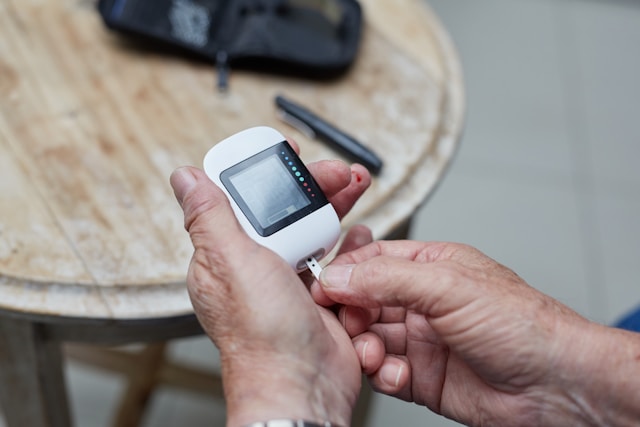
For individuals with diabetes mellitus, small intestine bacteria overgrowth is a common gastrointestinal complication, especially those who also have diabetic neuropathy and delayed gastric emptying. In fact, 50-70% of people with a medical history of diabetes report symptoms that are consistent with SIBO [4], due to the added conditions that ineffectively clearing gut bacteria from the small intestine.
4. Scleroderma
Scleroderma is a condition where your skin tightens and hardens, resulting in cascading problems in your blood vessels, internal organs, and digestive tract [5]. With scleroderma affecting the digestive system, SIBO presents itself in 43-56% of patients, with diarrhoea being one of the most common symptoms [4].
5. Cirrhosis
Patients who suffer from cirrhosis liver disease also often develop SIBO, with 50-60% of this population experiencing SIBO or its symptoms [4].
6. Celiac Disease
Chronic inflammation of the small intestinal musoca for patients with a medical history of celiac disease may result in a damaged gut environment where bacterial overgrowth can flourish, as opposed to a normal gut environment. In fact, up to 66% of the population who have been diagnosed with celiac have reported SIBO, and also have symptoms of chronic celiac disease despite strict adherence to a gluten-free diet [4].
How Is SIBO Diagnosed?
Small intestinal bacterial overgrowth is diagnosed by breath testing [4]. When undergoing the breath test, the patient will ingest and metabolise lactulose, glucose, or D-xylose. Depending on the amount of gas produced in their intestines, it can potentially indicate the amount of bacteria present.
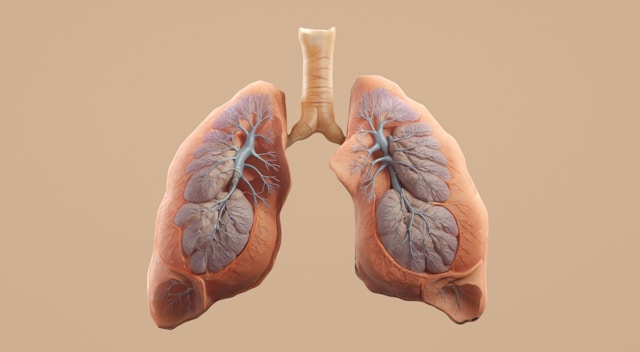
For someone with small intestinal bacterial overgrowth (SIBO), excessive bacterial growth in the small intestine will be able to metabolise the sugars, causing gases like hydrogen, methane, and carbon dioxide to be absorbed into the bloodstream [4].
Once absorbed, these gases will make their way to the lungs, where they will be exhaled and picked up by the breath test device. Depending on the specific time where elevations in hydrogen and methane are observed, it will expose where bacterial fermentation is occurring; in the small intestine or the colon.
What Food to Avoid When on the SIBO Diet?
What types of food trigger SIBO symptoms
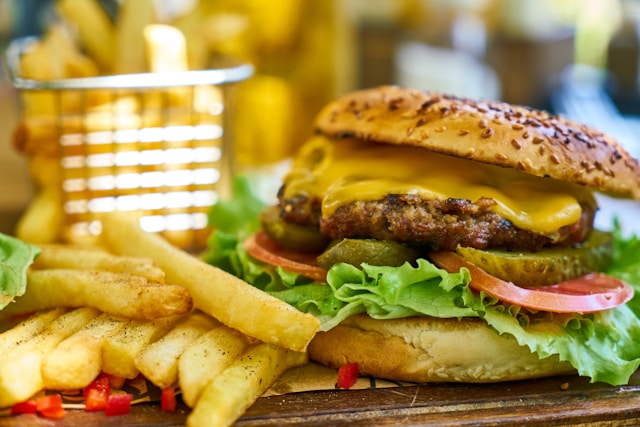
If you want to avoid the abdominal pain or uncomfortable symptoms commonly associated with small intestinal bacterial overgrowth (SIBO), these are the categories of food you should avoid:
- Fermentable carbohydrates
- Sugars and refined carbohydrates
- High fibre foods
- Dairy (lactose)
- Alcohol
- Foods high in fat
- Foods with sugar alcohols
What Food to Eat When on the SIBO Diet
When managing a small intestinal bacterial overgrowth (SIBO) diagnosis, one of the most common methods is the low FODMAP diet, which tries to reduce symptoms like diarrhoea, bloating, and abdominal pain [4]. In case you are unfamiliar, FODMAP stands for certain foods that are: Fermentable Oligosaccharides, Disaccharides, Monosaccharides, and Polyols. These FODMAPs can exacerbate digestive conditions or any underlying conditions related to SIBO.
Low FODMAP diet
This diet relies on a series of elimination and reintroduction in order to pinpoint specific foods that may result in triggering your digestive system. Due to the therapeutic management of this method, it is meant to be more manageable and personalized to each individual as a nutritional support for those who suffer from small intestinal bacterial overgrowth.
More typically, the diet eliminates foods that are FODMAP, which means types of carbohydrates that can ferment in the gut. Some classic examples of FODMAP foods to AVOID are:
- apples and cherries
- vegetables (such as onions and garlic)
- dairy products
- wheat-based items
- certain sweeteners
SIBO Treatment
Healthcare professionals, after they’ve diagnosed SIBO, treat small intestinal bacterial overgrowth (SIBO) with multiple approaches [4], with the first being antibiotic therapy.
Over a 7-day course, 1000mg of Tetracycline is recommended for treating SIBO. Next, prokinetic therapy using octreotide has been found to be useful in patients with scleroderma or connective tissue diseases, where their gut mobility has been severely impaired.

Octreotide has the ability to both decrease hydrogen release as well as increase peristalsis in the small intestine to improve gastrointestinal symptoms. Lastly, as carbohydrates are the primary source of food for bacteria, a low FODMAP diet will likely be recommended to patients.
Small bowel bacterial overgrowth should not be left untreated, as it can increase the risk of medical conditions, bone diseases due to poor calcium absorption, vitamin deficiency, and nutritional deficiencies.
Final Words: Coping With SIBO
When these carbohydrates are consumed, they can ferment in the small intestine, causing gas production, bloating, and discomfort due to the extreme overgrowth of bacteria. By reducing intake of these FODMAP-rich foods, individuals may experience relief from their SIBO symptoms, such as decreased gastrointestinal symptoms. [6]
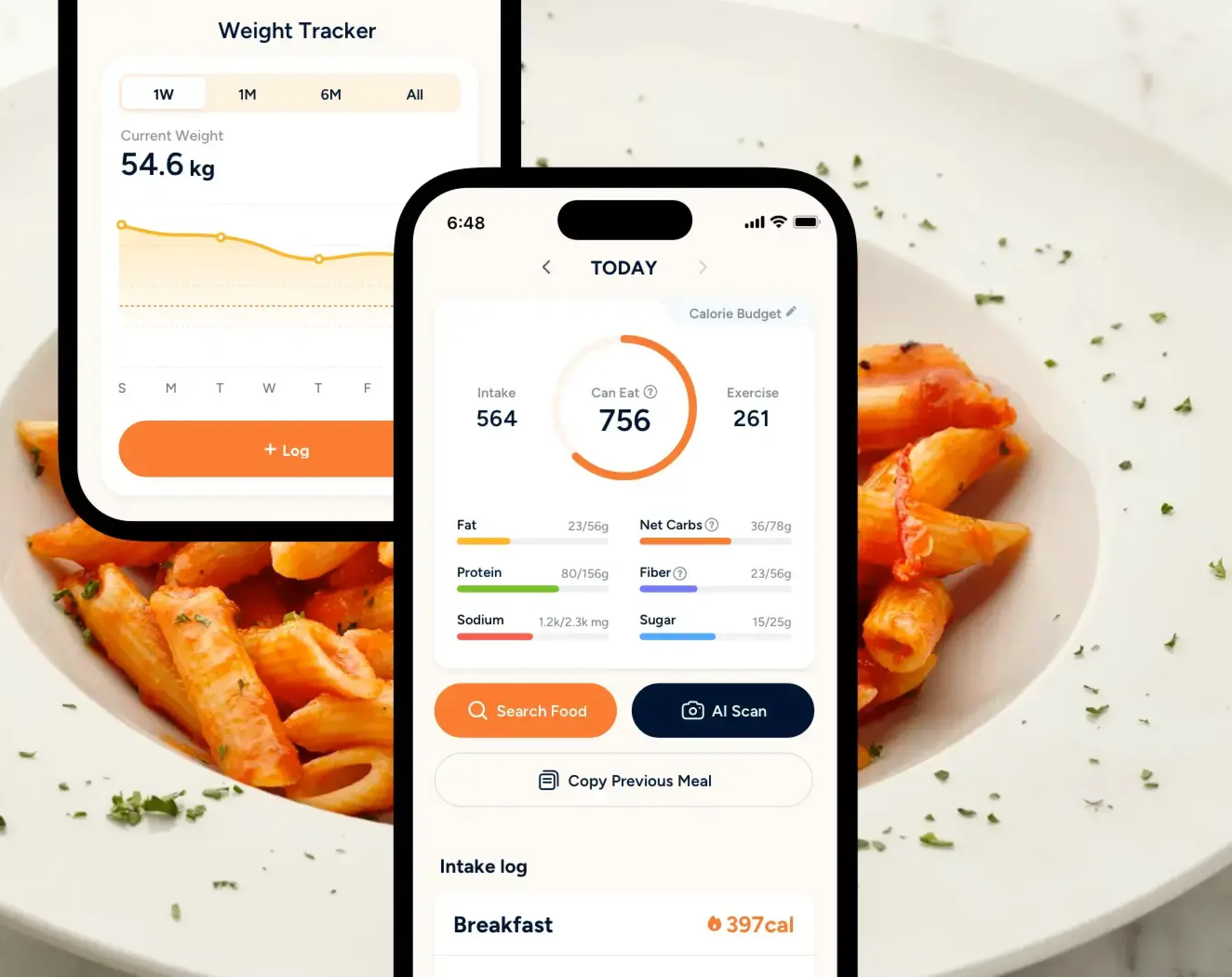
An easy way to track your low FODMAP diet food items is using the Eato app, which can help you track your food intake, plan meals, and calculate your daily caloric intake based on your dietary needs, like the SIBO diet. Try it today, for free!

Smarter Nutrition Tracking
Track calories and over 100 other nutrients all in one place.
Download Eato For Free