Key Takeaways
- Creatine supplementation is commonly used by athletes for high intensity exercise performance.
- When you begin taking creatine, more creatine is stored in your muscle cells.
- If your weight has changed after taking creatine, it is more likely due to water retention than fat accumulation.
Does creatine make you gain weight? That is one of the most common questions asked on the topic of creatine. Creatine supplementation is commonly used by athletes and active people whose goal is to improve strength, power, sprinting performance or recovery with the use of creatine. It’s also a common supplement in tandem with diets like the egg diet, or even in clean eating.
The science behind creatine is unique: the human body needs about 1g of creatine to support normal physiological function, and about 0.5g of that is produced by your body, but the other 0.5g needed is supplemented by the food you eat [1]. In this article, we will dive into whether creatine makes you gain weight, foods that are high in naturally occurring creatine, and the pros and cons of taking creatine supplements.
What Is Creatine?
Creatine is a naturally occurring compound that is found in your skeletal-muscular system, with minute amounts in your brain and your heart [2]. It regulates adenosine triphosphate, or ATP, which is the energy your muscle cells use during a high-intensity activity [2]. Creatine generally helps you recover faster and improve sport performance.

Most athletes use creatine monohydrate, which the body stores as phosphocreatine [3]. Phosphocreatine then converts ADP to ATP during moments of need for extra energy, which can result in a temporary improvement in strength, power or stronger performance [3].
However, creatine should not be confused with creatinine, which is the breakdown of creatine metabolism that is excreted in urine and commonly used as a marker for kidney function [1]. Creatinine also does not contribute to energy production, unlike creatine.
Foods With Creatine
Foods that contain creatine are generally animal-based foods, especially red meat, poultry, and seafood.
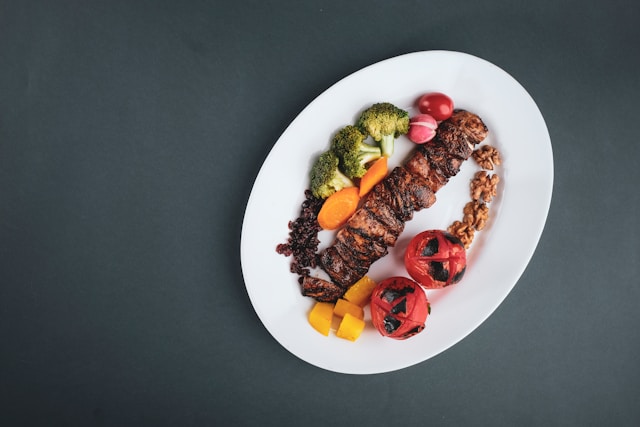
Although the human body can produce part of its daily creatine requirement, around 50% still needs to come from dietary intake, mainly from foods such as beef, pork, salmon, tuna, cod, and herring [1].
| Food | Creatine content, g per lb | Creatine content, g per kg | Specific examples |
|---|---|---|---|
| Cod | 1.4 | 3.0 | Cod fillet, baked cod, steamed cod, cod fish soup, cod oil |
| Beef | 2.0 | 4.5 | Steak, lean ground beef, roast beef, beef brisket |
| Herring | 3.0 to 4.5 | 6.5 to 10.0 | Fresh herring, smoked herring, pickled herring, canned herring, herring fish oil |
| Milk | 0.05 | 0.1 | Whole milk, low fat milk, skim milk |
| Pork | 2.3 | 5.0 | Braised pork chop, pork loin, lean minced pork, pork tenderloin |
| Salmon | 2.0 | 4.5 | Salmon fillet, grilled salmon, baked salmon, salmon fish oil |
| Shrimp | Trace | Trace | Boiled raw shrimp, cooked shrimp, grilled shrimp, shrimp mayonnaise salad |
| Tuna | 1.8 | 4.0 | Tuna steak, canned tuna, tuna sashimi, grilled tuna |
| Plaice | 0.9 | 2.0 | Plaice fillet, baked plaice, pan-cooked plaice |
| Fruits and vegetables | Trace | Trace | Apple, banana, spinach, broccoli, carrot, potato |
Does Creatine Make You Gain Weight?
Yes, creatine makes you gain weight, but maybe not the way you think. The reason why your weight may increase while taking creatine is because creatine pulls water into muscle cells, increasing water retention.
In a study with 63 healthy participants, participants were randomised to either a creatine monohydrate group, receiving 5 g per day for 13 weeks, or a non-supplemented control group [4]. After the 7-day wash-in period, creatine supplementation produced a statistically significant increase in measured whole-body lean body mass compared with the control.
The creatine group gained approximately 0.51 kg more lean body mass, despite the absence of a resistance training stimulus. This suggests that the early increase in lean body mass was unlikely to reflect muscular changes [4]. Instead, it may have been mediated by creatine-induced changes in intracellular osmotic pressure, fluid retention, or altered hydration status, or in layman’s terms, bloating, water weight or “puffiness” which can influence DXA-derived lean mass estimates [4].
Water weight is basically an excess of water or fluid inside the body. It can be affected by anything from sodium intake, carbs, and supplements to your lifestyle. This means that even individuals who regularly exercise, like athletes, can be prone to water weight due to other factors. So, while you are concerned to hear that creatine may cause a weight gain of 1 to 3 kilograms within the first week of creatine, it is mostly water weight. Additionally, bloating from creatine is usually temporary and resolves over time.
Benefits of Taking Creatine
Creatine supplementation is most known for improving the performance of athletes, but taking creatine may also have plenty of benefits, such as the following [5]:
- Improve high-intensity exercise performance
- Increase strength and muscle mass
- Support resistance training adaptations
- May improve cholesterol, triglycerides, and blood lipid levels
- May reduce liver fat accumulation
- May lower homocysteine and support heart health
- May improve blood sugar control
- May act as an antioxidant
- May help reduce bone loss
- May improve functional capacity in osteoarthritis and fibromyalgia
- May enhance cognitive function, especially in older adults
- May support the effect of some antidepressant medications
Lastly, long-term use of creatine may also increase resting metabolic rate due to the increase in muscle mass.
Potential Dangers and Side Effects of Taking Creatine
For most people, creatine is safe without any serious health risks. However, before you start taking creatine regularly, consult a healthcare professional. Just like taking other supplements, creatine may have negative effects, which include the following [6]:
- Weight gain because of water retention.
- Dizziness.
- Nausea and vomiting.
- Diarrhoea.
- Excessive sweating (hyperhidrosis).
If you are experiencing any of these symptoms, talk to your healthcare provider before continuing creatine supplementation.
Does Creatine Break a Fast?
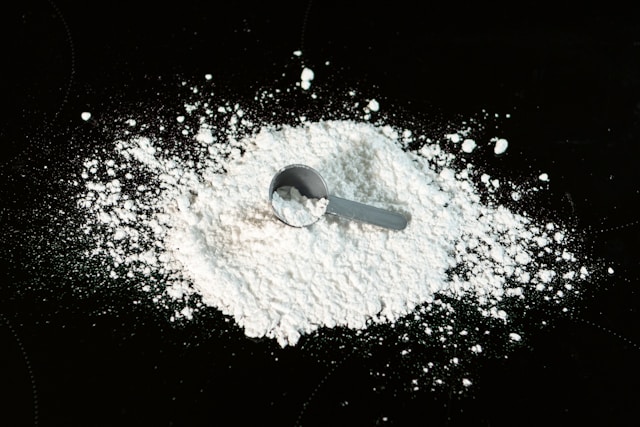
No, creatine does not break a fast. 1 scoop of pure creatine has 0 calories. Although creatine supplementation has not been extensively studied in fasting contexts, creatine is unlikely to break a fast.
However, if mixed with fillers like sweeteners, it may result in breaking a fast. To determine whether your creatine powder breaks a fast, compare your creatine’s ingredients to the list of sweeteners in “Does stevia break a fast?“
How to Take Creatine Monohydrate
There are two common ways of taking creatine.
The first is the low-dose daily method. It is where people take 3 to 5 g of creatine monohydrate per day [7]. It may take several weeks for creatine stores to build up, as it slowly increases the amount of creatine stored in the body per day.
The second method is the loading phase. This involves taking 20 to 25 g of creatine per day for 5 to 7 days, usually split into smaller servings. After the loading phase, people typically change to a maintenance dose of 3 to 5 g per day [7] (method one). A loading phase may lead to faster creatine saturation, but some people notice temporary weight gain on the scale because creatine helps the muscles hold more water.
Final Words: Does Creatine Make You Gain Weight?
The good news is that creatine does not make you gain weight, nor does it make you break a fast, which makes it a suitable supplement to take while trying to lose weight.
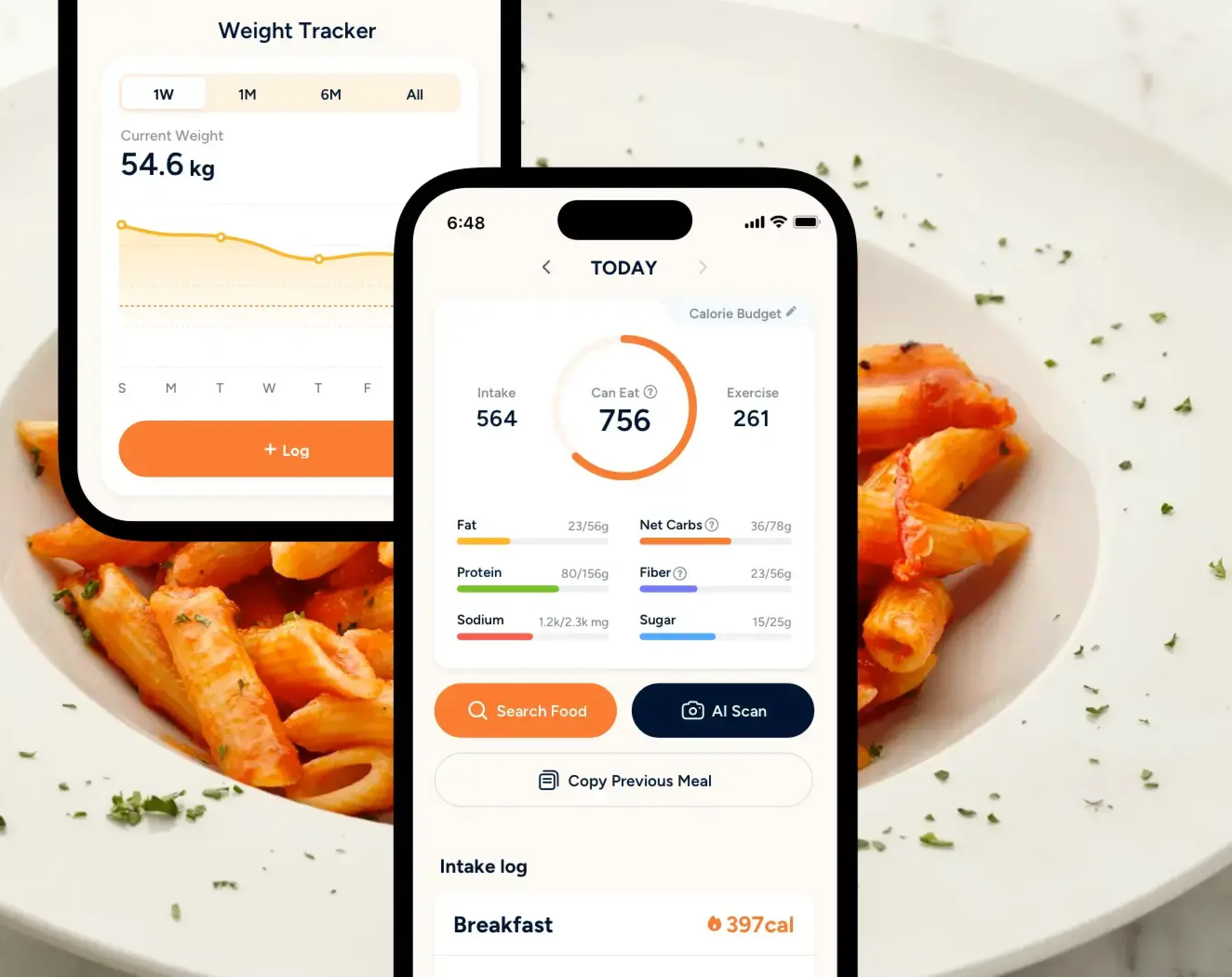
If you’re ever unsure as to what breaks a fast, use Eato‘s calorie counter to check: if it’s above 0 calories, it will likely break a fast. Track your nutrition, plan meals, and calculate your daily calorie intake alongside your after-fasting consumption so that you can effectively achieve your health goals safely. Try it today for free!
Smarter Nutrition Tracking
Track calories and over 100 other nutrients all in one place.
Download Eato For Free