Key Takeaways
- Magnesium does not directly burn fat or cause significant weight loss on its own.
- Magnesium supports several processes involved in metabolic health, including glucose metabolism, insulin signaling, cellular energy production, muscle function, and inflammatory regulation.
- Magnesium rich foods are a practical way to increase intake.
Magnesium is an essential mineral involved in hundreds of reactions throughout the body. It contributes to energy production, glucose metabolism, insulin signaling, muscle function, sleep, stress regulation, and inflammation, all of which can affect metabolic health, appetite, and how well your body manages weight. However, does magnesium help you to lose weight?
If you are trying to understand whether magnesium is worth taking for weight loss, especially if you have magnesium deficiency, obesity, insulin resistance, or other metabolic health concerns, this article explains where magnesium may help, where it does not, and how its effects on metabolism, insulin resistance, energy production, inflammation, cortisol, sleep, and appetite differ from actual fat burning.
This article is for general informational purposes only and should not be considered medical advice.
Does Magnesium Help You to Lose Weight?
Magnesium may support weight management, but it is unlikely to make you lose significant weight on its own. A systematic review and meta-analysis of 32 randomized controlled trials examined magnesium supplementation at doses ranging from 48 to 450 mg per day for periods of 6 to 24 weeks.

Magnesium supplementation was associated with an average reduction in body mass index of approximately 0.21 kg per square meter. However, there was no significant overall reduction in body composition, weight, waist circumference, body fat percentage, or waist to hip ratio [1].
But any reductions associated were more apparent among people with:
- Magnesium deficiency
- Obesity
- Insulin resistance-related conditions
- Hypertension
Effects of Magnesium
Magnesium may have varying effects, depending on the person. Below are some common side effects of taking magnesium and the extent to which these effects occur.
1. Improves Weight Loss
Does magnesium help you to lose weight? Well, for body fat to decrease over time, your body generally needs to use more energy than it receives through food and drinks. Magnesium participates in processes that may make healthy weight management easier. For example, adequate magnesium supports normal glucose metabolism, insulin signaling, cellular energy production, and muscle function.
A 2024 scientific review also highlighted the relationship between magnesium deficiency, oxidative stress, inflammation, mitochondrial function, insulin activity, and adipose tissue metabolism [3]. These mechanisms can affect metabolic health, but they are different from directly burning stored body fat.
2. Reduces Insulin Resistance
One of the most relevant ways magnesium could influence weight management is through insulin and blood sugar regulation. Insulin helps move glucose from your bloodstream into cells where it can be used or stored. Low magnesium status has been associated with poorer insulin sensitivity and metabolic dysfunction [3].

A 2013 prospective study, known as the Hisayama Study, examined magnesium intake and the development of type 2 diabetes. Researchers found that greater dietary magnesium intake was associated with a lower risk of developing type 2 diabetes, with insulin resistance and inflammation appearing to contribute to this relationship [2].
3. Increases Energy Production
Magnesium is involved in more than 300 enzymatic reactions in the body, including many reactions related to energy production. One of its most important roles involves adenosine triphosphate, commonly called ATP. ATP is the primary form of usable energy inside cells. Magnesium interacts with ATP and is necessary for many enzymes involved in energy metabolism to function correctly.
When magnesium status is inadequate, normal energy metabolism can be affected. Research has also linked magnesium deficiency with mitochondrial dysfunction and reduced ATP production [3].
4. Reduces Inflammation
Chronic low magnesium status has also been associated with inflammation. A 2024 review examining magnesium and adipose tissue found that magnesium deficiency may contribute to oxidative stress, mitochondrial dysfunction, inflammatory signaling, and impaired insulin activity [3]. Researchers have therefore proposed that maintaining adequate magnesium status could support healthier metabolic function.
5. Decreases Blood Sugar
Because magnesium participates in insulin signaling and glucose metabolism, getting enough may contribute to more stable blood sugar regulation. Low magnesium may impair insulin signaling, while metabolic conditions can also affect magnesium status.

This helps explain why chronic low magnesium concentrations are frequently discussed alongside obesity, metabolic syndrome, and type 2 diabetes. However, magnesium supplements should not be considered a replacement for dietary changes, physical activity, or prescribed treatment for diabetes or insulin resistance.
4. Improves Sleep Quality
Sleep is another reason magnesium is often associated with weight management. Poor sleep can make weight management more difficult because sleep affects appetite (like making you feel hangry), energy, exercise habits, food choices, and numerous hormonal processes.

Magnesium has consequently become a popular supplement for sleep. However, a 2026 systematic review examined randomized controlled trials of magnesium supplementation for sleep, and the overall findings were inconsistent, and the certainty of evidence was low or very low [4].
5. Reduces Cortisol
There is some evidence suggesting magnesium may influence cortisol metabolism. For example, one randomized intervention involving adults with overweight found changes in urinary cortisol metabolism following magnesium supplementation. Stress management should still include habits such as adequate sleep, regular activity, recovery, and sustainable eating patterns to also lower cortisol levels.
6. Decreases Bloating
Certain forms of magnesium can have a laxative effect. Magnesium oxide, for example, is used clinically to help treat constipation. It can increase water within the intestinal contents and promote bowel movements [5]. However, this should not be confused with fat loss.
7. Reduces Hunger
Magnesium is sometimes claimed to suppress appetite or increase hormones associated with fullness. At present, there is not strong human evidence showing that ordinary magnesium supplementation suppresses appetite enough to cause weight loss. For most people, foods containing protein, fibre, water, and appropriate meal volume will play a much larger role in managing hunger.
Who May Benefit Most From Magnesium?
The weight-related effects of magnesium appear to depend partly on your starting magnesium and metabolic status. Based on clinical research, the people most likely to experience metabolic benefits from supplementation may include those with inadequate magnesium intake or magnesium deficiency. A 2021 meta-analysis found that changes in body mass index and other measurements were more noticeable in certain groups, including participants with obesity, magnesium deficiency, and insulin resistance-related conditions [1].
Types of Magnesium-Rich Foods
You do not necessarily need supplements to increase magnesium intake. Magnesium occurs naturally in many foods, particularly:
- Leafy green vegetables
- Nuts
- Seeds
- Whole grains
- Beans and other legumes
| Food | Serving | Magnesium |
|---|---|---|
| Canned spinach | 1 cup | 131.04 mg |
| Cooked New Zealand spinach | 1 cup chopped | 57.6 mg |
| Raw New Zealand spinach | 1 cup chopped | 21.84 mg |
| Cooked instant brown rice | 1 cup | 60.45 mg |
| Fresh orange with pumpkin seeds | 1 serving | 165.52 mg |
How Long Does Magnesium Take to Affect Weight?
There is no reliable amount of time after which magnesium will cause weight loss. Clinical studies generally lasted between 6 and 24 weeks, yet the overall changes in weight remained small [1].
Magnesium is not the type of supplement where you should expect to take it for a few days and notice fat loss. However, if someone is deficient, improvements in magnesium status may support normal biological processes over time. Body fat loss, however, still depends far more heavily on total energy intake, physical activity, diet quality, sleep, and long-term consistency.
Can Magnesium Make You Gain Weight?
Magnesium itself does not normally cause body fat gain, as weight gain requires an increase in stored energy over time.
A magnesium supplement generally does not provide enough energy to affect this process. However, daily body weight naturally changes because of water, food, digestion, bowel movements, and hormonal fluctuations if taking any magnesium supplements. However, these short-term changes should not be confused with changes in body fat.
Should You Take Magnesium to Lose Weight?
For people with magnesium deficiency or certain metabolic conditions, clinical studies suggest supplementation may produce small improvements in body mass index or related measurements [1]. But magnesium should complement a healthy weight management plan, not replace one.
Instead, you should:
- Maintain an appropriate calorie intake
- Eat a balanced diet
- Include adequate protein
- Eat plenty of vegetables, fruits, whole grains, nuts, seeds, and legumes
- Exercise regularly
- Include resistance training
- Get adequate sleep
- Manage stress
- Build habits you can maintain over time
Final Words: Does Magnesium Help You to Lose Weight?
Magnesium may help support weight management, particularly in people who have low magnesium status, obesity, or insulin resistance, but it does not directly burn fat. However, studies have not demonstrated substantial overall reductions in body weight or body fat from magnesium supplementation alone [1].
It can support the biological processes involved in weight management, but magnesium is not a standalone weight loss supplement.
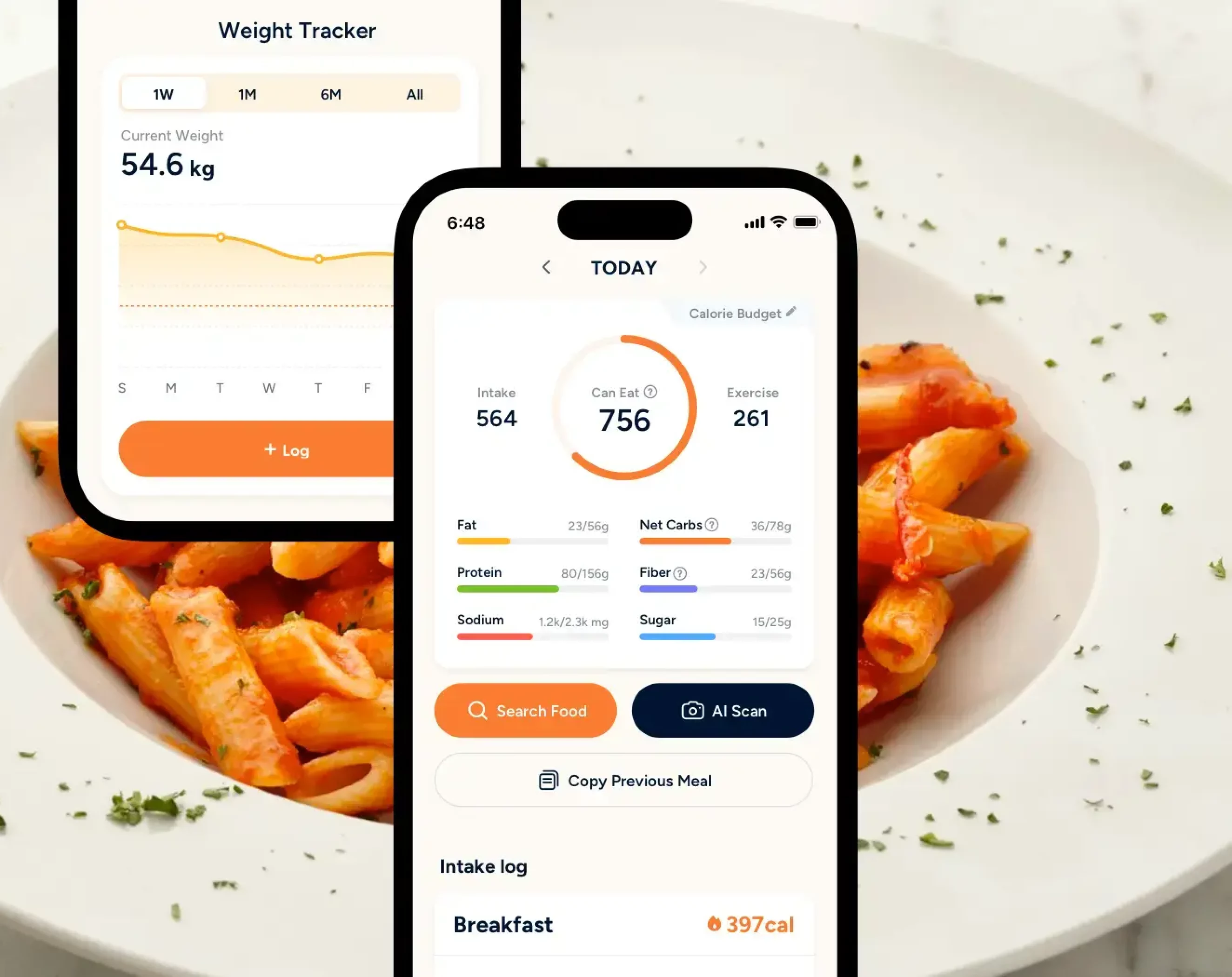
Instead, use Eato‘s calorie counter to track your nutrition, plan meals, and calculate your daily calorie intake so that you can effectively achieve your health goals safely. Try it today for free!

Smarter Nutrition Tracking
Track calories and over 100 other nutrients all in one place.
Download Eato For Free