Does green tea help with weight loss? Historically, green tea consumption has been embedded in many different cultures across the world, but it has recently been the focus of human studies on the benefits of green tea consumption for weight loss. Similarly, many users on social media associate green tea with clean eating and something essential to their weight loss journey, and incorporate it into their diet. However, does green tea help with weight loss? Here’s what the science says.
Key Takeaways
- Green tea is made from non-oxidised Camellia sinensis leaves, which preserves high levels of catechins, especially EGCG, the main bioactive compound linked to metabolic effects.
- Meaningful weight and fat loss effects are mainly observed with high-dose green tea extracts providing 300–600 mg or more of catechins per day, often combined with caffeine.
- Green tea catechins may support fat burning by increasing thermogenesis, slowing norepinephrine breakdown, and influencing fat metabolism and appetite hormones, but these effects are dose dependent.
- Green tea can support overall health, including cardiovascular, metabolic, antimicrobial, and dental benefits, but it should be viewed as a supportive habit rather than a standalone weight loss solution.
What Is Green Tea?

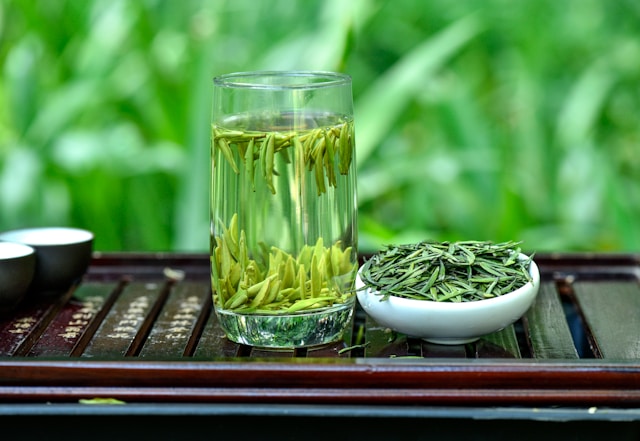
Green tea is made from the plant Camellia sinensis. The leaves of the camellia sinensis are dried and kept non-fermented and non-oxidised, which ensures that the chemical profile of the green tea leaf remains more similar to that of a fresh leaf [1]. Interestingly, in teas, “fermentation” refers to the enzymatic oxidation inside the leaf itself, and not external fermentation by microbes. Due to the lack of fermentation, green teas are lighter in color, milder tasting, and rich in catechins. However, take note that green tea is not the same as matcha powder!
Difference between green tea vs black tea
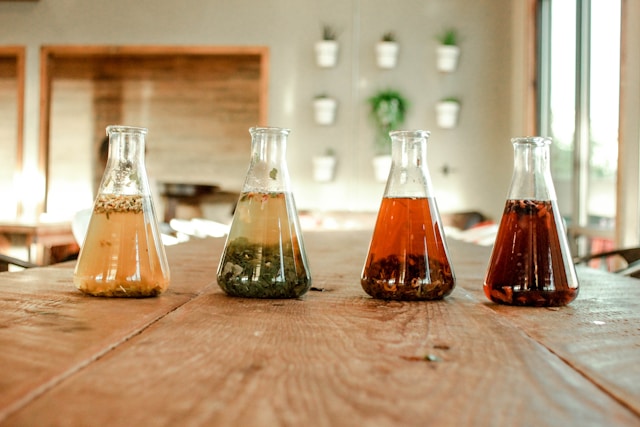
a) Green tea leaves are rapidly heated to stop oxidation from occurring
After the harvest of green tea leaves, they are usually flash-heated using flame heating or pan frying in order to denature the protein within the leaf. This is to ensure that the enzyme “polyphenol oxidase” becomes inactive, so that oxidation does not occur, unlike black tea [2].
b) Lack of oxidation prevents the formation of certain compounds
Due to the lack of or minimal oxidation, green tea does not have the following compounds, unlike black tea:
• bisflavanols
• theaflavins
• thearubigins
• other oligomeric polyphenol complexes
Can Drinking Green Tea Help You Lose Weight?
The effects of consuming green tea and green tea extract supplements have been studied in many clinical trials, with differing outcomes and results.
Study 1:
A large systematic review that pooled data from more than one thousand participants found that regular green tea consumption made only a small difference in weight management [1].
- Mean weight change of minus 3.5 kg to minus 0.2 kg across the different trials.
- When the results were combined, the researchers concluded that green tea on its own did not significantly improve long-term weight maintenance.
- Over a 12-week period, people drinking regular green tea or tea-based blends showed extremely small changes in weight, BMI, and visceral fat waist size compared to placebo.
This story gets more interesting when you look at higher dose extracts instead of the drink itself [3].
Study 2:
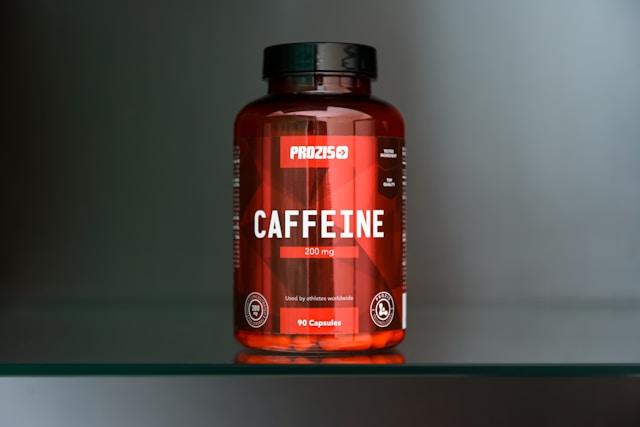
One study tested a daily extract containing 375 mg catechins, including 270 mg EGCG and 150 mg caffeine, taken across 4 capsules [3]. The study included 70 overweight Caucasian adults, and after 3 months, participants saw:
- 4.6 percent reduction in body weight
- 4.5 percent reduction in waist circumference
Why? The key reason is dosage. These green tea supplement capsules contained far more catechins than a typical brewed cup, and the caffeine likely boosted fat cell oxidation even further.
Study 3:

Additionally, a study on Asian Chinese adults used a higher catechin dose in beverage form, found similar results compared to study 2 [3]. Participants drank 340 ml of tea containing 576 mg catechins daily for 24 weeks. The control group drank the same amount but with only 75 mg of catechins. After 6 months, the high catechin group showed:
• Lower body fat percentage, reduced body weight
• Smaller waist circumference, lower visceral fat
• A catechin dose that was more than 7 times higher than that of the control group
Study 4:
Another long-term study in Asian adults with obesity tested a green tea mixture containing 100 mg EGCG and 87 mg caffeine per day [3]. Over 12 weeks, the group taking the mixture lost:
• 2.7 kg compared to the placebo group, who lost 2.0 kg
The green tea mixture added an extra 0.7 kg of weight loss on top of structured meals.
Conclusion from studies on how green tea may help with weight loss
So, does green tea help with weight loss? All of these points point to a consistent trend. A regular brewed cup of green tea usually contains only 50 to 100 mg catechins, which is far below the 300 to 600 mg range of green tea extract used in studies that showed meaningful fat loss.

Smarter Nutrition Tracking
Track calories and over 100 other nutrients all in one place.
Download Eato For FreeWhat Are Catechins in Green Tea?
Catechins are a group of polyphenols that make up a surprisingly large part of the tea leaf. In fact, catechins account for up to 30 percent of the dry weight of Camellia sinensis [3]. That is a huge fraction for a single class of compounds, and it helps explain why green tea has such a strong pharmacological profile compared to other plant-based drinks.
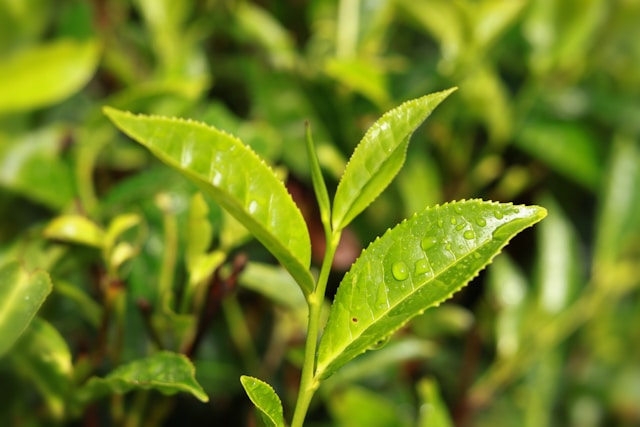
Among all the catechins, epigallocatechin 3 gallate, or EGCG, is the most abundant. EGCG alone makes up almost 40 percent of the total catechin mixture in green tea. Because of this, EGCG is considered the primary bioactive compound. Most of the metabolic, antioxidant, and potential health benefits, weight-related effects of green tea are usually traced back to this specific molecule [3].
How does catechins influence metabolism?
One of the well-studied mechanisms involves an enzyme called catechol O-methyltransferase, or COMT [4]. COMT is present in almost every tissue in the body.
- Its job is to break down catecholic compounds like norepinephrine.
- When green tea catechins inhibit COMT, they slow the degradation of norepinephrine.
- That means norepinephrine stays active for longer, which increases thermogenesis and fat oxidation.
- This is one of the reasons green tea is often included in fat-burning blends.
There is also evidence that EGCG influences gene expression related to lipid metabolism. Some studies show EGCG can regulate transcription factors involved in fat storage, fat breakdown, and mitochondrial activity [4]. One in vivo study even showed a dose-dependent suppression of lipid accumulation in maturing preadipocytes, which are the cells that eventually become fat-storing adipocytes. These findings suggest that higher doses of EGCG may have stronger metabolic effects, but more research is still needed to fully support the question, “Does green tea help with weight loss?” confidently.
What is the effect of EGCG on weight loss?
A study that investigated the effects of high doses of EGCG in women with central obesity found the following results when they took a daily dose of EGCG of 856.8mg for 12 weeks [4]:
- Significant reduction in body weight and waist circumference
- No side effects or adverse effects
- Increase in adiponectin levels by decreasing the secretion of ghrelin
There is also evidence from an in vivo study showing that EGCG can reduce lipid accumulation in maturing preadipocytes in a dose-dependent manner [4]. In other words, higher amounts of EGCG led to stronger suppression of fat cell development. The EGCG group had significantly lower ghrelin levels after treatment compared to the placebo group. Interestingly, people with obesity and metabolic syndrome tend to have lower ghrelin levels at baseline, which then rise during weight loss. The fact that EGCG lowered ghrelin rather than raising it may be important. It suggests that EGCG could make weight loss slightly more sustainable by reducing the usual hunger response that appears when the body starts losing fat.
How Does Caffeine Content In Green Tea Affect Weight Loss?
Caffeine occurs naturally in green tea, making up 2% to 5% of the water‐extractable solids from green tea leaves, and can account for some of the pharmacological activity of green tea [1].
Because of this, caffeine contributes to some of the metabolic and stimulant effects people associate with green tea. Caffeine is known as a methylxanthine, and one of its main metabolic actions is increasing thermogenesis [3].
- It does this by inhibiting an enzyme called phosphodiesterase.
- Under normal circumstances, phosphodiesterase breaks down cyclic adenosine monophosphate (cAMP) inside cells, turning it into AMP.
- When phosphodiesterase is inhibited by caffeine, cAMP levels rise.
- Higher cAMP triggers stronger sympathetic nervous system activity.
- This leads to activation of hormone-sensitive lipase (HSL), an enzyme that promotes the breakdown of stored fat.
- Once HSL is activated, lipolysis increases, and the body releases more free fatty acids into circulation.
How does caffeine affect your body?
Caffeine also influences how the body handles lactate and glucose. During physical activity, the muscles release lactate, which is transported to the liver. In the liver, lactate is converted to pyruvate and then to glucose. This glucose returns to the muscles through the bloodstream, and this whole loop is known as the Cori cycle.
Caffeine enhances this cycle by increasing sympathetic activity. Research from Acheson et al. found that caffeine increases free fatty acid turnover and fat oxidation. However, the study also pointed out that it takes a large increase in free fatty acid turnover to produce even a small increase in actual lipid oxidation. This means caffeine does help with fat-burning hormones, but the effect is modest and not as dramatic as many people expect.
Recent studies show that caffeine does more than increase thermogenesis [3]. It also strengthens sympathetic nervous system activity and affects appetite signaling. At the same time, caffeine influences enzymes involved in lipid metabolism in the liver and may reduce nutrient absorption.
Can Green Tea Increase Fat Burning?
A major systematic review of 14 studies involving 1,562 participants showed that green tea preparations produced a statistically significant reduction in body weight of minus 0.95 kg [1]. The confidence interval ranged from minus 1.75 to minus 0.15 kg, and the P value was 0.02, indicating that the effect was real, even if modest. This systematic review supports the idea that green tea does enhance fat loss, although the size of the effect varies widely across studies.
A separate trial reported that a single oral dose of 100 mg caffeine increased basal metabolic rate by 3 to 4 percent in 9 lean and 9 post obese individuals [3]. This finding was followed by a linear, dose-dependent rise in thermogenesis after consuming 100, 200, or 400 mg caffeine. The thermogenic response lasted longer than 3 hours, especially in people who habitually consumed less than 200 mg caffeine per day.

Fat-burning responses differ by body type as well. In a study with 20 women, 10 lean and 10 obese, consuming 4 mg/kg caffeine five times a day increased thermogenesis in both groups. The lean subjects showed an average increase of 7.6 ± 1.3 percent, while the obese subjects showed 4.9 ± 2.0 percent. The thermogenic effect even continued overnight, which suggests caffeine may influence energy expenditure across a full 24-hour cycle.
So yes, green tea can increase fat burning, but the effect is modest in everyday life. You will notice the impact most when the catechin dose is high, the caffeine intake is consistent, or when green tea extract is used instead of regular brewed tea.
4 Benefits of Green Tea
1. Might help cancer
When researchers analyzed studies where people consumed green tea as part of their regular diet, they found that case-control studies produced the most consistent findings [5]. These studies showed that people who drank green tea had a lower risk of several cancers, including:
• breast
• cardiac
• colorectal
• esophageal
• gastric
• lung
• ovarian
• pancreatic
• prostate
Much of this potential benefit is linked to green tea’s catechins, particularly EGCG.
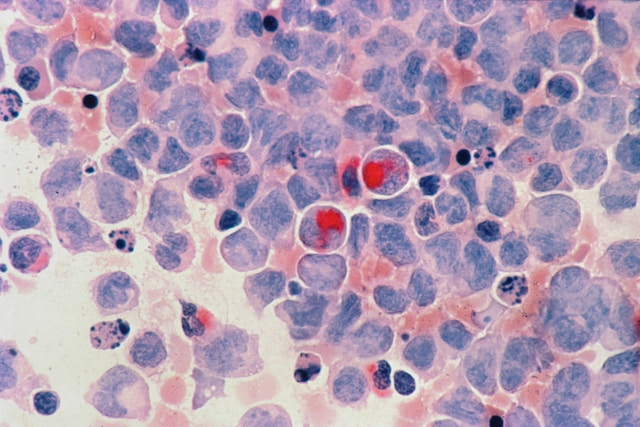
These compounds have been shown to neutralize free radicals, support DNA repair, and influence signaling pathways involved in cell growth. While green tea is not a cure or a standalone prevention tool, the current evidence points toward a meaningful association between tea consumption and lower cancer risk across multiple cancer types.
2. Cardiovascular Disease Health Benefits
Large population studies from Japan give some of the strongest evidence. Together, these studies involved close to 50,000 people and found that drinking green tea daily was linked to lower mortality from cardiovascular disease [5].
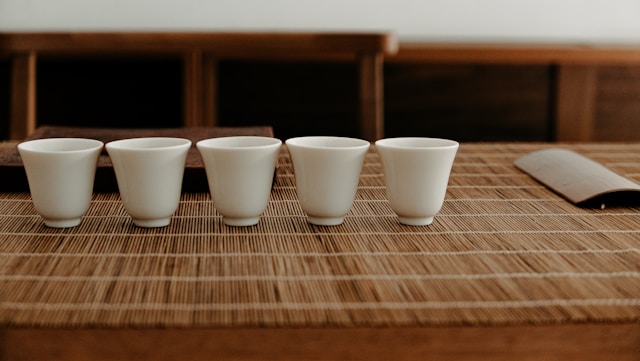
One study reported a 28 percent reduction in cardiovascular deaths and heart disease when comparing people who drank 3 cups or fewer per day with those who drank 10 cups or more per day [5]. Another study showed a 14 percent reduction when comparing people who drank less than 1 cup per day with those who drank 5 cups or more per day. The pattern suggests a dose-dependent relationship, where higher green tea intake is associated with greater protection from heart disease.
Clinical trials in Japan reinforce these findings. In one controlled study using green tea extract for 12 weeks, participants showed these changes in their body composition:
• 10 percent reduction in body fat
• 6.5 percent reduction in blood pressure
• 2.6 percent reduction in LDL cholesterol
All three changes point toward a lower risk of cardiovascular complications.
There are also benefits for people with metabolic conditions such as diabetes. After 2 months of green tea extract consumption, diabetic patients experienced:
• decreased fasting blood glucose, from 135 mg/dL to 128.8 mg/dL
• reduced hemoglobin A1c, from 6.2 percent to 6.0 percent
Even small improvements in blood sugar and A1c have a measurable effect on long-term cardiovascular risk.
3. Anti-microbial
Research suggests that using mice and ferrets has found that consuming green tea reduces the transmission of both bacteria and viruses [5].
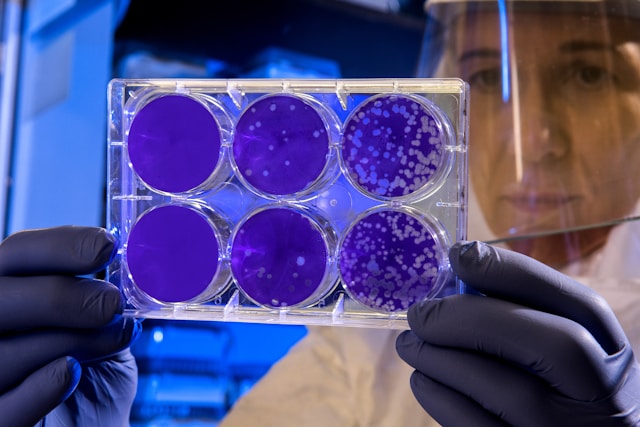
The animals that consumed green tea were less likely to spread infections and less likely to become infected when exposed. Human trials show similar patterns. People who consumed green tea regularly experienced:
• fewer fever-related illnesses
• fewer episodes of colds or influenza-like symptoms
• fewer confirmed infections of Influenza A or Influenza B
4. Helps in your dental hygiene
One of the most important bacteria linked to cavities is Streptococcus mutans. This microorganism feeds on sugars, produces acids, and slowly erodes tooth enamel. Green tea catechins have strong antimicrobial activity against S. mutans, which helps reduce its ability to grow and stick to teeth [5]. With fewer of these bacteria thriving in the mouth, the risk of plaque formation and tooth decay goes down.

Green tea also helps calm inflammation in oral tissues. This is important because gum inflammation can set the stage for more serious issues such as gingivitis or periodontal disease. The anti-inflammatory action of catechins helps support healthier gums and a more balanced oral environment.
There is even evidence that green tea improves bad breath. Because its antimicrobial properties reduce bacterial growth in the mouth and on the tongue, there is less production of the volatile sulfur compounds that cause unpleasant odors.
Conclusion
So, does green tea help with weight loss? Well, most regular cups contain a pretty small amount of catechins, usually around 50 to 100 mg, which is far below the high catechin ranges used in studies that showed noticeable changes in body fat and metabolism. In real life, this means your usual morning cup helps a little, mostly because of its caffeine and antioxidant content, but the fat-burning effect stays modest.
Want to start your weight loss journey? Track your calories with the Eato app for free today.

Weight Loss Has Never Been Easier
Get accurate nutrition info instantly. Keep track of your progress.
Download Eato For Free