When it comes to taking medications for your mental health, many healthcare professionals will explain the side effects of drugs. However, the possibility of seemingly unexplained weight gain may affect the uptake of certain medications and cause some patients to be hesitant to start treatment. Lexapro, one of the most prescribed antidepressants worldwide, has been the focus of such scrutiny. However, does Lexapro cause weight gain? Or is that just a misconstrued belief?
Key Takeaways
- Lexapro (escitalopram) is an SSRI commonly prescribed for depression and anxiety, and it increases serotonin levels in the brain.
- Weight gain may happen because of changes in serotonin receptor sensitivity, dopamine activity, histamine pathways, and ghrelin regulation, which can increase appetite, cravings, and reduce energy balance over time.
- Typical weight change reported is about +0.41 kg over six months, and a 24 month study cited reports a 10 to 15 percent higher risk of gaining at least 5 percent of baseline body weight.
- Depression and anxiety can also drive weight gain through emotional eating, low activity, sleep disruption, cortisol related hormonal changes, and social factors, so weight changes are not always only from the medication.
What Is Lexapro?

Lexapro, also known as Escitalopram, is one of the most prescribed antidepressant medications for depression and anxiety, and works by increasing the serotonin levels in your brain [2].
| Category | Details |
|---|---|
| Drug class | SSRI antidepressant (Selective serotonin reuptake inhibitor) |
| Mechanism of action | Increases serotonin levels in the brain to improve mental health and reduce depressive symptoms |
| FDA-approved uses | – Major depressive disorder (MDD) in adults and adolescents (12–17) – Generalised anxiety disorder (GAD) in adults and children (≥7 years) |
| Off-label uses | OCD, PTSD, social anxiety disorder, panic disorder, PMDD, menopausal vasomotor symptoms |
| Lexapro dosage | Oral tablets: 5 mg, 10 mg, 20 mg Oral solution: 1 mg/mL |
Side Effects of Lexapro
Taking Lexapro can result in many side effects including the following:
| Category | Adverse Effect | Description / Risk Factors |
|---|---|---|
| Common | Insomnia, nausea, sweating, fatigue, sexual dysfunction | Usually mild and may improve over time |
| Serious (rare) | QT prolongation | Abnormal heart rhythm on ECG; risk increases with higher doses, age ≥65, female gender, or low electrolytes |
| Severe (rare) | Serotonin syndrome | Excess serotonin causes agitation, tremors, fever, confusion, muscle stiffness; higher risk when combined with other serotonergic drugs (e.g., MAOIs) |
| Hormonal | SIADH (hyponatremia) | Causes low sodium levels, fatigue, confusion, and seizures, especially in older adults |
Although Lexapro other SSRIs have a safer toxicity profile than older antidepressants, they are still associated with several notable adverse effects [2].

The most frequently reported include
- insomnia
- sexual dysfunction (such as reduced libido, difficulty reaching orgasm, and delayed ejaculation)
- nausea
- increased sweating
- fatigue
- somnolence
While these side effects are often mild and dose-dependent, two rare but serious complications: QT prolongation and serotonin syndrome, require clinical attention [2].
Does Lexapro Cause Weight Gain?
Lexapro-related weight gain and weight fluctuations occur in approximately 55–65% of patients undergoing pharmacological treatment for major depressive disorder [1]. This Lexapro-induced weight gain often leads patients to discontinue antidepressant treatment, raising the risk of relapse, persistent depressive symptoms, and worsening mental health outcomes.

Initially, this increase in serotonin was expected to decrease appetite and reduce food intake, potentially allowing patients to lose weight. However, evidence now indicates that chronic SSRI use, particularly beyond one year, is associated with gradual unwanted weight gain, increased appetite, and higher body weight [1].
Why Do You Gain Weight With Lexapro?
Lexapro and other SSRIs can contribute to weight gain over long-term use because they alter how the brain regulates serotonin, appetite, and energy balance [1].
| Mechanisms in your body | What Happens | Effect on Weight |
|---|---|---|
| Reduced sensitivity of serotonin (5-HT₂) receptors | Brain adjusts to higher serotonin levels | Appetite control weakens over time |
| Lower dopamine activity | Certain receptors become less active | Hunger increases and metabolism slows |
| Histamine receptor activation | Dopamine and histamine changes | Cause food cravings and less energy use |
| Decreased ghrelin regulation | Craving more carbs or sugar | Leads to gradual weight gain |
According to NCBI (2024), this weight gain from Lexapro may result from changes in metabolism, serotonin receptor sensitivity, and energy balance over time. While some individuals may not notice weight gain early in treatment, long-term Lexapro use can lead to significant weight gain, especially when combined with a sedentary lifestyle or poor dietary habits [1].

Individuals with depression and anxiety are two to three times more likely to develop obesity and related risk factors, with increased antidepressant exposure over time. Given that obesity remains the second most common cause of preventable death after smoking, managing Lexapro weight gain is critical for maintaining both mental and physical health [1].

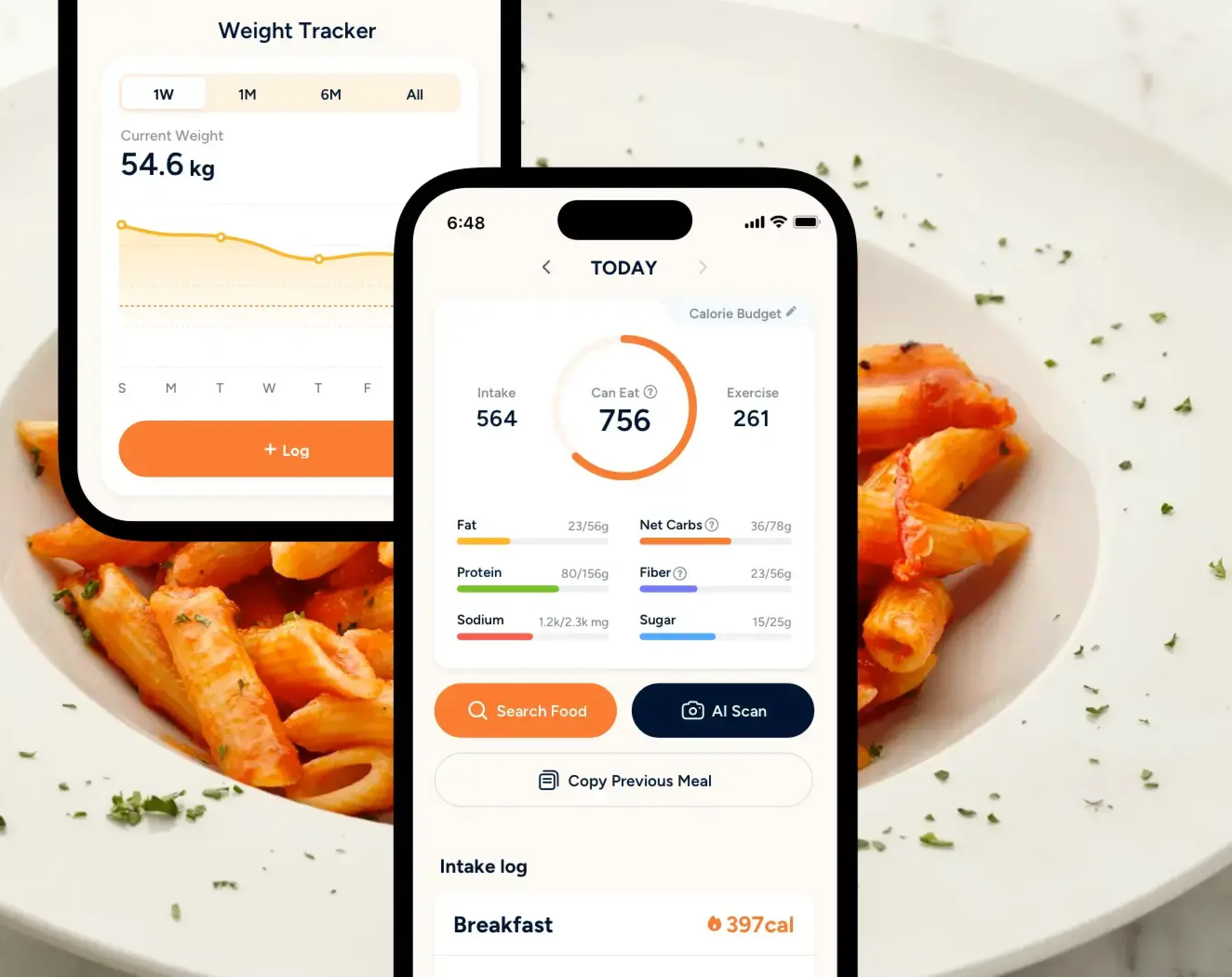
Smarter Nutrition Tracking
Track calories and over 100 other nutrients all in one place.
Download Eato For Free3 Factors That Increase Weight Gain Risk With Lexapro
1. Genetic predisposition
According to Ricardo-Silgado et al. (2024), genetic differences play a significant role in how individuals respond taking Lexapro.
Their study [3] found that patients with:
- CYP2C19 poor or intermediate metabolizer phenotypes gained considerably more body weight
- 2.6 % more on average compared to those with normal or rapid/ultra-rapid metabolism.
2. Body composition

Individuals who start treatment with a higher BMI tend to experience weight gain more than those who have lower starting values [3].
Factors such as age, waist circumference, and metabolic rate also contribute to individual variation in Lexapro-related weight gain.
3. Lifestyle factors

Simon et al. (2024) observed that eating habits such as
- emotional eating, or stress eating
- frequent cravings for processed foods or sweets,
- weight cycling
…are linked to higher rates of obesity and metabolic syndrome among psychiatric patients [4].
How Much Weight Do You Gain on Lexapro
The amount of weight gain from Lexapro varies across a population-based cohort study, but a 24-month observational study reported that patients on Lexapro a 10–15% higher risk of gaining at least 5% of their baseline body weight [10].
Similarly among several SSRIs studied, Lexapro produced the highest average weight increase, approximately +0.41 kg over six months [10].
Average weight gain on Lexapro
| Duration | Average Weight Change | Study Findings |
|---|---|---|
| 6 months | +0.41 kg | Escitalopram showed the greatest weight gain among SSRIs [7]. |
| 24 months | 10–15% higher risk of ≥5% body weight increase | Observed with escitalopram, paroxetine, and duloxetine [10]. |
Additionally, individuals with atypical depression are more prone to weight gain because of increased appetite, insulin resistance, and altered metabolic function, which can amplify the effects of Lexapro treatment.
How Do Anti-Depressants Cause Weight Gain?
While Lexapro (escitalopram) can lead to weight gain, other antidepressants show varying effects on body weight. Some cause noticeable increases over time, while others are weight neutral or may even promote weight loss. The degree of change depends on the drug class, mechanism, and individual factors such as metabolism, genetics, and lifestyle [5][8].
| Type | Example Drug(s) | Average Weight Change | Relative Risk of ≥5% Gain | Mechanism / Cause | Reference |
|---|---|---|---|---|---|
| SSRI | Paroxetine | +0.4 to +2.7 kg | Higher (~20%) | Appetite stimulation via serotonin and histamine effects | [7][6] |
| SSRI | Fluoxetine | Neutral to +0.1 kg | Minimal | Early appetite suppression, stabilizes over time | [7][8] |
| SNRI | Duloxetine / Venlafaxine | +0.2 to +0.4 kg | Moderate | Alters metabolism through noradrenaline reuptake | [7] |
| TCA | Amitriptyline / Nortriptyline | +1.5 to +2.0 kg | High | Antihistaminergic and anticholinergic activity increases appetite | [5] |
| MAOI | Phenelzine | +2 to +3 kg | High | Impacts appetite-regulating hormones and metabolism | [5] |
| Atypical | Mirtazapine | +1.5 to +1.8 kg | High | Histamine (H₁) and serotonin (5-HT₂C) blockade | [5] |
| Atypical | Bupropion | −0.2 to −3.0 kg | Lower | Dopamine and norepinephrine reuptake inhibition suppresses appetite | [7] |
Most SSRIs, including Lexapro and paroxetine, are linked to gradual weight gain over long-term use [1][7].
- Fluoxetine and bupropion are generally weight neutral or may contribute to modest weight loss [7][8].
- TCAs and MAOIs are more likely to cause noticeable body weight increases due to their antihistaminergic and metabolic effects [5].
For patients concerned about weight changes, bupropion or fluoxetine may be appropriate alternatives under clinical guidance [7][8].
How Do Anxiety Disorders or Depression Cause Weight Gain?
Depression and anxiety themselves can contribute to weight gain through behavioural, physiological and hormonal pathways.
| Mechanism | Description | Effect on Weight | Supporting Evidence |
|---|---|---|---|
| Emotional Eating | Depression and anxiety trigger food consumption as a coping mechanism, especially for high-calorie, sugary, or fatty foods. | Increased calorie intake and body fat accumulation. | [13] |
| Reduced Physical Activity | Low motivation, fatigue, and anhedonia (loss of pleasure) reduce activity levels. | Decreased energy expenditure and progressive weight gain. | [13] |
| Medication Side Effects | Antidepressants and antipsychotics (e.g., SSRIs) can alter metabolism and appetite regulation. | Weight gain due to metabolic changes and appetite stimulation. | [12] |
| Hormonal Dysregulation | Chronic anxiety elevates cortisol, increasing appetite and fat storage (especially visceral fat). | Long-term weight gain and insulin resistance. | [9][11] |
| Sleep Disturbances | Anxiety and depression often disrupt sleep, altering ghrelin and leptin levels. | Increased appetite and preference for high-calorie foods. | [9] |
| Social Isolation and Stigma | Weight stigma and isolation worsen emotional distress, promoting further eating for comfort. | Reinforces weight gain and worsens mental health conditions. | [11] |
How to Manage Lexapro Weight Gain
Managing weight gain from Lexapro requires a combination of pharmacological, behavioral, and lifestyle interventions.
| Strategy | What It Does | Effectiveness | Key Notes / Reference |
|---|---|---|---|
| Switch to weight-neutral antidepressants | Replace Lexapro with bupropion or fluoxetine to avoid weight gain | High | Bupropion may cause mild weight loss [10] |
| Metformin | Improves insulin sensitivity and reduces drug-related weight gain | Moderate | Commonly causes GI discomfort but effective for insulin resistance [10] |
| GLP-1 receptor agonists | Suppresses appetite and helps control food intake | High | Expensive and injectable, but highly effective [10] |
| Naltrexone/Bupropion combo | Regulates reward pathways to reduce cravings | Moderate | Promotes average 6% weight loss [10] |
| Lifestyle & CBT | Combines balanced diet, regular exercise, and behavioral therapy | High | Encourages goal setting and long-term weight control [4] |
| Gut microbiota support | Enhances digestion and may influence metabolism | Emerging | Probiotics and synbiotics show potential [4] |
a) Switching medications

Bupropion, for example, is consistently associated with the least weight gain among SSRIs and may even promote weight loss due to its dopamine and norepinephrine reuptake inhibition [7].
It has demonstrated an average weight reduction of 6.3%, compared to 4.3% in placebo groups. Clinicians may also consider fluoxetine, which has a lower likelihood of long-term weight increases.
b) Pharmacological Approaches
Adjunctive pharmacological treatments can help manage Lexapro-related weight gain. Metformin, an insulin sensitizer, is widely used to counter drug-induced weight gain and can improve metabolic balance in patients prone to insulin resistance [10].

GLP-1 receptor agonists (such as liraglutide and exenatide) reduce appetite and support weight control, though they are typically more costly and injectable [10].
c) Behavioral and Lifestyle Interventions
Lifestyle modification remains a cornerstone of managing Lexapro weight gain. Combining cognitive-behavioral therapy (CBT) with structured diet modifications and exercise interventions has proven effective [4].

Practical behavioral strategies include:
- Self-monitoring: Track daily calorie intake and weight changes.
- Goal setting: Define achievable targets for diet and exercise.
- Problem-solving: Address barriers to maintaining healthy routines.
- Exercise: Incorporate both aerobic activity and resistance training 3–5 times weekly.
- Dietary modifications: Focus on whole grains, lean proteins, and healthy fats while limiting processed foods.
- Early monitoring: Detecting early weight gain helps prevent larger long-term increases.
d) Gut Health and Microbiota Modulation

Emerging evidence suggests that gut health through diet and supplementation may help mitigate Lexapro-induced weight gain.
- Antidepressants, including Lexapro, can alter gut microbiota, which in turn may affect weight management and drug efficacy.
- Probiotic and synbiotic supplementation show early promise in reducing antidepressant-related weight gain, though larger studies are needed.
- Supporting gut health naturally through high-fiber foods, fermented products, and possibly supplements may help maintain healthy body weight during Lexapro treatment.
Final Words: Lexapro Weight Gain
Antidepressant induced weight gain is a significant concern that can impact treatment adherence and overall well-being. The underlying mechanisms involve complex interactions between serotonergic, dopaminergic, and metabolic pathways. Different antidepressant classes contribute to varying degrees of weight gain, with SSRI antidepressants like Lexapro generally causing gradual increases, whereas drugs like bupropion may facilitate weight loss [1][7].
However, if you are thinking of managing your weight and health to manage Lexapro weight gain, you can consider using the Eato app as a guide to healthy eating and discover customizable meal plans that fit your lifestyle and health goals. Make healthier food choices with Eato today!

Weight Loss Has Never Been Easier
Get accurate nutrition info instantly. Keep track of your progress.
Download Eato For Free