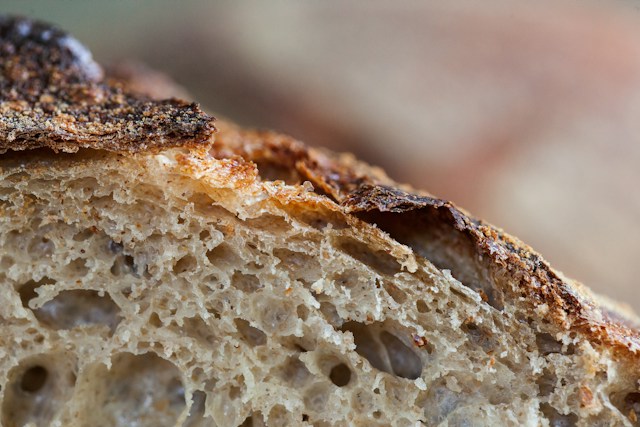
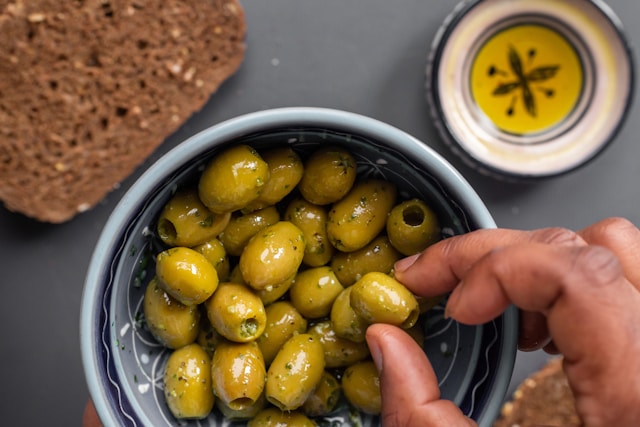
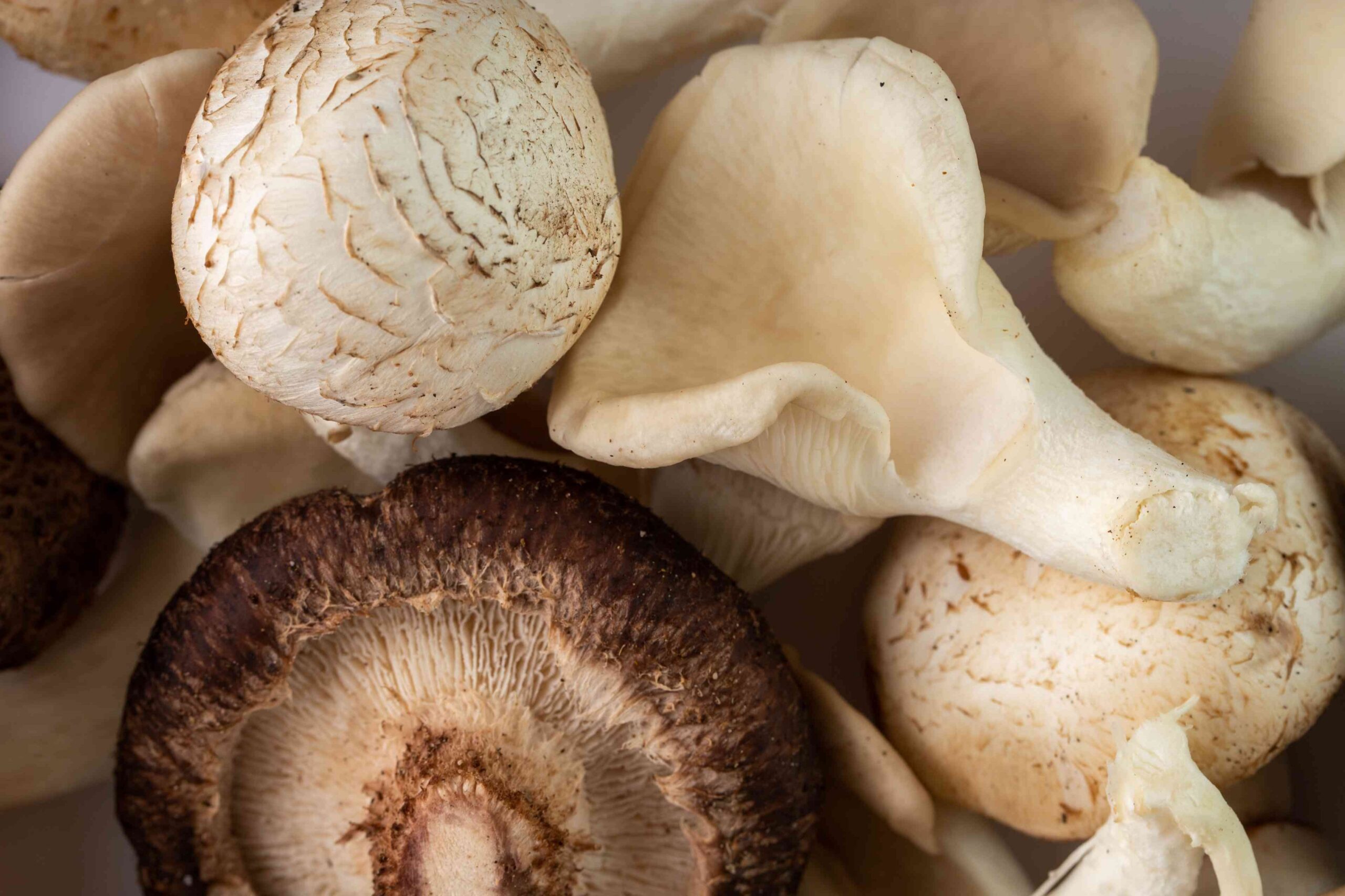
Fermented foods represent one of the most historically significant and economically accessible methods for extending the shelf life of raw materials before the refrigerated section of a market existed [1]. In more recent years, fermented foods for gut health have become increasingly popular among health-conscious individuals. Especially those seeking beneficial gut bacteria and a diverse microbiome for their diet. In this blog, we will cover more fermented foods that differ from the miso, cottage cheese, sourdough bread, apple cider vinegar, or Greek yogurt that you may be familiar with.
Key Takeaways
- Labneh is a concentrated “yogurt cheese” produced by straining fermented milk to remove whey.
- Labneh contains 2.5 times the protein and 50% more minerals than regular greek yogurt.
- Vegan labneh made from cashew milk provides a high-antioxidant alternative.
- Traditional varieties like Labneh Ambaris can contain over 100 different bacterial species, sharing a similar microbial profile to kefir.
What Are Fermented Foods?
Not all fermented foods are created equal. But, as a general rule of thumb, fermentation utilizes the metabolic activity of specific bacteria. This is to transform raw ingredients into stable food products that frequently exhibit enhanced nutritional profiles.
Fermentation can also be divided into two main types [2].
Aerobic fermentation takes place in the presence of oxygen and includes processes such as fungal and alkaline fermentation. Anaerobic fermentation, on the other hand, occurs without oxygen and covers both alcoholic and LAB fermentation [3].
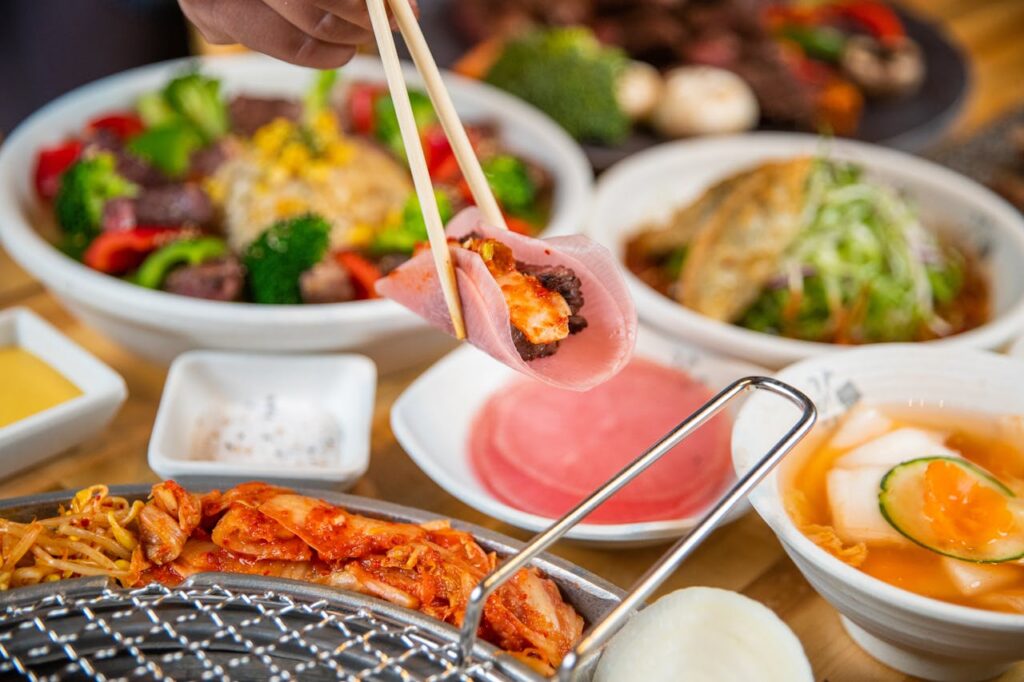
Some of the most common fermented foods we see today are fermented kimchi (a type of fermented cabbage), sourdough bread, Greek yogurt, cheese varieties, kefir, and other foods that tout to include “active cultures”. These foods are found in the refrigerated section of your local supermarket.

Weight Loss Has Never Been Easier
Get accurate nutrition info instantly. Keep track of your progress.
Download Eato For FreeBest Fermented Meat
The fermentation of meat is primarily driven by LAB (lactic acid bacteria). LAB, which function as natural biopreservatives, perform two critical functions [4]:
- Acidification: The beneficial bacteria metabolizes natural sugars into LAB. This makes an acidic environment hostile to most pathogens that causes food to “go bad”.
- Bacteriocin: LAB release antimicrobial peptides known as bacteriocins which specifically target and inhibit the growth of harmful foodborne pathogens and spoilage organisms, enhancing the product’s microbial stability and shelf life [4].
1. Sucuk (Turkish Fermented Dry sausage)

Sucuk is one of the most popular traditional Turkish fermented foods, usually eaten in a breakfast sandwich, made by chopping beef or mutton and mixed with fat, spices, preservatives, colouring agents, additives, and a starter culture [5].
- The process utilizes an active culture usually composed of LAB and Staphylococci.
- Encourages the presence of healthy probiotics that may contribute to improved gut health conditions [5].
2. Pastırma
Pastrami, known locally as pastırma, is another example of a culturally significant fermented food.
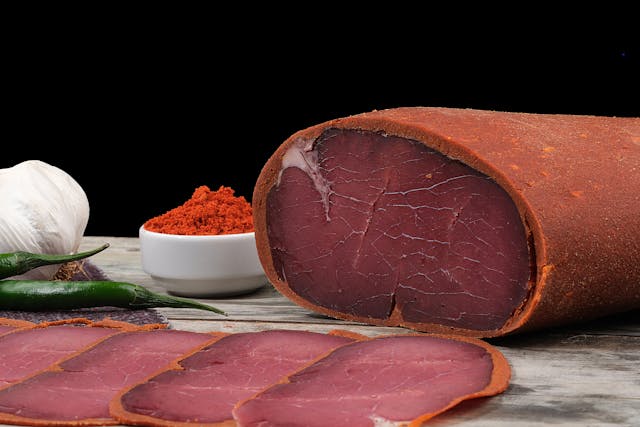
Its preparation involves curing, drying, and pressing the meat, followed by the application of çemen, a coating made from red pepper, paprika, ground fenugreek, and garlic [6]. This manufacturing process not only enhances flavour but also contributes to microbial safety and preservation.
3. Dried Ossban (Tunsian)
Dried Ossban is a traditional Tunisian fermented meat product prepared using sheep intestine and minced meat mixed with salt and spices [7].

4. Nem Chua (Vietnam)
Nem chua is a widely consumed Vietnamese fermented pork product known for its sour flavour and firm texture.
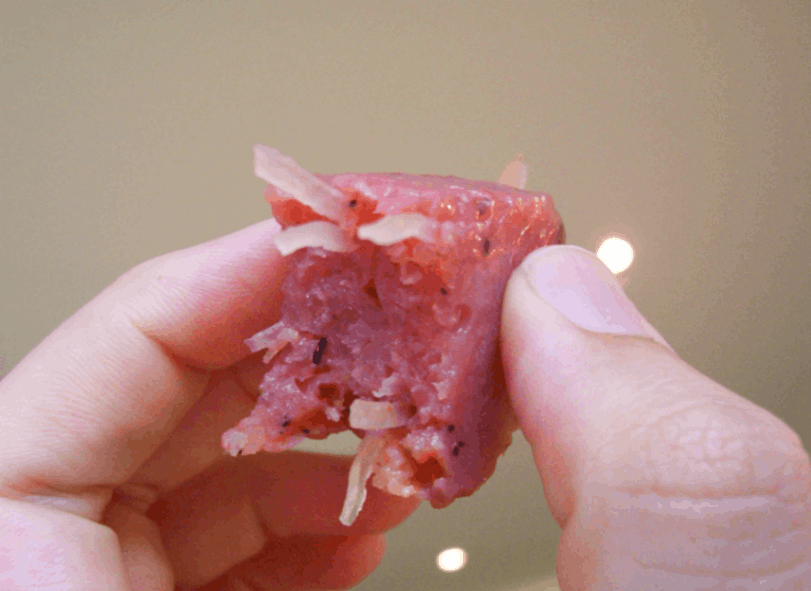
These qualities are attributed to LAB, which dominate during the fermentation process. LAB reduce pH by producing lactic acid, thereby inhibiting pathogenic bacteria and enhancing safety [8].
Best Fermented Fish
Many Asian countries, due to their proximity to the sea, consume a wide range of fermented fish and shellfish condiments are eaten daily, as seasoning, sauces or a side dish. These traditional fermented foods often use the seafood’s meat, viscera, or byproducts mixed with salt and left to undergo the fermentation process for several months or even years, creating the deep “umami flavor” that is authentic to many cuisines.
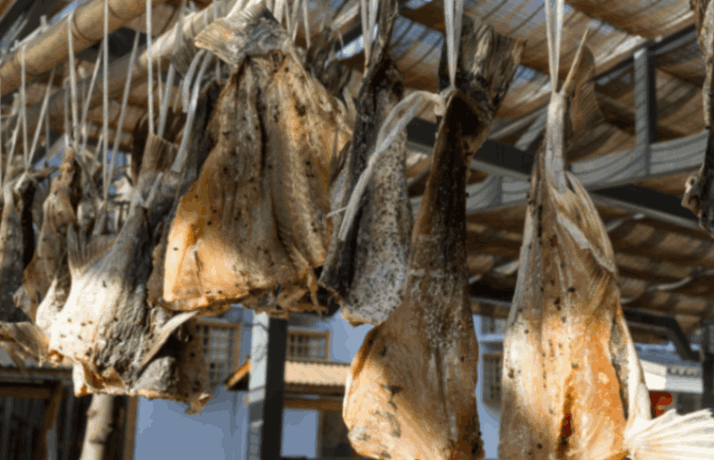
The activity of good bacteria and live organisms during this period transforms the raw material, enhancing flavour, contributing to food preservation, and producing bioactive compounds that may support gut health and nutrient absorption [10].
5. Hoi Sin (Oyster) Sauce (Hong Kong)

Research into the microbial diversity of this oyster sauce fermentation reveals a sophisticated “relay race” of bacteria that shape the final product [11]:
| Fermentation Stage | Dominant Microorganisms | Primary Function |
| Early | Lactobacillus | pH reduction and initial preservation |
| Intermediate | Weissella | Development of aromatic compounds |
| Late/Mature | Salinivibrio & Alphaproteobacteria | Final flavor stabilization and nutrient synthesis |
6. Belacan (Indonesia)
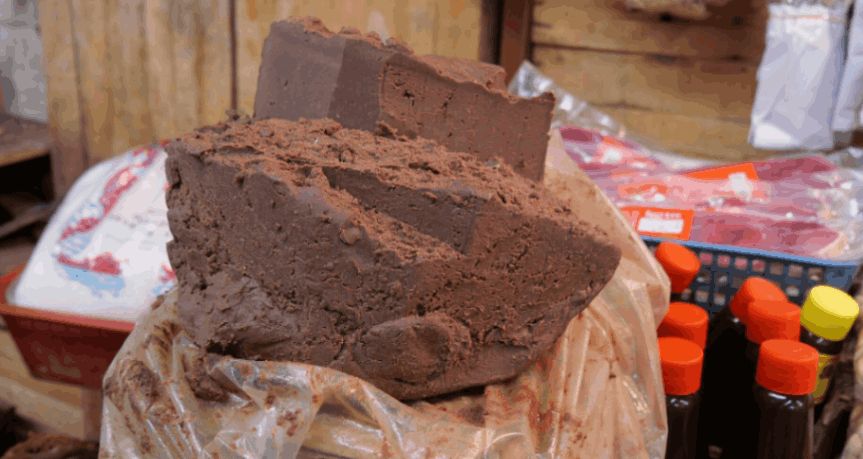
Belacan, small shrimp fermented sauce, is produced through spontaneous fermentation, unique from the isolated strains used in industrial food production [12]. No starter cultures are added, instead relying on the existing microbacteria in the shrimp mized with salt, resulting in an intense, pungent aroma.
7. Hakari (Iceland)
Raw Greenland shark meat, Hákarl, is a traditional Icelandic delicacy albeit extreme examples of microbial transformation in the world.
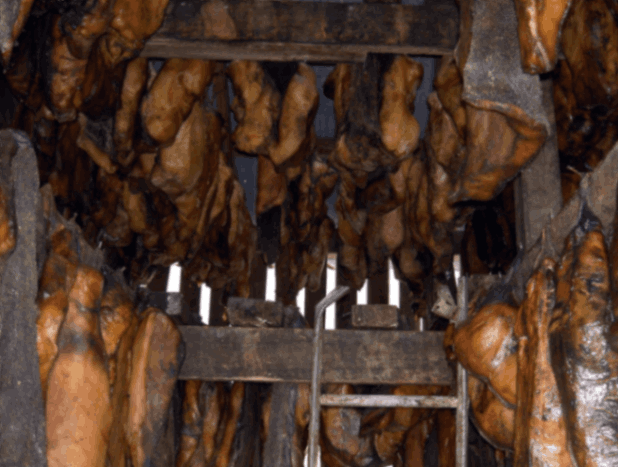
Interestingly, in its “natural state”, the shark is naturally toxic to humans due to high concentrations of urea and trimethylamine N-oxide (TMAO), which is only neutralized by the 5 week fermentation process that renders the meat edible [9].
Unlike most meat fermentations (which become acidic), hákarl becomes highly alkaline, with the pH rising from a neutral 6.0 to approximately 9.0 [9].
Best Fermented Milk
The majority of fermented foods (specifically dairy products), including yogurt (a popular keto snack), kefir, and other fermented products, rely on LAB as the primary agents of the fermentation process [11].

- LAB promote acidification through the production of lactic acid, which inhibits the growth of pathogenic and spoilage microorganisms.
- LAB releases antimicrobial bacteriocins [13].
- Fermented dairy foods contribute to gut health, nutrient absorption, and the maintenance of a healthy gut microbiome through the presence of live organisms and healthy probiotics.
8. Koumiss
Koumiss, different from kefir, is a slightly alcoholic fermented beverage traditionally made from unpasteurized mare’s milk (raw milk). This drink has its origins among the nomadic cultures of Central Asia and continues to be consumed in countries such as Kazakhstan, Mongolia, Kyrgyzstan, and Russia [14].

The process of fermentation for koumiss is characterised by a mixed microbial diversity, consisting of both lactic acid bacteria (LAB) and yeast.
The microflora of koumiss includes [14]:
- Lactobacillus delbrueckii subsp. bulgaricus and Lactobacillus acidophilus, which lower pH by producing lactic acid and contribute to the sour taste.
- Lactose-fermenting yeasts: Saccharomyces spp., Kluyveromyces marxianus var. marxianus, and Candida koumiss, which generate mild alcohol and aromatic compounds.
- Non-lactose-fermenting yeast: Saccharomyces cartilaginous, which adds to the product’s unique fermentation profile.
- Non-carbohydrate-fermenting yeast: Mycoderma spp., which influence texture and flavour stability.
These live microorganisms give koumiss its slightly sour, fizzy, and alcoholic properties, while also providing live organisms that may function as healthy probiotics, supporting gut health and nutrient absorption [14].
9. Kefir
Kefir is a fermented beverage milk drink originating from the Caucasus region, with a sour, acidic, mildly alcoholic taste, and creamy consistency [15]. Kefir is produced through acid-alcoholic fermentation carried out by the live microbes present in kefir grains, which consist of a symbiotic association of LAB, acetic acid bacteria, and yeasts [15].

Kefir is considered one of the most beneficial fermented foods, widely consumed for its probiotic properties and contribution to overall health.
Weight Loss Has Never Been Easier
Get accurate nutrition info instantly. Keep track of your progress.
Download Eato For FreeBest Fermented Vegetables
Traditional fermented vegetables such as mustard greens, pickles, and turnips represent an important category of fermented foods, contributing both to dietary diversity and gut health.

These foods are rich in good bacteria, organic acids, and antioxidant properties that enhance flavour, promote healthy digestion, and support immune function. As one of the “gateway” categories for many people adding fermented foods to aid in healthy digestion, fermented napa cabbage (vegetable kimchi) remain a popular choice.
10. Mao Tofu (Hairy Tofu)
Mao tofu, also known as hairy tofu, is a popular Chinese fermented soybean product characterised by a distinctive surface mould [16].
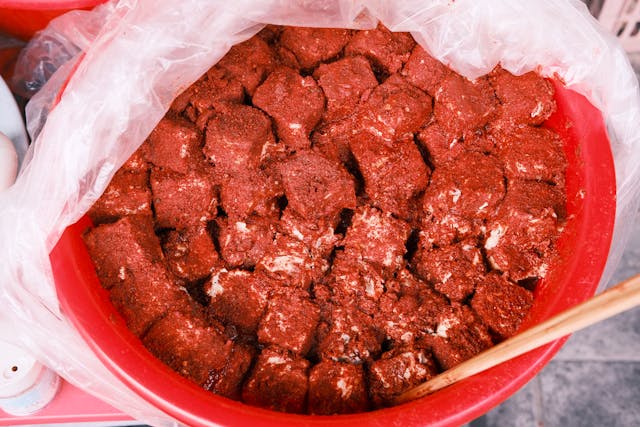
This fermentation process enriches the tofu with bioactive compounds, including antioxidant peptides, which play a role in neutralising free radicals and supporting overall health [16].
11. Fermented Bamboo
Fermented bamboo shoots are valued for their high content of xylan and xylooligosaccharides, which act as prebiotics and enhance gut microbiome diversity.

They provide a range of medicinal and nutritional benefits, including antioxidant, anticancer, anti-aging, and anti-free radical activities. Additionally, fermented bamboo may aid in weight management, lower blood pressure, reduce the risk of cardiovascular disease, and support digestion through its bioactive compounds such as glycosides and flavones [17]
12. Gundruk
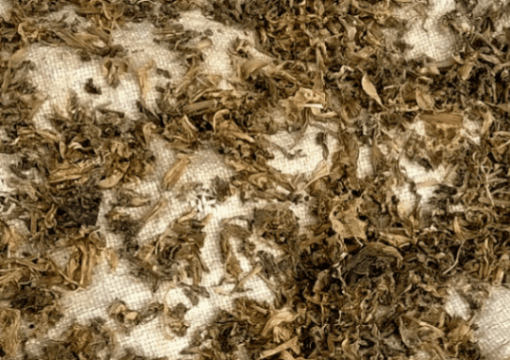
Gundruk is a traditional Nepali fermented green leafy vegetable prepared from Rayo-sag (Brassica campestris), mustard (Brassica juncea), and cauliflower (Brassica oleracea).
13. Nukazuke
Nukazuke is a Japanese pickle made by fermenting vegetables such as radish in rice bran (nuka) paste. Research shows that radish-nukazuke exhibits strong histamine-reducing activity, decreasing histamine concentrations in fish sauce by nearly 50% [19].
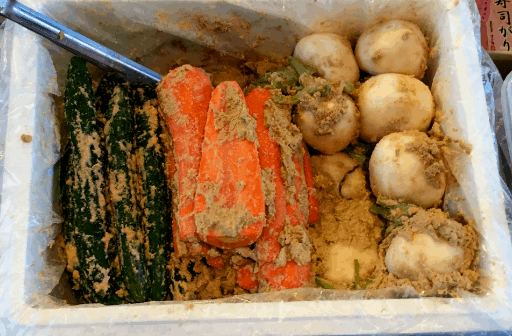
This fermentation process enhances the activity of water-soluble and heat-tolerant compounds in the rice bran paste, improving its functional properties [19].
Best Cereal-based Fermented Foods
14. Tarhana
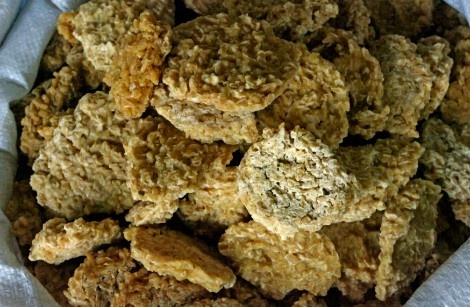
Tarhana is a traditional fermented cereal-based food that originated with Turkish communities in Central Asia before spreading to other regions [20]. It is prepared from a mixture of yogurt, cereal flours, yeast, vegetables, herbs, and spices, which are combined to form a dough. This dough undergoes a fermentation process lasting 1 to 5 days, after which it is dried for preservation.
5 Health Benefits of Eating Fermented Foods
Eating fermented foods, or adding fermented foods with active cultures into your diet provides a wide range of health-promoting effects due to the activity of LAB, beneficial live bacteria, and other live microorganisms. These fermented products contribute to both gut health and overall health by influencing physiological functions, improving digestion, and producing bioactive compounds.
1. Cardiovascular and Metabolic Benefits

Eating fermented foods regularly has been linked to lowering cholesterol levels, improved lipid metabolism, and protection against atherosclerosis [18]
They may lower the risk of hypertension, diabetes, and obesity by improving metabolic balance and increasing the production of organic acids that regulate blood pressure [18].
2. Immune Function and Protection Against Pathogens

Fermented dairy foods and fermented vegetables modulate the immune system by enhancing immune cell activity and supporting immune function.
Antimicrobial compounds, including bacteriocins and acids, protect against harmful gut bacteria and pathogens [18].
3. Cancer Prevention and Anti-Carcinogenic Properties
Several fermented foods exhibit anti-carcinogenic potential by reducing carcinogen activity and supporting healthy gut microbiome function. This contributes to the prevention of colorectal cancer and other chronic conditions [21].
4. Gut Health and Digestive Benefits
Eating fermented foods beneficially modify the gut microbiota.

It improves the level of diverse microbiomes, which supports the prevention and treatment of inflammatory bowel disease (IBD) and irritable bowel syndrome [22].
A diet high in healthy probiotics enhances stool quality, promotes nutrient absorption, and improves digestive tract health.
5. Alleviation of Lactose Intolerance
- The conversion of lactose into lactic acid during the fermentation process makes dairy more digestible.
- This reduces abdominal pain, bloating, and diarrhoea in people with lactose intolerance [23]
Final Words: Not All Fermented Foods Are Created Equal
While many fermented foods provide many health benefits, it is important to note that not all fermented foods are created equal or nutritionally advantageous. The quality and safety of fermented foods depend heavily on the fermentation process, ingredients used, and microbial populations of beneficial bacteria involved.
For example, sucuk, has been criticised by nutritionists for its high fat, salt, and biogenic amine content, which can increase health risks such as hypertension and cardiovascular strain [24]. Similarly, studies have shown that some bacterial strains isolated from nem chua are resistant to multiple antibiotics. This raises concerns that while nem chua offers flavour and cultural significance, it may also harbour bacteria capable of transferring antibiotic resistance, a potential risk to food safety and public health [8].
While not all fermented foods are created equal, it is not ideal to avoid fermented foods as a whole. Instead, track your macronutrient levels with the Eato app. Try it for free today!

Smarter Nutrition Tracking
Track calories and over 100 other nutrients all in one place.
Download Eato For Free