Key Takeaways
- Raw milk is trending on social media because it fits the aesthetic of clean living, natural diets, and buying local, but the trend hides real food safety risks.
- Raw milk is any milk from farm animals that has not been heated to kill bacteria.
- These pathogens can cause foodborne infections, intoxications, or toxic infections, all of which range from severe illness to long term health complications.
- People who drink raw milk are far more likely to get sick, and hospitalization rates are significantly higher compared to those consuming pasteurized milk.
- It is extremely difficult to test raw milk reliably for contamination
When you go on social media or scroll on TikTok, you may come across the clean aesthetics of a dairy farm, kitchen, or even a glass bottle of milk. Similarly, you may come across raw milk advocates, social media influencers, or extreme dieters following diets like the raw food diet or the carnivore diet. These online personalities often tout the health benefits of drinking raw milk or drinking unpasteurized milk.
Raw milk consumption is quickly becoming one of the fastest proponents of the “consuming all natural” and “purchasing locally” food items [1]. It is a movement where individuals are encouraged to consume fewer processed food items and shop locally. On a global stage, raw milk sales have increased substantially. However, raw milk has been linked to dangerous misinformation about food safety [2]. And, as a cure-all for everything from bad skin to weight loss.

Weight Loss Has Never Been Easier
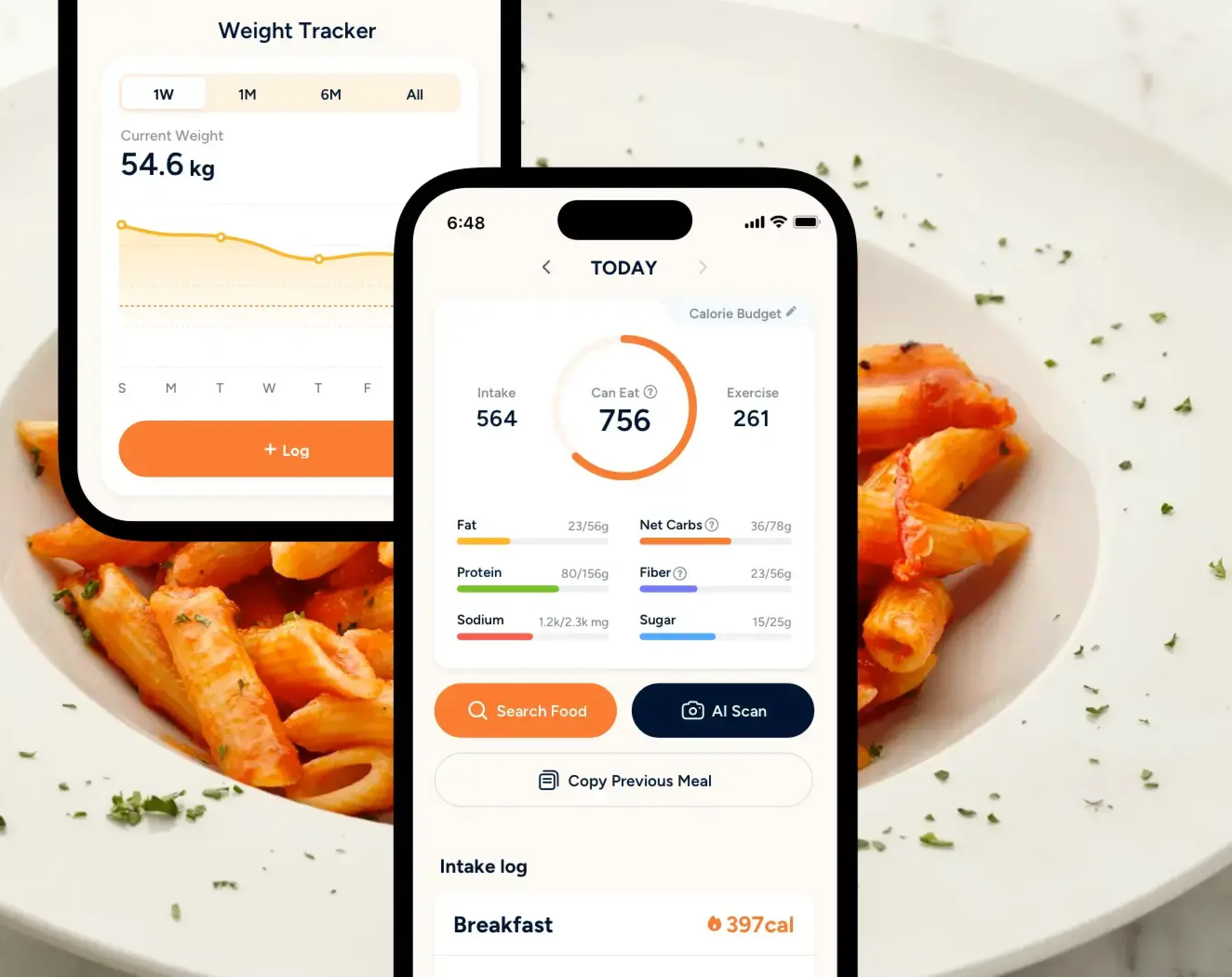
Get accurate nutrition info instantly. Keep track of your progress.
Download Eato For FreeWhat Is Raw Milk?
The European Food Safety Authority calls farm milk, or milk products that have been produced by farmed animals (like cows, goats, sheep, or other domesticated ruminants that have been grass-fed [3]) and not been heat-treated to 40 degrees Celsius, or any other equivalent form of treatment, to be considered as “raw” milk [4].
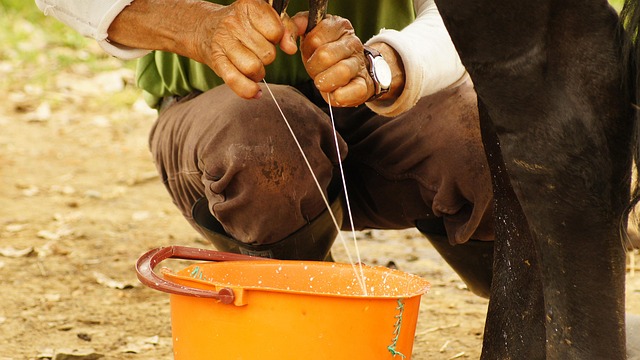
This act of heating up the raw farm milk is called pasteurization. Pasteurization essentially heats every single particle of milk or milk product. The heating of the raw milk goes up to, minimally, a temperature of 72 degrees, and at least 15 seconds [5].
What is the difference between raw milk and pasteurized milk?
Pasteurised milk includes heating milk to 145 degrees Fahrenheit (62.78 °C) for at least 30 minutes through a process called vat pasteurization. The most common process of pasteurized milk by milk production factories is the High Temperature Short Time pasteurization (HTST). HTST increases the temperature of raw cow’s milk to 161 degrees Fahrenheit (71.67 °C) for at least 15 seconds. There, the now pasteurized milk is cooled back to 39 degrees Fahrenheit (3.89 °C).
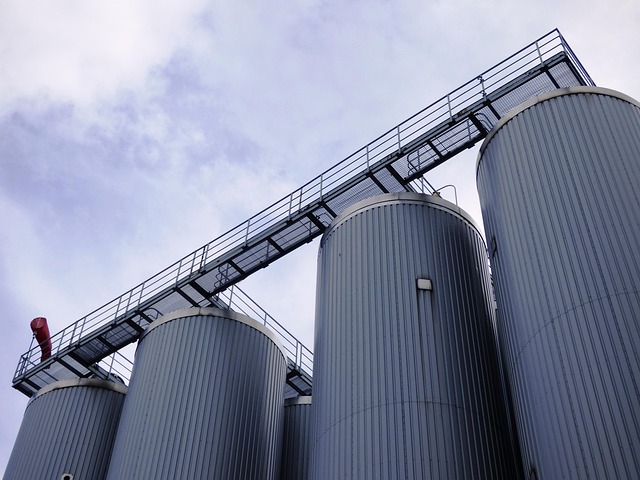
Alternatively, raw farm milk can undergo a process called Ultra Pasteurization (UT). There, the raw milk dairy undergoes flash heating, in which it is heated to 280 degrees Fahrenheit (137.78 °C) for two seconds. This pasteurized milk is extra unique, as it remains shelf-stable and does not need to be refrigerated.
Ultimately, these processes work to kill potentially dangerous bacteria such as E.coli, Salmonella, and Listeria. These bacteria are dangerous or otherwise deadly to human health. These harmful bacteria and microbes, often found in raw milk products, are responsible for causing numerous foodborne illnesses, according to the FDA, the International Dairy Federation, and the National Department of Health.
Potential Dangers of Raw Milk Consumption
If raw milk advocates consider raw milk products to be a “living food, with claimed nutritional and biological properties” [3], what exactly makes their consumption of raw milk products so dangerous, with serious health risks? The answer to that: Foodborne diseases.
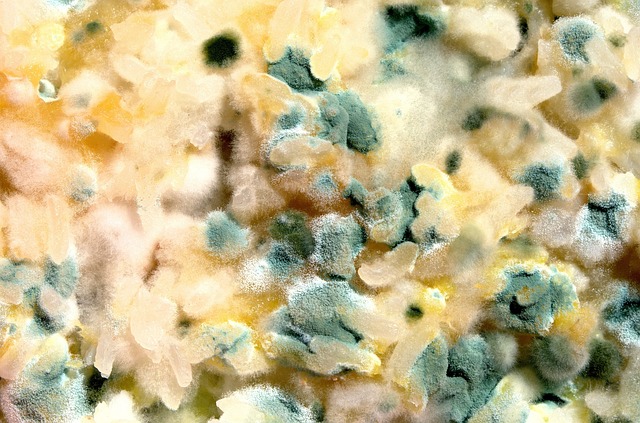
There are namely 3 types of foodborne diseases [3] that can be transmitted via the consumption of raw milk:
- Foodborne infections
- Foodborne intoxication
- Foodborne toxic infection
Foodborne infections
Salmonella, Shigella, gastroenteritis, E. coli, Diarrhea, and Hepatitis A are some of the diseases covered under foodborne infections.
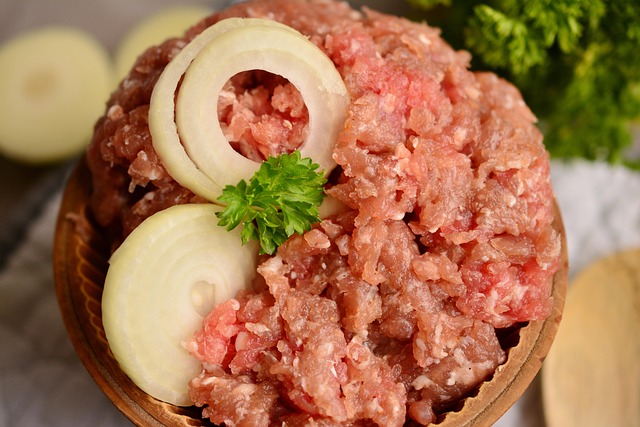
Some of the associated foods are:
- Raw or undercooked eggs
- Poultry and meat
- Unpasteurized milk and juice
- Cheese
- Seafood
- Contaminated fresh fruits and vegetables
Despite these foodborne pathogens being present, raw milk sales remain legal in some states. It is to be noted that consumption of raw milk products can potentially be deadly. Especially in pregnant women.
Foodborne intoxication
This is what most people have experienced before: food poisoning. This comes from the act of the bacteria being inside the food during the time of ingestion.
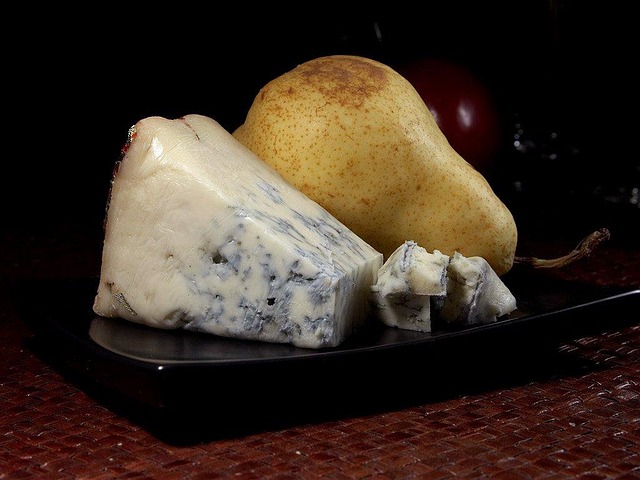
The percentage of the US population who consumes unpasteurized milk and cheese is relatively small (3.2% and 1.6%, respectively). However, they are >800 times more likely to become ill and 45 times more likely to require hospitalization [6]. Consumption of raw milk increases the risk of foodborne illness and serious health risks.
Foodborne toxic infection
Food poisoning results from ingestion of food contaminated with chemicals, micro-organisms, or its toxins. It includes ingestion of food containing natural toxins, but does not include food allergies like lactose intolerance or even a weakened immune system.
Bird flu associated with raw milk
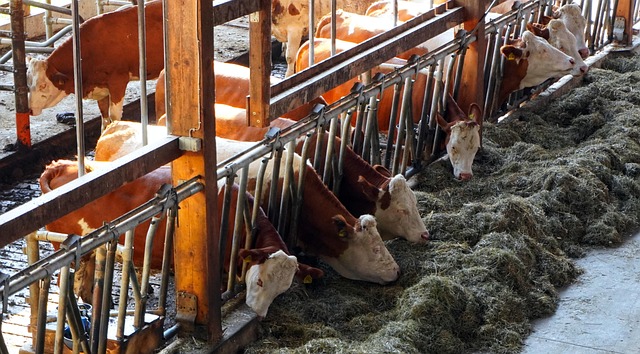
Surprisingly, the bird flu has been found in dairy cows as early as March 2024. Although there has been only limited information regarding the transmission of the virus to humans via infected cows, there remains a warning of sorts for farmers not to sell raw milk from cows that show symptoms of the birth flu [7]. However, that’s not to say that this is entirely foolproof. There are still farmers who are selling their contaminated raw milk, and raw milk sales and mostly unregulated.
Why Is It So Hard to Tell if Consuming Raw Milk Is Safe?
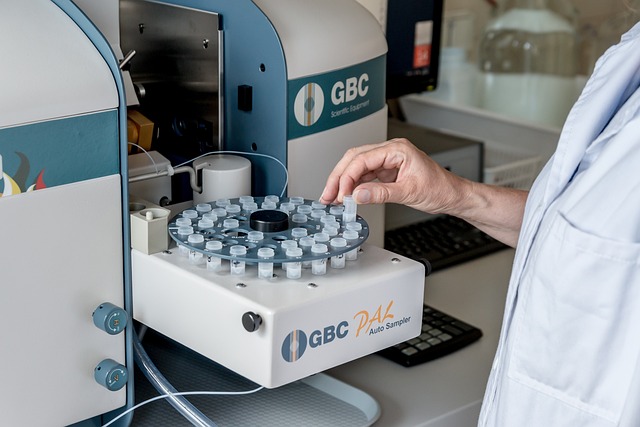
Regardless of the “properly refrigerated” raw milk dairy farm environment, it can be extremely difficult to tell if raw milk is safe for consumption [5] due to the following reasons:
- Bacteria/spores are often associated with the fat phase and are not evenly distributed in raw milk.
- Difficulties in having sufficient sampling since contamination of raw milk may be sporadic.
- Bacterial loads can vary from day to day.
- The number of organisms (pathogens) present in the raw milk may be too low to be detected by the test method but the numbers may be sufficient to cause health risk and illness if the effective dose is low (which is the case for several key human pathogens).
- Very low initial numbers of a pathogen in the raw milk, which were below the limits of the test method at the time of sampling, but the pathogen might grow if the raw milk was stored improperly.
- It is impossible to test for every single different type of human pathogen in the raw milk.
Debunking Common Raw Milk Consumption Myths
1. “Consuming raw milk will help with lactose intolerance.”
Myth: Drinking raw milk cures lactose intolerance, as it contains probiotic bacteria or even lactase being secreted.
Truth: Drinking raw milk (even raw cow’s milk) DOES NOT cure lactose intolerance. Drinking raw milk does not have any health benefits for allergies, and is being confused with fermented dairy products.
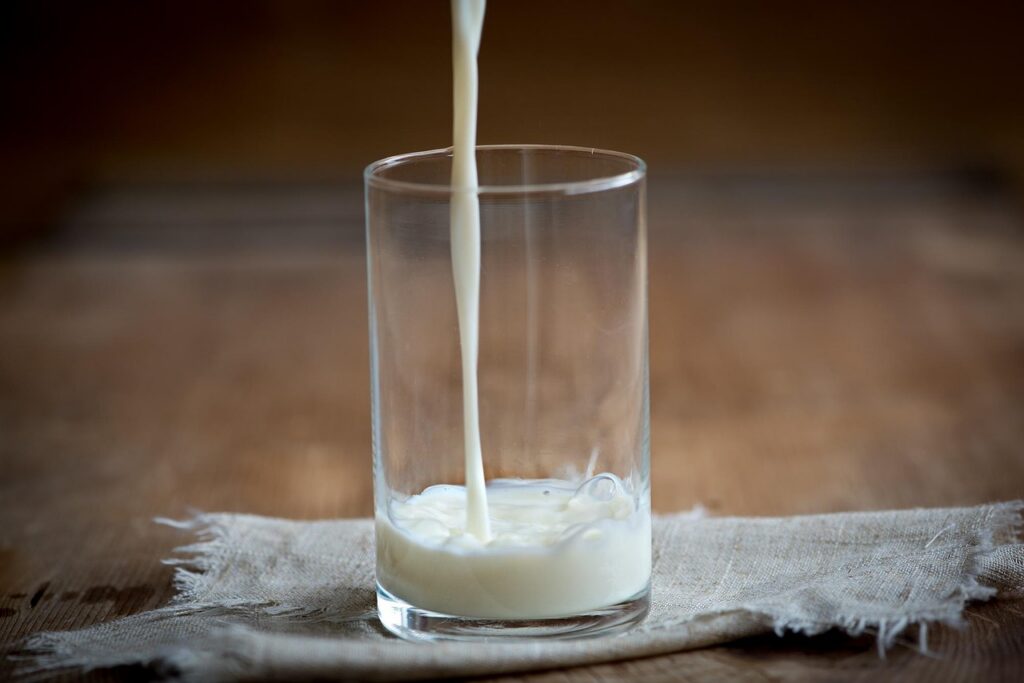
Drinking raw milk does not help you digest lactose more than pasteurized milk. Yogurt has been reported to reduce lactose malabsorption in those who are lactose intolerant. However, raw milk products, unlike yogurt, do not contain Streptococcus thermophiles and Lactobacillus bulgaricus. Instead, they are intentionally added to dairy products during the manufacturing process [8].
2. “Consuming raw milk is better than pasteurized milk for nutrition.”
Myth: Drinking raw milk is more nutritious than pasteurized milk.
Truth: Despite the common misconception that pasteurization negatively impacts the nutritional quality of milk, this is not true [8].
Heated cow milk consumption does not affect the nutritional value or food chemistry of the pasteurised milk. Conversely, drinking raw milk can lead to food-borne illnesses that are unsafe or even deadly for human consumption.
3. “Unpasteurised milk cures asthma and allergy.”
Myth: Drinking raw milk will cure asthma and allergic reactions that pasteurized milk cannot.
Truth: Unpasteurised milk had no impact to asthma and allergies.
Researchers tested both raw milk samples and heat-processed liquid milk samples to see whether one could result in more allergic reactions than others. Casein, the part that causes the common allergic reactions in most milk allergy types, remains the same. A small portion of whey proteins got denatured. This meant that since the allergic parts of the protein remain the same, the allergic reactions get triggered regardless of whether they were drinking raw milk or heated milk.
Final Words: Should You Drink Raw Milk?
Although the promise of raw milk seems alluring, the reality and major safety concerns of these milk products are a lot less dreamy. Regardless of how clean the dairy cattle or dairy farms may be, or how much “nutritional benefits” raw milk advocates may tout when it comes to drinking raw milk, the fresh milk that is associated with raw milk consumption holds many harmful bacteria. With the risk of foodborne illnesses and even viruses like bird flu that recently showed up in dairy cows, there is little to no way to guarantee that you are drinking uncontaminated milk if consumed raw. Rather, drink from the countless different pasteurized milks that provide you with a safe drinking experience.
Want to increase your milk intake? Log your changes easily with the Eato app. Take charge of your health before it gets serious. Try Eato today for free.
Weight Loss Has Never Been Easier
Get accurate nutrition info instantly. Keep track of your progress.
Download Eato For Free