Miso has increased in popularity, with many chefs creating dishes that are incorporated with miso paste. Additionally, many people are also trying their hand at homemade miso paste making, as part of a wider trend of Japanese cooking and demand for other fermented foods. But what is miso exactly?
Key Takeaways
- Miso is a traditional Japanese fermented soybean paste valued for its nutritional, functional, and gut health benefits.
- It has a distinct umami flavor that is mildly sweet and salty, created through fermentation and the breakdown of glutamic acid.
- Miso is rich in protein, isoflavones, minerals, fiber, and bioactive compounds that support heart health, cholesterol control, and metabolic health.
- Regular miso consumption has been linked to improved gut health, lower risk of stomach diseases, and reduced H. pylori activity.
- Different types of miso vary in color, saltiness, and flavor intensity based on ingredients and fermentation time, making miso versatile in cooking and easy to incorporate into daily meals.
What Is Miso?
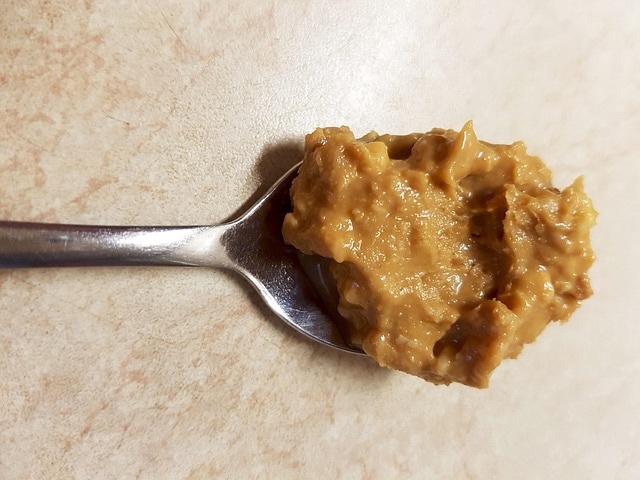
Soybean paste, aka miso, is a well-known traditional Japanese fermented food known for its functional, nutritional, and nutraceutical benefits [1].
What Does Miso Taste Like?
The flavor of miso compared to other fermented marinades or other fermented foods is rather unique. Due to the breakdown of glutamic acid, soybean paste, aka miso, has a unique flavor that relies on the soy sauce and barley koji used to make all the different types of miso paste[1].
The flavour of miso has been described as savory or umami, with a mild taste, although slightly sweet and salty despite its salt content. It has also been described that miso brings out the umami flavour of lighter dishes.
Nutritional Value of Miso
Miso may be considered a healthy food and a cornerstone in Japanese cooking due to its nutritional value, being high in protein, isoflavones, minerals, and fiber.
| Component | Details [1] |
|---|---|
| Protein content | 32 – 42 percent of the total weight |
| Key proteins | Glycinin and β-conglycinin (soy-specific proteins) |
| Other nutrients | Isoflavones, minerals, and dietary fiber |
| Potassium content | 0.2 to 0.44 g per 100 g, still considered a good source, even after fermentation decreases the amount |
TABLE 2. Nutritional composition of the Soybean miso [1]
| Nutritional substances g/100 g Soybean miso (g) | |
| Protein | 17 |
| Fat | 11 |
| Carbohydrate | 15 |
| Ash | 13 |
| Sodium content | 12 |
| Iron | 0.004 |
| Calcium | 0.15 |
| Sodium | 4.3 |
| Water | 45 |
| Vitamins & vitamin precursors | |
| Tocopherols | 0.0024 |
| Vitamin B6 | 0.00013 |
3 Health Benefits of Miso
1. Anti-obesity
Soy meals, which miso is made of, have a high concentration of isoflavones, which are plant compounds that resemble the primary estrogen hormone in the human body, E2 [2].

Their similarities allow the isoflavones to bind to estrogen receptors, which are found in fat tissues, amongst other body parts. These isoflavones can influence the body’s storage and formation of fat, and studies show that these soy-based compounds can help reduce fat formation and improve fat distribution.
2. Heart health
Miso paste also contains plant sterols, linoleic acid, and vitamin E, all of which support heart health [2].

- Plant sterols: reduce cholesterol absorption in the intestine
- Linoleic acid: supports normal lipid metabolism
- Vitamin E: an antioxidant that prevents blood vessels from being damaged by oxidation
These 3 key compounds help to enhance the cardioprotective effects of miso and complement the cholesterol-lowering factors of miso.
3. Anti-cholesterol
High levels of cholesterol can contribute to an increased risk of heart disease.
However, multiple studies [2] have shown that soy-based foods, aka miso paste, can help lower blood cholesterol levels, which has a cascading effect of reducing the risk of heart disease. In 2016, Cardoso Umbelino Cavallini et al. found that replacing animal-based protein with soy protein in meals significantly reduced the total blood cholesterol levels, regardless of the type or quantity of fat in the diet. This study shows that the soy protein itself is central in regulating the cholesterol levels, rather than just fat reduction alone.

Similarly, a long-term intervention [2] conducted on 15 women who were healthy, non-vegetarian, and premenopausal found that just 50g of daily miso consumption provided 45mg of isoflavones and a measurable decrease in total blood cholesterol. Thus, even if you are not on a vegan or vegetarian diet, regular miso intake can help improve cholesterol levels in healthy individuals.
3 Gastrointestinal Benefits of Miso
Although the relationship between miso consumption and gastrointestinal disease has not been fully established, research and evidence suggest that:
- Miso reduced risk of stomach disease
- Miso reduce risk of H. Pylori and gastric inflammation
- Consumption supports bowel function
1. Reduced risk of stomach diseases
In a population study by Mano et al. in 2018, it was found that stomach illnesses such as gastritis, gastric, and duodenal ulcers were less likely to be developed for persons who consumed miso soup daily, than those who consumed it infrequently or never. Similarly, those in their 60s (or older) also had a reduced risk of stomach diseases when they ate miso daily, in a study by Watanabe done in 2013.

2. Reduce risk of H. Pylori and gastric inflammation
H. pylori is a type of bacterium that has been associated with stomach inflammation, peptic ulcer disease, and an increased risk of gastric cancer. Interestingly, Minamiyama et al. found that the isoflavones found in miso, specifically genistein, have been able to suppress the activity of the bacterium [2].
3. Supports bowel function
Additionally, miso contains plant dietary fibers that are described to “clean the intestines”, which help promote healthy bowel function. Microbes that antagonize putrefactive bacteria in the intestines are also present in miso, and they help to break down the harmful compounds found in the digestive system [2].
| S. no. | Soy component | Application | Molecular mechanism | References [2] |
|---|---|---|---|---|
| 1. | Bioactive peptides | Antihypersensitive, antioxidative, antidiabetic, anticancerous, antiobesity, and immunostimulatory. | Act as competitive inhibitors of enzymes involved in diabetes and cholesterol production (dipeptidyl peptidase IV, HMG Co-A reductase, and others). | Endres (2001) |
| 2. | Saponins | Anti-inflammatory, cardioprotective effects, antimicrobial, anticarcinogenic. | Form complexes with cholesterol, preventing it from being absorbed in the gut, as well as inhibiting tumor-associated enzymes and hormone receptors. | Chatterjee et al. (2018) |
| 3. | Protease inhibitors | Antiproliferative | Chymase, trypsin, chymotrypsin, and mitogen-triggered protein kinase activities are all inhibited. Protease activities are also downregulated, which play a key role in cancer. | Srikanth & Chen (2016) |
| 4. | Isoflavones | Anticancerous, antiestrogen, antifibrosis, osteoporosis, type 2 diabetes, antiatherosclerosis, neuroprotection, antioxidant, etc. | Because they have structural similarities to estrogens, they form complexes with ER receptors and modulate estrogen receptor signaling pathways. | Srikanth & Chen (2016) |
| 5. | Soy isoflavone and its metabolite | Antidiabetic | Decreased risk of type 2 diabetes | Ko et al. (2015) |
| 6. | Soy phytochemical extract | Antidiabetic | Inhibition of intestinal glucose uptake and protection against glucose-induced oxidation | Garg et al. (2016) |
Different Types of Miso
Amongst the many types of miso, the rule of thumb when it comes to their taste is that lighter miso, like shiro miso, typically has a milder taste compared to darker miso pastes like awase miso or barley miso.
What is miso fermentation time’s impact on its taste? For a miso paste to have a saltier or more umami taste, it is fermented for a longer period of time, thus deepening its visual colors and giving it a more complex flavor profile. The color of miso indicates the length of fermentation, the ratio of ingredients, and the depth of flavor.
| Miso type [2] | Main ingredients | Koji source | Fermentation and aging method |
|---|---|---|---|
| Rice miso (aka shinshu miso/ shiro miso/white miso) | Usually rice (white), soybeans, salt | Rice Koji (rice fermented with Koji mold) | Rice is first fermented with Koji mold to form Koji, which is then used to ferment and mature soybeans for white miso |
| Barley miso (aka mugi miso) | Barley or naked barley, soybeans, salt | Barley Koji | Prepared using the same method as rice miso, but barley or naked barley replaces rice as the Koji substrate |
| Soybean miso (aka red miso) | Soybeans, salt | Soybean Koji | Fermented and aged using Koji made directly from soybeans, resulting in a darker miso than white miso or muji miso |
| Mixed miso (aka awase miso; a combination of white miso and red miso) | A combination of rice, and other components like barley and or soybeans with salt | Mixed Koji from rice, barley, and or soybeans | Produced using a mixture of different Koji types or by blending different types of miso made from different Koji sources |
How to Use Miso Paste

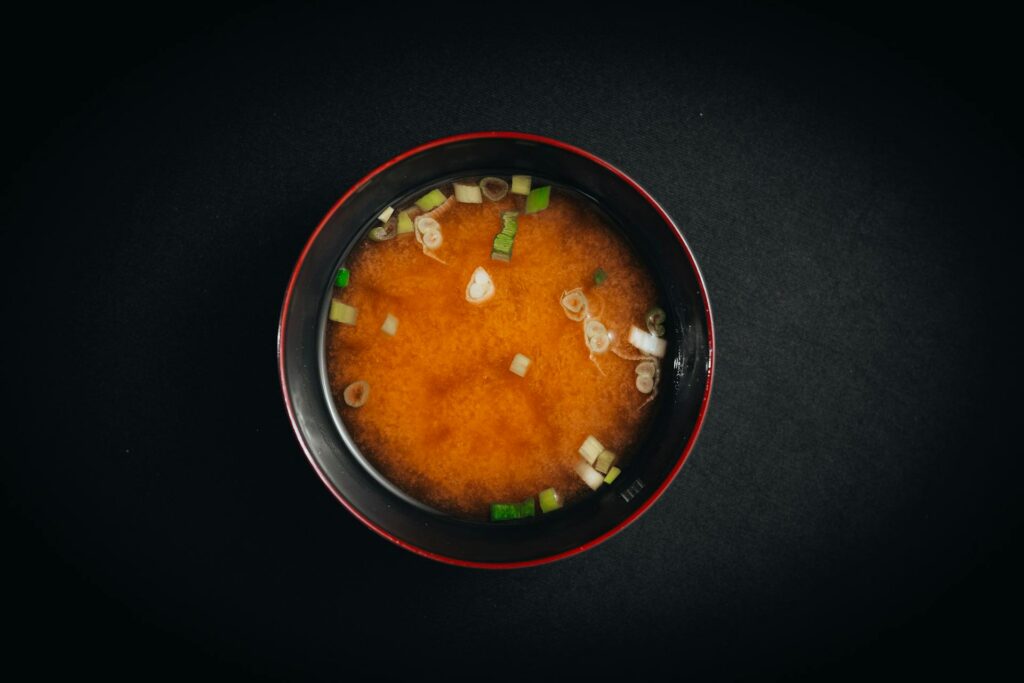
What is miso used for? Miso paste is most commonly used in miso soup, where ingredients like silken tofu, vegetables, seaweed, and seafood are added to the soup, depending on the season. Apart from miso paste, dashi soup stock, which is made from dried bonito and dried kelp, is used as the base of the soup.
What Does Miso Taste Like?
Miso is described as having “sweetness, saltiness, umami, acidity, bitterness, and astringency” [3]. It can mask meaty and fishy odors while adding umami and depth to a variety of dishes.
How is Miso Made?
Miso is made in a 2-stage fermentation process [1].
- Mold, like Aspergillus oryzae, is inoculated to make koji.
- Koji is added to salt and soybean mash, and left to ferment for up to three years, depending on the fermentation time and desired flavor profile.

So, What Is Miso?
Turns out, miso paste, regardless of its sweet or salty umami flavour, has the superfood properties that many miso lovers already love. Miso is easy to use in marinades or other dishes in Japanese cooking, creating lighter dishes that are slightly sweet, salty, and also incredibly healthy.
Track your miso intake with the Eato app, which helps you with tracking nutrition, planning meals, and calculating your daily calorie intake. Try it today for free, and pay only when you are ready to commit!

Smarter Nutrition Tracking
Track calories and over 100 other nutrients all in one place.
Download Eato For Free