Slowly but surely becoming widely popular, “labneh”, or “labne” is becoming more mainstream amongst Western consumers. However, what is labne, and how does it differ from the full fat Greek yogurt that we’re familiar with? Does it have any health benefits that differ from other fermented products?
Key Takeaways
- Labneh is a concentrated “yogurt cheese” produced by straining fermented milk to remove whey.
- Labneh contains 2.5 times the protein and 50% more minerals than regular greek yogurt.
- Vegan labneh made from cashew milk provides a high-antioxidant alternative.
- Traditional varieties like Labneh Ambaris can contain over 100 different bacterial species, sharing a similar microbial profile to kefir.
What Is Labneh?

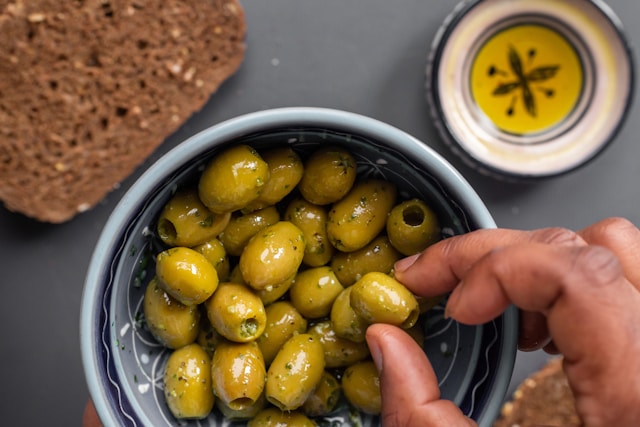
Popular as a staple in Middle East area, especially in Palestine, Lebanon, Syria, Jourdan, Moracco and Iraq, labneh is a traditionally Middle Eastern fermented dairy product. It is commonly eaten for breakfast or as a snack, with a dollop spread onto pita flatbread, sprinked with fresh herbs, garlic, za’atar, and other spices, forming a yogurt mixture full of creamy goodness similar to greek yogurt and rolled oats. This yogurt cheese is also commonly paired with dips, drizzled with olive oil.
Labneh is often referred to as strained yogurt or yogurt cheese, and sometimes fermented milk, in non-Middle Eastern areas, due to its similarity to the characteristics associated with greek yogurt [1]. Such characteristics include the tart, acidic flavor as well as the thickened consistency which falls between the common greek yogurt and soft cheese, like cream cheese. However, make no mistake, this tangy yogurt cheese is not cream cheese.
Characteristics of strained labneh
These characteristics are achieved primarily through the removal of whey, and the fermentation of milk using LAB (lactic acid bacteria) starter cultures to 1.5% [2]. The straining process removes and reduces the water content, achieving a viscous texture unique from your favorite Greek yogurt.
This filtration process occurs anywhere from a few hours to overnight, either under the force of gravity or via applied external pressure through a cheesecloth or coffee filter, to reach the desired moisture levels [2].
| Property | Typical Value / Range |
| Acidity (Lactic Acid) | 1.2% – 2.5% |
| pH Level | ~4.3 |
| Moisture (Hard Labneh) | 45% – 50% |
| Moisture (Regular Labneh) | ~78.6% |
According to GCC standards, labneh is classified into several categories based on its preparation and density, including regular labneh, labneh-in-oil, heat-treated labneh, and Khazine labneh, which is a more solid variety compared to other yogurts [2]. While moisture content varies by type, hard labneh variants generally possess a moisture level of 45–50%, a high viscosity, and a pH of approximately 4.3 [2].
How Is Labneh Made Traditionally?
Making Labneh involves a 2 layer process: microbial fermentation and physical concentration
- Fermentation: Milk is inoculated with starter cultures, primarily lactic acid bacteria, to induce coagulation [2].
- Straining: The fermented milk is salted (approx. 1.5%) and filtered through cheesecloth bags [2].
- Concentration: This occurs overnight under gravity or external pressure to remove whey and reduce water content [2].
For instance, Labneh Ambaris is a unique variant produced in earthenware jars using only goat milk and coarse salt, where repeated cycles of fermentation and whey drainage occur until the jar is full [3].

Once the initial coagulation occurs, two layers, including the liquid whey, is drained from the mixture. Subsequently, additional milk and salt are incorporated into the jar to undergo further fermentation [3]. This cycle of adding ingredients and draining whey is repeated until the vessel is completely filled with coagulum. At this stage, the product is ready for consumption [3].

From a regulatory standpoint, Labneh Ambaris is classified as a fermented milk rather than a cheese under the Codex Alimentarius Standard (CXS 243–2003) because its manufacture relies on the reduction of pH through microbial fermentation [3].
| Method | Primary Ingredient | Preservation Technique | Characteristics |
| Middle Eastern (Seasonal) | Ewe’s Milk | Stored in olive oil (>1 year) | Cultural staple; long-lasting [1] |
| Ambaris (Traditional) | Goat’s Milk | Earthenware jar fermentation | Salty, “goaty” flavor [3] |
| Western Commercial | Cow’s Milk | Refrigeration | Lower fat; focuses on texture [1] |
| Vegan/Plant-Based | Cashew Milk | Probiotic inoculation | High antioxidant potential [6] |
In regions like Syria and Jordan, labneh production is deeply tied to the seasons. Because ewe’s milk is seasonal, producers transform it into a fermented milk known as laban before processing it further into labneh [1].
- Long-term Preservation: To extend the shelf life of this seasonal product, the labneh is often shaped into balls and stored in olive oil, allowing it to be preserved for over a year [1].
- Western Adaptation: In Western Europe and the United States, labneh (often marketed as strained yogurt) has gained popularity. These versions prioritize a rich, thick texture while maintaining a lower fat content compared to traditional cheeses [1].
Nutrition Information of Labneh
Labneh is a nutrient-dense dish, though its specific values shift based on the concentration of solids and whether it is preserved in oil.
Macro and Micronutrients
(Per 28g Serving in Oil) [4]:
- Energy: 80 Calories
- Protein: 5g
- Fat: 6g
- Sodium: 530mg (23% RDI)
- Calcium: 14% RDI
- Vitamin A: 6% RDI
- Iron: 2% RDI
The mineral content can fluctuate drastically based on the manufacturing process; for instance, calcium levels have been observed to range from as low as 43 mg/100g to as high as 921 mg/100g depending on the sample [5].
Labneh vs other cheeses
Other brined cheese like Akkawi or Halloumi have often been compared to Labneh, but what exactly are their nutritional differences?
| Nutrient | Labneh (Cow Milk) | Brined Cheeses (Akkawi/Halloumi) |
| Moisture | ~78.6 g | 46.6 – 55.1 g |
| Fat | ~8.8 g | 18.3 – 23.9 g |
| Protein | 8.9 – 24.8 g | Varies by type |
| Sodium (Na) | 151 – 5012 mg | High (due to brine) |
Well, labneh has unique characteristics like high moisture and lower fat density, meaning that they are leaner than the other regional staples (Akkawi/Halloumi).

- Higher Moisture: Labneh contains significantly more water (~78.6 g/100g) than brined cheeses (46–55 g/100g).
- Lower in Fat: Full-fat Labneh contains ~8.8 g/100g of fat, whereas brined cheeses range from 18.3 to 23.9 g/100g.
Nutritional Information of Vegan Labneh

With more diets like the vegan diet or FODMAP diet becoming more common, vegan Labneh has become another popular option for those who want to eliminate animal-based food items like greek yogurt from their diet. Vegan labeh primarily uses cashew milk to mimic the creaminess of traditional labneh, along with its high protein content.
| Category | Component | Concentration | Primary Biological Role |
| Macronutrients | Protein | 5.00% | Muscle repair and enzymatic function |
| Carbohydrates | 5.95% | Primary energy source | |
| Fat | 5.49% | Nutrient absorption and hormone health | |
| Minerals | Potassium (K) | 7.15 mg/100 g | Electrolyte balance and nerve function |
| Calcium (Ca) | 4.75 mg/100 g | Bone health and signaling | |
| Iron (Fe) | 3.00 mg/100 g | Oxygen transport in the blood | |
| Magnesium (Mg) | 2.00 mg/100 g | Protein synthesis and muscle function | |
| Phosphorus (P) | 2.00 mg/100 g | ATP production and cellular repair |
- Macronutrients: Cashew milk provides a balanced ratio of protein (5%), carbohydrates (5.95%), and fat (5.49%) [6].
- Essential Minerals: It is a rich source of electrolytes and bone-supporting minerals, including potassium (7.15 mg/100 g) and calcium (4.75 mg/100 g) [6].
- Trace Elements: It contributes iron (3.0 mg/100 g), along with approximately 2.0 mg/100 g each of magnesium and phosphorus [6].
What Does Labneh Taste Like?
It could be mainly described as salty, acidic, having different textures, and distinctive goat smell and flavor, all with varying intensities.

Its often eaten with bread, dipped in hummus, or incorporated into salads.
| Sensory Attribute | Description |
| Taste | Acidic, tart, and salty |
| Odor | Lactic acid; distinctive “goaty” notes in goat-milk varieties |
| Texture | Smooth, thick, and creamy; varies from spreadable to solid |
4 Labneh Health Benefits

According to Diane Han, a weight management dietitian, the concentration of the product means smaller servings provide significant nutritional value, making it an efficient source of nutrition due to its thickness [7]:
- Serving Size: A standard serving of labneh is only two tablespoons, compared to a full cup for Greek yogurt.
- Protein Content: One can consume a smaller volume of labneh to achieve a higher intake of protein and probiotics [7].
| Benefit | Mechanism | Impact |
| Protein Delivery | Removal of whey (concentration) | 250% more protein than yogurt |
| Antioxidant Boost | Phenolic compounds in nuts/fruits | Improved cellular protection |
| Digestive Ease | Fermentation & straining | Lower lactose levels (~6%) |
1. Good for your gut health

Just like kefir, labneh specifically Labneh Ambaris in this case, contains a multitude of microbial benefits [3], with studies identifying up to 117 different bacterial species and 24 fungal species within labneh samples. Additionally, labneh is generally free of harmful pathogens, instead populated by Lactic Acid Bacteria (LAB):
- Lacticaseibacillus rhamnosus
- Lactiplantibacillus plantarum
- Lactobacillus helveticus
- Lentilactobacillus kefiri
2. High in protein
Labneh serves as a significantly more efficient delivery system for essential nutrients compared to standard yogurt. It contains 2.5 times the protein content and 50% more minerals than regular yogurt [6], meaning that you get more probiotics per gram compared to greek yogurt.
3. High in antioxidants
Labneh yogurt cheese produced from cashew milk (either alone or blended with cow/camel milk) shows significantly boosted levels (93%) of phenols and flavonoids [6]. These compounds act as reducing agents and singlet oxygen quenchers, which help mitigate oxidative stress.
4. Suitability for Lactose Intolerance
Labneh is an excellent dairy option for individuals with lactose sensitivities:
- Low Lactose Levels: Traditionally, labneh possesses a low lactose content of approximately 6% [6].
- Lactose-Free Alternatives: Cashew-based labneh provides a completely lactose-free alternative while maintaining the fermented benefits of traditional dairy [6].
3 Potential Health Risks of Labneh
While labneh is recognized for its numerous health benefits, certain production factors and chemical compositions present potential risks, particularly concerning sodium intake, protein sensitivities, and food safety.
| Factor | Source/Cause | Potential Health Impact |
| High Sodium | Added for moisture extraction [2] | Hypertension; heart health risks |
| Preservatives | Benzoates and Sorbates (>400 mg/kg) | Chemical sensitivity in some individuals [8] |
| Casein Content | Inherent dairy protein | Allergic reactions or inflammation [5] |
| Spoilage | Lack of heat treatment (cooking); short shelf life | Risk of mold or yeast ingestion [9] |
1. High in sodium
To maintain the safety and quality of labneh, manufacturers often rely on high salt concentrations and chemical additives.

- Traditional labneh is salted to approximately 1.5% to aid in the removal of whey [2]. A single serving of labneh in oil can contain up to 23% of the Recommended Daily Intake (RDI) for salt [4].
- Excessive salt consumption is a known risk factor for hypertension and cardiovascular disease.
- To prevent spoilage in commercial products, preservatives such as sodium benzoate and potassium sorbate are frequently used.
- Research indicates that a minimum concentration of over 400 mg/kg of these substances is required to effectively inhibit the growth of yeast and spoilage microorganisms [8].
2. High in casein
Like most dairy-derived products, labneh is high in casein, the primary protein found in milk. While beneficial for most, individuals with a specific casein allergy or sensitivity may experience inflammatory responses, digestive distress, or respiratory issues upon consumption [5].
3. Short shelf life
The traditional manufacturing process of labneh avoids heat treatment which results in a product that is highly susceptible to spoilage. Because labneh is a “living” product with high lactic acid bacteria counts, it is vulnerable to contamination by molds and yeasts during storage [9].

Even when stored in the fridge, traditional labneh has a limited shelf life. Plus, limited access in the fridge can create environments where certain spoilage organisms thrive, negatively affecting the flavor, texture, and safety of the product [9].
How to Make Labneh Yogurt at Home
The good news is, labneh is not difficult to prepare, and you don’t have to be a professional chef in order to be able to carry out a homemade labneh yogurt recipe on your own. Although there may be different variations to this delicious greek yogurt alternative, homemade labneh follows the same few steps.
1. Gather ingredients for homemade labneh

A delicious, authentic Palestinian labneh recipe by Yasmine Maggio calls for the following:
- 1/2 gallon (1.8 liters) milk
- 2 tablespoons (30 ml) yogurt with active live cultures
- 1/4 tsp kosher salt
Other materials:
- Cheesecloth
- Bowl
Optional:
- Bread
- Sugar, honey
2. Labneh making process
Still following Yasmine’s authentic Palestinian labneh recipe, continue with the following steps:
- Heat milk to 180°F (82°C) and maintain for 10–30 minutes to concentrate proteins. Cool to 110°F (43°C) before whisking in a small amount of yogurt starter culture.
- Transfer the mixture to a clean vessel (jars, slow cooker, or clay pot). Keep warm at approximately 110°F (43°C) for 3 to 18 hours until set. For a sharper flavor, allow it to sit at room temperature for up to 12 additional hours.
- Pour and spread the set yogurt into a cheesecloth lined strainer over a bowl. If you don’t have a cheesecloth, you can use coffee filter bags. Put it in the fridge and drain for roughly 24 hours. The labneh should be significantly thicker than standard Greek yogurt.
- Once the desired consistency is reached, sprinkle and stir in approximately 1/2 teaspoon of salt (to taste). Store in an airtight container under refrigeration.
- Spread the labneh onto bread, or mix it into a salad or dip. For a sweeter taste, drizzle in honey or mix in some sugar.
Final Words On Strained Yogurt
While labneh is recognized for its numerous health benefits, certain production factors and chemical compositions present potential risks, particularly concerning salt intake, protein sensitivities, and food safety. However, it is undeniable that labneh is a leaner, high in moisture source of protein that you may incorporate into your diet. Remember, it is not cream cheese, and enjoy it in moderation!
Track your calorie intake and macronutrient levels with the Eato app. Try it for free today!

Smarter Nutrition Tracking
Track calories and over 100 other nutrients all in one place.
Download Eato For Free