We all know the feeling after gorging ourselves. The uncomfortable feeling of our stomach stretching and pants getting tighter and tighter. Although bloating affects 16%–19% of the general population [1], its associated morbidity and impact on everyday life vary dramatically between individuals. However, during the holiday season, you may be more susceptible to this happening than at any other time. So, how to get rid of bloating after your Christmas feast? Here’s what science says.
Key Takeaways
- • Bloating is common, affecting about 16 to 19 percent of people
- • Bloating is not always caused by excess gas, it can also result from gut sensitivity, slow gas movement, or fluid retention.
- • Symptoms often include abdominal tightness, visible swelling, gas, burping, cramping, and lingering heaviness after meals.
- • Simple strategies like eating slowly, exercising, reducing trigger carbohydrates, and maintaining regular bowel movements can help reduce bloating.
What Is Bloating?
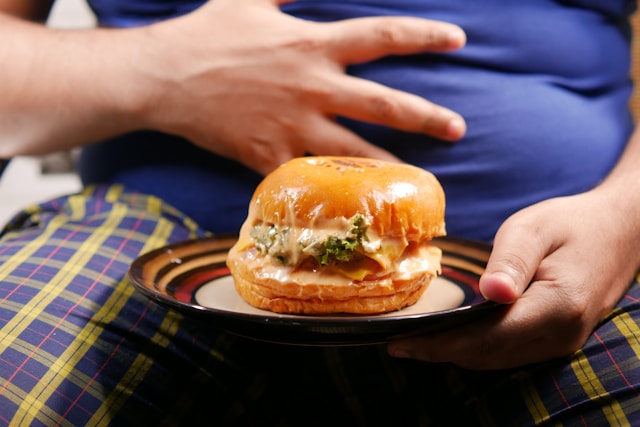
Bloating is often described as a “sensation of pressure, fullness, or visible distension in the abdomen“, often because the gut is not moving gas efficiently or is hypersensitive to normal amounts of gas [2]. It is not always about having a lot of gas; sometimes the nerves in your digestive system become extra reactive so that a small amount can feel huge. It is the reason people sometimes feel like their stomach is “puffed up” after meals, during stress, or around their menstrual cycle, even if nothing dramatic has actually changed in their digestive system.
Bloating can occur simply from drinking carbonated beverages like Christmas punch or Diet Coke. Alternatively, eating dishes with certain fruits high in starch, like banana pudding or sweet potato casserole, or straying away from your gluten-free meal plan in your food diary during the holiday season may trigger a bout of post-Christmas dinner bloating.
Why Do I Feel Bloated After Eating a Big Meal?
During and after your Christmas feast, your stomach has to stretch to make room for the food. That stretch sends signals to your brain and gut. These signals slow down the digestive system a little, which is totally normal, but the downside is that food and gas sit in the stomach longer. This creates that tight balloon-like pressure.
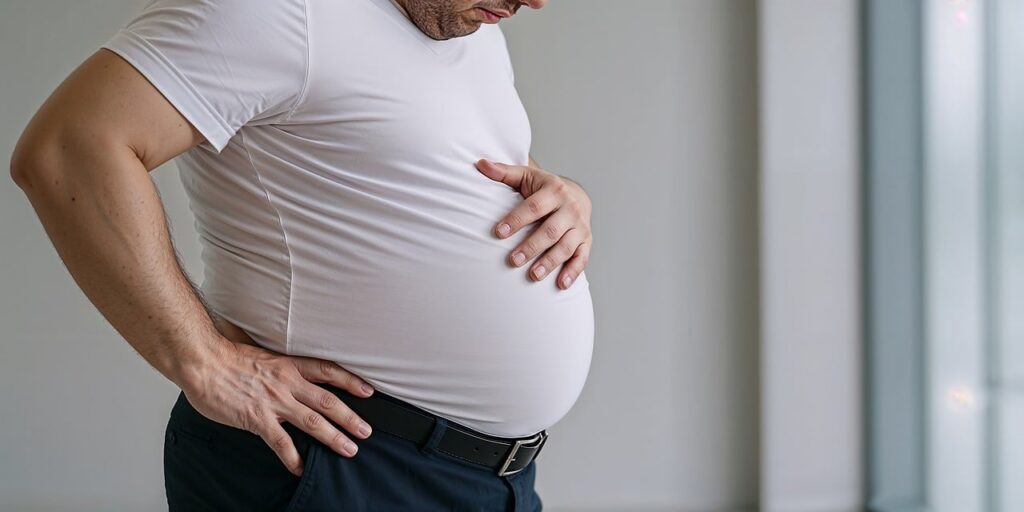
A surgeon interviewed by Channel NewsAsia [3] explains that this can trigger symptoms like heartburn or regurgitation in people who already have sensitive reflux pathways. On a deeper level, your gut is not only responding to the size of the meal. It is also responding to how much gas or liquid is moving through the system. Your stomach and intestines stretch, and your abdominal wall muscles tighten.
Other symptoms [1] include:
- Bowel disturbance: constipation slows movement, which lets gas build.
- Liquid: water or fluid retention can add volume.
- Obstruction: even mild blockages slow transit.
- Adiposity: more abdominal fat pushes outward and increases pressure.
- Thoracic: breathing patterns or diaphragm movement affect the gut.
- Increased sensitivity: your gut nerves overreact to normal stretching.
- Neuromuscular issues: weak abdominal muscles can make the gut protrude.
- Gas: swallowed air or fermentation in the intestines increases pressure.
After a large Christmas meal, a few of these usually hit at once: more gas, more stretch, slower emptying, and sometimes a gut that is a little too sensitive to its own signals.
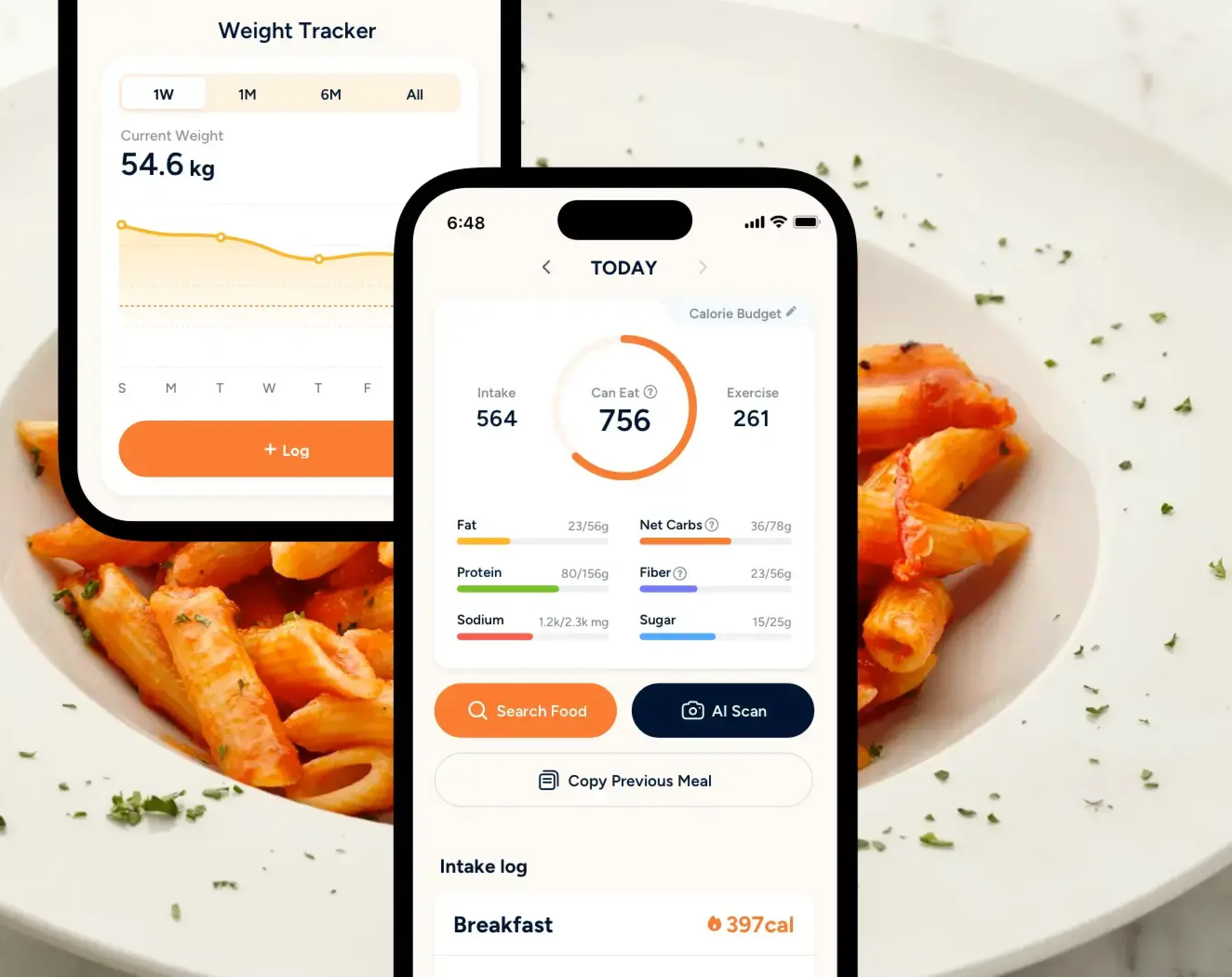
Smarter Nutrition Tracking
Track calories and over 100 other nutrients all in one place.
Download Eato For FreeOther common abdominal bloating symptoms
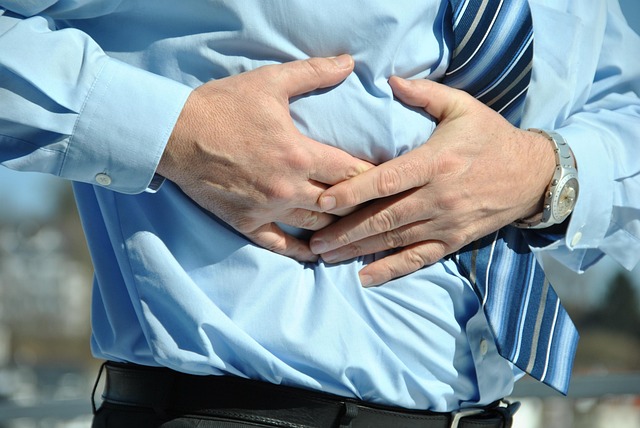
People usually notice a few combinations of these:
- A tight, full, or swollen, uncomfortable feeling after eating
- Visible abdominal expansion
- Pressure that feels like gas is stuck inside
- Burping or passing gas
- A heavy sensation that lingers for hours
- Heartburn or regurgitation if you are prone to reflux
- Cramping, especially if constipation is involved
3 Common causes of bloating
1. Swallowing or ingesting air
This one surprises most people because it is so ordinary. Every time you swallow food, drinks, or even saliva, a bit of air sneaks in. Studies using multichannel impedance tests show that a normal person can produce anywhere from 6 to 40 gaseous swallows during a single meal [2]. People who belch or have the habit of chewing gum often swallow excess air.

CT scanning studies found that each swallow carries roughly 8 to 32 milliliters of gas [2]. If you take those numbers and add them up across an entire meal, a healthy person may take in anywhere from about 50 milliliters to more than a liter of air just from eating. That swallowed air has to go somewhere, so it stretches your stomach muscles and intestines, which is why you feel that tight balloon sensation after eating too quickly or talking while chewing, thus feeling bloated after your Christmas dinner.
2. Bacterial metabolism
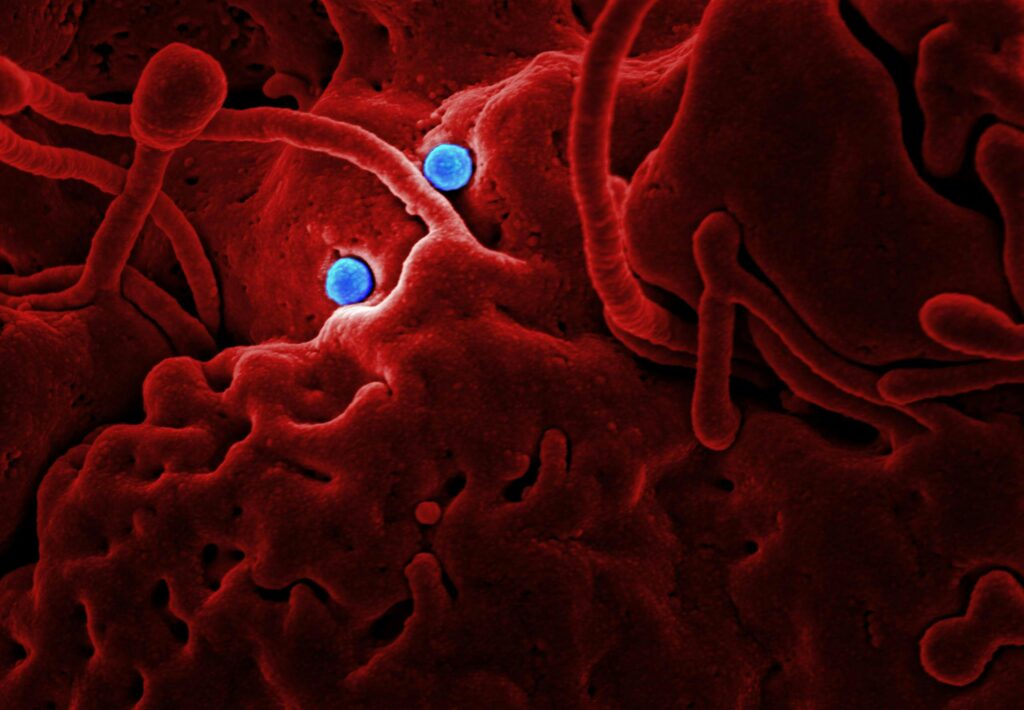
Bacterial metabolism occurs where resident gut bacteria ferment carbohydrates that were not fully absorbed earlier in digestion. These carbohydrates can come from common Christmas dishes like roast potatoes, Yorkshire Pudding, casseroles, or even pumpkin or squash dishes. This fermentation process generates gases such as hydrogen, methane, and carbon dioxide.
The study also notes that gas is produced from chemical reactions unrelated to bacteria [2]. When acidic gastric contents containing hydrogen ions enter the duodenum, they interact with bicarbonate released from pancreatic secretions. This neutralisation reaction forms carbon dioxide. The added gas volume further distends the intestinal walls and contributes to abdominal discomfort.
So you end up with a mix of:
- gas made by your gut bacteria as they digest certain foods
- gas created by normal acid plus bicarbonate reactions
- gas that may not move quickly enough through your intestines
3. Carbohydrates
In the colon, carbohydrates that fail to be absorbed contribute to the rise in gas production via bacterial fermentation. Additionally, bloating due to the osmotic effect of carbohydrates increases the liquid content of the intestines, thus contributing to the bloating. Christmas dishes like Brussels sprouts, fruitcake, or puddings can be exceptionally high in carbohydrates.

In the colon, bacterial fermentation may contribute to bloating by a rise in gas production when non-absorbed carbohydrates reach the colon [2]. In addition, an osmotic effect induced by carbohydrates could also contribute to bloating by increasing the liquid contents of the intestine.
Smarter Nutrition Tracking
Track calories and over 100 other nutrients all in one place.
Download Eato For FreeHow to Prevent Bloating and Excess Air
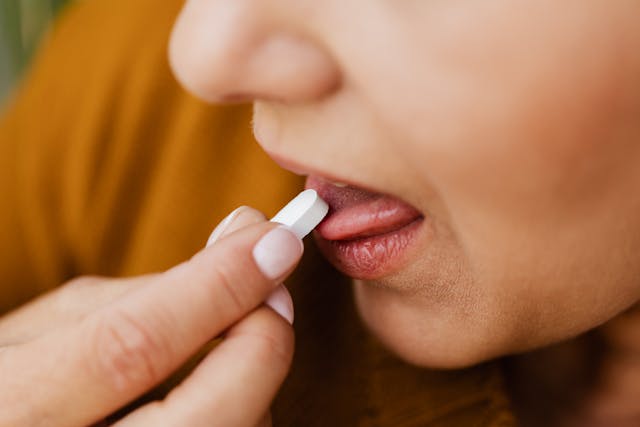
So, how to get rid of bloating after your Christmas dinner? Common remedies for alleviating gas and bloating include:
- Eating slowly
- Eat less processed foods, more clean eating
- Ensure you have regular bowel movements
- Take peppermint oil capsules
- Take Gas X
- Have regular exercise
Other than that, here are other tips to prevent bloating and excess gas in your GI tract.
1. Cut down on carbs
a) Low FODMAP diet
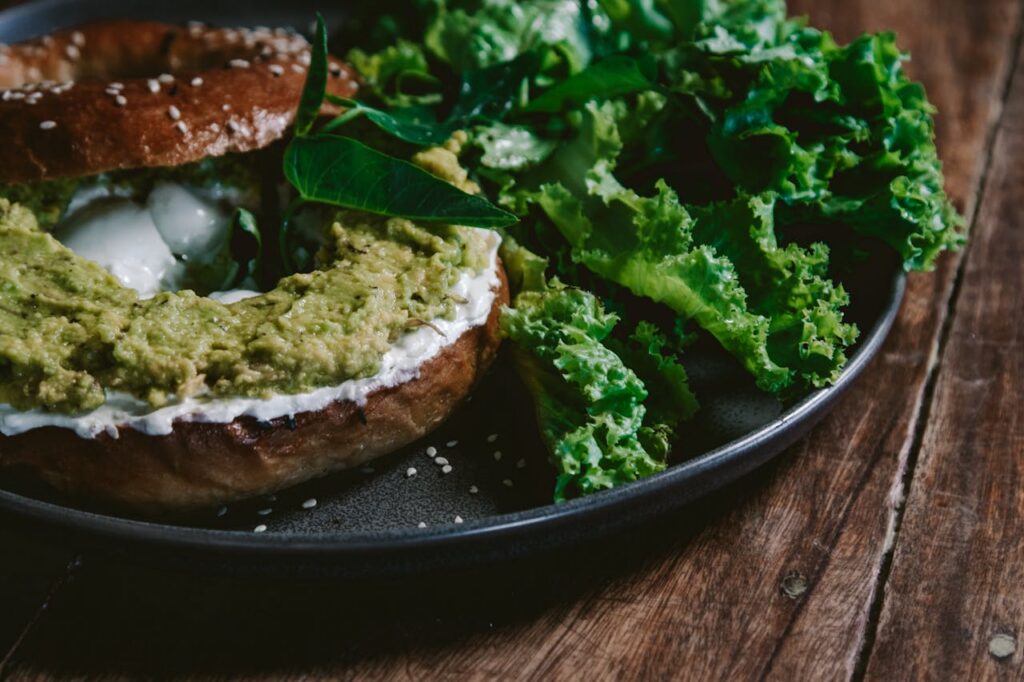
A major clinical trial by Halmos and colleagues in 2014 demonstrated that a low FODMAP diet significantly reduces abdominal symptoms in individuals with irritable bowel syndrome [2]. The diet restricts fermentable oligosaccharides, disaccharides, monosaccharides, and polyols, all of which tend to produce gas during fermentation. Participants on the low FODMAP diet experienced reductions in abdominal pain, bloating, and wind.
However, the study also notes important limitations:
- The diet is highly restrictive
- Long-term adherence is challenging
- It requires supervision by a dietician to avoid nutrient deficiencies
- It may negatively affect gut microbiota if followed for too long
Because of these factors, the low FODMAP diet is typically used as a short-term diagnostic or therapeutic trial rather than a permanent eating pattern. Admittedly, this may be slightly harder to do during the holiday season, as traditional Christmas dishes have ingredients that may trigger irritable bowel syndrome.
b) Targeted carbohydrate elimination

Clinical guidelines such as those from the National Institute for Health and Care Excellence recommend simpler trials before attempting a full low-FODMAP diet. So, how to get rid of bloating?
These include:
- Lactose-free diets for suspected lactose intolerance food sensitivities
- Wheat or gluten-free snacks and diets for individuals who experience bloating after wheat-based foods (too much fiber)
These targeted approaches can help identify specific carbohydrate triggers without imposing major dietary restrictions. This may mean you might need to replace some traditional holiday dishes, like Christmas pasta with low-carb pasta alternatives.
2. Take some medication
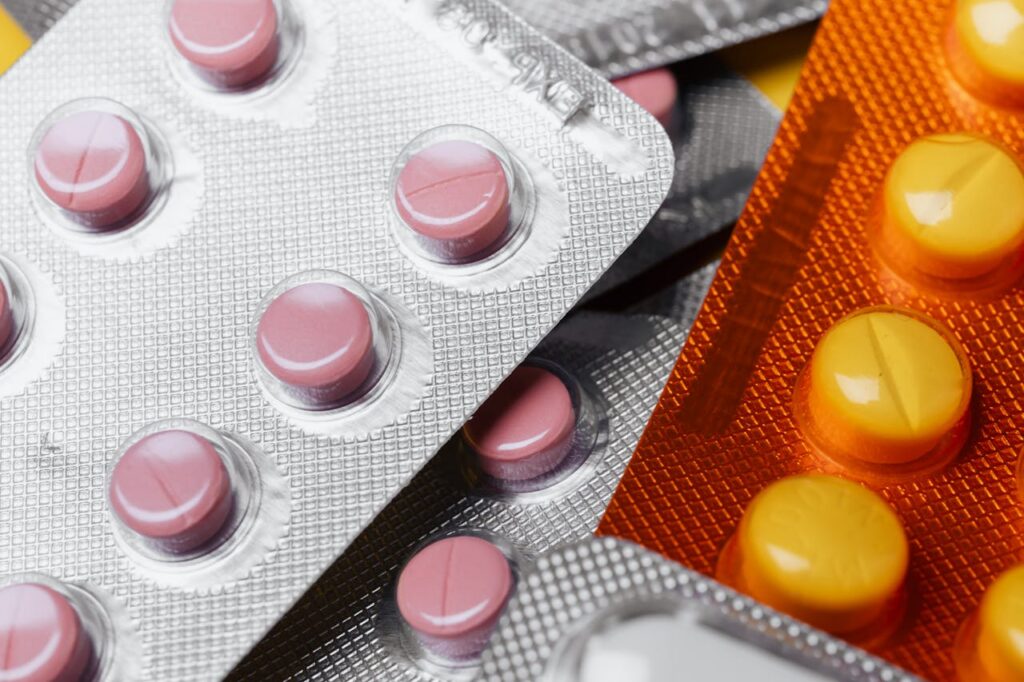
Medications can help in two ways.
- Simethicone makes gas easier to pass.
- Antispasmodics help the intestines relax and move gas along.
a) Simethicone
Simethicone helps by breaking down gas into smaller gas bubbles in the intestine. Instead of many small bubbles that get trapped and create pressure, simethicone allows them to come together so the gas can move out more easily.
A clinical trial showed that when simethicone was combined with the antispasmodic pinaverium bromide, people had significantly less bloating than those who took a placebo [2]. This means simethicone can be useful, especially when paired with another gut-focused medication.
b) Antispasmodics
Antispasmodics are medications that relax the smooth muscles in the digestive tract. When these muscles are tight or contracting irregularly, gas and food can get stuck, which increases bloating.
By relaxing the muscles, antispasmodics help the intestine move more smoothly and reduce cramping. Several meta-analyses have shown that antispasmodics provide better relief than placebo for bloating and abdominal discomfort [2].
3. Exercise

Going for a quick stroll after your Christmas dinner might help you reduce your bloating greatly. As it turns out, physical activity plays a direct role in reducing bloating by improving how the intestines move gas. In research where gas was infused directly into the intestines, exercise significantly increased gas clearance [2]. This means the body was able to move gas through the digestive tract more efficiently, which reduced pressure and discomfort.
4. Take some microbiotics
a) Prebiotics
A controlled study in IBS patients found that taking a prebiotic containing 1.37g of beta galactooligosaccharides improved bloating to a degree similar to a low FODMAP diet [2]. What makes this finding important is the difference in how each approach affects gut bacteria.
- The prebiotic increased Bifidobacterium, a group of bacteria generally associated with better gut health.
- The low FODMAP diet reduced Bifidobacterium levels.
- The prebiotic reduced Bilophila wadsworthia, a species linked to inflammation.
This means prebiotic supplementation can relieve bloating while also producing a more favourable microbial profile. It offers an alternative to restrictive diets, especially for people who want symptom relief without long-term dietary limitations.
The evidence for probiotics is more specific. A meta-analysis by Ford and colleagues in 2018 found that [2]:
- Bifidobacterium strains produced a small but meaningful improvement in bloating.
- Lactobacillus and Saccharomyces showed no significant benefit for bloating.
So not all probiotics work the same way. The benefit appears to be strongest for Bifidobacterium-based products.
5. Get checked for IBS

Irritable bowel syndrome can play a major role in persistent bloating. Research using direct gas infusion into the intestines shows a clear difference between healthy individuals and people with functional bloating or IBS [2]. Patients with IBS have a reduced ability to move gas through the digestive tract. Because their gas transit is impaired, gas tends to stay trapped longer instead of being cleared efficiently.
This gas retention leads to two problems [2]:
- a stronger internal sensation of a bloated stomach
- visible abdominal distension as the intestines expand
These effects happen even when the amount of gas introduced is the same as in healthy subjects. The difference is in how the gut handles it.
6. Get checked for celiac disease
The study recommends a straightforward initial evaluation. A simple blood test can check: full blood count, markers of malabsorption, such as iron, vitamin B12, folic acid, and zinc, serologic tests for celiac disease, primarily tissue transglutaminase antibodies [2]. These tests help identify whether bloating is linked to poor nutrient absorption or an immune response to gluten. Identifying celiac disease early is important because untreated celiac disease can lead to long-term complications involving the gut and other organ systems.
When to Seek Medical Attention for Your Gas and Bloating?
Most healthy people experience occasional bloating, especially after large meals or high fermentable foods. This type of bloating is usually mild, lasts only a few hours, and resolves once gas or stool is passed. It does not typically indicate a serious problem.
Medical evaluation is more important when [4]:
- The bloated stomach pain is persistent or occurs daily
- Symptoms do not improve with diet adjustments
- There is significant pain, vomiting, or unintentional weight loss
- Bowel habits change suddenly
- Symptoms are severe enough to interfere with daily activities
Persistent bloating can reflect conditions like IBS, celiac disease, lactose intolerance, malabsorption, or small intestinal bacterial overgrowth.
Conclusion
Abdominal bloating is one of the most common symptoms seen in functional gastrointestinal disorders. It can appear on its own or together with other functional digestive symptoms [2]. Although the mechanisms vary from person to person, many cases are linked to impaired gas transit, increased sensitivity of the gut, dietary triggers, or changes in the intestinal microbiota. But, don’t let your worries or fear of bloating potentially ruin your Christmas dinner.
So, how to get rid of bloating? If you want to keep track of your nutrition to find foods that prevent bloating, try using the Eato app! Eato helps to track calories, monitor nutrients, and build lasting habits that make healthy weight loss easier to maintain. Try it now for free!
Smarter Nutrition Tracking
Track calories and over 100 other nutrients all in one place.
Download Eato For Free