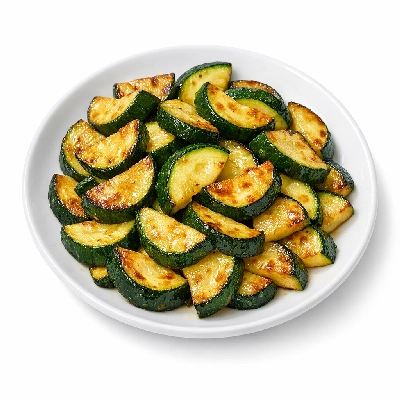
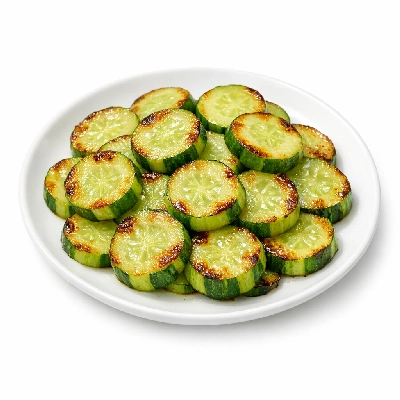
Sauteed Garlic Zucchini
Source of Calories
Nutrition Facts
| Nutrient | Amount | % Daily Value |
|---|---|---|
| Total Carbohydrates | 15.85 g | 6% |
| Net Carbohydrates | 11.47 g | 5% |
| Sugars | 9.9 g | 28% |
| Added Sugars | 0 g | 0% |
| Dietary Fiber | 4.37 g | 16% |
| Protein | 5.42 g | 11% |
| Total Fat | 28.34 g | 36% |
| Saturated Fat | 4.07 g | 20% |
| Monounsaturated Fat | 19.74 g | - |
| Polyunsaturated Fat | 3.22 g | - |
| Trans Fat | 0 g | 0% |
| Cholesterol | 0 mg | 0% |
| Vitamins | ||
| Vitamin A | 39.52 mcg | 4% |
| Vitamin C | 72.99 mg | 81% |
| Vitamin D | 0 mcg | 0% |
| Minerals | ||
| Sodium | 2359.12 mg | 103% |
| Potassium | 1073.91 mg | 23% |
| Calcium | 85.37 mg | 7% |
| Magnesium | 74.67 mg | 18% |
| Iron | 1.88 mg | 10% |
| Zinc | 1.39 mg | 13% |
% DV refers to how much a single serving of an individually packaged food or supplement contributes nutritionally to your daily diet, based on a 2,000-calorie-a-day diet. Generally, having 5% DV or less of a nutrient per serving is considered low, and 20% DV or more of a nutrient per serving is considered high.
Fat Composition
The suggested total fat consumption should be limited to 30% of total energy intake or less. The type of fat consumed should primarily be unsaturated fatty acids, with no more than 10% of total energy intake coming from saturated fatty acids (about 200 calories on a 2000-calorie diet) and no more than 1% of total energy intake coming from trans-fatty acids.
Vitamin Coverage
Vitamin A
4%
Vitamin C
81%
Vitamin D
0%
Vitamin E
29%
Vitamin K
29%
Vitamin B1
17%
Vitamin B2
30%
Vitamin B3
12%
Vitamin B5
17%
Vitamin B6
44%
Vitamin B7
-
Vitamin B9
0%
Vitamin B12
0%
There are 13 essential vitamins required for the body to work properly, which are categorised into two categories: fat-soluble and water-soluble vitamins. Vitamins have a Recommended Dietary Allowance (RDA), provided by the Dietary Reference Intakes (DRIs), which vary by age and sex. The %DV indicates how much one serving contributes to the average recommended daily intake.
Mineral Coverage
Calcium
7%
Iron
10%
Magnesium
18%
Phosphorus
13%
Potassium
23%
Sodium
103%
Zinc
13%
Copper
29%
Manganese
43%
Selenium
4%
Minerals are micronutrients, of which 13 of them are essential to the human body. The Recommended Dietary Allowance includes Calcium (1,300 mg/d), Phosphorus (1,250 mg/d), Potassium (4,700 mg/d), Sodium (2,300 mg/d), Chloride (1,500 mg/d), Magnesium (420 mg/d), Iron (18 mg/d), Zinc (11 mg/d), Copper (0.9 mg/d), Selenium (55 mcg/d), Molybdenum (45 mcg/d), Manganese (2.3 mg/d) and Iodine (150 mcg/d).
Protein Quality
Leucine
0.4%
Isoleucine
0.3%
Valine
0.3%
Lysine
0.1%
Tryptophan
0.2%
Threonine
0.2%
Phenylalanine
0.4%
Methionine
0.2%
Histidine
0.2%
Guidelines recommend a serving of protein with each meal and 1.2-1.6 g of protein per kg of body weight per day.
The data provided by eato.health is for informational purposes only and should not be considered medical advice. Please consult your physician before beginning any diet or nutrition plan.
About
How Long to Burn Off 321 Calories?
*Based on this person: 25-year-old female, 5'7", 144 lbs

Swimming
47 min

Jogging
41 min

Cycling
42 min

Walking
1 h 16 min
The data provided by eato.health is for informational purposes only and should not be considered medical advice. Please consult your physician before beginning any diet or nutrition plan.
FAQ
It can fit weight loss fairly well, especially because it is relatively filling for the calories. Per serving, it has about 321 kcal, 15.85 g carbs, 5.42 g protein, and 4.37 g fiber, so the fiber may help fullness, but the 28.34 g fat means the oil adds a lot of the calories.
Zucchini is naturally low in calories because it is mostly water and has relatively little fat or starch. The extra calories in this dish come much more from the sauteing oil than from the zucchini itself, which is why the serving reaches 321 kcal while still having only 15.85 g carbs.
Cucumber with peel is lighter, at about 8 kcal and 1.9 g carbs per 0.5 cup slices, while sauteed zucchini with garlic has more nutrients and fiber, with about 321 kcal, 4.37 g fiber, and 72.99 mg vitamin C per serving. If you want the lowest calorie option, cucumber may be better, but if you want a more filling cooked vegetable side, zucchini may be healthier.
It may be especially helpful for the immune system and skin, mainly because of its vitamin C. One serving provides about 72.99 mg vitamin C, which is roughly 81% of the daily value, and vitamin C helps with immune function, collagen formation, and antioxidant protection.
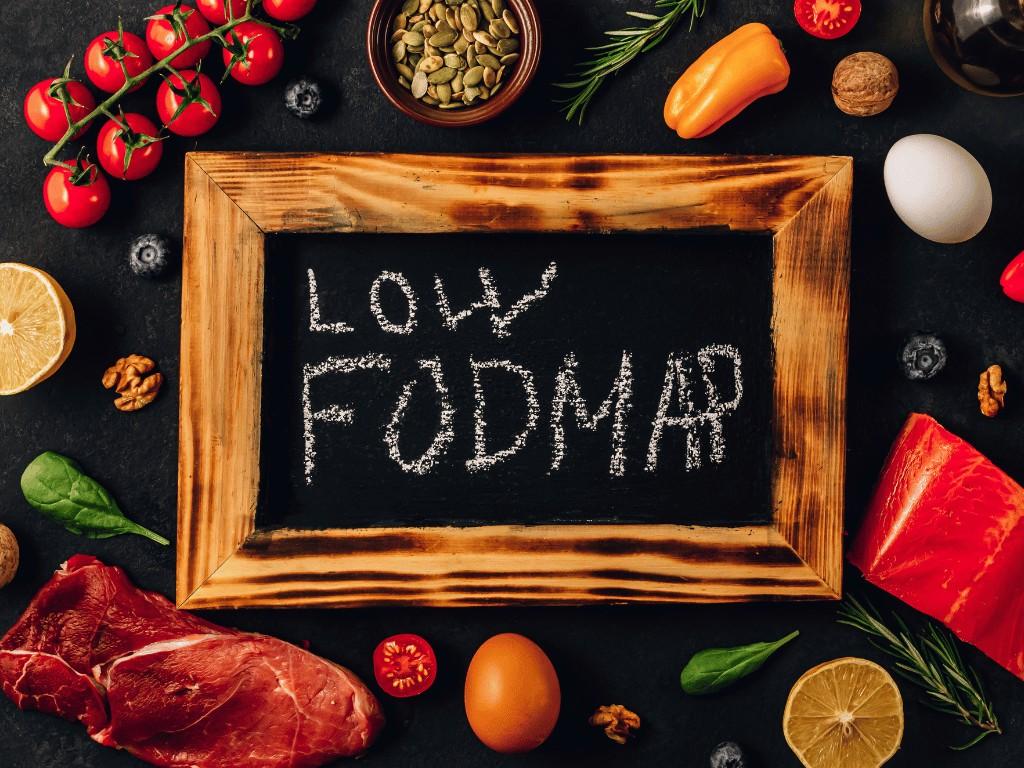
It may be better to avoid it, or keep the portion smaller, if you are trying to limit sodium, fat, or high FODMAP foods. One serving has about 2,359.12 mg sodium and 28.34 g fat, and garlic can trigger bloating in some people who are sensitive to FODMAPs. If you often get digestive symptoms after garlic, this guide to the low FODMAP diet may be useful.
📚 Health Research & Evidence About This Food
Zucchini is a highly nutritious summer squash, rich in essential vitamins, minerals, and beneficial plant compounds, including vitamins A, C, K, manganese, potassium, magnesium, and folate. Its ample vitamin A content supports vision and the immune system. It promotes healthy digestion through its high water content, which softens stools, and a combination of soluble and insoluble fiber; insoluble fiber adds bulk aiding gut motility, while soluble fiber nourishes beneficial gut bacteria. Its antioxidants like lutein and zeaxanthin, particularly concentrated in the skin, may help balance free radical levels and contribute to eye health by filtering blue light.
1. 12 Health and Nutrition Benefits of Zucchini
Source: Healthline, 2019
Summary: Zucchini is a summer squash rich in various vitamins, minerals, and beneficial plant compounds, including essential nutrients such as vitamins A, C, and K, manganese, potassium, magnesium, and folate.
Read More: https://www.healthline.com/nutrition/zucchini-benefits
2. Allergy Caused by Ingestion of Zucchini (Cucurbita Pepo): Characterization of Allergens and Cross-Reactivity to Pollen and Other Foods.
Source: PubMed
Summary: Zucchini allergens can induce systemic reactions and are at least partially heat stable, suggesting that zucchini allergy can arise from primary sensitization to zucchini itself or from cross-reactions to the panallergen profilin and cross-reacting carbohydrate determinants.
Read More: https://pubmed.ncbi.nlm.nih.gov/10932084/
3. The Health Benefits of Zucchini and How to Eat It
Source: Medical News Today, 2021
Summary: Zucchini is rich in antioxidants like lutein and zeaxanthin, which help balance free radical levels and protect against cardiovascular disease, and it promotes healthy digestion through its high water content and a combination of soluble and insoluble fiber.
Read More: https://www.medicalnewstoday.com/articles/zucchini-benefits
4. 5 Health Benefits of Zucchini
Source: Cleveland Clinic
Summary: Zucchini is a highly nutritious food, packed with essential vitamins, minerals, and beneficial plant-based compounds that contribute significantly to overall health.
Read More: https://health.clevelandclinic.org/zucchini-health-benefits
5. 8 Delicious Types of Squash
Source: Healthline, 2019
Summary: Zucchini is a green summer squash that has gained popularity as a low-carb, low-calorie substitute for noodles, providing fat, protein, carbohydrates, and fiber per medium serving.
Read More: https://www.healthline.com/nutrition/types-of-squash