• Home
  • Features
  • Food Database
  • Calculators
  • Blog
  • About
Get the App

Download and start your free trial to get your custom macro plan and food logging access today.

Download Eato App from App StoreDownload Eato App from Google Play
  • Calorie Tracker
  • Food Database
  • Calculators
  • Blog
  • About
  • Support
© 2025 Eato. All rights reserved.
  • Privacy Policy
  • Terms & Conditions
  • Cookie Setting
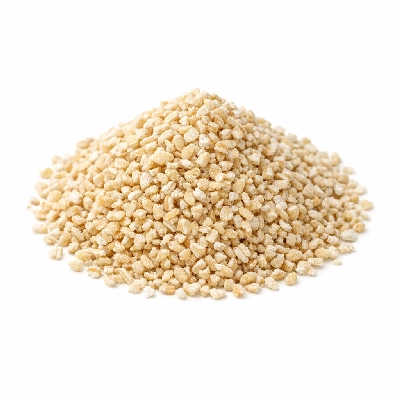
  1. Quaker, Regular Quick Dry Scotch Barley
Quaker, Regular Quick Dry Scotch Barley

Quaker, Regular Quick Dry Scotch Barley

Source of Calories

Amount%

Nutrition Facts

Amount% DV
NutrientAmount% Daily Value
Total Carbohydrates76.38 g28%
Net Carbohydrates65.98 g27%
Sugars0.66 g2%
Added SugarsNo data-
Dietary Fiber10.4 g37%
Protein10.74 g21%
Total Fat2.24 g3%
Saturated Fat0.47 g2%
Monounsaturated Fat0.2 g-
Polyunsaturated Fat1.03 g-
Trans FatNo data-
Cholesterol0 mg0%
Vitamins
Vitamin A6.6 mcg1%
Vitamin C0 mg0%
Vitamin D0 mcg0%
Minerals
Sodium7 mg0%
Potassium261 mg6%
Calcium28 mg2%
Magnesium60 mg14%
Iron1.99 mg11%
Zinc1.46 mg13%

% DV refers to how much a single serving of an individually packaged food or supplement contributes nutritionally to your daily diet, based on a 2,000-calorie-a-day diet. Generally, having 5% DV or less of a nutrient per serving is considered low, and 20% DV or more of a nutrient per serving is considered high.

Fat Composition

Amount%

The suggested total fat consumption should be limited to 30% of total energy intake or less. The type of fat consumed should primarily be unsaturated fatty acids, with no more than 10% of total energy intake coming from saturated fatty acids (about 200 calories on a 2000-calorie diet) and no more than 1% of total energy intake coming from trans-fatty acids.

Vitamin Coverage

% DV

Vitamin A

0.7%

Vitamin C

0%

Vitamin D

0%

Vitamin E

-

Vitamin K

-

Vitamin B1

21%

Vitamin B2

7%

Vitamin B3

28%

Vitamin B5

6%

Vitamin B6

15%

Vitamin B7

-

Vitamin B9

-

Vitamin B12

0%

There are 13 essential vitamins required for the body to work properly, which are categorised into two categories: fat-soluble and water-soluble vitamins. Vitamins have a Recommended Dietary Allowance (RDA), provided by the Dietary Reference Intakes (DRIs), which vary by age and sex. The %DV indicates how much one serving contributes to the average recommended daily intake.

Mineral Coverage

% DV

Calcium

2%

Iron

11%

Magnesium

14%

Phosphorus

17%

Potassium

6%

Sodium

0.3%

Zinc

13%

Copper

42%

Manganese

55%

Selenium

-

Minerals are micronutrients, of which 13 of them are essential to the human body. The Recommended Dietary Allowance includes Calcium (1,300 mg/d), Phosphorus (1,250 mg/d), Potassium (4,700 mg/d), Sodium (2,300 mg/d), Chloride (1,500 mg/d), Magnesium (420 mg/d), Iron (18 mg/d), Zinc (11 mg/d), Copper (0.9 mg/d), Selenium (55 mcg/d), Molybdenum (45 mcg/d), Manganese (2.3 mg/d) and Iodine (150 mcg/d).

The data provided by eato.health is for informational purposes only and should not be considered medical advice. Please consult your physician before beginning any diet or nutrition plan.

About

100 g of Quaker, Regular Quick Dry Scotch Barley contains 346 calories, 76.38g carbs, 2.24g fat, and 10.74g protein.
High FiberLow CholesterolLow SodiumLow Sugar
See how the food you eat fits into your diet with the Eato app

Eato: AI-Powered Food Scanner

With over 1.9m+ food entries, accurately track your calories to build simple meal plans for weight loss.

Download Eato App from App StoreDownload Eato App from Google Play

How Long to Burn Off 346 Calories?

*Based on this person: 25-year-old female, 5'7", 144 lbs

  • Blue swimming icon

    Swimming

    51 min

  • Orange jogging icon

    Jogging

    44 min

  • Green cycling icon

    Cycling

    45 min

  • Yellow walking icon

    Walking

    1 h 22 min

The data provided by eato.health is for informational purposes only and should not be considered medical advice. Please consult your physician before beginning any diet or nutrition plan.
FAQ

Yes. Per 100 g, it has 346 calories, 76.38 g carbs, 10.74 g protein, 10.4 g fiber, 2.24 g fat, 0.47 g saturated fat, 0 mg cholesterol, and 7 mg sodium. That makes it a high fiber, very low sodium grain with barely any sugar, 0.66 g per 100 g. Barley is also one of the main food sources of beta glucan, a soluble fiber linked with better cholesterol control.

Scotch barley is usually better. The main reason is that Scotch barley is generally less polished than pearl barley, so it tends to keep more of the outer grain layers and usually more fiber.

Yes, it can. The key reason is the 10.4 g fiber per 100 g, especially the barley beta glucan.Oat and barley beta glucan can help lower LDL cholesterol, although the effect is usually modest and depends on how much you eat overall. Speak to a healthcare professional before changing your diet drastically.

Yes. Its high fiber, low sugar, and very low sodium make it a solid grain choice for many older adults, especially those trying to support heart health, digestion, or steadier blood sugar. There is also some research linking regular barley intake with healthier aging patterns, though that evidence is still developing.

Food Health: Research and Evidence

Scientific research and expert reviews suggest that certain components in infant formula, such as specific fats and nutrients, can contribute to better cardiovascular health and improved blood sugar control in infants.

1. Food Health: Research and Evidence

Source: SpringerLink, 2024

Summary: Scientific research and expert reviews suggest that certain components in infant formula, such as specific fats and nutrients, can contribute to better cardiovascular health and improved blood sugar control in infants.

Read More: https://link.springer.com/article/10.1007/s13668-024-00561-9

2. Food Health: Research and Evidence

Source: SpringerLink, 2024

Summary: Scientific research and expert reviews suggest that certain components in infant formula, such as specific fats and nutrients, can contribute to better cardiovascular health and improved blood sugar control in infants.

Read More: https://link.springer.com/article/10.1007/s13668-024-00561-9

Home
Food Database
Breakfast Cereals

Related Blogs

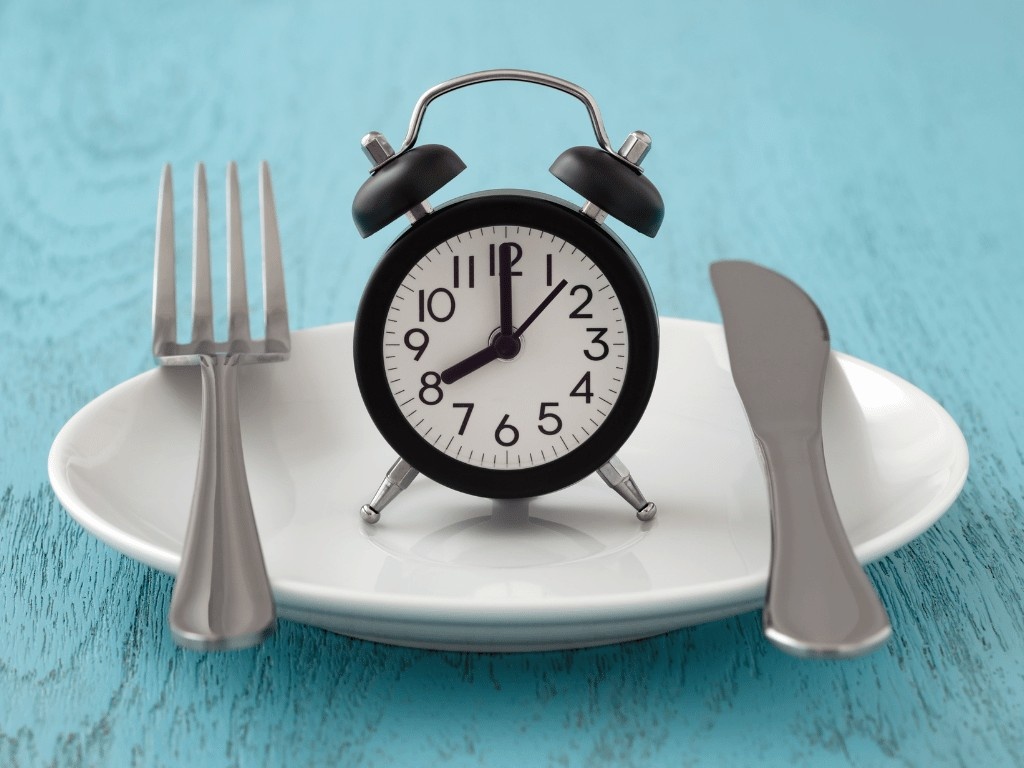
alarm clock on top of a plate representing dry fasting

The Essential Guide to Dry Fasting: Benefits and Considerations

Nov 14, 2025

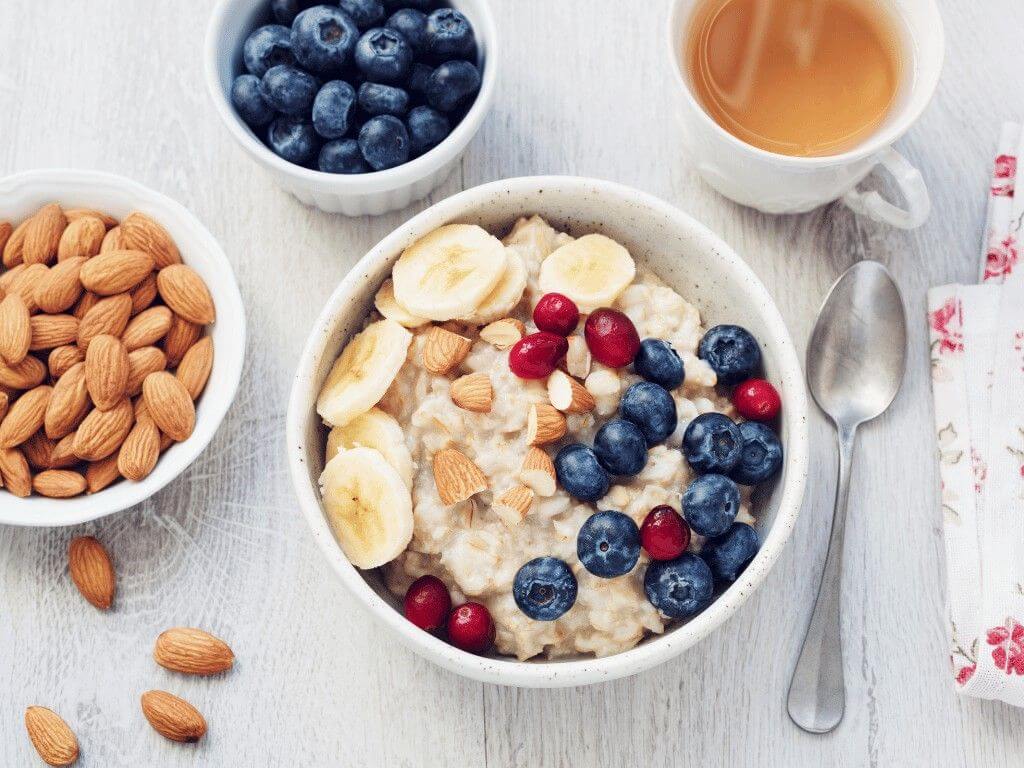
bowl of oatmeal topped with banana and berries for weight loss

Is Oatmeal Good for Weight Loss?

Nov 14, 2025

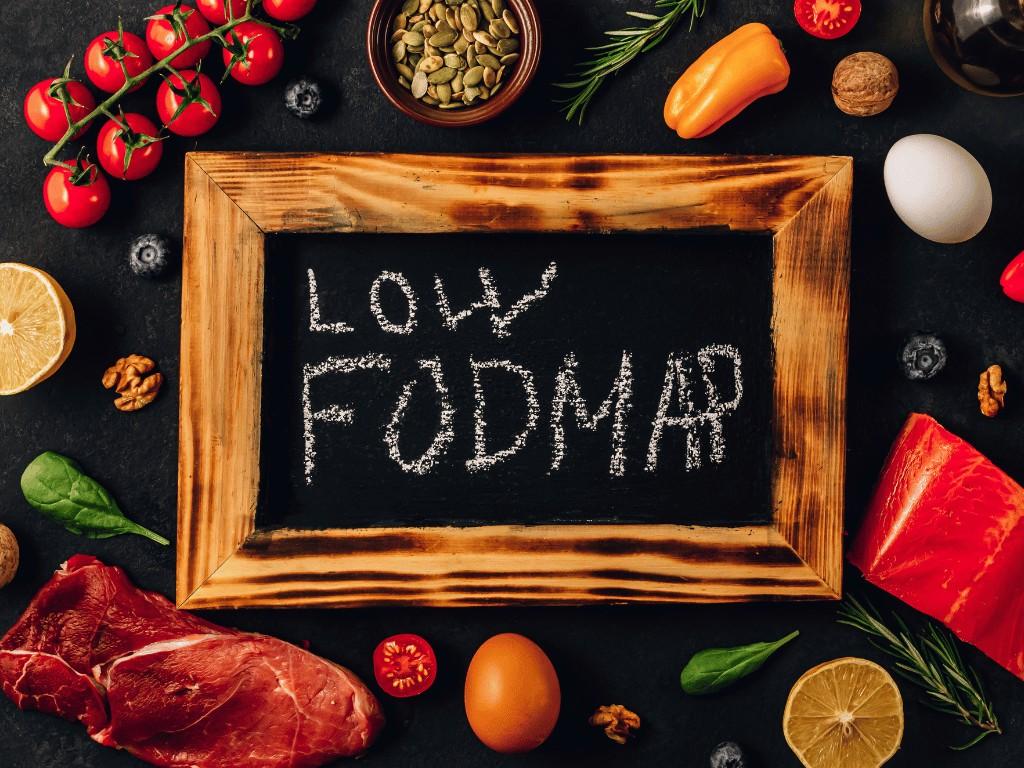
Low fodmap diet: what it is

What Is a Low FODMAP Diet? An Introductory Guide

Nov 14, 2025

Food Nutrition Comparison

Food Nutrition Comparison
FoodUnitCaloriesCarbsProteinFat
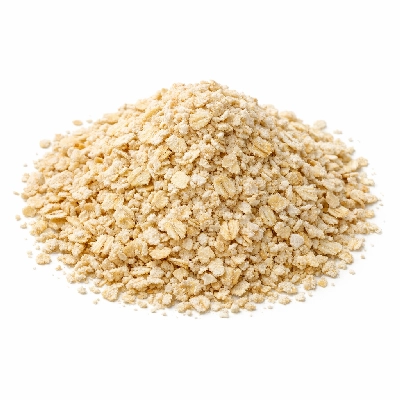
Quaker, Mother, Dry Instant Oatmeal, Non-fortified
100 g359 Cal65.81 g13.7 g7.1 g

Similar Food

  • Quaker, Mother, Dry Instant Oatmeal, Non-fortified

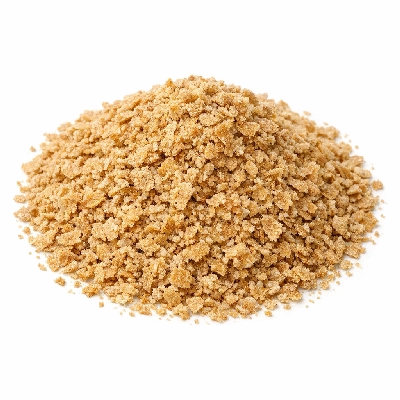
    Quaker, Mother, Dry Instant Oatmeal, Non-fortifiedA

    100 g359 Cal

  • Quaker, Dry Oat Bran

    Quaker, Dry Oat BranA

    0.5 cup146 Cal

  • Whole Wheat Hot Natural Dry Cereal

    Whole Wheat Hot Natural Dry CerealA

    0.33 cup106 Cal

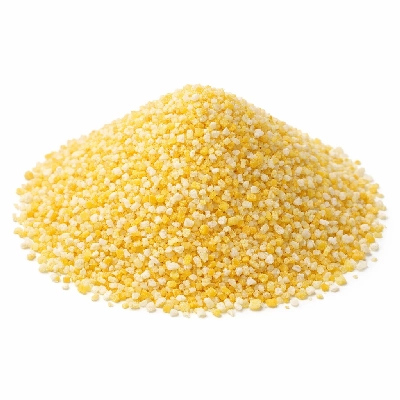
  • Quaker, Quick, Dry, Yellow Hominy Grits

    Quaker, Quick, Dry, Yellow Hominy GritsA

    0.25 cup125 Cal

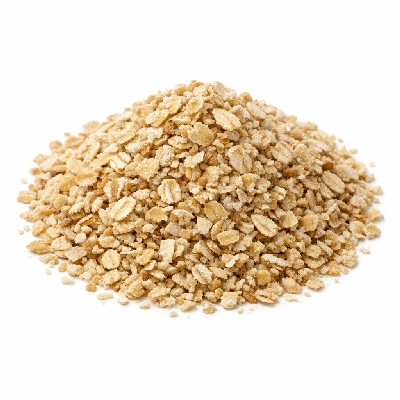
  • Quaker, Dry Multigrain Oatmeal

    Quaker, Dry Multigrain OatmealA

    0.5 cup134 Cal

Quaker, Dry Oat Bran
0.5 cup
146 Cal
25.18 g
6.81 g
3.19 g
Whole Wheat Hot Natural Dry CerealWhole Wheat Hot Natural Dry Cereal
0.33 cup106 Cal23.31 g3.47 g0.62 g
Quaker, Mother, Dry Instant Oatmeal, Non-fortified
Quaker, Dry Oat Bran