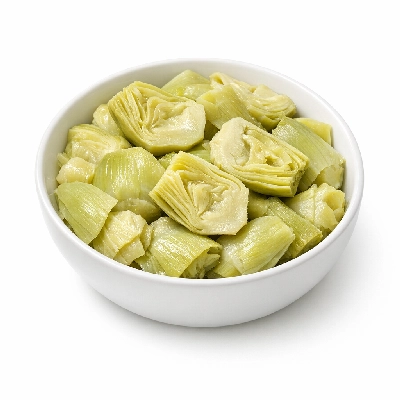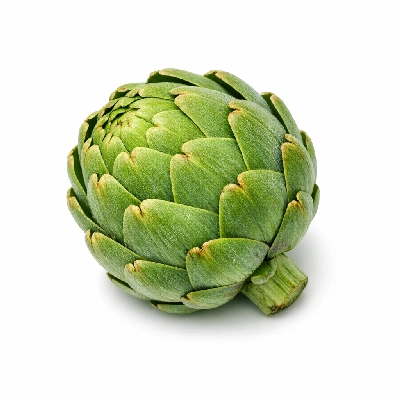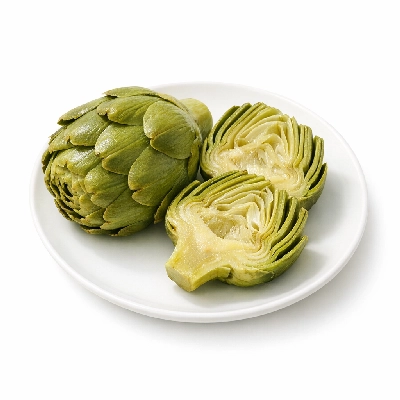
Boiled Artichokes with Salt
Source of Calories
Nutrition Facts
| Nutrient | Amount | % Daily Value |
|---|---|---|
| Total Carbohydrates | 13.67 g | 5% |
| Net Carbohydrates | 6.83 g | 3% |
| Sugars | 1.19 g | 3% |
| Added Sugars | No data | - |
| Dietary Fiber | 6.84 g | 24% |
| Protein | 3.47 g | 7% |
| Total Fat | 0.41 g | 1% |
| Saturated Fat | 0.09 g | 0% |
| Monounsaturated Fat | 0.01 g | - |
| Polyunsaturated Fat | 0.17 g | - |
| Trans Fat | 0 g | 0% |
| Cholesterol | 0 mg | 0% |
| Vitamins | ||
| Vitamin A | 0.8 mcg | 0% |
| Vitamin C | 8.88 mg | 10% |
| Vitamin D | 0 mcg | 0% |
| Minerals | ||
| Sodium | 355.2 mg | 15% |
| Potassium | 343.2 mg | 7% |
| Calcium | 25.2 mg | 2% |
| Magnesium | 50.4 mg | 12% |
| Iron | 0.73 mg | 4% |
| Zinc | 0.48 mg | 4% |
% DV refers to how much a single serving of an individually packaged food or supplement contributes nutritionally to your daily diet, based on a 2,000-calorie-a-day diet. Generally, having 5% DV or less of a nutrient per serving is considered low, and 20% DV or more of a nutrient per serving is considered high.
Fat Composition
The suggested total fat consumption should be limited to 30% of total energy intake or less. The type of fat consumed should primarily be unsaturated fatty acids, with no more than 10% of total energy intake coming from saturated fatty acids (about 200 calories on a 2000-calorie diet) and no more than 1% of total energy intake coming from trans-fatty acids.
Vitamin Coverage
Vitamin A
0.1%
Vitamin C
10%
Vitamin D
0%
Vitamin E
2%
Vitamin K
15%
Vitamin B1
5%
Vitamin B2
8%
Vitamin B3
8%
Vitamin B5
6%
Vitamin B6
6%
Vitamin B7
-
Vitamin B9
27%
Vitamin B12
0%
There are 13 essential vitamins required for the body to work properly, which are categorised into two categories: fat-soluble and water-soluble vitamins. Vitamins have a Recommended Dietary Allowance (RDA), provided by the Dietary Reference Intakes (DRIs), which vary by age and sex. The %DV indicates how much one serving contributes to the average recommended daily intake.
Mineral Coverage
Calcium
2%
Iron
4%
Magnesium
12%
Phosphorus
7%
Potassium
7%
Sodium
15%
Zinc
4%
Copper
17%
Manganese
12%
Selenium
0.4%
Minerals are micronutrients, of which 13 of them are essential to the human body. The Recommended Dietary Allowance includes Calcium (1,300 mg/d), Phosphorus (1,250 mg/d), Potassium (4,700 mg/d), Sodium (2,300 mg/d), Chloride (1,500 mg/d), Magnesium (420 mg/d), Iron (18 mg/d), Zinc (11 mg/d), Copper (0.9 mg/d), Selenium (55 mcg/d), Molybdenum (45 mcg/d), Manganese (2.3 mg/d) and Iodine (150 mcg/d).
The data provided by eato.health is for informational purposes only and should not be considered medical advice. Please consult your physician before beginning any diet or nutrition plan.
About
How Long to Burn Off 61 Calories?
*Based on this person: 25-year-old female, 5'7", 144 lbs

Swimming
9 min

Jogging
8 min

Cycling
8 min

Walking
15 min
The data provided by eato.health is for informational purposes only and should not be considered medical advice. Please consult your physician before beginning any diet or nutrition plan.
FAQ
No. Boiled artichokes with salt per serving contain about 343.5 mg potassium and 308.6 mg sodium, and renal diets often limit potassium to 2,000 to 3,000 mg/day and sodium to ≤2,000 mg/day. The fiber is high at 6.9 g, which is beneficial, but kidney diets usually prioritize electrolyte control over fiber intake.
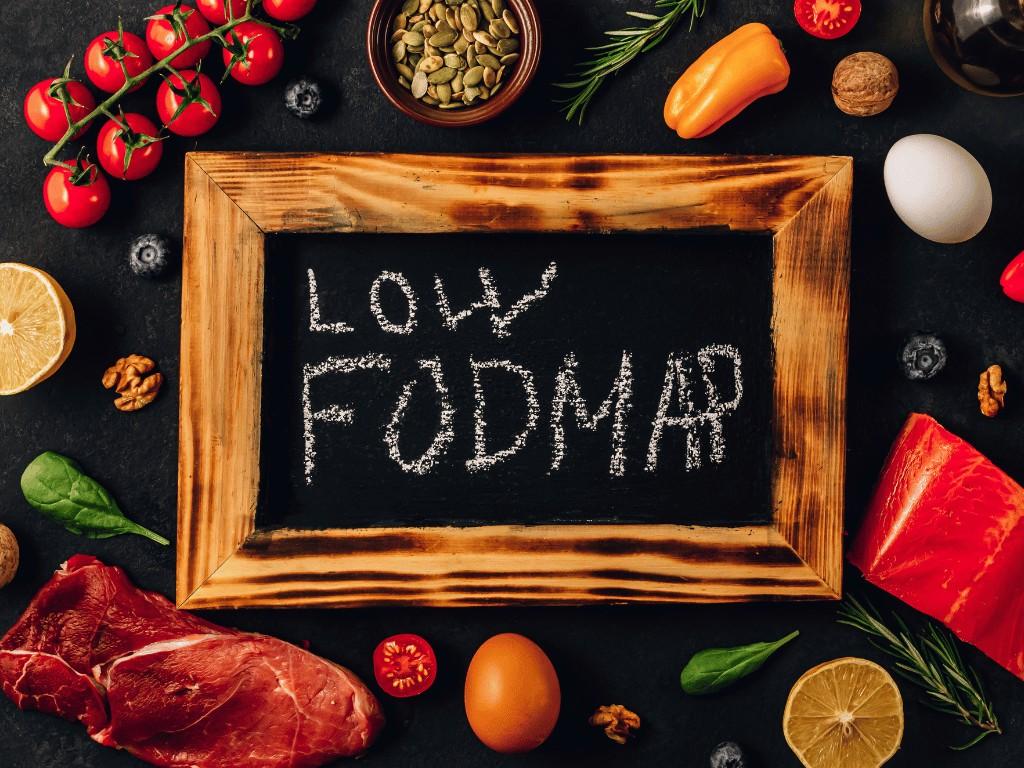
No. They can trigger symptoms in some people because artichokes are high in FODMAPs (fructans), which ferment in the gut and increase gas production. Clinical FODMAP studies show restricting these carbohydrates improves IBS symptoms in about 50% to 80% of patients, which explains why artichokes can be problematic. Per serving, they still provide 6.9 g fiber, which is beneficial long term, but tolerance varies by individual.
Yes. Per serving, they have about 13.47 g carbs with 6.9 g fiber (about 6.57 g net carbs), which slows glucose absorption. A meta analysis found increasing fiber intake by 15 g/day reduced HbA1c by about 0.5%, which is clinically meaningful for diabetes control.
It depends. Reducing sodium intake by about 1,750 mg/day lowered systolic blood pressure by around 5.4 mmHg, but boiled artichokes itself has 308.6 mg sodium per serving, which contributes quite a bit in an overall daily diet. However, artichokes themselves provide 343.5 mg potassium, which generally supports blood pressure balance.
The heart of the artichoke is the healthiest part. It contains the highest concentration of fiber and prebiotic compounds like inulin, and per serving the whole artichoke provides about 6.9 g fiber, which is roughly 23% to 28% of the daily target (25–30 g/day). Research shows 5 to 10 g/day of soluble fiber can reduce LDL cholesterol by about 5% to 10%, which helps explain why the heart of the artichoke is associated with metabolic health.