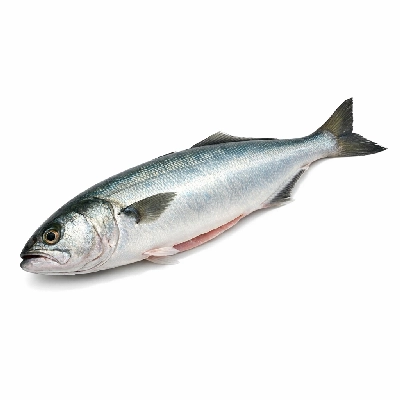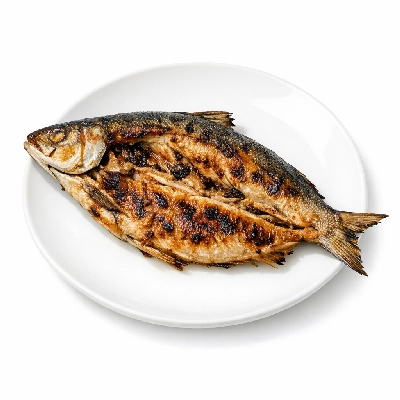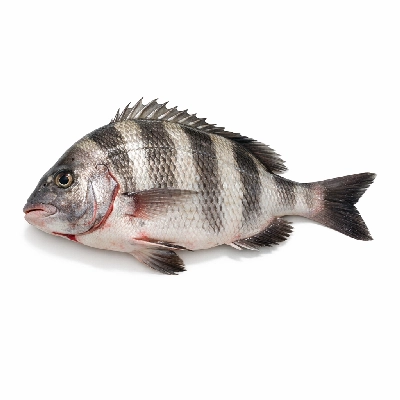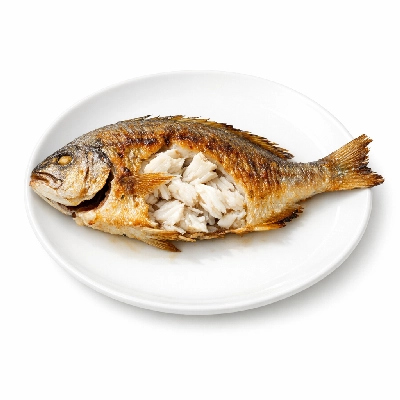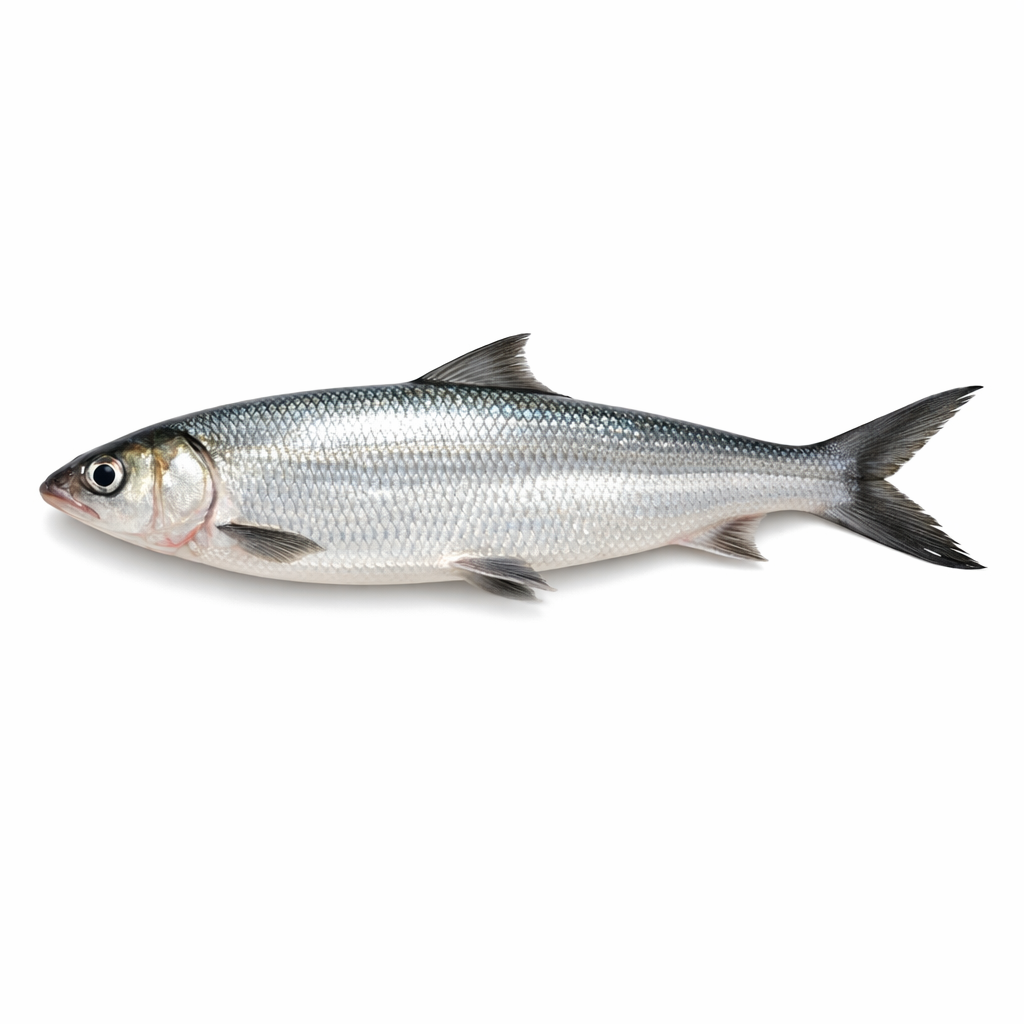
Raw Milkfish
Source of Calories
Nutrition Facts
| Nutrient | Amount | % Daily Value |
|---|---|---|
| Total Carbohydrates | 0 g | 0% |
| Net Carbohydrates | 0 g | 0% |
| Sugars | No data | - |
| Added Sugars | No data | - |
| Dietary Fiber | 0 g | 0% |
| Protein | 17.45 g | 35% |
| Total Fat | 5.72 g | 7% |
| Saturated Fat | 1.41 g | 7% |
| Monounsaturated Fat | 2.19 g | - |
| Polyunsaturated Fat | 1.56 g | - |
| Trans Fat | No data | - |
| Cholesterol | 44.2 mg | 15% |
| Vitamins | ||
| Vitamin A | 25.5 mcg | 3% |
| Vitamin C | 0 mg | 0% |
| Vitamin D | No data | - |
| Minerals | ||
| Sodium | 61.2 mg | 3% |
| Potassium | 248.2 mg | 5% |
| Calcium | 43.35 mg | 3% |
| Magnesium | 25.5 mg | 6% |
| Iron | 0.27 mg | 2% |
| Zinc | 0.7 mg | 6% |
% DV refers to how much a single serving of an individually packaged food or supplement contributes nutritionally to your daily diet, based on a 2,000-calorie-a-day diet. Generally, having 5% DV or less of a nutrient per serving is considered low, and 20% DV or more of a nutrient per serving is considered high.
Fat Composition
The suggested total fat consumption should be limited to 30% of total energy intake or less. The type of fat consumed should primarily be unsaturated fatty acids, with no more than 10% of total energy intake coming from saturated fatty acids (about 200 calories on a 2000-calorie diet) and no more than 1% of total energy intake coming from trans-fatty acids.
Vitamin Coverage
Vitamin A
3%
Vitamin C
0%
Vitamin D
-
Vitamin E
-
Vitamin K
-
Vitamin B1
0.9%
Vitamin B2
4%
Vitamin B3
34%
Vitamin B5
13%
Vitamin B6
21%
Vitamin B7
-
Vitamin B9
3%
Vitamin B12
120%
There are 13 essential vitamins required for the body to work properly, which are categorised into two categories: fat-soluble and water-soluble vitamins. Vitamins have a Recommended Dietary Allowance (RDA), provided by the Dietary Reference Intakes (DRIs), which vary by age and sex. The %DV indicates how much one serving contributes to the average recommended daily intake.
Mineral Coverage
Calcium
3%
Iron
2%
Magnesium
6%
Phosphorus
11%
Potassium
5%
Sodium
3%
Zinc
6%
Copper
3%
Manganese
0.7%
Selenium
19%
Minerals are micronutrients, of which 13 of them are essential to the human body. The Recommended Dietary Allowance includes Calcium (1,300 mg/d), Phosphorus (1,250 mg/d), Potassium (4,700 mg/d), Sodium (2,300 mg/d), Chloride (1,500 mg/d), Magnesium (420 mg/d), Iron (18 mg/d), Zinc (11 mg/d), Copper (0.9 mg/d), Selenium (55 mcg/d), Molybdenum (45 mcg/d), Manganese (2.3 mg/d) and Iodine (150 mcg/d).
Protein Quality
Leucine
48%
Isoleucine
60%
Valine
54%
Lysine
60%
Tryptophan
56%
Threonine
55%
Phenylalanine
59%
Methionine
78%
Histidine
52%
Guidelines recommend a serving of protein with each meal and 1.2-1.6 g of protein per kg of body weight per day.
The data provided by eato.health is for informational purposes only and should not be considered medical advice. Please consult your physician before beginning any diet or nutrition plan.
About
How Long to Burn Off 126 Calories?
*Based on this person: 25-year-old female, 5'7", 144 lbs

Swimming
19 min

Jogging
16 min

Cycling
17 min

Walking
30 min
The data provided by eato.health is for informational purposes only and should not be considered medical advice. Please consult your physician before beginning any diet or nutrition plan.
📚 Health Research & Evidence About This Food
Fish, particularly fatty varieties, provides protein and omega-3 fatty acids. However, research from NutritionFacts.org indicates that omega-3s from fish may not offer protective benefits against heart disease and can be a source of pollutants. In contrast, observational evidence, as noted by Harvard Health and the American Heart Association, suggests that regular consumption of fatty fish is associated with a reduced risk of cardiovascular disease.
1. Omega-3 Fatty Acids
Source: NutritionFacts.org
Summary: Fatty fish consumption and fish oil supplements have been found to offer no protective benefit for overall mortality or cardiovascular outcomes in a systematic review and meta-analysis, while also posing risks of contamination with pollutants like PCBs, dioxins, and mercury.
Read More: https://nutritionfacts.org/topics/omega-3-fatty-acids/
2. The Story on Fish and Heart Health - Harvard Health
Source: Harvard Health, 2023
Summary: Fatty fish, rich in omega-3 fatty acids like EPA and DHA, are consistently linked to a lower risk of heart disease and are recommended for regular consumption to protect against heart attacks and strokes.
Read More: https://www.health.harvard.edu/heart-health/the-story-on-fish-and-heart-health
3. Fish and Omega-3 Fatty Acids
Source: American Heart Association, 2024
Summary: Fatty fish is a good source of protein and heart-healthy omega-3 fatty acids, with the American Heart Association recommending two 3-ounce servings per week as part of a dietary pattern linked to a lower risk of cardiovascular disease.
Read More: https://www.heart.org/en/healthy-living/healthy-eating/eat-smart/fats/fish-and-omega-3-fatty-acids
4. Fatty Fish & Your Cholesterol
Source: WebMD
Summary: Fatty fish, including salmon, tuna, sardines, mackerel, and trout, are rich in omega-3 fatty acids that effectively lower triglycerides and reduce the risk of coronary heart disease, leading to an FDA-approved qualified health claim for EPA and DHA.
Read More: https://www.webmd.com/cholesterol-management/features/low-cholesterol-diet-fatty-fish
5. Fatty Fish Provide Key Omega-3 Fatty Acids to Diet
Source: UCLA Health
Summary: Fatty fish is an important part of a healthy diet, providing key omega-3 fatty acids essential for heart, brain, eye, vascular, neural, and reproductive health, while requiring careful handling to ensure food safety.
Read More: https://www.uclahealth.org/news/article/fatty-fish-provide-key-omega-3-fatty-acids-diet