• Home
  • Features
  • Food Database
  • Calculators
  • Blog
  • About
Get the App

Download and start your free trial to get your custom macro plan and food logging access today.

Download Eato App from App StoreDownload Eato App from Google Play

Ask AI about Eato

Food Database

  • Common Foods
  • Branded Foods

Calculators

  • Health Calculators
  • Brand Calculators

Explore Eato

  • Features
  • About Us
  • Contact Us

Blog

  • Nutrition
  • Weight Management
  • Diets
  • Intermittent Fasting
  • Meal Plans
  • Exercise
  • Wellbeing

Follow Us

  • TikTok
  • Instagram
© 2026 Eato. All rights reserved.
  • Privacy Policy
  • Terms of Use
  • Cookie Reference
  1. Blue Bottle Coffee Almond Milk, to Stay
Blue Bottle Coffee Almond Milk, to Stay

Blue bottle coffee

Blue Bottle Coffee Almond Milk, to Stay

Source of Calories

Amount%

Nutrition Facts

Amount% DV
NutrientAmount% Daily Value
Total Carbohydrates12 g4%
Net Carbohydrates9 g4%
Sugars4 g11%
Added Sugars0 g0%
Dietary Fiber3 g11%
Protein5 g10%
Total Fat11 g14%
Saturated Fat1 g5%
Monounsaturated FatNo data-
Polyunsaturated FatNo data-
Trans Fat0 g0%
Cholesterol0 mg0%
Vitamins
Vitamin ANo data-
Vitamin CNo data-
Vitamin D0 mcg0%
Minerals
Sodium105 mg5%
Potassium0 mg0%
Calcium0 mg0%
MagnesiumNo data-
Iron0 mg0%
ZincNo data-

% DV refers to how much a single serving of an individually packaged food or supplement contributes nutritionally to your daily diet, based on a 2,000-calorie-a-day diet. Generally, having 5% DV or less of a nutrient per serving is considered low, and 20% DV or more of a nutrient per serving is considered high.

Fat Composition

Amount%

The suggested total fat consumption should be limited to 30% of total energy intake or less. The type of fat consumed should primarily be unsaturated fatty acids, with no more than 10% of total energy intake coming from saturated fatty acids (about 200 calories on a 2000-calorie diet) and no more than 1% of total energy intake coming from trans-fatty acids.

Vitamin Coverage

% DV

Vitamin A

-

Vitamin C

-

Vitamin D

0%

Vitamin E

-

Vitamin K

-

Vitamin B1

-

Vitamin B2

-

Vitamin B3

-

Vitamin B5

-

Vitamin B6

-

Vitamin B7

-

Vitamin B9

-

Vitamin B12

-

There are 13 essential vitamins required for the body to work properly, which are categorised into two categories: fat-soluble and water-soluble vitamins. Vitamins have a Recommended Dietary Allowance (RDA), provided by the Dietary Reference Intakes (DRIs), which vary by age and sex. The %DV indicates how much one serving contributes to the average recommended daily intake.

Mineral Coverage

% DV

Calcium

0%

Iron

0%

Magnesium

-

Phosphorus

-

Potassium

0%

Sodium

5%

Zinc

-

Copper

-

Manganese

-

Selenium

-

Minerals are micronutrients, of which 13 of them are essential to the human body. The Recommended Dietary Allowance includes Calcium (1,300 mg/d), Phosphorus (1,250 mg/d), Potassium (4,700 mg/d), Sodium (2,300 mg/d), Chloride (1,500 mg/d), Magnesium (420 mg/d), Iron (18 mg/d), Zinc (11 mg/d), Copper (0.9 mg/d), Selenium (55 mcg/d), Molybdenum (45 mcg/d), Manganese (2.3 mg/d) and Iodine (150 mcg/d).

The data provided by eato.health is for informational purposes only and should not be considered medical advice. Please consult your physician before beginning any diet or nutrition plan.

About

1 serving of Blue Bottle Coffee Almond Milk, to Stay contains 160 calories, 12g carbs, 11g fat, and 5g protein.
Low CarbLow CholesterolLow SodiumLow SugarNo Added SugarTrans Fat Free
See how the food you eat fits into your diet with the Eato app

Eato: AI-Powered Food Scanner

With over 1.9M+ food entries, accurately track your calories to build simple meal plans for weight loss.

Download Eato App from App StoreDownload Eato App from Google Play

How Long to Burn Off 160 Calories?

*Based on this person: 25-year-old female, 5'7", 144 lbs

  • Blue swimming icon

    Swimming

    24 min

  • Orange jogging icon

    Jogging

    21 min

  • Green cycling icon

    Cycling

    21 min

  • Yellow walking icon

    Walking

    38 min

The data provided by eato.health is for informational purposes only and should not be considered medical advice. Please consult your physician before beginning any diet or nutrition plan.
Home
Food Database
Brands
Blue Bottle Coffee

Similar Food

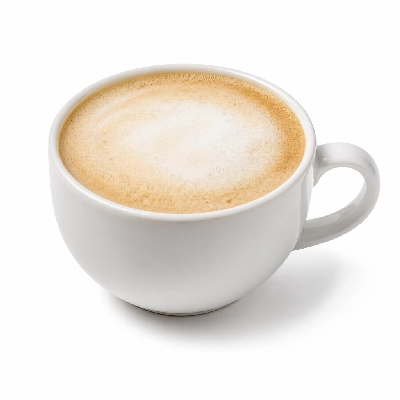
  • Blue Bottle Coffee Cappuccino with Organic Almond Milk, to Stay

    Blue Bottle Coffee Cappuccino with Organic Almond Milk, to StayC

    1 serving80 Cal

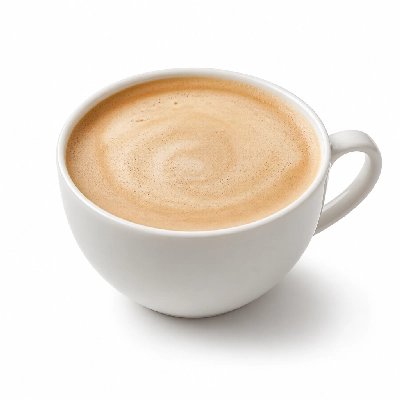
  • Blue Bottle Coffee Caffe Latte with Organic Almond Milk, to Stay

    Blue Bottle Coffee Caffe Latte with Organic Almond Milk, to StayC

    1 serving180 Cal

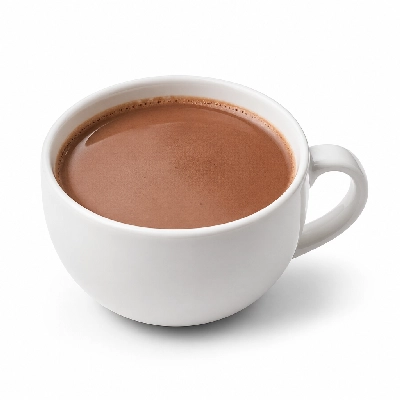
  • Blue Bottle Coffee Hot Chocolate with Organic Almond Milk, to Stay

    Blue Bottle Coffee Hot Chocolate with Organic Almond Milk, to StayD

    1 serving360 Cal

  • Blue Bottle Coffee Caffe Mocha with Organic Almond Milk, to Stay

    Blue Bottle Coffee Caffe Mocha with Organic Almond Milk, to StayD

    1 serving270 Cal

  • Blue Bottle Coffee Avocado

    Blue Bottle Coffee AvocadoA

    1 serving120 Cal

Food Nutrition Comparison

Food Nutrition Comparison
FoodUnitCaloriesCarbsProteinFat
Blue Bottle Coffee Cappuccino with Organic Almond Milk, to StayBlue Bottle Coffee Cappuccino with Organic Almond Milk, to Stay
1 serving80 Cal6 g3 g6 g
Blue Bottle Coffee Caffe Latte with Organic Almond Milk, to Stay
1 serving180 Cal14 g6 g12 g
Blue Bottle Coffee Hot Chocolate with Organic Almond Milk, to Stay
1 serving360 Cal25 g8 g25 g
Blue Bottle Coffee Caffe Latte with Organic Almond Milk, to Stay
Blue Bottle Coffee Hot Chocolate with Organic Almond Milk, to Stay

Related Blogs

Risks of drinking raw milk before pasteurization

Is Raw Milk Safe? Why Pasteurization Has More Benefits Than Drinking Milk Raw.

Mar 2, 2026

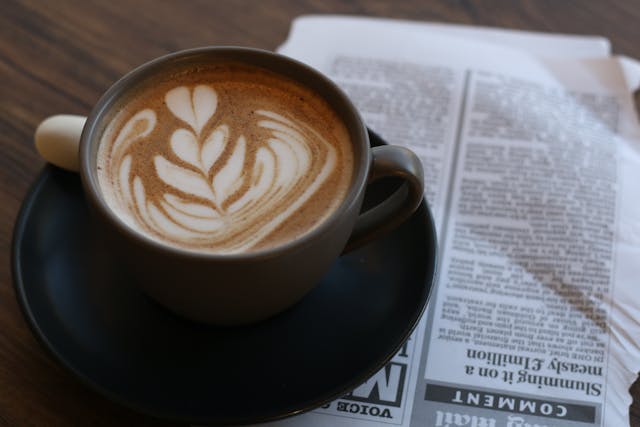
The daily recommended intake for caffeine is 400 mg, which is approximately 4 cups of brewed coffee.

Does Coffee Break a Fast? Can You Drink Coffee While Fasting?

May 20, 2026

bowl of salad representing clean eating

Clean Eating: What Does This Approach Mean?

Nov 14, 2025