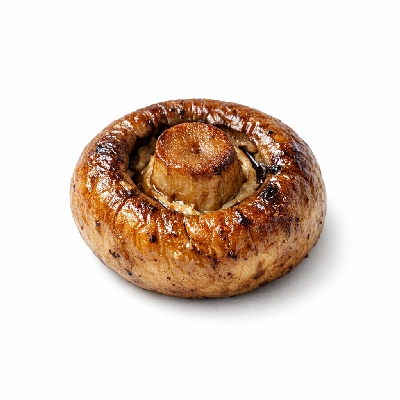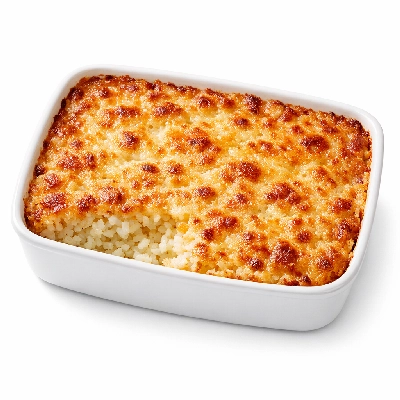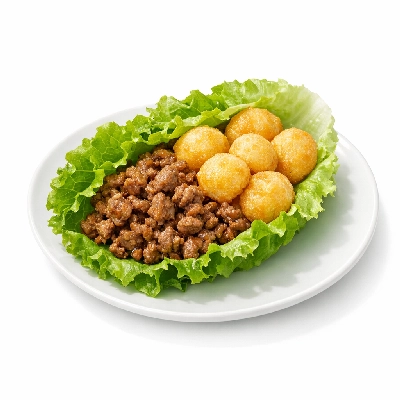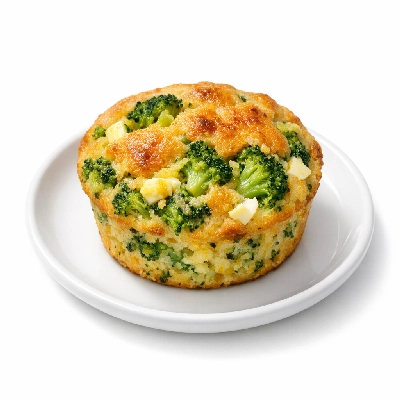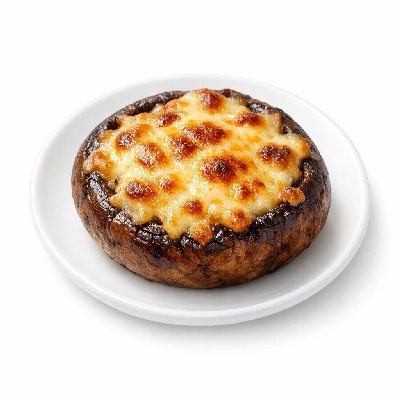
Baked Mushrooms with Cheese
Source of Calories
Nutrition Facts
| Nutrient | Amount | % Daily Value |
|---|---|---|
| Total Carbohydrates | 24.48 g | 9% |
| Net Carbohydrates | 18.83 g | 8% |
| Sugars | 10.78 g | 31% |
| Added Sugars | 0 g | 0% |
| Dietary Fiber | 5.64 g | 20% |
| Protein | 50.45 g | 101% |
| Total Fat | 78.8 g | 101% |
| Saturated Fat | 32.34 g | 162% |
| Monounsaturated Fat | 33.82 g | - |
| Polyunsaturated Fat | 5.07 g | - |
| Trans Fat | 0 g | 0% |
| Cholesterol | 148.5 mg | 49% |
| Vitamins | ||
| Vitamin A | 537.95 mcg | 60% |
| Vitamin C | 22.48 mg | 25% |
| Vitamin D | 1.78 mcg | 9% |
| Minerals | ||
| Sodium | 3336.01 mg | 145% |
| Potassium | 1784.87 mg | 38% |
| Calcium | 1107.71 mg | 85% |
| Magnesium | 92.66 mg | 22% |
| Iron | 3.56 mg | 20% |
| Zinc | 8.2 mg | 75% |
% DV refers to how much a single serving of an individually packaged food or supplement contributes nutritionally to your daily diet, based on a 2,000-calorie-a-day diet. Generally, having 5% DV or less of a nutrient per serving is considered low, and 20% DV or more of a nutrient per serving is considered high.
Fat Composition
The suggested total fat consumption should be limited to 30% of total energy intake or less. The type of fat consumed should primarily be unsaturated fatty acids, with no more than 10% of total energy intake coming from saturated fatty acids (about 200 calories on a 2000-calorie diet) and no more than 1% of total energy intake coming from trans-fatty acids.
Vitamin Coverage
Vitamin A
60%
Vitamin C
25%
Vitamin D
9%
Vitamin E
34%
Vitamin K
122%
Vitamin B1
41%
Vitamin B2
204%
Vitamin B3
114%
Vitamin B5
164%
Vitamin B6
40%
Vitamin B7
158%
Vitamin B9
10%
Vitamin B12
78%
There are 13 essential vitamins required for the body to work properly, which are categorised into two categories: fat-soluble and water-soluble vitamins. Vitamins have a Recommended Dietary Allowance (RDA), provided by the Dietary Reference Intakes (DRIs), which vary by age and sex. The %DV indicates how much one serving contributes to the average recommended daily intake.
Mineral Coverage
Calcium
85%
Iron
20%
Magnesium
22%
Phosphorus
90%
Potassium
38%
Sodium
145%
Zinc
75%
Copper
185%
Manganese
22%
Selenium
164%
Minerals are micronutrients, of which 13 of them are essential to the human body. The Recommended Dietary Allowance includes Calcium (1,300 mg/d), Phosphorus (1,250 mg/d), Potassium (4,700 mg/d), Sodium (2,300 mg/d), Chloride (1,500 mg/d), Magnesium (420 mg/d), Iron (18 mg/d), Zinc (11 mg/d), Copper (0.9 mg/d), Selenium (55 mcg/d), Molybdenum (45 mcg/d), Manganese (2.3 mg/d) and Iodine (150 mcg/d).
Protein Quality
Leucine
99%
Isoleucine
136%
Valine
126%
Lysine
58%
Tryptophan
235%
Threonine
112%
Phenylalanine
140%
Methionine
124%
Histidine
84%
Guidelines recommend a serving of protein with each meal and 1.2-1.6 g of protein per kg of body weight per day.
The data provided by eato.health is for informational purposes only and should not be considered medical advice. Please consult your physician before beginning any diet or nutrition plan.
About
How Long to Burn Off 967 Calories?
*Based on this person: 25-year-old female, 5'7", 144 lbs

Swimming
2 h 22 min

Jogging
2 h 3 min

Cycling
2 h 6 min

Walking
3 h 48 min
The data provided by eato.health is for informational purposes only and should not be considered medical advice. Please consult your physician before beginning any diet or nutrition plan.
📚 Health Research & Evidence About This Food
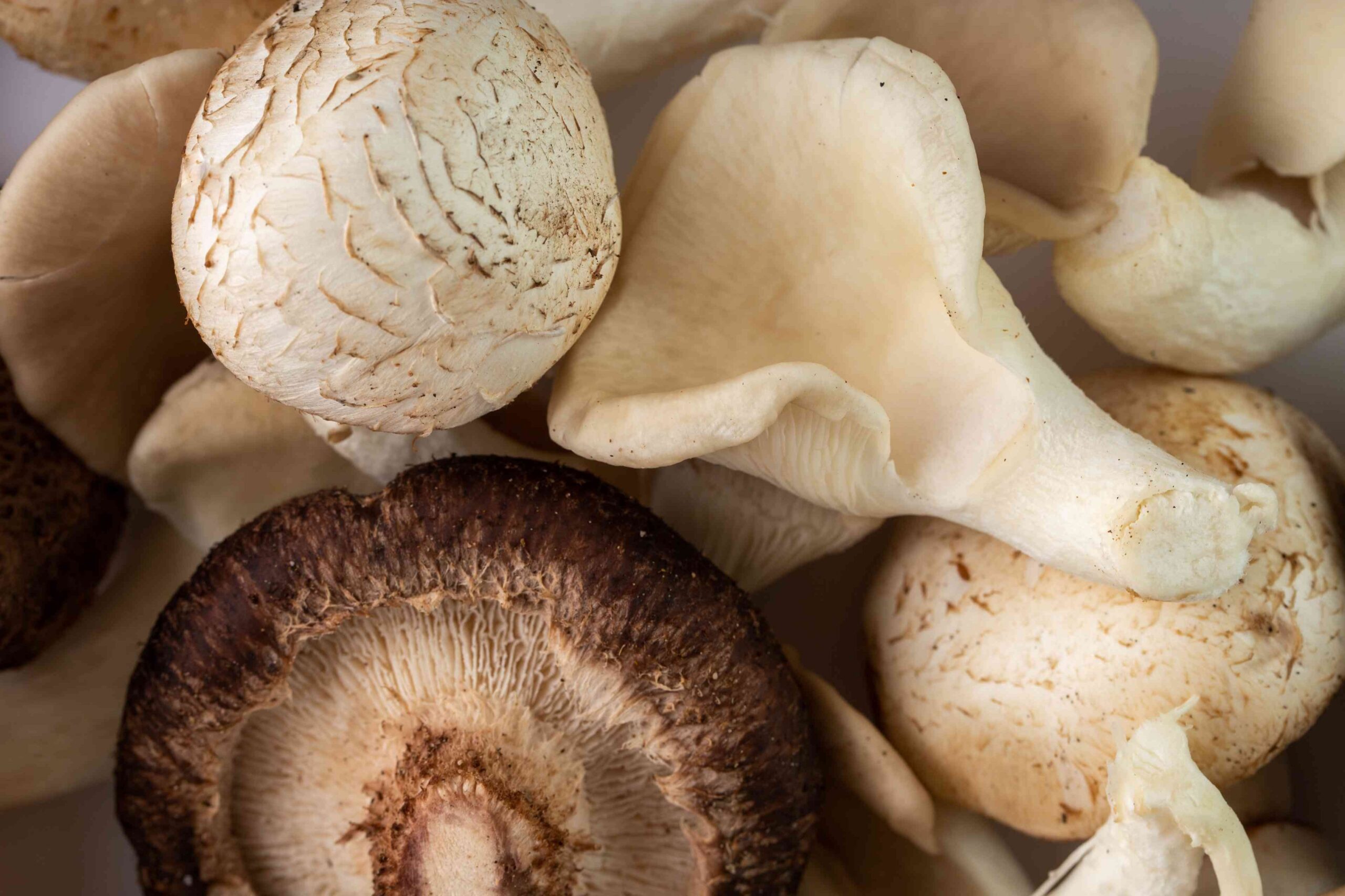
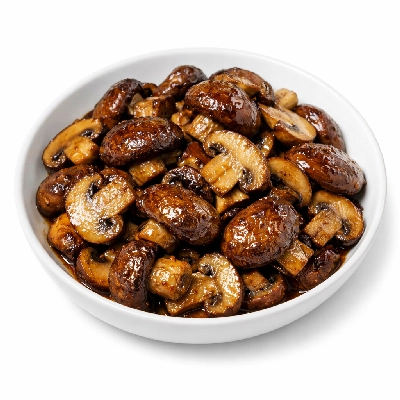
Mushrooms, a primary component of this dish, are recognized for their immune-enhancing and anti-inflammatory properties, with research indicating their ability to modulate inflammatory pathways. They also provide various antioxidants, fiber, and B vitamins, contributing to gut health, energy metabolism, and satiety, as noted by Medical News Today and WebMD; however, the addition of cheese in this baked dish will increase its fat and calorie content.
1. Mushrooms and Immunity - Pubmed
Source: PubMed
Summary: Mushrooms, recognized for centuries in nutraceuticals, are increasingly being studied by scientists to identify specific bioactive compounds and their mechanisms influencing immunity, cancer, and autoimmunity.
Read More: https://pubmed.ncbi.nlm.nih.gov/33276307/
2. Mushrooms: Nutritional Value and Health Benefits
Source: Medical News Today
Summary: Mushrooms provide a range of essential nutrients, including protein, vitamins, minerals, and antioxidants, contributing to various health benefits such as cancer prevention, diabetes management, heart health, and immune support.
3. Anti-Inflammatory Activity of Edible Oyster Mushroom Is Mediated Through the Inhibition of Nf-κB and Ap-1 Signaling.
Source: PubMed
Summary: Edible oyster mushroom exhibits anti-inflammatory activity mediated through the inhibition of NF-κB and AP-1 signaling pathways, contributing to its recognized potency in enhancing immune response.
Read More: https://pubmed.ncbi.nlm.nih.gov/21575254/
4. Health Benefits of Mushrooms
Source: WebMD
Summary: Mushrooms, as nutrient-dense fungi, are low in calories, high in fiber and water, and possess an umami flavor, all of which contribute to satiety and can aid in appetite control and weight management; however, the added cheese significantly increases fat and calories, which moderates the weight-management benefit.
Read More: https://www.webmd.com/diet/health-benefits-mushrooms