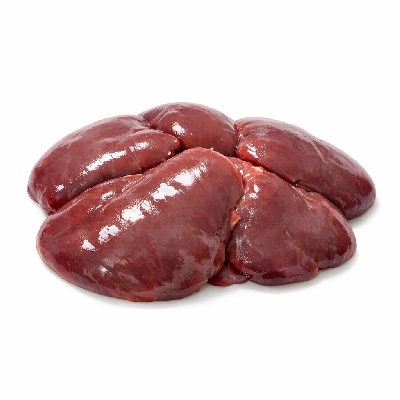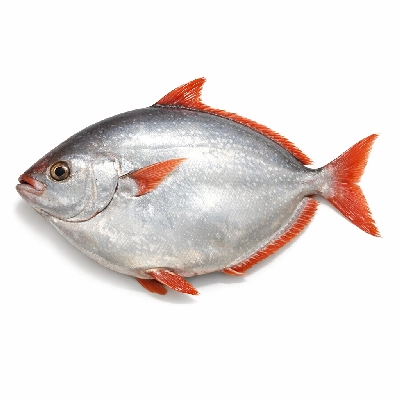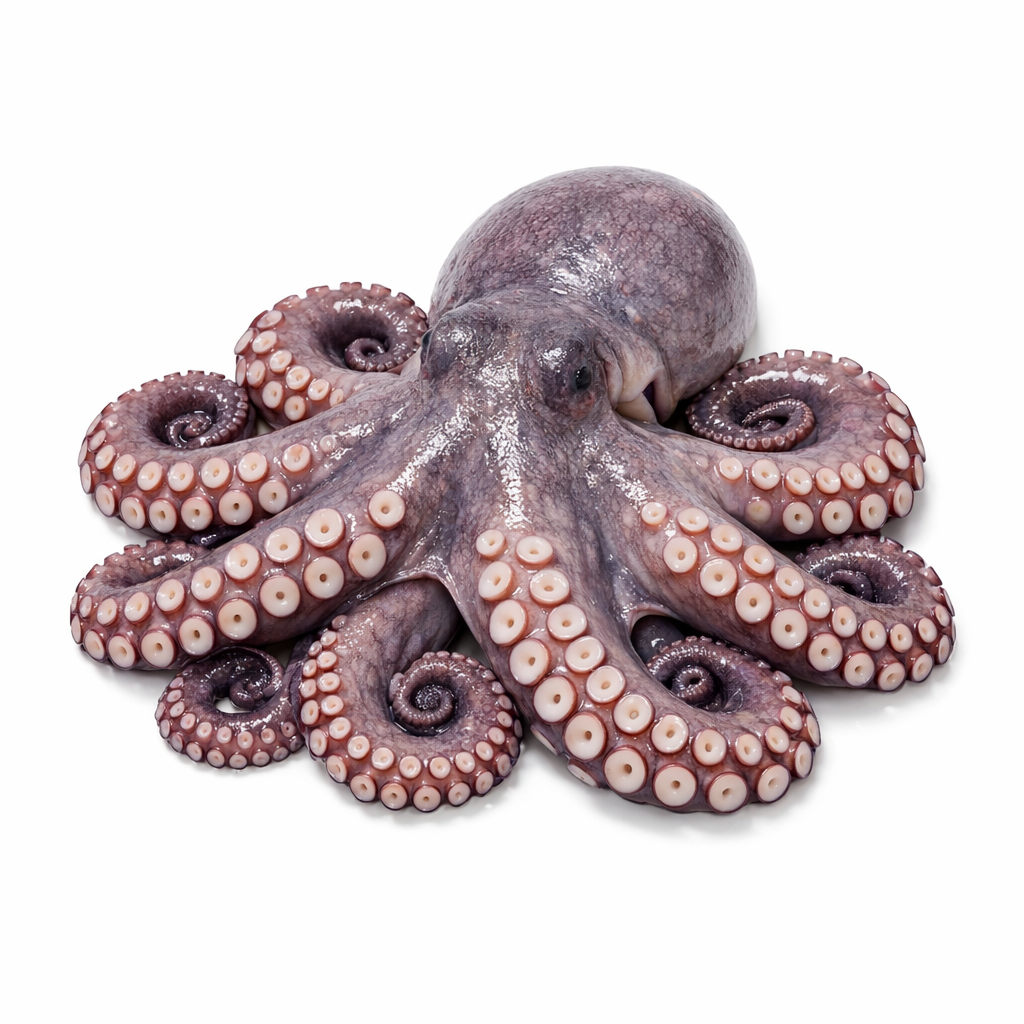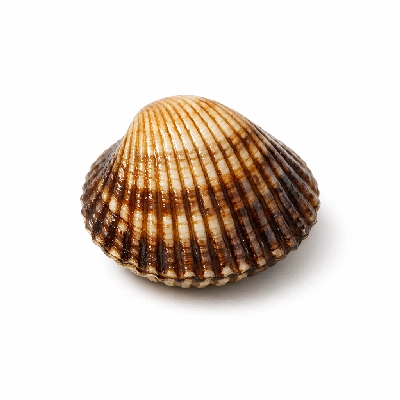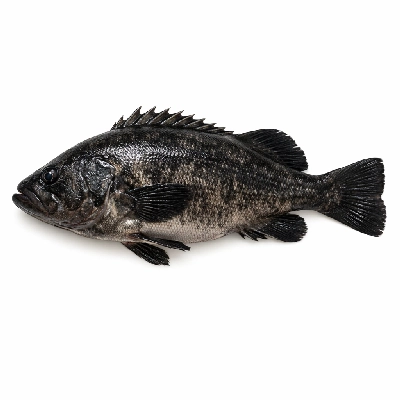
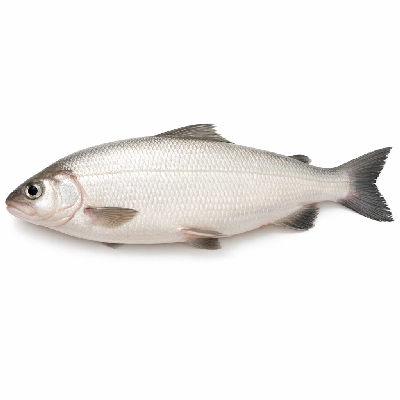
Whole Alaska Native Blackfish
Source of Calories
Nutrition Facts
| Nutrient | Amount | % Daily Value |
|---|---|---|
| Total Carbohydrates | 0 g | 0% |
| Net Carbohydrates | 0 g | 0% |
| Sugars | No data | - |
| Added Sugars | No data | - |
| Dietary Fiber | No data | - |
| Protein | 15.5 g | 31% |
| Total Fat | 1.75 g | 2% |
| Saturated Fat | No data | - |
| Monounsaturated Fat | No data | - |
| Polyunsaturated Fat | No data | - |
| Trans Fat | No data | - |
| Cholesterol | No data | - |
| Vitamins | ||
| Vitamin A | 360.6 mcg | 40% |
| Vitamin C | No data | - |
| Vitamin D | No data | - |
| Minerals | ||
| Sodium | No data | - |
| Potassium | No data | - |
| Calcium | 236 mg | 18% |
| Magnesium | No data | - |
| Iron | 4.6 mg | 26% |
| Zinc | No data | - |
% DV refers to how much a single serving of an individually packaged food or supplement contributes nutritionally to your daily diet, based on a 2,000-calorie-a-day diet. Generally, having 5% DV or less of a nutrient per serving is considered low, and 20% DV or more of a nutrient per serving is considered high.
Vitamin Coverage
Vitamin A
40%
Vitamin C
-
Vitamin D
-
Vitamin E
-
Vitamin K
-
Vitamin B1
0.8%
Vitamin B2
28%
Vitamin B3
12%
Vitamin B5
-
Vitamin B6
-
Vitamin B7
-
Vitamin B9
-
Vitamin B12
-
There are 13 essential vitamins required for the body to work properly, which are categorised into two categories: fat-soluble and water-soluble vitamins. Vitamins have a Recommended Dietary Allowance (RDA), provided by the Dietary Reference Intakes (DRIs), which vary by age and sex. The %DV indicates how much one serving contributes to the average recommended daily intake.
Mineral Coverage
Calcium
18%
Iron
26%
Magnesium
-
Phosphorus
23%
Potassium
-
Sodium
-
Zinc
-
Copper
-
Manganese
-
Selenium
-
Minerals are micronutrients, of which 13 of them are essential to the human body. The Recommended Dietary Allowance includes Calcium (1,300 mg/d), Phosphorus (1,250 mg/d), Potassium (4,700 mg/d), Sodium (2,300 mg/d), Chloride (1,500 mg/d), Magnesium (420 mg/d), Iron (18 mg/d), Zinc (11 mg/d), Copper (0.9 mg/d), Selenium (55 mcg/d), Molybdenum (45 mcg/d), Manganese (2.3 mg/d) and Iodine (150 mcg/d).
The data provided by eato.health is for informational purposes only and should not be considered medical advice. Please consult your physician before beginning any diet or nutrition plan.
About
How Long to Burn Off 82 Calories?
*Based on this person: 25-year-old female, 5'7", 144 lbs

Swimming
12 min

Jogging
11 min

Cycling
11 min

Walking
20 min
The data provided by eato.health is for informational purposes only and should not be considered medical advice. Please consult your physician before beginning any diet or nutrition plan.
📚 Health Research & Evidence About This Food
Blackfish, as a type of fish, is widely recognized for its potential role in cardiovascular disease prevention. Observational evidence suggests that fish consumption may contribute to heart health due to its lipid profile, according to PubMed. However, research also demonstrates that sentinel fish populations can be affected by environmental pollutants, posing potential health risks for those who consume them.
1. Farmed and Wild Fish in the Prevention of Cardiovascular Diseases: Assessing Possible Differences in Lipid Nutritional Values.
Source: PubMed
Summary: Fish blackfish, as a type of fish, is recommended for the prevention of cardiovascular and other diseases, with research assessing potential differences in lipid nutritional values between farmed and wild varieties.
Read More: https://pubmed.ncbi.nlm.nih.gov/15053162/
2. Endocrine Disruption and Differential Gene Expression in Sentinel Fish on St. Lawrence Island, Alaska: Health Implications for Indigenous Residents.
Source: PubMed
Summary: Fish blackfish, as a type of sentinel fish, can be affected by persistent organic pollutants like polychlorinated biphenyls, leading to endocrine disruption and differential gene expression with health implications for indigenous residents.
Read More: https://pubmed.ncbi.nlm.nih.gov/29182972/