For many women, menopause can create high levels of stress, anxiety, and even confusion. Due to the wide list of symptoms that women can face, like unexplained weight gain to irregular periods, and the extended period of time in which they can experience symptoms, perimenopause and menopause can be a daunting stage of life. The Galveston diet aims to address the hormonal changes and weight fluctuations, but what is the Galveston diet, and does it really work? Here’s the science behind it.
Key Takeaways
- The Galveston Diet was created specifically for perimenopausal and menopausal women to address hormone driven weight gain, insulin resistance, and chronic inflammation.
- It is built around three core pillars: time restricted intermittent fasting, anti inflammatory whole foods, and shifting the body’s primary fuel source from carbohydrates to fats.
- While elements of the Galveston Diet are supported by existing research, especially intermittent fasting, it lacks large clinical trials.
What Is the Galveston Diet?
The Galveston diet is an anti-inflammatory, low-carbohydrate and high fat and protein diet meant to reverse the effects of perimenopause and menopause. This diet was created by Dr. Mary Claire Haver, an OB GYN who specializes in menopausal women’s health, specifically for perimenopausal and menopausal women [1].

Dr. Haver developed the Galveston diet after experiencing perimenopausal symptoms herself, after realizing that her weight gain became harder to control, and the traditional advice she gave to patients didn’t work. Despite her efforts to cut calories and intensify her exercise habits to burn calories, she was unable to maintain or lose weight due to the intense hormonal changes she faced. Therefore, by developing a diet that focuses on hormonal shifts resulting in menopausal weight gain and inflammation, the Galveston diet is a nutritional approach to perimenopausal and menopausal women’s health.
Perimenopause and Menopause Symptoms
Perimenopause occurs before menopause, and although you may have menopausal symptoms, perimenopause can occur for years before menopause. However, both perimenopause and menopause present with very similar symptoms, so if you are unsure of your diagnosis, it is best to consult a doctor for professional advice for your overall health.

Perimenopausal and menopausal symptoms [2]:
- irregular periods
- spotting
- missing menstrual periods
- hot flashes
- vaginal dryness
- low libido
- night sweats
- needing to pee more frequently
- insomnia
- menopausal weight gain
- abdominal weight gain
- increase in body fat
How Does the Galveston Diet Work?
The Galveston diet consists of 3 components: intermittent fasting, anti-inflammatory foods, and fuel refocus meant to make your peri menopause transition, symptoms of menopause, and overall health emulate a healthy lifestyle.
Step 1: Intermittent fasting
In the Galveston diet, the first step to starting is intermittent fasting, which is an eating period that alternates between eating and periods of fasting. As one of the subsets in intermittent fasting, the Galveston diet emphasizes time-restricted eating.
Time Restricted Eating
Time-restricted eating, TRE for short, is where a set time window dictates when the day’s calories are consumed, in the Galveston diet. Beyond this window, no calories are consumed, and individuals can only drink liquids that do not break their fast. Due to the fasting period, individuals who are on time-restricted eating end up eating fewer calories, resulting in a calorie deficit.
Out of all TRE schedules, the one that is the most commonly used is the 16:8 model, due to the alignment with the body’s natural circadian rhythm [3]. In the 16:8 fasting schedule, for the Galveston diet, your eating patterns are as follows:
- Eating and drinking calories are limited to an 8 hour window, for example between 12:00 p.m. and 8:00 p.m where you eat 2 meals
- Fasting lasts for the remaining 16 hours
| Mechanism in Fasting | What happens in the body [3] |
|---|---|
| Reduces eating window | Lower overall calorie intake |
| Lowers insulin levels | Increased use of stored fat |
| Autophagy | Removal of damaged cellular components |
| Increases growth hormone | Enhanced fat loss and muscle preservation |
Step 2: Anti-inflammatory foods
Consuming whole foods is anti-inflammatory, and is also one of the cornerstones of the Galveston diet.

Acute inflammation is the body’s natural defense and how the body protects itself from injury, infection, or harmful stimuli, through the changes of capillary dilation and leukocyte infiltration [4]. However, if the harmful stimuli (like lifestyle factors) persist, or if the inflammation response does not stop, it might result in a form of low-grade, indolent chronic inflammation. Over time, this chronic inflammation can lead to several major health conditions and health risks, including:
- Diabetes mellitus, where inflammation contributes to insulin resistance
- Coronary artery disease, where inflammation damages blood vessels and promotes plaque formation
- Asthma, where chronic airway inflammation leads to breathing difficulty
Therefore, the Galveston diet promotes consuming anti-inflammatory foods that fight inflammation, and it aims to reduce the likelihood of chronic inflammation developing over time.
Step 3: Fuel refocus
The “Fuel Refocus” aspect of the Galveston diet aims to shift the body’s main energy source from carbohydrates towards fats, which is similar to a modified Atkins diet, keto diet, or carnivore diet.
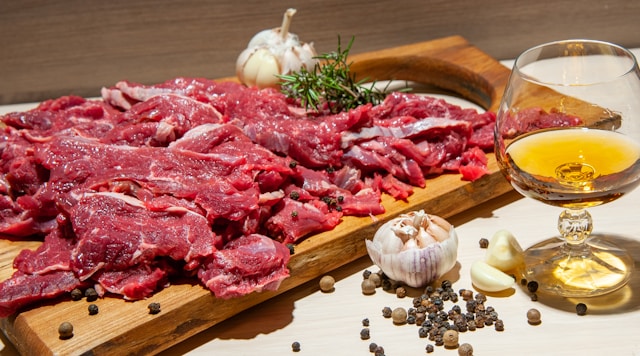
Under the Galveston Diet, the recommended macronutrient split is approximately:
- 70 percent of daily calories from fat
- 20 percent from lean protein
- 10 percent from carbohydrates
Instead of having frequent blood sugar spikes from a carbohydrate food source, the Galveston diet focuses on using fat as the energy source, as many women on the Galveston diet likely have decreased insulin sensitivity. This means that the Galveston diet in carbohydrates can contribute to weight gain and inflammation.
Benefits of the Galveston Diet
Due to the Galveston diet heavily relying on intermittent fasting as a cornerstone of the diet, the benefits [3] mirrors that of an intermittent fasting diet:
- Decrease in inflammation
- Strengthens immunity
- Protects brain health
- Positively impacts the cardiovascular system
- Delays aging
- Eliminates insulin resistance
- Potentially prevent cancer
- Fat loss
- Weight loss
These benefits mainly occur due to the decrease in insulin levels, ketone bodies forming, the autophagy process, reduced oxidative stress leading to a better circadian rhythm, and gut microbiota.
Dangers of the Galveston Diet
Before you try the Galveston Diet, take note of the potential dangers that may come with starting a restrictive diet.
- Disordered eating, especially if you have a history of eating disorders, obsessive thoughts or behaviors around food, body weight, and body shape [5].
- Low fibre diet can result in the following: abdominal distension, pain, nausea, vomiting, and abdominal discomfort [6].
Consult a healthcare professional before starting the Galveston diet.
What Can You Eat on the Galveston Diet?
Foods that are recommended in the Galveston diet for their health benefits are whole foods, high-fat, low-carb, antioxidant-rich, and anti-inflammatory foods.
They aim to:
- Reduce inflammation
- Stabilise blood sugar and insulin
- Increase anti-inflammatory foods, reduce processed foods
- Increase antioxidants and plant polyphenols
- Improve gut health
1. Fruits and vegetables
Leafy greens are naturally low in calories and rich in vitamins, minerals, and phytonutrients, which are all benefits that the Galveston diet advocates for.
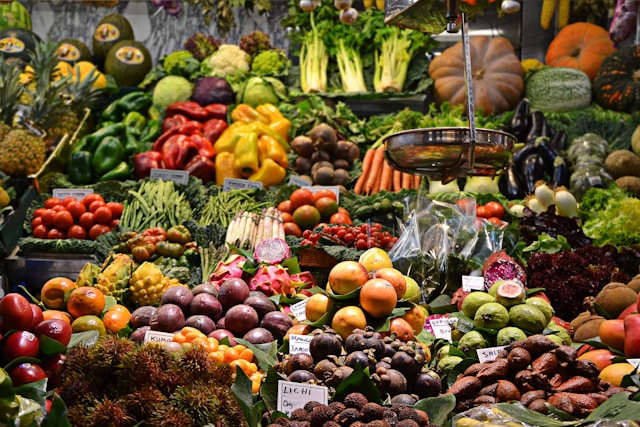
In particular, fruits and vegetables like leafy greens contain polyphenols, plant-based compounds responsible for their color and many of their health benefits [7]. Polyphenols help neutralize free radicals, reduce inflammation, activate Nrf2, a key cellular pathway involved in antioxidant defense and phase 2 detoxification, and help dampen inflammatory responses in the body.
Vegetables, fruits, and whole foods should be eaten in the Galveston diet:
- In large volumes
- With every meal
- In a wide variety of colors and types
2. Protein
Include both plant-based proteins like soy legumes (edamame, tempeh, and tofu) as well as animal-based proteins (healthy fats) in the Galveston diet. However, when it comes to animal-based proteins, there is an emphasis on fresh water, fatty fish that are high in omega-3 fatty acids, and healthy fats:
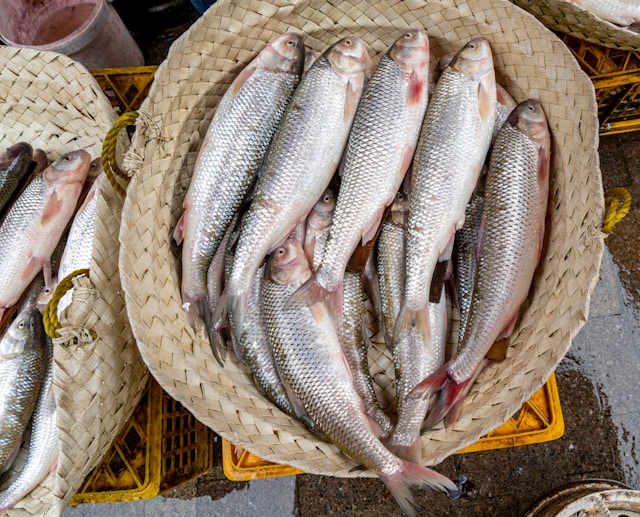
- Salmon
- Mackerel
- Halibut
- Sardines
- Herring
It would be preferred if they were wild-caught, rather than farmed fish, as they have higher levels of healthy fats. However, another aspect to take note of is the cooking temperature, as high temperatures can form heterocyclic amines, polycyclic aromatic hydrocarbons, and advanced glycation end products, all of which are pro-inflammatory.
3. Whole grains and carbohydrates
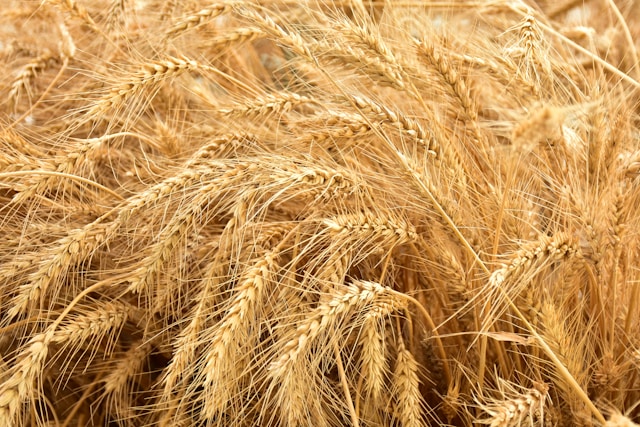
Although the Galveston diet is primarily focused on being low-carb, it does not eliminate carbohydrates like whole grains. Instead, the Galveston diet focuses on whole grains that have a low glycemic index. Specifically, choosing whole grains that have all these parts retained: bran, germ, and endosperm.
4. Drink tea
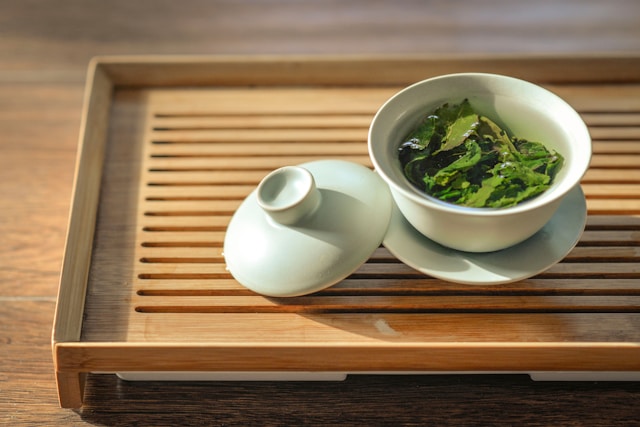
Green tea and white tea are two of the best beverages you can consume for anti-inflammatory benefits. Camellia sinensis, when boiled, releases antioxidants and polyphenols that reduce systemic inflammation. Compared to coffee, even black tea has more benefits due to the phytonutrient content.
5. Season your food with spices
Anti-inflammatory foods don’t have to be bland; in fact, some seasoning might just boost their anti-inflammatory effects.
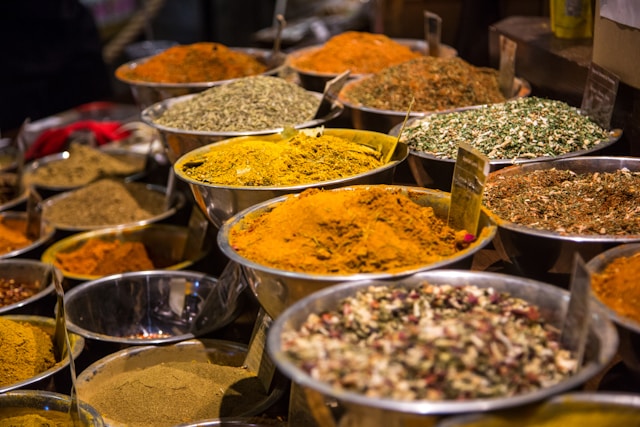
For instance, ginger and turmeric are the most studied, and they inhibit pro-inflammatory cytokines such as IL 2, TNF-alpha, and IL 8, and also reduce leukotriene and prostaglandin synthesis [8]. Additionally, other common spices like garlic, cayenne, and oregano have anti-inflammatory properties and should be added to food while preparing meals.
Foods to Avoid on the Galveston Diet
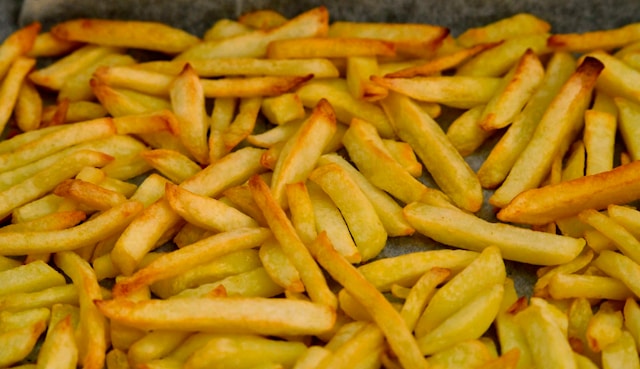
- Most processed foods
- Fried foods
- Processed foods or ultra-processed foods
- Inflammatory foods
- Vegetable oils
- High fructose corn syrup
- Unhealthy foods
Does the Galveston Diet Work?
At the moment, the Galveston diet has not been tested in large, peer-reviewed clinical trials, so there is no direct scientific evidence that the Galveston diet works better than other diets. That being said, aspects of the Galveston diet, like intermittent fasting, have already been supported by existing research, which might reduce inflammation and help lose weight as a whole.
However, before making any drastic changes to your diet, eating habits, or eating plan, or starting the Galveston diet, consult your primary healthcare provider or registered dietician.
The Eato app can help you in multiple facets of your health, including tracking nutrition, planning meals, and calculating your daily calorie intake so that you can effectively achieve your health goals safely. Try it today for free!

Smarter Nutrition Tracking
Track calories and over 100 other nutrients all in one place.
Download Eato For Free