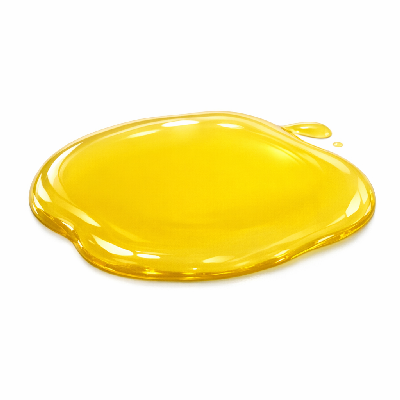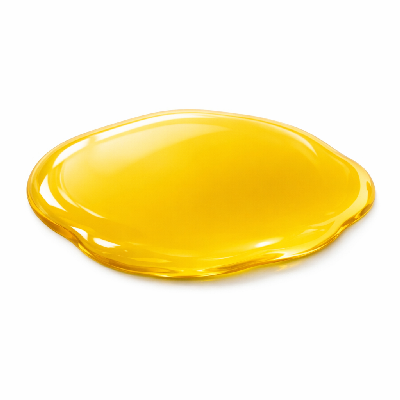
Enova, Oil, Cooking and Salad, 80% Diglycerides
Source of Calories
Nutrition Facts
| Nutrient | Amount | % Daily Value |
|---|---|---|
| Total Carbohydrates | 0 g | 0% |
| Net Carbohydrates | 0 g | 0% |
| Sugars | No data | - |
| Added Sugars | No data | - |
| Dietary Fiber | No data | - |
| Protein | 0 g | 0% |
| Total Fat | 14 g | 18% |
| Saturated Fat | 0.65 g | 3% |
| Monounsaturated Fat | 5.18 g | - |
| Polyunsaturated Fat | 7.47 g | - |
| Trans Fat | 0.25 g | 100% |
| Cholesterol | No data | - |
| Vitamins | ||
| Vitamin A | No data | - |
| Vitamin C | No data | - |
| Vitamin D | No data | - |
| Minerals | ||
| Sodium | 0 mg | 0% |
| Potassium | No data | - |
| Calcium | No data | - |
| Magnesium | No data | - |
| Iron | No data | - |
| Zinc | No data | - |
% DV refers to how much a single serving of an individually packaged food or supplement contributes nutritionally to your daily diet, based on a 2,000-calorie-a-day diet. Generally, having 5% DV or less of a nutrient per serving is considered low, and 20% DV or more of a nutrient per serving is considered high.
Fat Composition
The suggested total fat consumption should be limited to 30% of total energy intake or less. The type of fat consumed should primarily be unsaturated fatty acids, with no more than 10% of total energy intake coming from saturated fatty acids (about 200 calories on a 2000-calorie diet) and no more than 1% of total energy intake coming from trans-fatty acids.
Vitamin Coverage
Vitamin A
-
Vitamin C
-
Vitamin D
-
Vitamin E
20%
Vitamin K
-
Vitamin B1
-
Vitamin B2
-
Vitamin B3
-
Vitamin B5
-
Vitamin B6
-
Vitamin B7
-
Vitamin B9
-
Vitamin B12
-
There are 13 essential vitamins required for the body to work properly, which are categorised into two categories: fat-soluble and water-soluble vitamins. Vitamins have a Recommended Dietary Allowance (RDA), provided by the Dietary Reference Intakes (DRIs), which vary by age and sex. The %DV indicates how much one serving contributes to the average recommended daily intake.
Mineral Coverage
Calcium
-
Iron
-
Magnesium
-
Phosphorus
-
Potassium
-
Sodium
0%
Zinc
-
Copper
-
Manganese
-
Selenium
-
Minerals are micronutrients, of which 13 of them are essential to the human body. The Recommended Dietary Allowance includes Calcium (1,300 mg/d), Phosphorus (1,250 mg/d), Potassium (4,700 mg/d), Sodium (2,300 mg/d), Chloride (1,500 mg/d), Magnesium (420 mg/d), Iron (18 mg/d), Zinc (11 mg/d), Copper (0.9 mg/d), Selenium (55 mcg/d), Molybdenum (45 mcg/d), Manganese (2.3 mg/d) and Iodine (150 mcg/d).
The data provided by eato.health is for informational purposes only and should not be considered medical advice. Please consult your physician before beginning any diet or nutrition plan.
About
How Long to Burn Off 124 Calories?
*Based on this person: 25-year-old female, 5'7", 144 lbs

Swimming
19 min

Jogging
16 min

Cycling
17 min

Walking
30 min
The data provided by eato.health is for informational purposes only and should not be considered medical advice. Please consult your physician before beginning any diet or nutrition plan.
FAQ
Enova cooking and salad oil contains calories (124), total fat (14 g), saturated fat (0.65 g), monounsaturated fat (5.18 g), polyunsaturated fat (7.47 g), trans fat (0.25 g), total carbohydrates (0 g), protein (0 g), and sodium (0 mg). The low saturated fat and higher unsaturated fat profile are positives for cholesterol, but it also has high trans fat, which is not good for heart health.
The oil has calories (124), total fat (14 g), saturated fat (0.65 g), monounsaturated fat (5.18 g), polyunsaturated fat (7.47 g), trans fat (0.25 g), total carbohydrates (0 g), and protein (0 g), which may not be beneficial for weight loss/
Yes, it has no carbohydrates and does not directly raise blood sugar the way starchy or sugary foods do.
📚 Health Research & Evidence About This Food
Cooking and salad oils, including varieties like canola, soybean, and sunflower, are primarily composed of unsaturated fats and are not considered toxic or disease-promoting, according to Harvard Health, which debunks common misinformation about these plant-derived oils. Specific types, such as diacylglycerol (DAG) edible oils, are undergoing multicenter, prospective, double-blind, randomized controlled clinical trials to assess their efficacy and safety in patients with chronic metabolic syndrome and asymptomatic hyperuricemia. Research further indicates that observed reductions in body fat accumulation attributed to dietary DAG oil are not due to differences in its energy content or digestibility compared to conventional oils, suggesting the beneficial effects stem from distinct metabolic pathways.
1. The Effects of Diacylglycerol Edible Oil Intervention in Patients With Chronic Metabolic Syndrome Combined With Asymptomatic Hyperuricemia: Study Protocol for a Multicenter, Prospective, Double-Blind, Randomized Controlled Trial.
Source: PubMed, 2024
Summary: A multicenter, prospective, double-blind, randomized controlled clinical trial is designed to assess the efficacy and safety of diacylglycerol (DAG) edible oil in patients with chronic metabolic syndrome and asymptomatic hyperuricemia, measuring changes in serum uric acid levels as its primary objective.
Read More: https://pubmed.ncbi.nlm.nih.gov/39806511/
2. Seeding Doubt: The Truth About Cooking Oils - Harvard Health
Source: Harvard Health, 2025
Summary: Cooking and salad oils, including canola, soybean, and sunflower oils, are primarily composed of unsaturated fats and are not toxic or disease-promoting as often falsely claimed.
Read More: https://www.health.harvard.edu/heart-health/seeding-doubt-the-truth-about-cooking-oils
3. Briefing Paper: Culinary Oils and Their Health Effects
Source: Wiley Online Library
Summary: Culinary oils are primarily derived from oilseeds, with their production, processing, and consumption patterns significantly impacting nutrition and health within the UK diet.
Read More: https://onlinelibrary.wiley.com/doi/full/10.1111/j.1467-3010.2008.01738.x
4. Energy Value and Digestibility of Dietary Oil Containing Mainly 1,3-Diacylglycerol Are Similar to Those of Triacylglycerol.
Source: PubMed
Summary: The observed reduction in body fat accumulation attributed to dietary 1,3-diacylglycerol (DAG) oil is not due to differences in its energy content or digestibility compared to conventional triacylglycerol (TAG) oil.
Read More: https://pubmed.ncbi.nlm.nih.gov/11383689/