Sunflower oil is one of the most popular cooking oils in the world, both in home cooking and professional kitchens. It is a staple in diets like the paleo diet, carnivore diet, and even the Modified Atkins Diet. It has a neutral flavor that has a high smoke point, which makes high-heat cooking easier, compared to other oils. Sunflower oil production contributes about 87% of the vegetable oil production, with the rest being soybean and rapeseed, and other minor oilseed crops [1]. Comparatively, sunflowers are one of the most recognized major sources of high-quality edible oil for culinary purposes, originating from North America. Today, many discussions on sunflower oil and its uses, health benefits, and risks pose the question, “Is sunflower oil bad for you?” or is that just another myth perpetuated through time?
Key Takeaways
- Sunflower oil is widely used because of its neutral taste and high smoke point, making it suitable for high heat cooking in home and professional kitchens.
- Sunflower oil contains beneficial compounds such as vitamin E, phytosterols, carotenoids, and tocopherols, which support antioxidant activity, immune function, and cholesterol management.
- Nutritionally, sunflower oil is made up mostly of fats, with high oleic versions rich in monounsaturated fat and regular versions high in omega 6 polyunsaturated fat.
- Repeated heating or deep frying sunflower oil significantly increases health risks, including the formation of genotoxic compounds, carcinogenic PAHs, and oxidized fats that may damage DNA and liver cells.
- Sunflower oil is not inherently bad, but its health impact depends heavily on the type used, how it is cooked, and overall dietary balance, with fresh, minimally heated use being far safer than repeated high temperature frying.
Nutrition Facts of Sunflower Oil
| Fat type | High oleic sunflower oil per tbsp (g)[2] | High oleic percent | Regular sunflower oil per tbsp estimated (g) [1] | Regular sunflower oil percent |
|---|---|---|---|---|
| Saturated fat | 1.36 g | about 9.7 percent | about 1.54 g | 11 percent |
| Mono-unsaturated fat | 11.7 g | about 83.6 percent | about 4.2 g | 30 percent |
| Polyunsaturated fat | 0.53 g | about 3.8 percent | about 8.26 g | 59 percent |
| Total fat | 14 g | 100 percent | 14 g | 100 percent |
Other than saturated fats, monounsaturated fats, and polyunsaturated fats, sunflower oil also contains mineral elements and phytochemicals such as
- dietary fiber
- manganese
- vitamins
- tocopherols
- phytosterols
- triterpene glycosides
- α-tocopherol
- glutathione reductase
- flavonoids
- phenolic acids
- carotenoids
- peptides
- chlorogenic acid
- caffeic acid
- alkaloids
- tannins
- saponins.
6 Potential Health Benefits of Sunflower Oil
Is sunflower oil bad for you or healthy? Well, compared to other seed oils, the benefits of sunflower oil have been thoroughly researched [1], and the evidence suggests that generally, sunflower seed oil is recommended for potential health benefits.
- Sunflower extract can potentially be antimicrobial, anti-inflammatory, antitumor, and antioxidant that protects cells from reactive oxygen molecules and pathogenic microorganisms.
- Sunflower oil may control blood pressure and diabetes, protect skin, lower cholesterol, and maintain healthier low-density lipoprotein (LDL).
- Sunflower oil can also help with the management of acne, arthritis, and hair damage.
- Sunflower oil naturally contains vitamin E, carotenoids, waxes, lecithin, tocopherols, and key fatty acids such as oleic, linoleic, palmitic, and stearic acids [1].
The sunflower oil containing essential vitamin E is beneficial in lowering atherosclerosis, artery disease, and stroke. Magnesium is also an important element required for the proper functioning of the body’s nerves and muscles. The principal fatty acids component of sunflower oil include high oleic, stearic, high linoleic, and palmitic acid. Also, sunflower oil contains carotenoids, waxes, lecithin, and tocopherols [1].
| Key nutrient or compound | What it does | Related health benefits |
|---|---|---|
| Phytosterols | Compete with cholesterol during absorption and support immune functions | Lower LDL and total cholesterol, improved immune response, and possible reduction in certain cancer risks |
| Tocopherols (vitamin E in sunflower oil) | Protect cells from oxidative damage | Lower cholesterol, support cardiovascular health |
| Selenium | Supports DNA repair and helps regulate damaged or abnormal cells | Slows cancer cell growth and promotes apoptosis, strengthening immune protection |
| Vitamin E from sunflower seeds | Acts as a strong antioxidant | Reduced risk of colon, bladder, and prostate cancers |
1. Heart and cardiovascular health

Sunflower oil is made with sunflower seeds, which are rich in Vitamin E and magnesium. Vitamin E and magnesium are fat-soluble antioxidants that can neutralize the free radicals in the human body, which may attack cholesterol and the brain, cells, and cell membranes, and reduce the risk of heart attacks.
The consumption of vitamin E and magnesium is also associated with a reduction of risk of atherosclerosis, lower blood pressure, rheumatoid arthritis, asthma, osteoarthritis, colon cancer, diabetes, sudden heat sensation in women at menopause, high blood pressure, stroke, heart attack, cardiovascular disease, and migraine headaches.
Additionally, studies have also shown [1] that a lower risk of having a heart attack is associated with those who consume more vitamin E than those who do not. Similarly, having inadequate magnesium can also be linked to painful muscle spasms, high blood pressure, fatigue, soreness, and migraine headaches.
2. Linoleic acid and fatty acid health benefits
An ounce of sunflower seeds used to make sunflower cooking oil contains about 14g of fat (163 calories), which includes a good source of mono-unsaturated and poly-unsaturated fatty acids [1].
These healthy fats may contribute to removing plaque buildup in blood vessels, which can form low-density lipoproteins that strokes and heart attacks can be attributed to. Additionally, the linoleic acid lowers dangerous compounds within the sunflower seeds as it is a healthy fatty acid and antioxidant, which has successfully prevented many infectious diseases as well as cancer [1].
3. Brain and nerve health
The sunflower oil containing essential vitamin E is beneficial in lowering atherosclerosis, artery disease, and stroke. Magnesium is also an important element required for the proper functioning of the body’s nerves and muscles, and the prevention of any oxidative damage to brain cells.
4. Antioxidant effects
Antioxidants functionally protect the human body’s cells from the damage caused by reactive oxygen species. Additionally, they also reduce the risk of developing severe autoimmune diseases such as cataracts, carcinoma, reduce inflammation, atherosclerosis, cardiovascular disease, neurodegenerative diseases, and premature aging [1].
5. Anticancer and immune benefits
Not only that, sunflower seeds are a great source of selenium, a trace element fundamental to improving the human immune system against potentially cancerous cells.
Here is what selenium can do when ingested through sunflower oil [1]:
- Strengthen immunity against cancer cells
- Repair DNA and DNA production, especially in cells that have been previously damaged or are degenerating
- Inhibit the growth of cancer cells
- Trigger apoptosis, which is the body’s response to remove unwanted or worn-out cells
Similarly, a different study has also noted that a quarter cup of sunflower seeds contains 90% of the daily vitamin E requirement [3]. Consuming vitamin E regularly has been shown to successfully reduce the risk of colon cancer, bladder cancer, and prostate cancer.
6. Anti-cholesterol benefits
Sunflower seeds contain phytosterols, which are plant compounds similar to the compound present in the human body, cholesterol. Due to the similarity in their chemical structure, cholesterol is being “boxed out”, or is competing with phytosterols for absorption in the body [1]. This competition between these two sterols results in lower levels of total cholesterol and LDL cholesterol in the bloodstream. In turn, this can:
- Lower blood cholesterol levels
- Improve immune responses
- Reduce risk factors for certain diseases
General Health Risks of Sunflower Oil
Although sunflower oil is generally safe to use, overconsumption or unsafe product use can lead to risks in consumption. For instance, reusing the oils or cooking with excessive heat can result in the oxidation of sunflower oil, which can lead to toxic byproducts linked to diseases.
| Specific risk | Evidence from the studies [4] |
|---|---|
| Intake of genotoxic compounds from reheated cooking oil | Repeated heating forms oxidized derivatives, polymers, dimers, cyclic compounds, and mutagenic fats |
| Exposure to carcinogenic PAHs | Reused cooking oils generate PAHs that are linked to increased cancer susceptibility |
| Omega-6 PUFAs can drive inflammation, oxidative stress, and atherogenesis | Excess linoleic acid has promoted tumor growth in animals |
| Liver toxicity from oxidized sunflower oil | Oxidized sunflower cooking oil is hepatotoxic and may induce cancer |
| Pathological effects from thermal decomposition products | Repeated deep frying creates toxic byproducts linked to disease |
| Pro-inflammatory and pro-oxidative effects of high PUFA intake | Omega 6 PUFAs can drive inflammation, oxidative stress, and atherogenesis |
4 Negative Health Effects of Sunflower Oil
Is sunflower oil bad for you? Well, maybe. Here’s why.
1. Ingesting toxic compounds when sunflower oil is reheated
When sunflower oil is boiled or reheated repeatedly, the structure of its fatty acids begins to break apart [4]. This breakdown produces a range of harmful substances known as genotoxic moieties, which are compounds capable of damaging DNA.
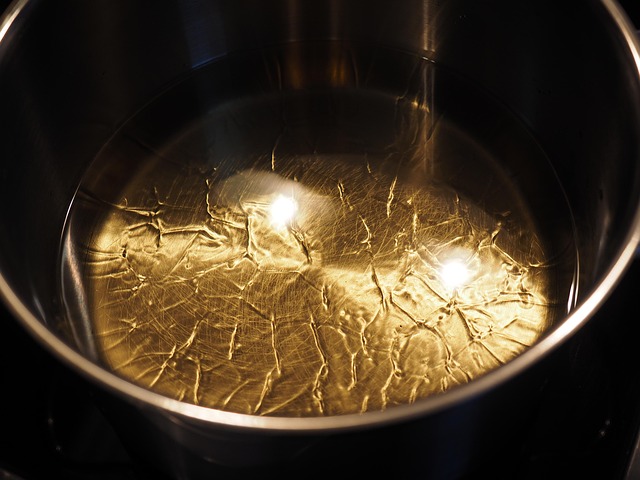
Research by Hageman and colleagues [4] has shown that repeatedly fried fats develop mutagenic activity. This means the altered fats can create DNA mutations in living tissues. In simple terms, reheating sunflower oil many times leads to significant chemical degradation, creating compounds the body struggles to handle safely.
2. Exposure to carcinogens from degraded sunflower oil
When sunflower oil is used repeatedly for frying, the high temperatures promote the formation of polyaromatic hydrocarbons, often called PAHs [4]. These chemicals appear both in the food being fried and in the fumes released during cooking.

Studies of oils such as rapeseed oil have identified specific PAHs, which are well known for their strong carcinogenic and mutagenic effects. PAHs are a concern because they can bind to DNA and trigger harmful mutations.
Epidemiological research has consistently shown that people exposed to mixtures containing PAHs have a significantly higher susceptibility to developing cancer. In simpler language, degraded or repeatedly heated cooking oil can release cancer-linked chemicals into both food and air.
3. Liver damage and cancer potential from oxidized sunflower oil
Sunflower oil becomes oxidized during storage or when exposed to high heat during cooking. Oxidized sunflower oil has demonstrated hepatotoxic effects, meaning it can damage liver cells.

Experimental research [4] has also shown that consuming oxidized sunflower oil may contribute to cancer development, likely because the oxidation process produces reactive compounds that place oxidative stress on tissues. In essence, once sunflower oil begins to oxidize, whether from heat or age, it becomes far more harmful to ingest.
4. Inflammation and oxidative damage due to high omega-6 PUFA

Sunflower oil contains a high proportion of omega-6 fatty acids (polyunsaturated fat), particularly linoleic acid. Modern diets often rely heavily on vegetable oils rich in omega-6 fats, which increases overall PUFA consumption.
Studies suggest that high intake of omega-6 PUFAs can lead to increased inflammation, greater oxidative stress, and atherogenic effects that contribute to plaque buildup in arteries [4].
This does not mean omega-6 fats are harmful on their own, but excessive consumption creates conditions that can stress the cardiovascular system.
How to Use Sunflower Oil in Cooking
Sunflower oil can be extremely beneficial to you if used correctly. Here’s how you can use sunflower oil to reduce risks and maximize benefits:
- Consume sunflower oil in moderation.
- Do not use sunflower oil to cook at high heat or deep fry.
- Avoid reusing the sunflower oil or keeping the oil to be reused.
By following these three key tips for using sunflower oil, the risk associated with misusing sunflower oil can be drastically decreased.
Healthier Alternatives to Sunflower Oil
When picking the type of oil you want to use, it’s important to prioritize the unsaturated fat content in your oil. Some oils, like butter or coconut oil, can be high in saturated fats, which makes them less than ideal for regular consumption. Alternatively, olive oil, canola oil, or nut oil, like walnut oil, is also high in unsaturated fats. It’s essential to regularly consume unsaturated fats, as the body is unable to naturally make these, so they must be sourced from food.
Final Words: So, Is Sunflower Oil Bad for You?
Well, not really. As long as you take care not to repeatedly heat, deep fry, and excessively consume sunflower oil, as doing the aforementioned heating increases the formation of harmful oxidation products and inflammatory compounds that outweigh its benefits. However, if you take care of how you consume and cook with sunflower oil, it can be extremely beneficial to your health. Sunflower oil contains beneficial compounds such as vitamin E, phytosterols, carotenoids, and tocopherols, which support antioxidant activity, immune function, and cholesterol management.
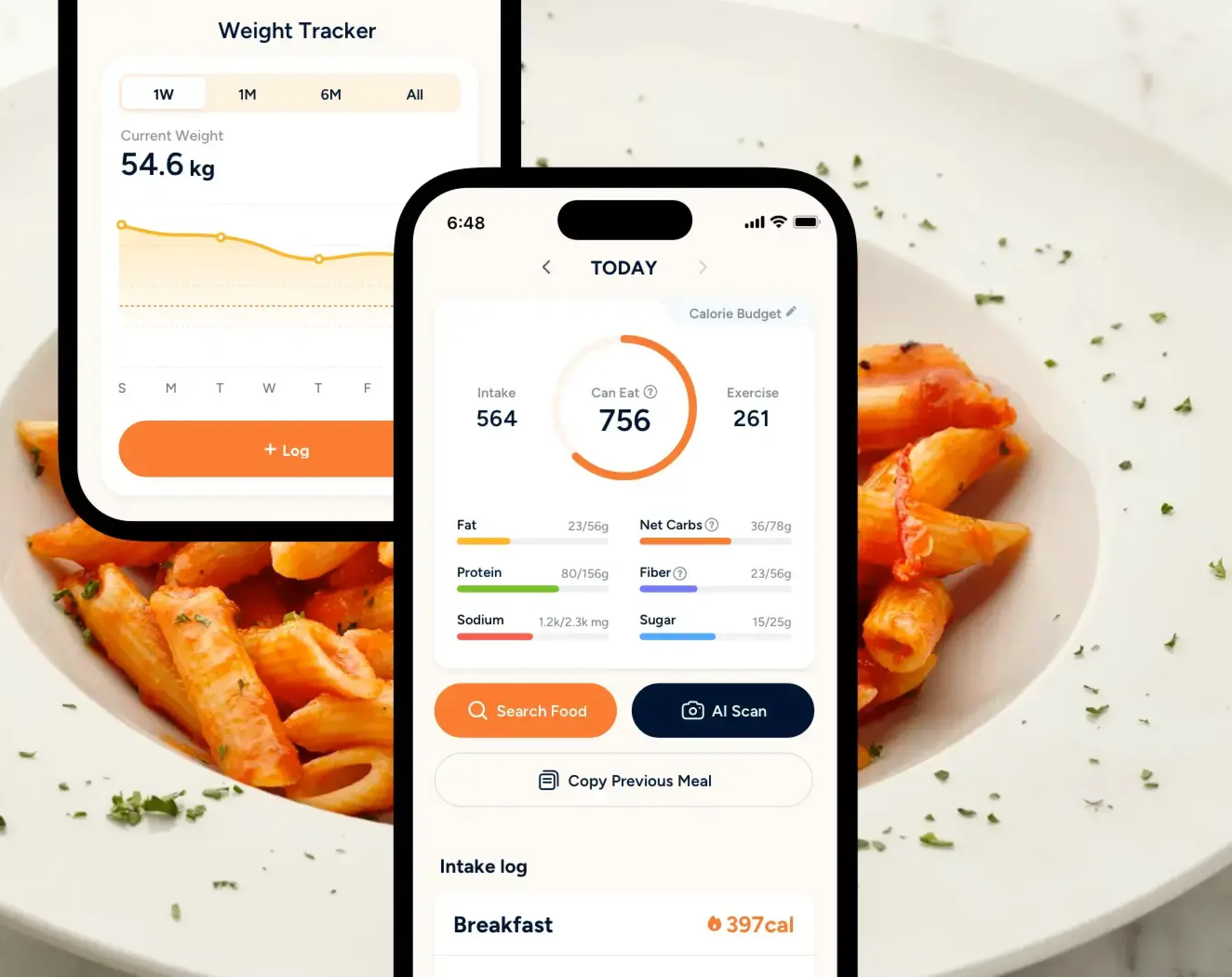
If you need a little extra support, you may want to consider using the Eato app. Eato helps you to track your meals, monitor your sunflower oil intake, and build healthy habits with confidence. Try it today for free!

Weight Loss Has Never Been Easier
Get accurate nutrition info instantly. Keep track of your progress.
Download Eato For Free