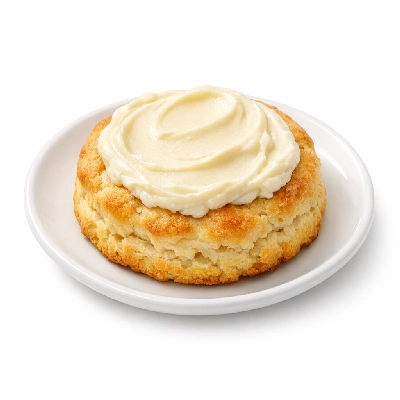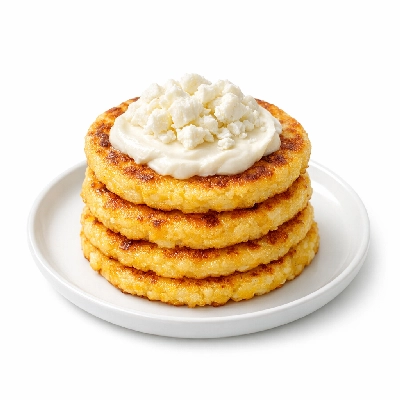
Corn Cakes with Cheese and Spread
Source of Calories
Nutrition Facts
| Nutrient | Amount | % Daily Value |
|---|---|---|
| Total Carbohydrates | 214.18 g | 78% |
| Net Carbohydrates | 199.11 g | 81% |
| Sugars | 18.6 g | 53% |
| Added Sugars | 0 g | 0% |
| Dietary Fiber | 15.07 g | 54% |
| Protein | 74.46 g | 149% |
| Total Fat | 148.12 g | 190% |
| Saturated Fat | 82.11 g | 411% |
| Monounsaturated Fat | 40.49 g | - |
| Polyunsaturated Fat | 10.23 g | - |
| Trans Fat | 3.2 g | 100% |
| Cholesterol | 743.83 mg | 248% |
| Vitamins | ||
| Vitamin A | 1412.18 mcg | 157% |
| Vitamin C | 0 mg | 0% |
| Vitamin D | 5.79 mcg | 29% |
| Minerals | ||
| Sodium | 5560.71 mg | 242% |
| Potassium | 1309.84 mg | 28% |
| Calcium | 2096.66 mg | 161% |
| Magnesium | 328.42 mg | 78% |
| Iron | 12.92 mg | 72% |
| Zinc | 10.82 mg | 98% |
% DV refers to how much a single serving of an individually packaged food or supplement contributes nutritionally to your daily diet, based on a 2,000-calorie-a-day diet. Generally, having 5% DV or less of a nutrient per serving is considered low, and 20% DV or more of a nutrient per serving is considered high.
Fat Composition
The suggested total fat consumption should be limited to 30% of total energy intake or less. The type of fat consumed should primarily be unsaturated fatty acids, with no more than 10% of total energy intake coming from saturated fatty acids (about 200 calories on a 2000-calorie diet) and no more than 1% of total energy intake coming from trans-fatty acids.
Vitamin Coverage
Vitamin A
157%
Vitamin C
0%
Vitamin D
29%
Vitamin E
34%
Vitamin K
9%
Vitamin B1
114%
Vitamin B2
174%
Vitamin B3
85%
Vitamin B5
94%
Vitamin B6
60%
Vitamin B7
85%
Vitamin B9
67%
Vitamin B12
154%
There are 13 essential vitamins required for the body to work properly, which are categorised into two categories: fat-soluble and water-soluble vitamins. Vitamins have a Recommended Dietary Allowance (RDA), provided by the Dietary Reference Intakes (DRIs), which vary by age and sex. The %DV indicates how much one serving contributes to the average recommended daily intake.
Mineral Coverage
Calcium
161%
Iron
72%
Magnesium
78%
Phosphorus
149%
Potassium
28%
Sodium
242%
Zinc
98%
Copper
62%
Manganese
61%
Selenium
239%
Minerals are micronutrients, of which 13 of them are essential to the human body. The Recommended Dietary Allowance includes Calcium (1,300 mg/d), Phosphorus (1,250 mg/d), Potassium (4,700 mg/d), Sodium (2,300 mg/d), Chloride (1,500 mg/d), Magnesium (420 mg/d), Iron (18 mg/d), Zinc (11 mg/d), Copper (0.9 mg/d), Selenium (55 mcg/d), Molybdenum (45 mcg/d), Manganese (2.3 mg/d) and Iodine (150 mcg/d).
Protein Quality
Leucine
178%
Isoleucine
188%
Valine
182%
Lysine
89%
Tryptophan
252%
Threonine
156%
Phenylalanine
226%
Methionine
190%
Histidine
145%
Guidelines recommend a serving of protein with each meal and 1.2-1.6 g of protein per kg of body weight per day.
The data provided by eato.health is for informational purposes only and should not be considered medical advice. Please consult your physician before beginning any diet or nutrition plan.
About
How Long to Burn Off 2449 Calories?
*Based on this person: 25-year-old female, 5'7", 144 lbs

Swimming
5 h 59 min

Jogging
5 h 9 min

Cycling
5 h 17 min

Walking
9 h 35 min
The data provided by eato.health is for informational purposes only and should not be considered medical advice. Please consult your physician before beginning any diet or nutrition plan.
📚 Health Research & Evidence About This Food
Corn, the primary ingredient in corn cakes, provides insoluble fiber that supports gut health and antioxidants like lutein and zeaxanthin, which may protect vision and reduce inflammation, according to Cleveland Clinic. However, the added cheese and spread contribute fat and calories, potentially moderating some of these benefits. Additionally, corn products, including corn cakes, may contain fumonisins, environmental toxins that the FDA monitors due to potential human health risks.
1. Guidance for Industry: Fumonisin Levels in Human Foods and Animal Feeds
Source: FDA, 2024
Summary: Corn cakes, as a product derived from corn, are subject to FDA guidance on fumonisin levels, which are environmental toxins produced by molds that can contaminate corn and pose potential health risks.
2. Is Corn Good for You?
Source: Cleveland Clinic
Summary: Corn cakes, deriving their nutritional value from corn, can contribute to improved gut health, lower cholesterol, and vision protection due to corn's insoluble fiber, antioxidants like lutein and zeaxanthin, and phytosterols.
Read More: https://health.clevelandclinic.org/benefits-of-corn