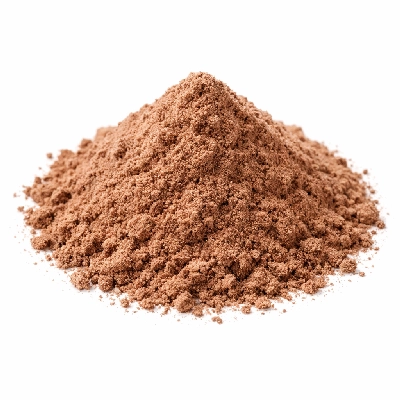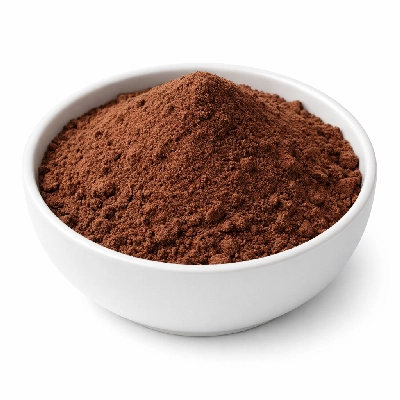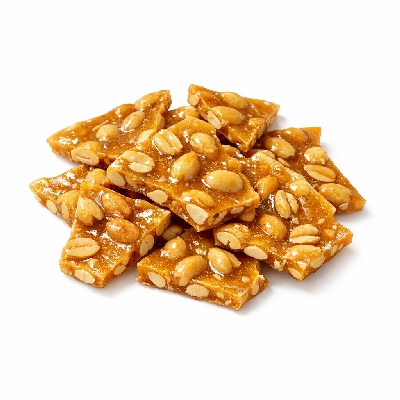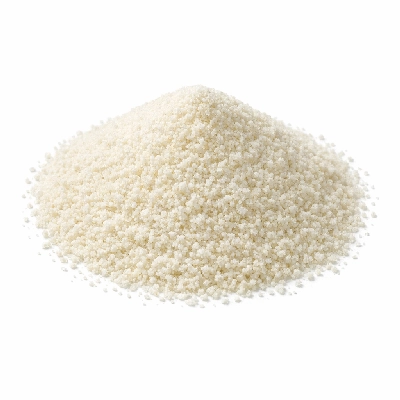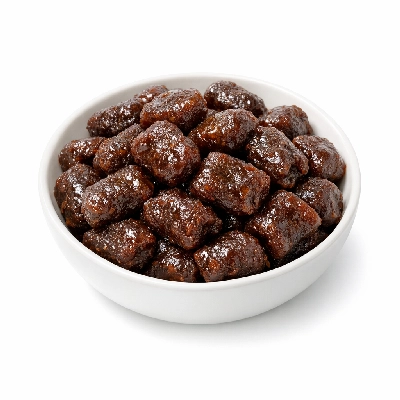
Tamarind Candies
Source of Calories
Nutrition Facts
| Nutrient | Amount | % Daily Value |
|---|---|---|
| Total Carbohydrates | 91.96 g | 33% |
| Net Carbohydrates | 89.46 g | 36% |
| Sugars | 78.57 g | 224% |
| Added Sugars | No data | - |
| Dietary Fiber | 2.5 g | 9% |
| Protein | 0 g | 0% |
| Total Fat | 0 g | 0% |
| Saturated Fat | 0 g | 0% |
| Monounsaturated Fat | 0 g | - |
| Polyunsaturated Fat | 0 g | - |
| Trans Fat | No data | - |
| Cholesterol | 0 mg | 0% |
| Vitamins | ||
| Vitamin A | 0.75 mcg | 0% |
| Vitamin C | 0 mg | 0% |
| Vitamin D | 0 mcg | 0% |
| Minerals | ||
| Sodium | 1643 mg | 71% |
| Potassium | 309 mg | 7% |
| Calcium | 0 mg | 0% |
| Magnesium | 45 mg | 11% |
| Iron | 0 mg | 0% |
| Zinc | 0.08 mg | 1% |
% DV refers to how much a single serving of an individually packaged food or supplement contributes nutritionally to your daily diet, based on a 2,000-calorie-a-day diet. Generally, having 5% DV or less of a nutrient per serving is considered low, and 20% DV or more of a nutrient per serving is considered high.
Vitamin Coverage
Vitamin A
0.1%
Vitamin C
0%
Vitamin D
0%
Vitamin E
0.3%
Vitamin K
1%
Vitamin B1
18%
Vitamin B2
7%
Vitamin B3
6%
Vitamin B5
1%
Vitamin B6
2%
Vitamin B7
-
Vitamin B9
2%
Vitamin B12
0%
There are 13 essential vitamins required for the body to work properly, which are categorised into two categories: fat-soluble and water-soluble vitamins. Vitamins have a Recommended Dietary Allowance (RDA), provided by the Dietary Reference Intakes (DRIs), which vary by age and sex. The %DV indicates how much one serving contributes to the average recommended daily intake.
Mineral Coverage
Calcium
0%
Iron
0%
Magnesium
11%
Phosphorus
4%
Potassium
7%
Sodium
71%
Zinc
0.7%
Copper
5%
Manganese
0.3%
Selenium
2%
Minerals are micronutrients, of which 13 of them are essential to the human body. The Recommended Dietary Allowance includes Calcium (1,300 mg/d), Phosphorus (1,250 mg/d), Potassium (4,700 mg/d), Sodium (2,300 mg/d), Chloride (1,500 mg/d), Magnesium (420 mg/d), Iron (18 mg/d), Zinc (11 mg/d), Copper (0.9 mg/d), Selenium (55 mcg/d), Molybdenum (45 mcg/d), Manganese (2.3 mg/d) and Iodine (150 mcg/d).
The data provided by eato.health is for informational purposes only and should not be considered medical advice. Please consult your physician before beginning any diet or nutrition plan.
About
How Long to Burn Off 331 Calories?
*Based on this person: 25-year-old female, 5'7", 144 lbs

Swimming
49 min

Jogging
42 min

Cycling
43 min

Walking
1 h 18 min
The data provided by eato.health is for informational purposes only and should not be considered medical advice. Please consult your physician before beginning any diet or nutrition plan.
📚 Health Research & Evidence About This Food
Tamarind candy, whose base is tamarind fruit, contains various vitamins, minerals, amino acids, and beneficial plant compounds like polyphenols and flavonoids, which contribute to the fruit's potential health benefits, including antioxidant and anti-inflammatory effects, and support for tissue health, brain health, and bone density; however, the impact of added sugars in processed forms like candy should be considered. Studies on tamarind fruit also indicate that its intake may enhance the urinary excretion of fluoride, potentially delaying the progression of fluorosis.
1. What Is Tamarind? A Tropical Fruit With Health Benefits
Source: Healthline, 2016
Summary: Tamarind is a good source of magnesium, providing a significant portion of the daily value, and also contains fiber, protein, and trace amounts of other vitamins and minerals.
2. Tamarind: Health Benefits, Nutrients per Serving, Preparation Information, and More
Source: WebMD
Summary: Tamarind is rich in essential nutrients, providing significant amounts of Vitamin B1 (Thiamine), magnesium, potassium, iron, and calcium, which are crucial for various bodily functions.
Read More: https://www.webmd.com/diet/health-benefits-tamarind
3. Effect of Tamarind Ingestion on Fluoride Excretion in Humans.
Source: PubMed
Summary: Tamarind intake significantly increases the urinary excretion of fluoride, which may help delay the progression of fluorosis.
Read More: https://pubmed.ncbi.nlm.nih.gov/11840184/
4. Tamarind: Benefits, Uses, and More
Source: Medical News Today, 2025
Summary: Tamarind is rich in essential nutrients, including vitamins, minerals, antioxidants such as vitamin C, polyphenols, and flavonoids, as well as dietary fiber.
Read More: https://www.medicalnewstoday.com/articles/tamarind-benefits
5. Mineral Composition of Tamarindus Indica Linn (Tamarind) Pulp and Seeds From Different Agro‐Ecological Zones of Uganda
Source: Wiley Online Library
Summary: Tamarind seeds consistently contained higher mineral levels than the pulp samples, leading to a recommendation to promote the consumption of tamarind seeds.
Read More: https://onlinelibrary.wiley.com/doi/abs/10.1002/fsn3.490