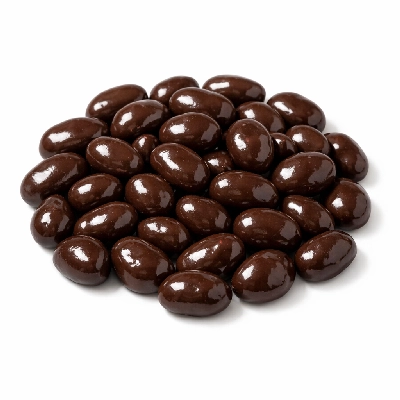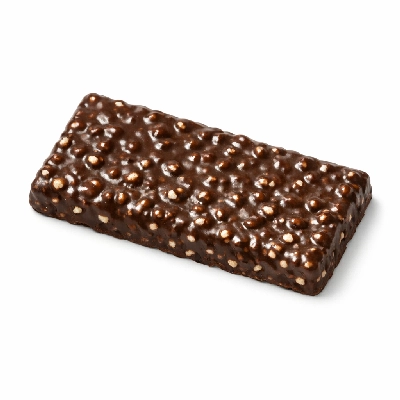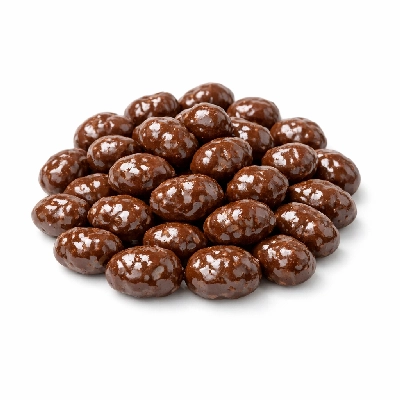
Nestle, Chunky Bar Candies
Source of Calories
Nutrition Facts
| Nutrient | Amount | % Daily Value |
|---|---|---|
| Total Carbohydrates | 21.14 g | 8% |
| Net Carbohydrates | 20.26 g | 8% |
| Sugars | 18.38 g | 53% |
| Added Sugars | No data | - |
| Dietary Fiber | 0.88 g | 3% |
| Protein | 2.63 g | 5% |
| Total Fat | 9.63 g | 12% |
| Saturated Fat | 4.38 g | 22% |
| Monounsaturated Fat | No data | - |
| Polyunsaturated Fat | No data | - |
| Trans Fat | 0.06 g | 100% |
| Cholesterol | 3.5 mg | 1% |
| Vitamins | ||
| Vitamin A | 0 mcg | 0% |
| Vitamin C | 0 mg | 0% |
| Vitamin D | No data | - |
| Minerals | ||
| Sodium | 13.3 mg | 1% |
| Potassium | No data | - |
| Calcium | 35 mg | 3% |
| Magnesium | No data | - |
| Iron | 0.32 mg | 2% |
| Zinc | No data | - |
% DV refers to how much a single serving of an individually packaged food or supplement contributes nutritionally to your daily diet, based on a 2,000-calorie-a-day diet. Generally, having 5% DV or less of a nutrient per serving is considered low, and 20% DV or more of a nutrient per serving is considered high.
Fat Composition
The suggested total fat consumption should be limited to 30% of total energy intake or less. The type of fat consumed should primarily be unsaturated fatty acids, with no more than 10% of total energy intake coming from saturated fatty acids (about 200 calories on a 2000-calorie diet) and no more than 1% of total energy intake coming from trans-fatty acids.
Vitamin Coverage
Vitamin A
0%
Vitamin C
0%
Vitamin D
-
Vitamin E
-
Vitamin K
-
Vitamin B1
-
Vitamin B2
-
Vitamin B3
-
Vitamin B5
-
Vitamin B6
-
Vitamin B7
-
Vitamin B9
-
Vitamin B12
-
There are 13 essential vitamins required for the body to work properly, which are categorised into two categories: fat-soluble and water-soluble vitamins. Vitamins have a Recommended Dietary Allowance (RDA), provided by the Dietary Reference Intakes (DRIs), which vary by age and sex. The %DV indicates how much one serving contributes to the average recommended daily intake.
Mineral Coverage
Calcium
3%
Iron
2%
Magnesium
-
Phosphorus
-
Potassium
-
Sodium
0.6%
Zinc
-
Copper
-
Manganese
-
Selenium
-
Minerals are micronutrients, of which 13 of them are essential to the human body. The Recommended Dietary Allowance includes Calcium (1,300 mg/d), Phosphorus (1,250 mg/d), Potassium (4,700 mg/d), Sodium (2,300 mg/d), Chloride (1,500 mg/d), Magnesium (420 mg/d), Iron (18 mg/d), Zinc (11 mg/d), Copper (0.9 mg/d), Selenium (55 mcg/d), Molybdenum (45 mcg/d), Manganese (2.3 mg/d) and Iodine (150 mcg/d).
The data provided by eato.health is for informational purposes only and should not be considered medical advice. Please consult your physician before beginning any diet or nutrition plan.
About
How Long to Burn Off 182 Calories?
*Based on this person: 25-year-old female, 5'7", 144 lbs

Swimming
27 min

Jogging
23 min

Cycling
24 min

Walking
43 min
The data provided by eato.health is for informational purposes only and should not be considered medical advice. Please consult your physician before beginning any diet or nutrition plan.
FAQ
No. One bar has 182 calories, 21.14 g carbs, 18.38 g sugar, 9.63 g fat, and 4.38 g saturated fat. The sugar is the biggest issue here, because it is high for such a small serving and gives you very little fiber, just 0.88 g.
No. The macros are not disastrous in calories, but the quality is weak: 18.38 g sugar, 4.38 g saturated fat, and only 2.63 g protein means it is more of a quick sweet hit than a filling snack. A healthier snack usually gives you more fiber, more protein, or both, not mostly sugar and saturated fat.
It can raise blood sugar fairly quickly. One bar has 21.14 g carbs and 18.38 g sugar, with very little fiber to slow things down, so it is the kind of sweet the American Diabetes Association says tends to have a bigger impact on blood glucose.
Yes, but only if it fits your calories. One bar has 182 calories, so it can fit into a calorie deficit, but it is not a strong weight loss food because it does not buy you much fullness. CDC guidance is clear that weight loss comes from a sustained calorie deficit, and foods that are lower calorie and more filling usually make that easier.
Yes. You can still lose weight while eating a candy bar sometimes, as long as your overall intake stays below what you burn. The problem is not that one bar makes weight loss impossible, it is that sugary snacks like this are easy to fit in and hard to stay full on, which can make a calorie deficit harder to maintain.
📚 Health Research & Evidence About This Food
A Candies nestle chunky bar, as a commercial chocolate product, typically contains high quantities of added sugar and fat, which, with excessive consumption, may lead to weight gain and increase the risk of hypertension, diabetes, and heart disease, according to Medical News Today. While dark chocolate offers beneficial flavanoids, these are often offset in commercial varieties by these added ingredients. Stanford Medicine advises avoiding added sugars in processed foods for overall health, recommending such items be consumed as occasional treats.
1. A Human Volunteer Study to Assess the Impact of Confectionery Sweeteners on the Gut Microbiota Composition.
Source: PubMed
Summary: Nestle Chunky Bar, as a confectionery item, may be impacted by the use of various sweeteners that influence gut microbiota composition.
Read More: https://pubmed.ncbi.nlm.nih.gov/20370946/
2. The Sugar-Cancer Connection: Five Things You Should Know
Source: Stanford Medicine
Summary: Nestle Chunky Bar, as a processed food with added sugars, is among the types of foods that oncology dietitians recommend limiting, especially during cancer treatment, though occasional consumption is not considered to derail health or fuel cancer growth.
3. Chocolate: Is It Really Good for Our Health?
Source: Medical News Today, 2015
Summary: Chunky Bar cardiovascular health, similar to other chocolate products, is influenced by its composition, where beneficial flavanoids in cacao may support heart health by reducing LDL cholesterol, but high levels of added sugar and fat in commercial varieties can contribute to weight gain and increased risk of hypertension, diabetes, and heart disease.