• Home
  • Features
  • Food Database
  • Calculators
  • Blog
  • About
Get the App

Download and start your free trial to get your custom macro plan and food logging access today.

Download Eato App from App StoreDownload Eato App from Google Play
  • Calorie Tracker
  • Food Database
  • Calculators
  • Blog
  • About
  • Support
© 2025 Eato. All rights reserved.
  • Privacy Policy
  • Terms & Conditions
  • Cookie Setting
  1. Malt Liquor
Malt Liquor

Malt Liquor

Source of Calories

Amount%

Nutrition Facts

Amount% DV
NutrientAmount% Daily Value
Total Carbohydrates0 g0%
Net Carbohydrates0 g0%
Sugars0 g0%
Added SugarsNo data-
Dietary Fiber0 g0%
Protein4.14 g8%
Total Fat0 g0%
Saturated Fat0 g0%
Monounsaturated Fat0 g-
Polyunsaturated Fat0 g-
Trans FatNo data-
Cholesterol0 mg0%
Vitamins
Vitamin A0 mcg0%
Vitamin C0 mg0%
Vitamin D0 mcg0%
Minerals
Sodium35.52 mg2%
Potassium390.72 mg8%
Calcium35.52 mg3%
Magnesium59.2 mg14%
Iron0.36 mg2%
Zinc0.95 mg9%

% DV refers to how much a single serving of an individually packaged food or supplement contributes nutritionally to your daily diet, based on a 2,000-calorie-a-day diet. Generally, having 5% DV or less of a nutrient per serving is considered low, and 20% DV or more of a nutrient per serving is considered high.

Vitamin Coverage

% DV

Vitamin A

0%

Vitamin C

0%

Vitamin D

0%

Vitamin E

0%

Vitamin K

0%

Vitamin B1

30%

Vitamin B2

36%

Vitamin B3

30%

Vitamin B5

35%

Vitamin B6

26%

Vitamin B7

-

Vitamin B9

12%

Vitamin B12

0%

There are 13 essential vitamins required for the body to work properly, which are categorised into two categories: fat-soluble and water-soluble vitamins. Vitamins have a Recommended Dietary Allowance (RDA), provided by the Dietary Reference Intakes (DRIs), which vary by age and sex. The %DV indicates how much one serving contributes to the average recommended daily intake.

Mineral Coverage

% DV

Calcium

3%

Iron

2%

Magnesium

14%

Phosphorus

12%

Potassium

8%

Sodium

2%

Zinc

9%

Copper

7%

Manganese

3%

Selenium

0%

Minerals are micronutrients, of which 13 of them are essential to the human body. The Recommended Dietary Allowance includes Calcium (1,300 mg/d), Phosphorus (1,250 mg/d), Potassium (4,700 mg/d), Sodium (2,300 mg/d), Chloride (1,500 mg/d), Magnesium (420 mg/d), Iron (18 mg/d), Zinc (11 mg/d), Copper (0.9 mg/d), Selenium (55 mcg/d), Molybdenum (45 mcg/d), Manganese (2.3 mg/d) and Iodine (150 mcg/d).

The data provided by eato.health is for informational purposes only and should not be considered medical advice. Please consult your physician before beginning any diet or nutrition plan.

About

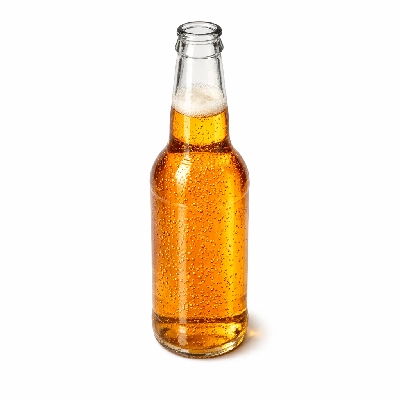
1 bottle of Malt Liquor contains 474 calories, 0g carbs, 0g fat, and 4.14g protein.
Low CarbLow CholesterolLow SodiumLow Sugar
See how the food you eat fits into your diet with the Eato app

Eato: AI-Powered Food Scanner

With over 1.9m+ food entries, accurately track your calories to build simple meal plans for weight loss.

Download Eato App from App StoreDownload Eato App from Google Play

How Long to Burn Off 474 Calories?

*Based on this person: 25-year-old female, 5'7", 144 lbs

  • Blue swimming icon

    Swimming

    1 h 10 min

  • Orange jogging icon

    Jogging

    60 min

  • Green cycling icon

    Cycling

    1 h 2 min

  • Yellow walking icon

    Walking

    1 h 52 min

The data provided by eato.health is for informational purposes only and should not be considered medical advice. Please consult your physician before beginning any diet or nutrition plan.
FAQ

Yes, usually. Malt liquor generally has a higher alcohol content than regular beer, and U.S. standard drink guidance treats 12 oz of regular beer at about 5% ABV and 8 to 10 oz of malt liquor as roughly equivalent alcohol servings, which reflects that malt liquor is often more concentrated. So ounce for ounce, it is usually stronger than standard beer.

Yes. iver damage risk is driven more by how much ethanol you drink over time than by whether the drink is beer, wine, or malt liquor, and a stronger drink makes it easier to consume more alcohol quickly. Excessive alcohol use is linked to liver disease, so malt liquor can be worse for the liver if its higher strength leads to heavier intake.

People who are pregnant, may be pregnant, have liver disease, have a history of alcohol use disorder, take medications that interact with alcohol, or are advised by a clinician not to drink should avoid it. The CDC states there is no safe time to drink alcohol during pregnancy, and alcohol use can cause serious fetal harm.

Yes. Malt liquor is an alcoholic drink, and alcohol use is associated with risks including high blood pressure, heart disease, liver disease, stroke, several cancers, and alcohol use disorder. The higher strength of malt liquor can also make it easier to drink a large alcohol load without realizing it.

Common short term effects can include impaired judgment, sleepiness, poor coordination, slower reaction time, nausea, vomiting, and dehydration. At higher doses, alcohol can cause alcohol poisoning, which can affect breathing and heart rate and become a medical emergency.

Food Health: Research and Evidence

Scientific research and expert reviews suggest that certain components in infant formula, such as specific fats and nutrients, can contribute to better cardiovascular health and improved blood sugar control in infants.

1. Food Health: Research and Evidence

Source: SpringerLink, 2024

Summary: Scientific research and expert reviews suggest that certain components in infant formula, such as specific fats and nutrients, can contribute to better cardiovascular health and improved blood sugar control in infants.

Read More: https://link.springer.com/article/10.1007/s13668-024-00561-9

2. Food Health: Research and Evidence

Source: SpringerLink, 2024

Summary: Scientific research and expert reviews suggest that certain components in infant formula, such as specific fats and nutrients, can contribute to better cardiovascular health and improved blood sugar control in infants.

Read More: https://link.springer.com/article/10.1007/s13668-024-00561-9

Home
Food Database
Beverages

Related Blogs

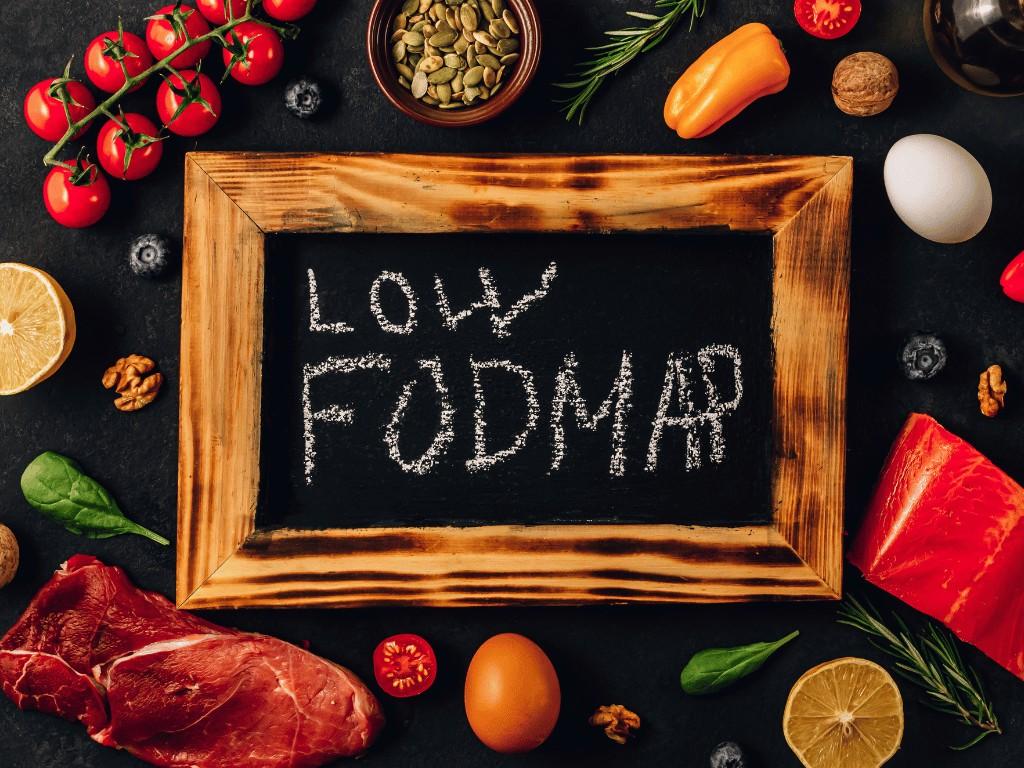
Low fodmap diet: what it is

What Is a Low FODMAP Diet? An Introductory Guide

Nov 14, 2025

Food Nutrition Comparison

Food Nutrition Comparison
FoodUnitCaloriesCarbsProteinFat
Distilled Gin, 90 Proof
1 fl oz73 Cal0 g0 g0 g
Homemade Martini Cocktail

Similar Food

  • Distilled Gin, 90 Proof

    Distilled Gin, 90 ProofD

    1 fl oz73 Cal

  • Homemade Martini Cocktail

    Homemade Martini CocktailC

    1 fl oz69 Cal

  • Wine Rose

    Wine RoseC

    3 fl oz75 Cal

  • Brewed Oolong Tea

    Brewed Oolong TeaC

    1 serving1 Cal

  • Kraft, Crystal Light, Soft Drink Mix Lemonade with Aspartame and Acesulfame Potassium Sweetener Powder, Sugar Free, Low Calorie

    Kraft, Crystal Light, Soft Drink Mix Lemonade with Aspartame and Acesulfame Potassium Sweetener Powder, Sugar Free, Low CalorieA

    1 serving5 Cal

1 fl oz
69 Cal
0.58 g
0.01 g
0 g
Wine RoseWine Rose
3 fl oz75 Cal3.5 g0.3 g0 g
Distilled Gin, 90 Proof
Homemade Martini Cocktail