Alaska Native
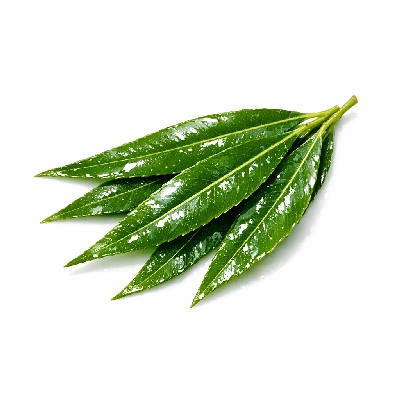
Alaska Native Willow Leaves in Oil
Source of Calories
Nutrition Facts
| Nutrient | Amount | % Daily Value |
|---|---|---|
| Total Carbohydrates | 8.1 g | 3% |
| Net Carbohydrates | 8.1 g | 3% |
| Sugars | No data | - |
| Added Sugars | No data | - |
| Dietary Fiber | No data | - |
| Protein | 2.6 g | 5% |
| Total Fat | 61 g | 78% |
| Saturated Fat | No data | - |
| Monounsaturated Fat | No data | - |
| Polyunsaturated Fat | No data | - |
| Trans Fat | No data | - |
| Cholesterol | No data | - |
| Vitamins | ||
| Vitamin A | No data | - |
| Vitamin C | No data | - |
| Vitamin D | No data | - |
| Minerals | ||
| Sodium | No data | - |
| Potassium | No data | - |
| Calcium | No data | - |
| Magnesium | No data | - |
| Iron | 1.3 mg | 7% |
| Zinc | No data | - |
% DV refers to how much a single serving of an individually packaged food or supplement contributes nutritionally to your daily diet, based on a 2,000-calorie-a-day diet. Generally, having 5% DV or less of a nutrient per serving is considered low, and 20% DV or more of a nutrient per serving is considered high.
Mineral Coverage
Calcium
-
Iron
7%
Magnesium
-
Phosphorus
5%
Potassium
-
Sodium
-
Zinc
-
Copper
-
Manganese
-
Selenium
-
Minerals are micronutrients, of which 13 of them are essential to the human body. The Recommended Dietary Allowance includes Calcium (1,300 mg/d), Phosphorus (1,250 mg/d), Potassium (4,700 mg/d), Sodium (2,300 mg/d), Chloride (1,500 mg/d), Magnesium (420 mg/d), Iron (18 mg/d), Zinc (11 mg/d), Copper (0.9 mg/d), Selenium (55 mcg/d), Molybdenum (45 mcg/d), Manganese (2.3 mg/d) and Iodine (150 mcg/d).
The data provided by eato.health is for informational purposes only and should not be considered medical advice. Please consult your physician before beginning any diet or nutrition plan.
About
How Long to Burn Off 592 Calories?
*Based on this person: 25-year-old female, 5'7", 144 lbs

Swimming
1 h 27 min

Jogging
1 h 15 min

Cycling
1 h 17 min

Walking
2 h 19 min
The data provided by eato.health is for informational purposes only and should not be considered medical advice. Please consult your physician before beginning any diet or nutrition plan.
FAQ
Yes they are edible, however they are also extremely high in calories at 592 calories, 61g fat, 8.1 g carbs, and 2.6 g protein.
In general, willow-related foods contain salicylate-related compounds such as salicin, which is good for pain and its anti-inflammatory side effects. However, consuming willow leaves in oil is not going to directly translate into the pain and anti-inflammatory effects, as those willow compounds usually come from bark extracts rather than willow leaves.
The large amount of oil and salicylate may trigger some GI discomfort for people who may be more sensitive, since there is about 61 g of fat per 100g. Additionally, people with aspirin sensitivities are also advised against consuming willow bark or willow-related foods, due to the bleeding risks, cross-reactions and allergy reactions that may stem from the compounds found in willow leaves.
Alaska Native willow leaves in oil is extremely high in fat at 61 g per 100 g, so it may raise cholesterol if the fat comes from saturated fat rather than unsaturated fat.
Maybe, due to their caloric density which may lead to eventual weight gain after a period of time. However, directly, they do not raise blood pressure acutely, but the same cannot be said about the potential of weight gain affecting it.
Food Health: Research and Evidence
Scientific research and expert reviews suggest that certain components in infant formula, such as specific fats and nutrients, can contribute to better cardiovascular health and improved blood sugar control in infants.
1. Food Health: Research and Evidence
Source: SpringerLink, 2024
Summary: Scientific research and expert reviews suggest that certain components in infant formula, such as specific fats and nutrients, can contribute to better cardiovascular health and improved blood sugar control in infants.
Read More: https://link.springer.com/article/10.1007/s13668-024-00561-9
2. Food Health: Research and Evidence
Source: SpringerLink, 2024
Summary: Scientific research and expert reviews suggest that certain components in infant formula, such as specific fats and nutrients, can contribute to better cardiovascular health and improved blood sugar control in infants.
Read More: https://link.springer.com/article/10.1007/s13668-024-00561-9