Free TDEE Calculator
Estimate your Total Daily Energy Expenditure (TDEE) based on the amount of calories you burn at rest (BMR) and activity level.
Understanding TDEE
What TDEE Means
TDEE stands for total daily energy expenditure. It is an estimate of how many calories your body uses in a full day, including basic body functions, daily movement, exercise, digestion and other activities. Your TDEE calculator can help you understand roughly how many calories you need to maintain your current weight, lose weight, or gain weight. Because exercise, activity, energy expenditure, body weight, and lifestyle can change, TDEE should be treated as an estimate rather than an exact number.
BMR Is the Starting Point
Most TDEE calculations begin with BMR, or basal metabolic rate. BMR is the energy your body uses at rest to support essential functions such as breathing, circulation, body temperature, brain activity, and organ function. Since BMR usually makes up the largest part of daily calorie expenditure, details such as age, sex, height, and weight can have a major effect on your TDEE estimate.
Effects of Activity Level On Your TDEE
After estimating BMR, a TDEE calculator adjusts the result based on your activity level. The TDEE calculator includes exercise but also everyday movement, such as walking, standing, commuting, doing housework, or having a physically active job. Use the table below as a general guide when choosing your activity level.
| Activity Level | Description |
|---|---|
| Sedentary | Little or no regular exercise; with most of the days spent sitting, such as desk work, studying or driving. |
| Lightly Active | Exercise 1–3 times per week, with light workouts or strolls. |
| Moderately Active | Exercise 4–5 times per week,like regular gym sessions or fitness classes. |
| Active | Daily exercise or intense exercise 3–4 times per week alongside an active routine. |
| Very Active | Intense exercise 6–7 times per week including competitive sports and endurance workouts. |
| Extra Active | Very intense daily exercise, manual labor, or a physically demanding job |
If you are between two levels, choose the one that best reflects your average week and adjust later based on your real-world progress.
Digestion Consumes Energy
Your body uses energy to digest, absorb, and process food. This is called the thermic effect of food, or TEF. TEF is usually smaller than BMR and activity, but it still contributes to total daily energy use. Out of the three macronutrients, protein generally requires more energy to process than carbohydrates or fat, which is why food choices can slightly affect total energy expenditure.
How TDEE Is Estimated
TDEE is usually estimated by first calculating your Basal Metabolic Rate, or BMR, and then adjusting it based on your activity level.
A common TDEE formula is: TDEE = BMR × activity factor
BMR can be estimated using 3 widely recognised equations based on factors such as weight, height, age, sex, and sometimes body fat percentage. Our BMR calculator lets you choose from three formulas:
- Mifflin-St Jeor: Often used as a standard equation for the general adult population.
- Men: BMR = 10W + 6.25H - 5A + 5
- Women: BMR = 10W + 6.25H - 5A - 161
- Revised Harris-Benedict: An updated version of the classic Harris-Benedict equation.
- Men: BMR = 13.397W + 4.799H - 5.677A + 88.362
- Women: BMR = 9.247W + 3.098H - 4.330A + 447.593
- Katch-McArdle: Often used when lean body mass or body fat percentage is available.
- Formula: BMR = 370 + 21.6 × (1 - F) × W
Where W = weight in kg, H = height in cm, A = age, and F = body fat as a decimal, such as 0.20 for 20% body fat.
After BMR is estimated, it is multiplied by an activity factor based on your usual activity level. The result is your estimated total daily energy expenditure, TDEE, or the number of calories your body may burn in a day.
Use your TDEE estimate as a starting point, then adjust based on your weight trend, energy level, and real-world results.
FAQ
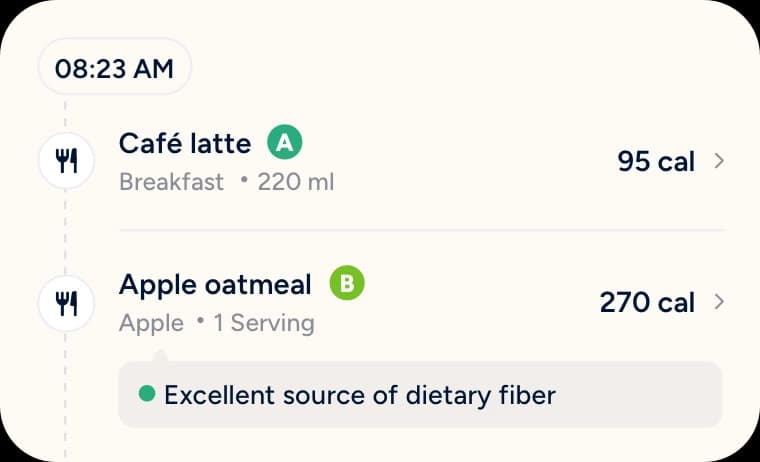
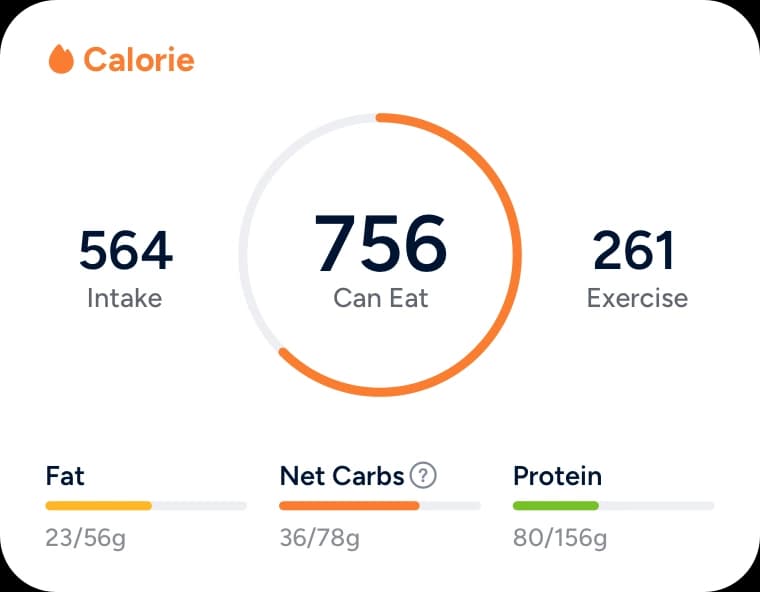
Track Calories, Macros, and Eat Smarter with Eato
Log meals, monitor calories, track macros, and build healthier eating habits with Eato’s easy-to-use calorie counter app today.