Free Protein Intake Calculator
How much protein do you really need? Get a science-based recommendation tailored to your body and goals.
Understanding Protein Intake
Protein Formula
Protein intakes are commonly estimated based on body weight. This gives a more personalized target than using the same number for every adult.
Daily protein target = body weight in kg × protein factor
For example, a person who weighs 70 kg and uses a protein factor of 1.6 g/kg would have an estimated target of 112 g of protein per day.
This is still an estimate. Your ideal protein intake can vary based on training level, age, body composition, total calories, digestion, food preferences, and health conditions.
General Protein Ranges
Protein needs depend on your body, activity level, and goal.
For a general healthy adult, a basic baseline is often around 0.8 g/kg/day. People who exercise regularly may need more, often around 1.2–1.6 g/kg/day.
For muscle gain, strength training, or fat loss while training, a common planning range for protein intake is about 1.6–2.2 g/kg/day. This higher range of protein intake may help support muscle repair, satiety, and lean mass retention.
However, higher protein is not always better. Once your needs are covered, eating much more protein may crowd out other important nutrients from carbohydrates, healthy fats, fruits, vegetables, and overall calories.
Protein for Muscle Growth
Protein helps repair and build muscle, but it does not work alone. Muscle growth also depends on resistance training, enough total calories, progressive overload, sleep, and recovery.
A practical muscle growth plan usually includes:
- A clear daily protein target
- Protein intake spread across several meals
- Enough calories to support training
- Carbohydrates for workout performance
- Consistent strength training and recovery
If total calories are too low, simply adding more protein may not lead to the results you want.
Protein During Fat Loss
Consuming protein can be especially helpful during fat loss. It supports fullness and may help preserve lean mass when combined with resistance training.
Because total food intake is lower during a calorie deficit, protein-rich meals can make your diet easier to follow.
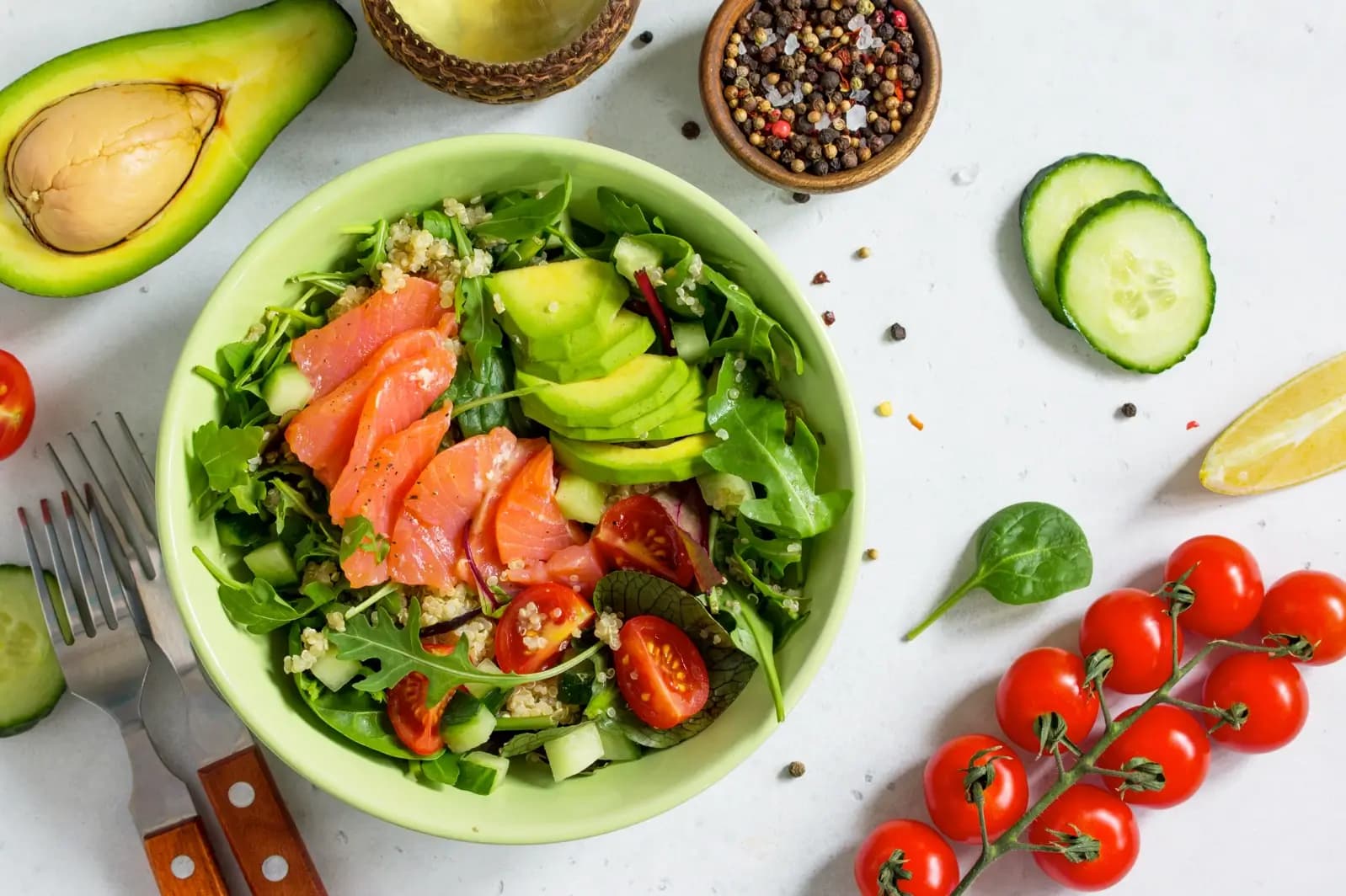
High protein sources include eggs, fish, chicken, lean meat, Greek yogurt, tofu, tempeh, soy milk, lentils, beans, and seitan.
A good fat loss plan still needs more than just eating high protein foods. Include fiber-rich carbohydrates, healthy fats, micronutrients, hydration, and enough calories to support normal daily function.
When Protein Needs May Vary
Protein needs can be higher or lower depending on age, training level, calorie intake, pregnancy, breastfeeding, and health status.
Older adults, athletes, and people in a calorie deficit may need more protein than a basic adult minimum. People with kidney disease, liver disease, diabetes, or other medical conditions should get personalized advice from a healthcare professional.
Plant-based eaters may also need to be more intentional with protein variety, since some plant proteins are lower in certain essential amino acids.
A good protein target should be realistic, digestible, and easy to fit into your overall eating pattern.
FAQ
Your protein needs depend on body weight, activity level, age, goal, and health status. A common baseline for protein intake for healthy adults is about 0.8 g/kg/day, while active people or those focused on muscle gain or fat loss often use higher protein consumption targets, such as 1.2–2.2 g/kg/day.
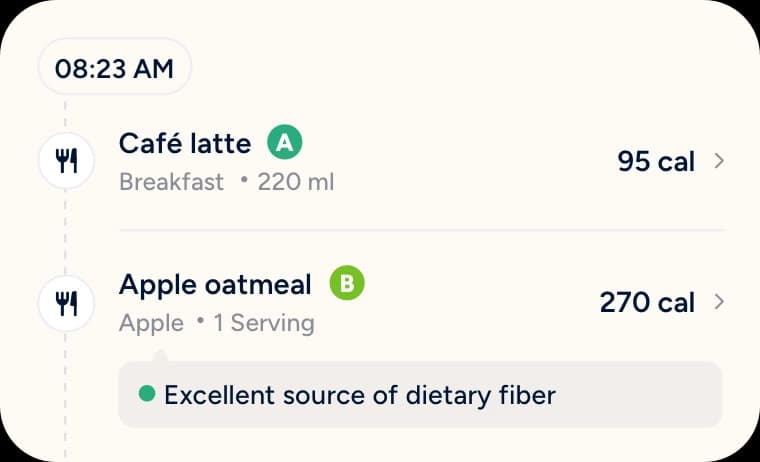
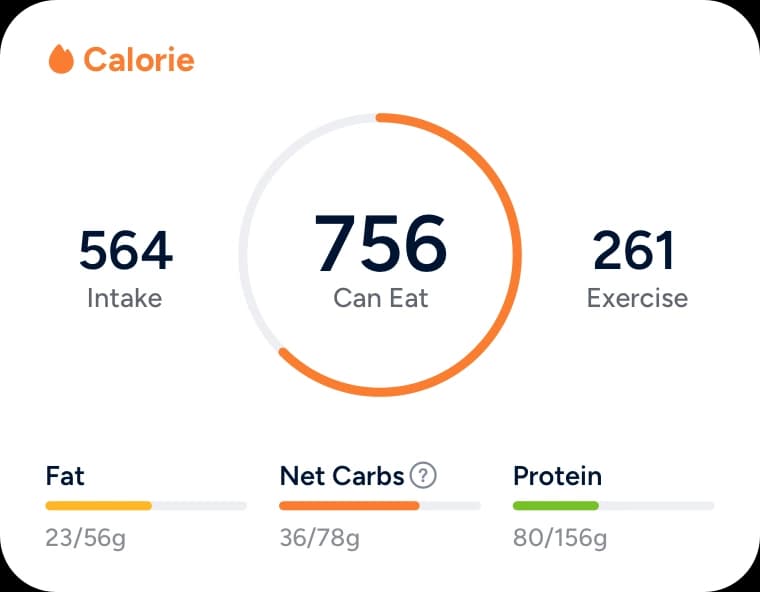
Track Calories, Macros, and Eat Smarter with Eato
Log meals, monitor calories, track macros, and build healthier eating habits with Eato’s easy-to-use calorie counter app today.