Free Macro Calculator
Track your macros and get an ideal daily protein, carbs, and fat split based on your fitness goals and diet preference.
Understanding Macronutrients
What Are Macros
Macros, or macronutrients, are the nutrients your body needs in larger amounts each day. In this calculator, macros refer to carbohydrates, protein, and fat. Each macronutrient provides energy and supports different functions in the body.
Tracking macros helps you understand not only how many calories you eat but also where those calories come from. Calculating macros can be useful for weight loss, muscle gain, maintenance, or building a more balanced nutrition routine.
How Macro Targets Are Calculated
The macro calculator targets are based on your estimated daily calorie needs, activity level, goal, and selected formula. If body fat percentage is provided, some formulas may use it to estimate lean body mass.
Each macro provides a different amount of energy:
| Macronutrient | Calories per Gram |
|---|---|
| Carbohydrates | 4 kcal |
| Protein | 4 kcal |
| Fat | 9 kcal |
After your calorie target is estimated, the macro calculator divides those calories into grams of carbs, protein, and fat.
Protein, Carbs, and Fat Have Different Roles
Protein supports muscle maintenance, recovery, and overall body function. Protein consumption can be especially important during fat loss or strength training.
Carbohydrates are a key energy source for daily activity, exercise, and higher-intensity training. Fat supports hormone production, nutrient absorption, and essential health functions.
A good macro target is not about making one nutrient "good" and another "bad". It is about finding a balance that fits your calorie needs, food preferences, activity level, and goal.
Your Goal Changes Your Macro Split
Your macro targets may look different depending on whether your goal is to lose weight, maintain weight, or gain muscle. For weight loss, calories are usually lower, while protein intake may be kept higher to help support muscle retention and fullness.
For muscle gain, calories are often higher to support training and recovery. Carbohydrates may also increase because they help fuel workouts. For maintenance, macros are usually balanced around keeping body weight and energy levels stable over time.
How to Make Macros Easier to Follow
A macro target is only useful if it can become real meals. Start by spreading high protein foods across the day, then add carbohydrate and fat sources based on your schedule, food preferences, and training routine.
A simple way to plan macros is:
- Set your total daily calories.
- Set your protein target in grams.
- Choose a reasonable fat target.
- Use the remaining calories for carbohydrates.
- Review your hunger, energy levels, digestion, training, and how easy the plan is to follow.
You do not need to hit every macro perfectly every day. A consistent weekly pattern is usually more useful than exact daily precision.
FAQ
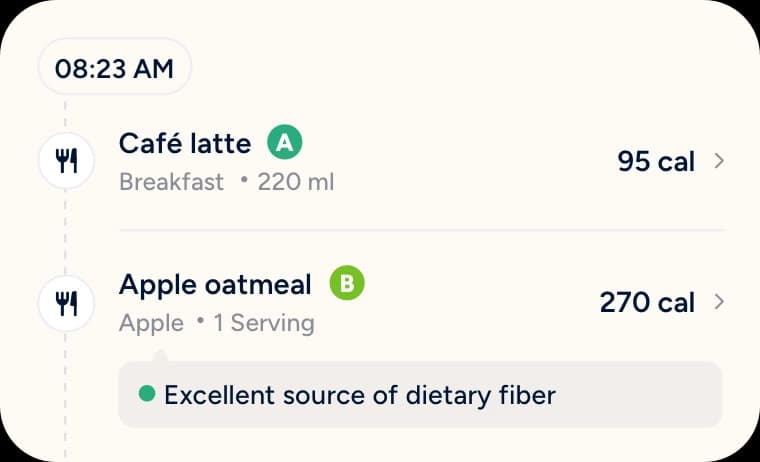
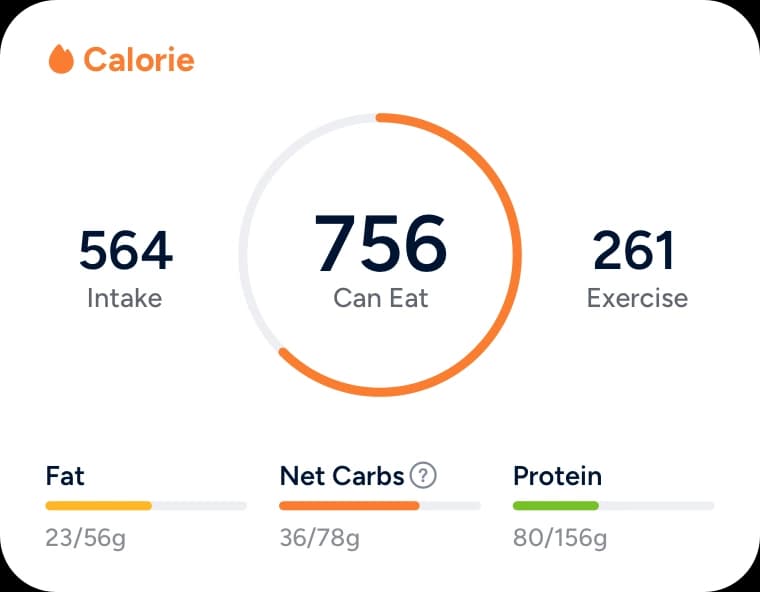

Track Calories, Macros, and Eat Smarter with Eato
Log meals, monitor calories, track macros, and build healthier eating habits with Eato’s easy-to-use calorie counter app today.