Free Calorie Deficit Calculator
Find out exactly how many calories to eat to reach your goal weight, and when you'll get there.
Understanding Calorie Deficit
What Is a Calorie Deficit?
A calorie deficit happens when you consume fewer calories than your body uses. To cover the gap, your body draws on stored energy, which can lead to weight loss over time.
In simple terms:
Calories eaten < Calories burned = Calorie deficit
For example, if your body uses about 2,300 calories per day and you eat 1,800 calories, your estimated calorie deficit is 500 calories for that day.
A moderate, consistent calorie deficit is usually easier to maintain than an extreme one.
How Is a Calorie Deficit Calculated?
A calorie deficit is estimated by first calculating your maintenance calories, then subtracting a daily deficit from that number. Maintenance calories are the estimated calories your body needs per day to keep your current weight roughly stable.
Daily calorie needs are usually estimated in two steps: first by calculating your Basal Metabolic Rate, or BMR, and then by adjusting it based on your activity level. BMR is the energy your body uses at rest for essential functions such as breathing, circulation, and cell repair.
BMR can be estimated using 3 widely recognised equations based on factors such as weight, height, age, sex, and sometimes body fat percentage. Our BMR calculator lets you choose from three formulas:
- Mifflin-St Jeor: Often used as a standard equation for the general adult population.
- Men: BMR = 10W + 6.25H - 5A + 5
- Women: BMR = 10W + 6.25H - 5A - 161
- Revised Harris-Benedict: An updated version of the classic Harris-Benedict equation.
- Men: BMR = 13.397W + 4.799H - 5.677A + 88.362
- Women: BMR = 9.247W + 3.098H - 4.330A + 447.593
- Katch-McArdle: Often used when lean body mass or body fat percentage is available.
- Formula: BMR = 370 + 21.6 × (1 - F) × W
Where W = weight in kg, H = height in cm, A = age, and F = body fat as a decimal, such as 0.20 for 20% body fat.
After BMR is estimated, it is multiplied by an activity factor based on your usual activity level. This factor usually ranges from about 1.2 to 1.9, from sedentary to very active lifestyles.
BMR × Activity Factor = Estimated Maintenance Calories
Then the selected daily deficit is subtracted from your maintenance calories:
Maintenance Calories - Daily Calorie Deficit = Target Calories
The final number is your estimated daily calorie target for weight loss. Actual results can vary based on tracking accuracy, water weight, activity changes, sleep, stress, and individual metabolism.
What Is a Safe Calorie Deficit?
A safe calorie deficit depends on your body size, current intake, activity level, health status, and goal. Many people start with a moderate deficit rather than the largest possible cut. A gradual weight loss pace, such as about 0.5–1 kg or 1–2 lb per week, is often more sustainable.
FAQ
For many people, a 500 kcal daily deficit is a common starting point for gradual weight loss. However, results can vary because both maintenance calories and food intake are estimates. For smaller bodies or less active people, a 500 kcal deficit may feel too aggressive.
Choose the level that best matches your usual week, including both daily movement and planned exercise. Don’t choose based on one unusually hard workout day or one very inactive day.
If you’re between two levels, choose the lower one for a weight loss goal. You can adjust later based on your real progress.
Quick guide:
- Sedentary: Little or no regular exercise; with most of the days spent sitting, such as desk work, studying or driving.
- Lightly Active: Exercise 1–3 times per week, with light workouts or strolls.
- Moderately Active: Exercise 4–5 times per week,like regular gym sessions or fitness classes.
- Active: Daily exercise or intense exercise 3–4 times per week alongside an active routine.
- Very Active: Intense exercise 6–7 times per week including competitive sports and endurance workouts.
- Extra Active: Very intense daily exercise, manual labor, or a physically demanding job.
These labels are estimates. If your weight trend does not match your target after a few weeks, adjust your calories or activity level.
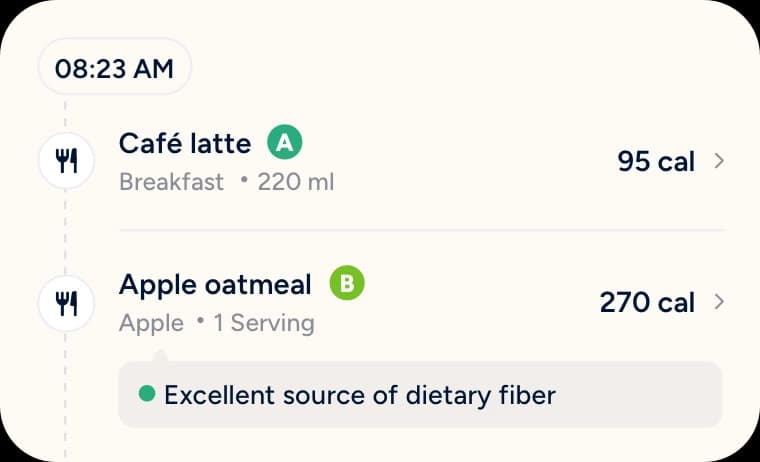
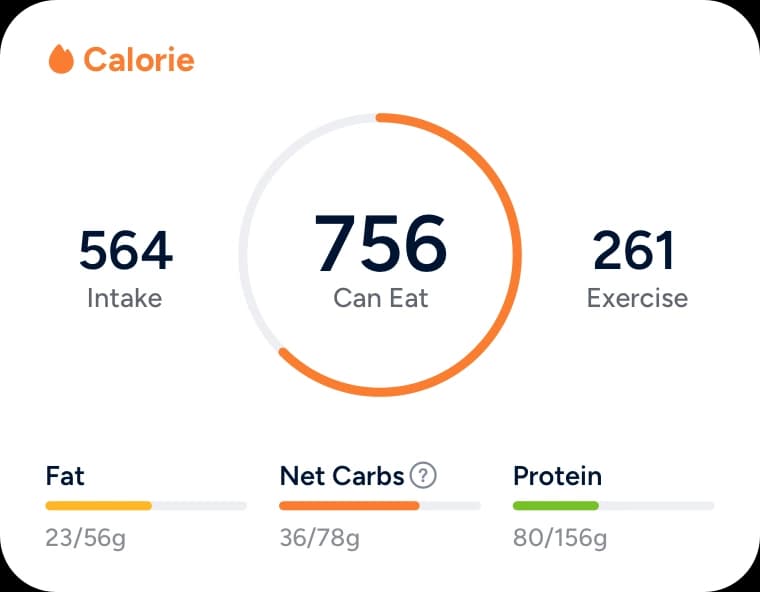

Track Calories, Macros, and Eat Smarter with Eato
Log meals, monitor calories, track macros, and build healthier eating habits with Eato’s easy-to-use calorie counter app today.