The health benefits of consuming bone broth have been touted everywhere; on social media, with many on the carnivore diet reciting the nutritional benefits of consuming bone broth.
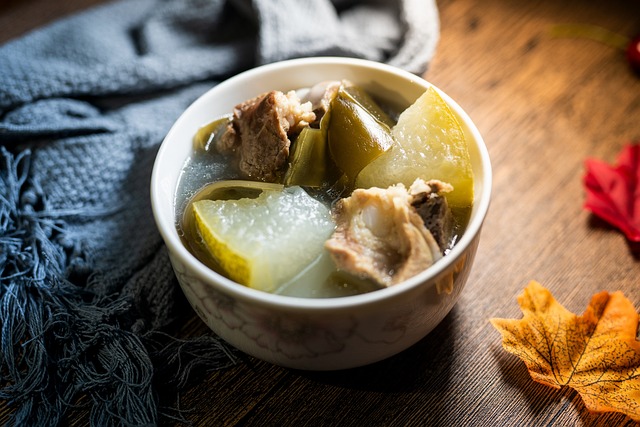
Bone broth is being consumed everywhere worldwide. It is easy to make your own broth, simply by boiling animal bones, bought from grocery stores, or putting said animal bones into a slow cooker, which increases the popularity of this “liquid gold”.
Key Takeaways
- Bone broth is made by simmering animal bones and is rich in collagen, amino acids, and minerals that support joint, bone, muscle, and gut health.
- Regular consumption of bone broth may improve gut health by supporting the intestinal barrier, reducing inflammation, and promoting a healthier gut microbiome.
- Bone broth contains anti inflammatory and antioxidant compounds that may help reduce immune overactivation, oxidative stress, and inflammation related to chronic disease.
- Its high protein content can increase satiety, reduce hunger and cravings, and support weight loss and improvements in body composition, including reductions in abdominal fat.
What Is Bone Broth?
Bone broth is a type of stock that is made by boiling animal bones, like beef bones. Quality bone broth usually contains a large amount of protein (in the form of collagen), macronutrients, and micronutrients that support bone health, joint health, improve gut health, and muscle function [1].

Bone broth is markedly different from regular meat broth in terms of their protein content. In fact, chicken bone broth provides abundant protein at an additional 8.8g of protein compared to regular chicken broth[2].
Nutritional Value and Health Benefits of Bone Broth

Simmering animal bones into broth result into a surprising amount of potential health benefits [3]. For example, on average, bone broth contains amino acids and minerals such as:
- Amino acid: glycine, proline, histidine, arginine, glutamine
- Minerals: Ca, P, K, Mg, Zn
| Amino acids found | Role in the body |
|---|---|
| Glutamine | Supports gut lining, recovery, and immunity |
| Glycine | Helps collagen formation and sleep regulation |
| Proline | Important for connective tissue and skin repair |
| Histidine | Supports immune response and tissue growth |
| Arginine | Helps circulation, immune activity, and wound healing |
Consuming these amino acids and minerals bone broth contains can alleviate and support certain conditions, like relieve joint pain or support joint health, help with weight management, and even have anti-inflammatory capacity [3].
| Mineral | Amount (mg per 100 mL) | Function |
|---|---|---|
| Sodium | 12.58 mg | Fluid balance and nerve signaling |
| Calcium | 6.42 mg | Bone strength and muscle contraction |
| Phosphorus | 2.04 mg | Bone structure and energy production |
| Potassium | 1.96 mg | Electrolyte balance and heart rhythm |
| Magnesium | 1.85 mg | Nerve and muscle function and enzyme activity |
| Zinc | 0.097 mg | Immune function and tissue repair |
5 Health Benefits of Bone Broth
The benefits documented for components in bone broth support the enhancement of gut health, reduce inflammation in the intestinal barrier, improve intestinal permeability function in health and disease states, particularly in inflammatory bowel disease, as well as enhancing nutrient absorption [3]. Drinking bone broth offers a nutrient-dense option for enhancing overall health and may offer an alternative to dietary supplements with claims for enhanced gut health.
1. Gut Health and Intestinal Barrier Support
Bone broth may have the potential to shift the microbiome of the gut towards a healthier composition that supports gut barrier repair and the digestive system.

Wang et al. found that bone broth may significantly improve gut health and colitis symptoms by reducing pro-inflammatory cytokines, which are key drivers of intestinal inflammation [3]. Additionally, bone broth helped restore gut microbiota balance, where beneficial bacterial groups increased, and bacteria associated with gut inflammation decreased.
2. Anti-Inflammatory Effects
Glutamine, found in bone broth, is an amino acid that the human body normally makes on its own, but during illness, stress, or inflammation, the body may not produce enough of it. Because of this, glutamine is called a conditionally essential amino acid [3].
Studies show that the glutamine in bone broth can calm an overactive immune response. In patients with systemic inflammatory response syndrome, glutamine supplementation was found to reduce the number of leukocytes and natural killer cells. These immune cells are important for fighting infections, but when they are overactive, they can drive excessive inflammation. By lowering their activity, glutamine helps suppress inflammation and lowers the risk of infection in critically ill patients [3].
3. Antioxidant Properties
Bone broth also contains histidine, which has strong antioxidant properties, meaning it helps protect cells from damage caused by oxidative stress. Oxidative stress occurs when harmful molecules called free radicals build up in the body and damage tissues. By neutralizing these molecules, histidine helps reduce cellular damage and inflammation [3].

Because of these effects, histidine has been studied as a supplement for a wide range of conditions. Research shows benefits in reducing fatigue during exercise and helping manage obesity and metabolic syndrome. It has also been studied in inflammatory and immune-related conditions such as atopic dermatitis, rheumatoid arthritis, ulcers, inflammatory bowel disease, and certain eye diseases. In addition, histidine may support brain health and help protect against age-related cognitive and neurological disorders.
Studies have found that blood levels of histidine are inversely related to inflammation [3]. In obese women, lower histidine levels were associated with higher levels of inflammatory markers, while higher histidine levels were linked to lower inflammation. Histidine levels have also been shown to predict relapse risk in patients with ulcerative colitis who are in remission. Lower histidine levels were associated with a higher likelihood of disease flare-ups.
4. Satiety and Appetite Regulation
Decreases in body weight and decreases in feelings of hunger and cravings were reported by participants in a study conducted on bone broth [1]. This was likely due to higher protein intake that stimulated the release of anorexigenic hormones, which are hormones that signal fullness to the brain and reduce appetite.

5. Weight Loss and Body Composition
When compared with a previous study that used a similar 5:2 intermittent fasting approach, participants on the bone broth diet experienced greater median weight loss after four weeks, with a reduction of 5.2 percent versus 2.8 percent [1]. The study also reported significant reductions in waist circumference, which is an important measure of abdominal obesity.
How to Make Bone Broth?
Making bone broth is as easy as leaving it on your slow cooker, or atop a stove, and let it boil away.
Here are the steps to make bone broth:
Ingredients:
- 3lbs of animal bone
- Tomato paste
- 2-3 onions
- 1 head of garlic
- Seasoning
Steps to make bone broth:
- Blanch the bones in boiling water for about 5 -10 minutes
- Take the bones out of the water, and set it aside for the time being.
- Pour the water away and refill a large pot with about 1-1.5 gallons of water. At this point, ensure you have enough water to cover the top of your bones, and add a bit more for good measure.
- Rub a thin layer of tomato paste onto your bones, and roast bones at 400-450F until golden brown.
- Add onions/ garlic to be roasted, or you can throw it in the pot with water, and bring to a boil.
- Take your browned bones, and throw into boiling water, in the same pot with the roasted vegetables.
- Bring to a boil (15 mins boil), and simmer for 6-8 hours over low heat.
Once done, add seasoning (salt and pepper) into the broth, and it is ready to be served.
How to Store Bone Broth?
Storing bone broth is easy, and all you need to do is to transfer it into a heat proof jar, or container, and ensure the bone broth is cooled to the touch before placing it in the fridge. Consume within 2-3 days for optimal freshness.
Alternatively, you can pour the broth into ice molds, and store them in the freezer for as a convenient way to prolong the shelf life of your broth, as well as readily use it in your cooking, whenever you need.
So, Is Bone Broth Good for You?
Bone broth is easy to make, good for your health, and extremely nutritious, which makes it easy to see why many people love it. However, take note of the sodium content, and just make sure not to overdo it with the salt.
If you’re still unsure about the nutrition content or simply want to control your salt intake, try out the Eato app. It helps you track your nutrition, plan meals, and calculate your daily calories alongside micro and macronutrient intake!

Smarter Nutrition Tracking
Track calories and over 100 other nutrients all in one place.
Download Eato For Free